A three-day UK trial found plug-in solar quick to set up, but garden space, modest savings and unused electricity affect its value.
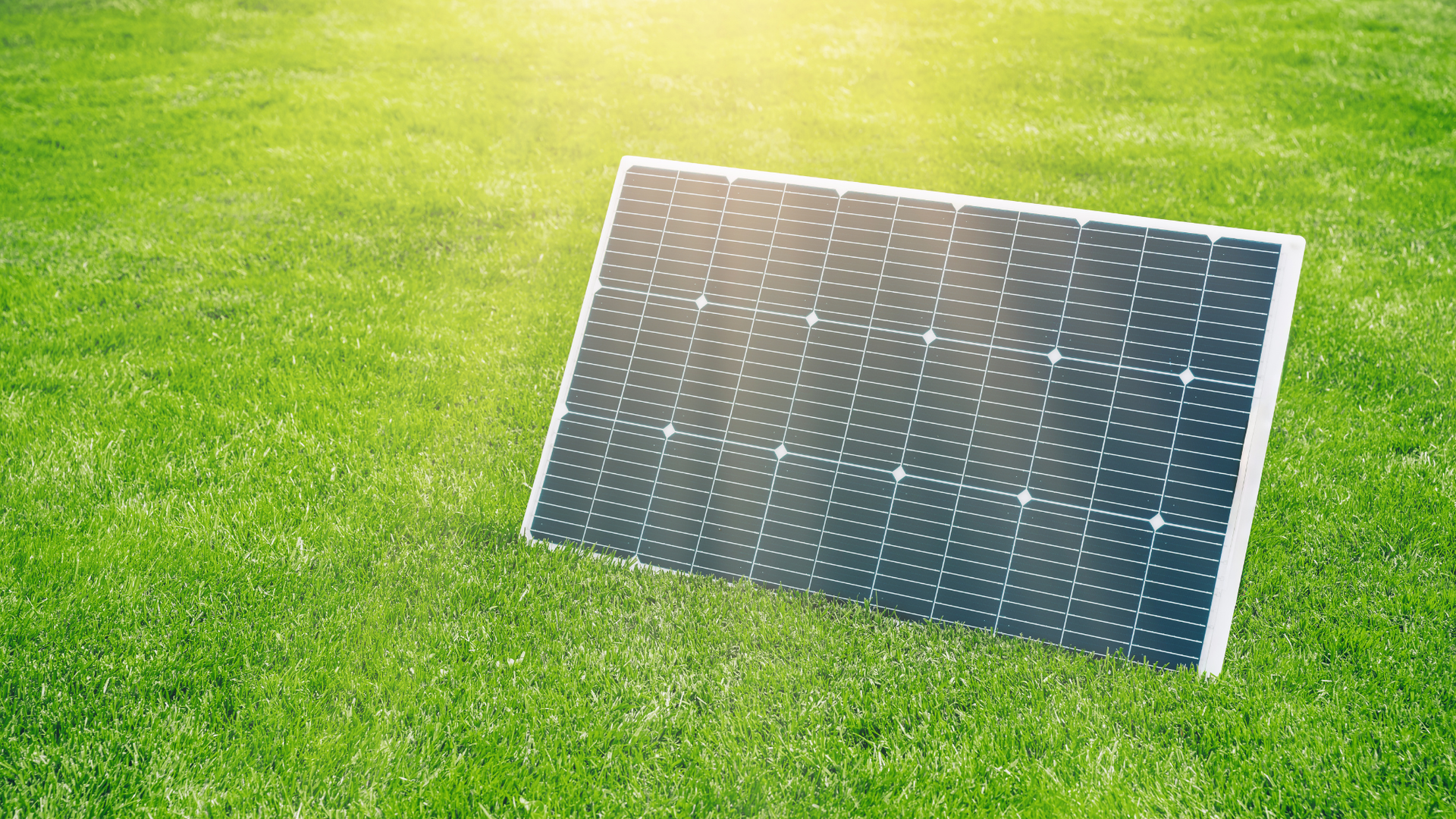
The main trade-off with plug-in solar is clear: connecting a kit can take minutes, but getting meaningful value depends on garden space and when your household uses electricity. In my trial of the UKSOL Pro Duo Plug-In 890W Solar Kit, setup was simple; the small garden and short test window made the financial return less convincing.
Installation took about five minutes
The kit was easier to assemble than I expected. At 74.5kg, the panels needed another person to help carry them into the garden, but connecting them took around five minutes and didn’t require a professional.
Before plugging in, check that your outdoor socket and circuit are suitable. The kit also connects to an app, and owners are required by law to register their panels using the online form, according to the Energy Saving Trust.
The UKSOL Pro Duo Plug-In 890W Solar Kit includes app monitoring, which makes it possible to check output and estimated savings from a phone.

Featuring smart app monitoring, these plug-in panels let you track your savings in real time from your phone – and couldn't be easier to install.
App data is useful, but a longer view matters
The app showed energy production in kilowatt-hours, estimated savings and performance across different periods, including daily, monthly and annual views. Watching those figures change was engaging, but a few days of data can’t establish what the kit will save over a year.
Kian Milroy, renewables electrical engineer at Heatable, says savings should be judged on year-round performance, including the weaker winter months. The app’s longer-term tracking makes that assessment easier, provided owners keep using it.

Garden dimensions can rule out a kit
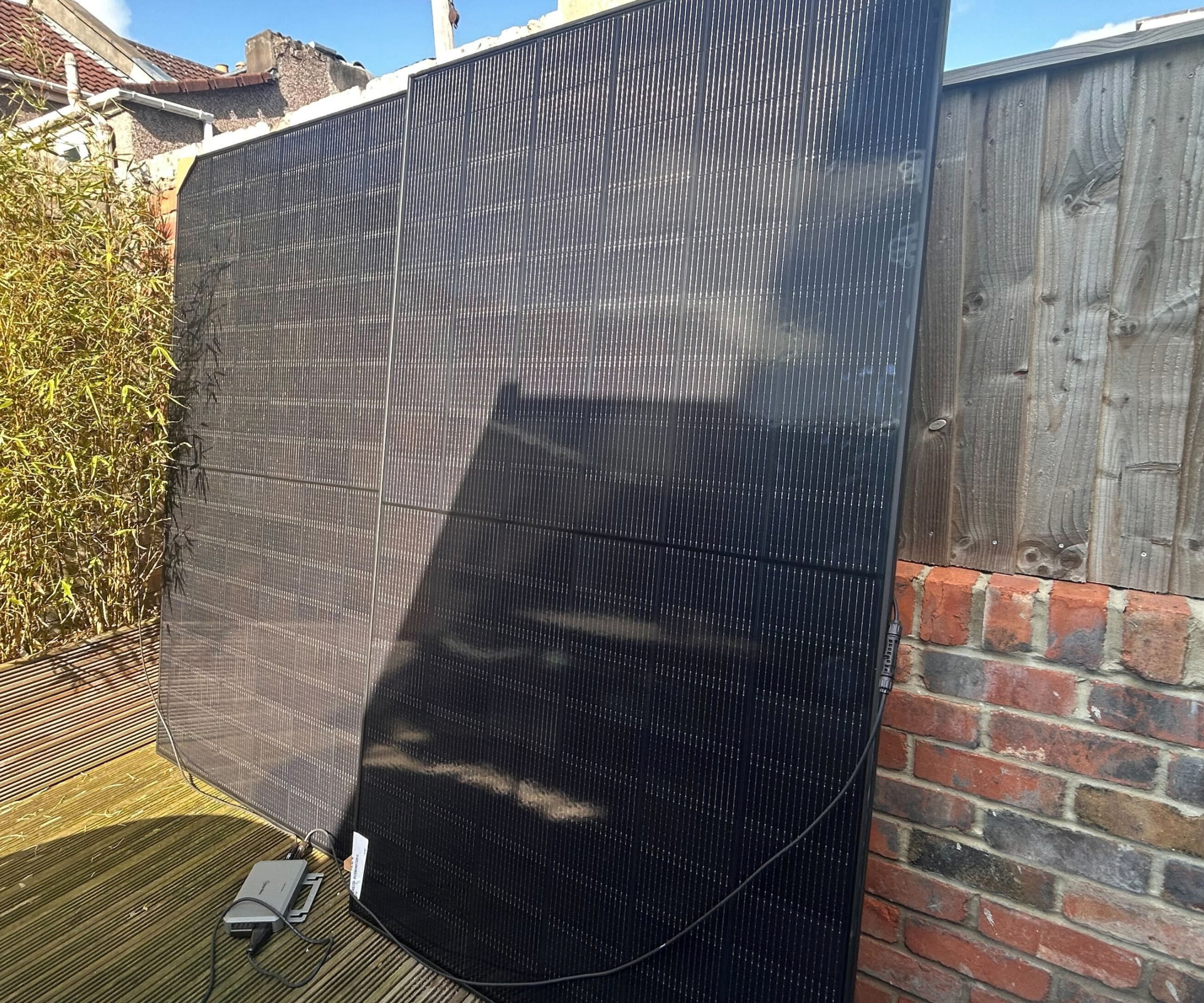
The panels I tested measure 113 x 352 cm. In my small terraced garden, the ground mount would have occupied most of the available floor space, so I leaned the panels against a fence for the trial. That was a temporary testing arrangement, not a recommended permanent installation.
For this model, a medium or large garden seems more practical. Jon Skinner, founder of Glow Home, advises measuring the garden, the route for bringing panels in and the panels themselves. Buyers should also check that the planned position can be secured without obstructing windows, doors or escape routes.
Panel size may change as more models become available, but the kit’s footprint was decisive for me: I couldn’t keep it in my own garden after testing.
Short-term savings were modest
Andrew Northcott of the Energy Saving Trust puts expected annual savings at £70 to £100. My panels saved 79p over three days in mid-September, including two days with moderately clear, sunny weather. That result was below my expectations, but it’s too short a trial to say much about annual performance.
The next useful comparison would be a longer test in a larger garden, with the panels secured on their ground mount. Until then, the annual estimate and my three-day result offer very different snapshots of potential returns.

Use the electricity while the panels generate it
Plug-in solar savings apply to electricity consumed in the home. If the panels produce 800W while the house draws 300W, the remaining 500W goes back to the grid, but the owner doesn’t earn money for that exported power under the arrangements described here.
These panels are currently exempt from the Microgeneration Certification Scheme, which energy suppliers require for a smart export guarantee tariff. The practical response is to run appliances during daylight, when the panels are producing electricity, and increase the share of generation used at home.
Plug-in solar could suit households with enough outdoor space and daytime electricity demand. My trial suggests that checking the footprint and matching appliance use to generation matter as much as how quickly the panels connect.
For related considerations, see whether home insurance covers plug-in solar panels and whether you can install plug-in panels in a front garden.



Discussion
Sign in to join the discussion.