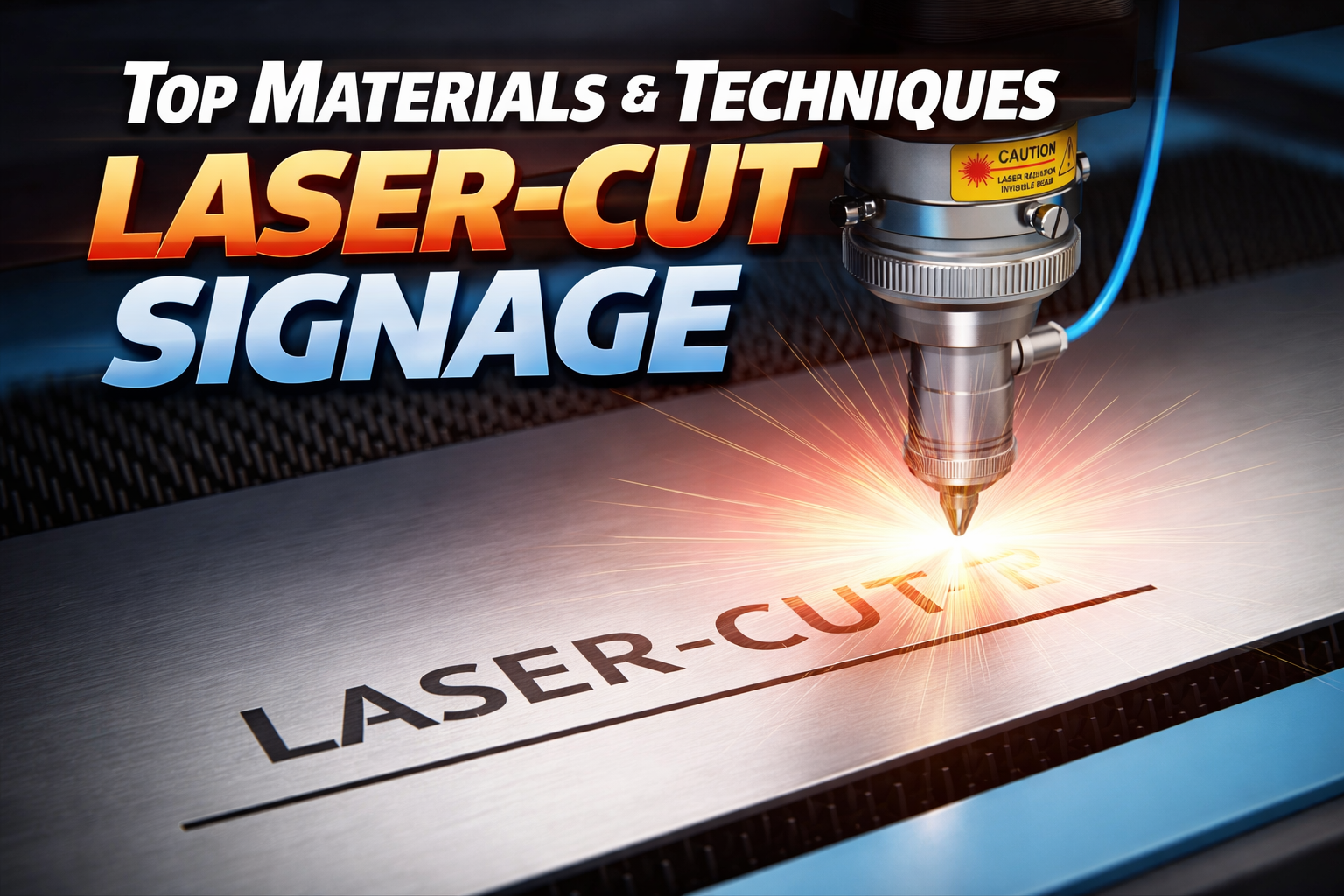
In the American small business landscape, a sign is more than a wayfinding tool—it is a critical branding asset. From the minimalist aesthetics of a Silicon Valley tech hub to the rustic charm of a Nashville storefront, laser cutting has revolutionized how these signs are made.
To command premium prices (often ranging from $150 to $1,000+ per project), you must move beyond basic engraving and master the interplay of high-quality materials and advanced assembly techniques. Here is the definitive guide to the top materials and methods for the U.S. signage market.
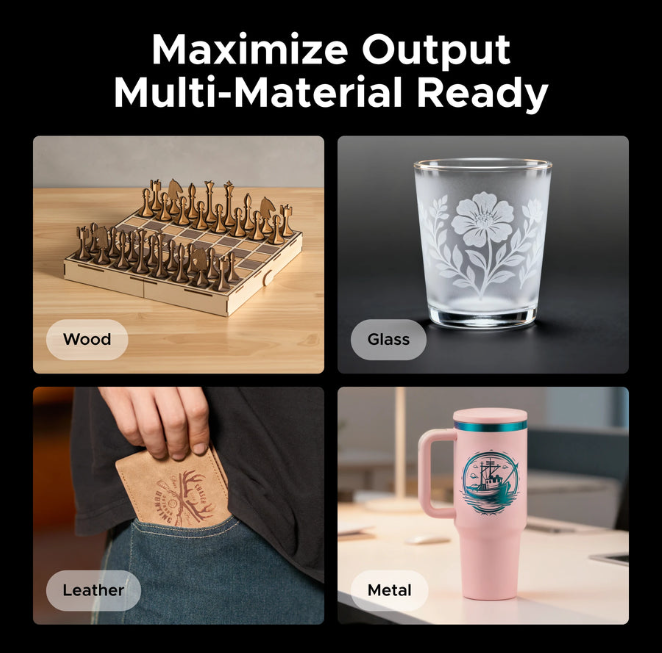
Part 1: The “Big Three” Signage Materials
Choosing the right substrate determines the longevity and perceived value of your work.
1. Cast Acrylic (The Gold Standard)
While extruded acrylic is cheaper, Cast Acrylic is the professional choice in the U.S. market.
- Why: It cuts with a flame-polished edge and engraves with a crisp, frosty white contrast.
- Top Picks: Frosted (matte) finishes are currently trending in high-end office signage because they hide fingerprints and reduce glare from overhead LED lighting.
2. Architectural Wood & Hardwoods
American consumers value the “Natural/Handmade” look.
- Baltic Birch Plywood: The workhorse of the industry. It’s affordable, stable, and takes paint or stain beautifully.
- Hardwoods (Walnut, Cherry, Maple): Ideal for premium law firm plaques or boutique “Welcome” signs. Deep engraving into Walnut creates a dark, rich contrast that requires no paint fill.
3. Metal-Look Laminates (Rowmark/Gravoply)
Real metal is heavy and difficult to cut with a CO2 laser.
- The Solution: Use brushed gold or silver laminates. These are thin plastics with a metallic foil top. You get the “Corporate Office” look with the ease of laser cutting, making it perfect for ADA-compliant room numbers and nameplates.
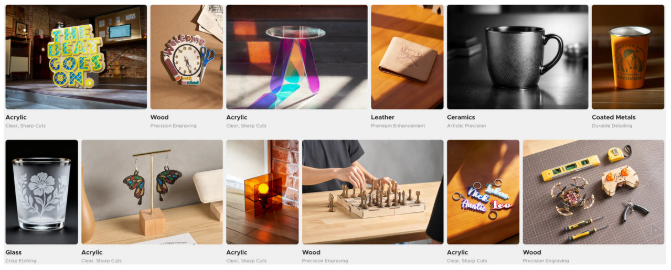
Part 2: Advanced Techniques for High-Impact Designs
1. The 3D Layering Effect
Flat signs often look “DIY.” To make a professional impact, you must add a third dimension.
- The Technique: Cut your background from 1/4″ Birch and your logo letters from 1/8″ colored Acrylic.
- Pro Tip: Use 3M 467MP Adhesive Transfer Tape. Apply it to the back of your material before cutting. Once the laser finishes, you simply peel and stick the letters onto the base for a perfect, mess-free bond.
2. Sign Standoffs (The “Floating” Look)
In the U.S., the “Floating Sign” is the hallmark of professional interior design.
- How to do it: Laser-cut four holes in the corners of an acrylic plaque. Use Stainless Steel or Satin Chrome Standoffs (spacers) to mount the sign 1 inch away from the wall. This creates a sophisticated shadow profile that significantly increases the retail value.
3. Paint Filling (The “Debossed” Look)
For signs that need a multi-color logo on wood or acrylic.
- The Process: 1. Mask your material with paper masking tape. 2. Laser-engrave through the tape into the material (about 1mm deep). 3. Spray paint directly into the engraved cavities. 4. Peel off the masking tape to reveal a perfectly crisp, multicolored inlay.
Part 3: U.S. Market Logistics & Profitability
Shipping Strategy (USPS vs. UPS)
Signage can be fragile. If your sign fits within a 12″ x 12″ or 12″ x 18″ footprint, it is much easier to ship via USPS Ground Advantage. For larger “Statement Signs” (24″ or larger), factor in the cost of heavy-duty corrugated boxes and bubble wrap to avoid “Items Arrived Broken” claims on Etsy.
The “USA-Made” Premium
U.S. buyers are increasingly looking for “Small Business” and “Made in the USA” labels. Highlight the use of domestic materials (like American Black Walnut) in your product descriptions to justify higher price points.
How to Price Your Work
Most U.S. laser businesses fail because they underprice. Use this baseline:
- Material Cost: $15–$40
- Laser Time: $1–$2 per minute
- Assembly/Labor: $50/hour
- Suggested Retail: $125 – $350 for a standard 18″ custom business sign.
By mastering layering, using 3M adhesives, and choosing Cast Acrylic, you move your business from a hobbyist level to a professional signage solution.