Wondering whether this simple insulation upgrade can actually reduce heat loss? Here's what the experts say – and the top places to install it
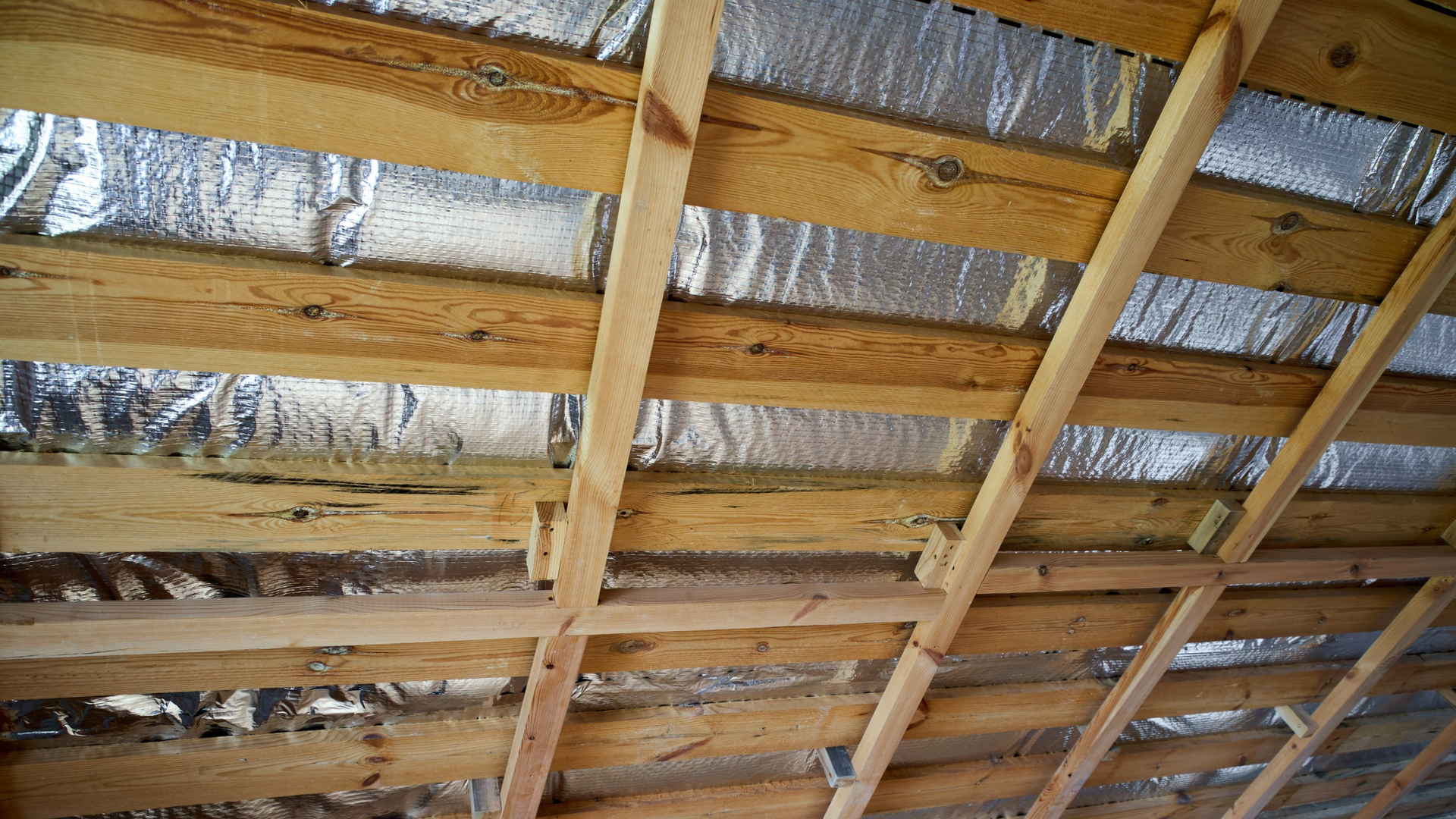
If you're looking for ways to reduce heat loss and make your home more energy-efficient, you may have considered installing thermal foil insulation.
Designed to reduce heat transfer, this thin, reflective material can be installed onto walls, ceilings and floors to help keep your home warmer in winter and cooler in summer. But how effective is it really? And can it ever replace your existing insulation?
Below, our experts have given the lowdown on thermal foil insulation, including the best places to install it, whether it makes much difference to your energy bills, and the one costly mistake to avoid.
Does thermal foil insulation make that much of a difference?
Yes, thermal foil insulation "can be useful", according to Greg Drain, co-founder of Narrative – but only if it's installed in the correct place.
However, he adds that "a roll like this is only a few millimetres thick, so it does far less than rigid board or mineral wool of a proper depth. If you’re insulating a loft or a wall in your home, you’ll need more than foil to meet Building Regulations."
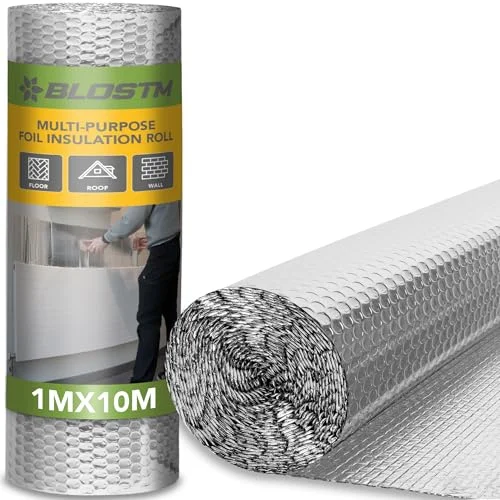
Suitable for walls, floors, radiators and roofs, this foil insulation roll claims to reflect 97% of heat back into your room.
Where's the best place to put thermal foil insulation?
Now you know that thermal foil insulation can help prevent heat loss, you might be wondering where the best place to put it is. According to Jamie Smith, Key Accounts Director at Efficient Energy, you should install it in areas where heat is escaping through the building's structure, such as roofs, lofts and suitable wall or floor applications.
But before you rush into installing it, Greg Drain offers a word of caution.
"Thermal foil insulation is incredibly efficient and can work very well, but it isn’t like mineral wool, which you can roll out across your loft and leave," he says. "It’s a construction material with construction demands, so get professional advice on the thickness and the installation method before you start. And don’t forget, there are building regulations we all have to follow."
Can thermal foil insulation be used alongside existing insulation?
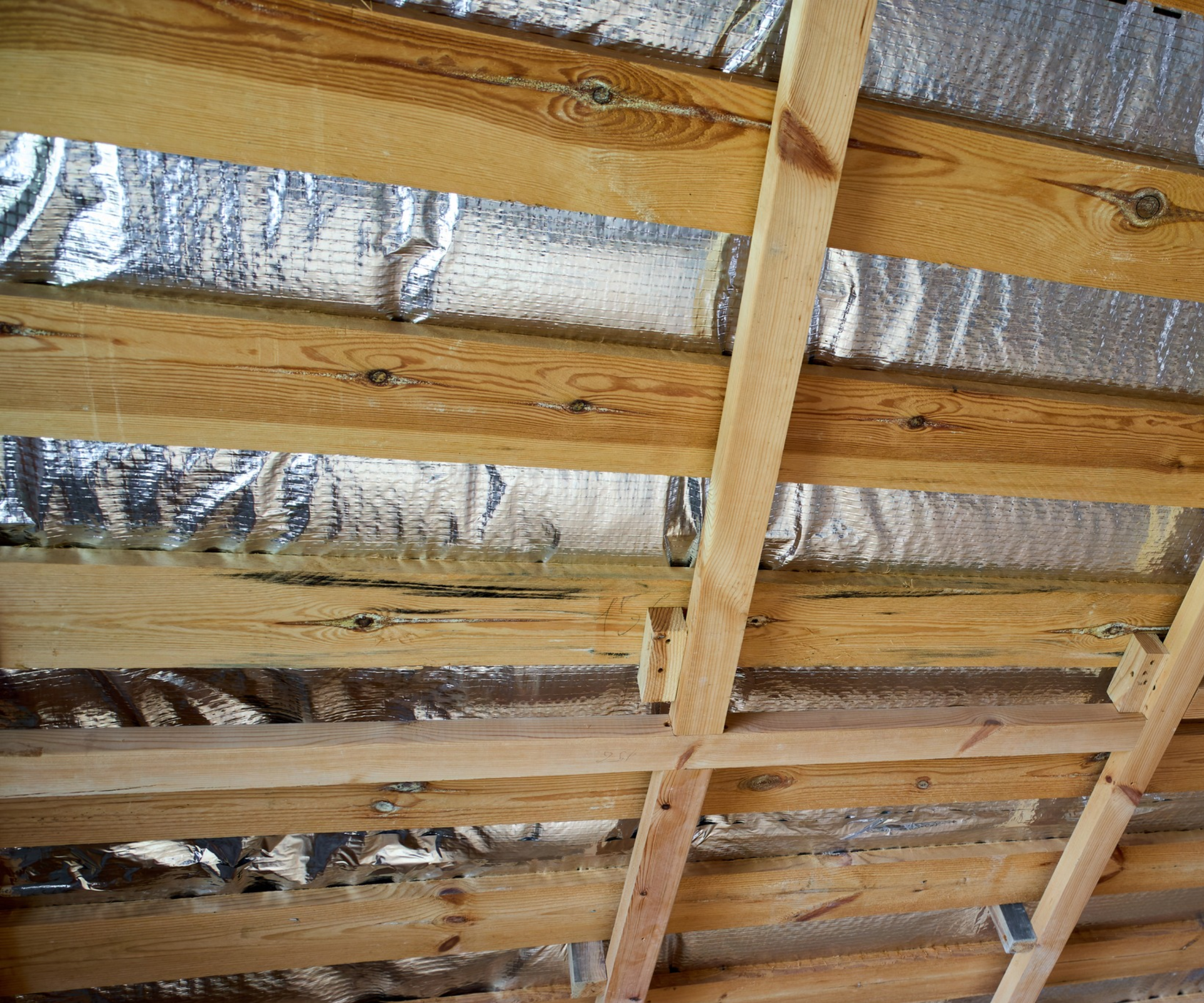
Yes, you can install thermal foil insulation alongside your existing insulation – and that's how it's most commonly used, according to Martyn Fowler, founder of Elite Renewables.
"You might have mineral wool between the roof rafters and then add a layer of thermal foil to improve how well the roof holds onto heat," he says. However, you'll need to ensure there's an air gap for this to work properly.
What thermal foil insulation mistakes should you avoid?
Install thermal foil insulation correctly and you'll be on your way to a more energy-efficient home – but get it wrong, and you could end up with a condensation and damp problem on your hands.
"It comes down to the dew point," explains Martyn Fowler. "Warm air inside your home contains moisture and as that air moves into colder parts of the roof, it can reach a temperature where the moisture turns into water. That's when you start getting condensation."
"Some thermal foil products act as a vapour barrier. If you put a vapour-resistant layer on the cold side of existing insulation you could end up trapping moisture inside the roof where it can't dry out properly."
You'll need to watch out for gaps too – Martyn says that unsealed joints can become a hotspot for warm, moist air to get through and reach the colder roof structure, but you won't necessarily notice it.
Installing thermal foil insulation can be a fantastic way to keep your home warmer without hiking up the heating, so long as you install it correctly and in the right place.
If you found this helpful, you may also want to read our guide on how to insulate your house or take a look at these insulation innovations.



Discussion
Sign in to join the discussion.