Essential Tips for Choosing Driveway Edging: Balance Functionality and Style
Published Sep 05, 2026Reads 1,038Desk Gabriella Dyson
Driveway edging is crucial for aesthetics and functionality; choose materials like brick or steel to contain gravel and enhance curb appeal.
When it comes to enhancing the first impression of a home, few features wield as much influence as driveway edging. This seemingly minor element plays a pivotal role in maintaining the order of materials such as gravel, securing paving in place, and directing rainwater away from the garden area. However, while aesthetics are important, prioritizing purely decorative choices can lead to significant pitfalls. Many aesthetically pleasing edging options fail to withstand the daily wear inflicted by vehicles. Consequently, selecting the right edge material requires a balance between functionality and style that aligns with both the driveway's design and its intended use.
Insights from specialists in landscaping and paving reveal valuable suggestions for effective driveway edging, as well as the common missteps homeowners frequently make.
1. Utilize Brick Edging for Clean Lines
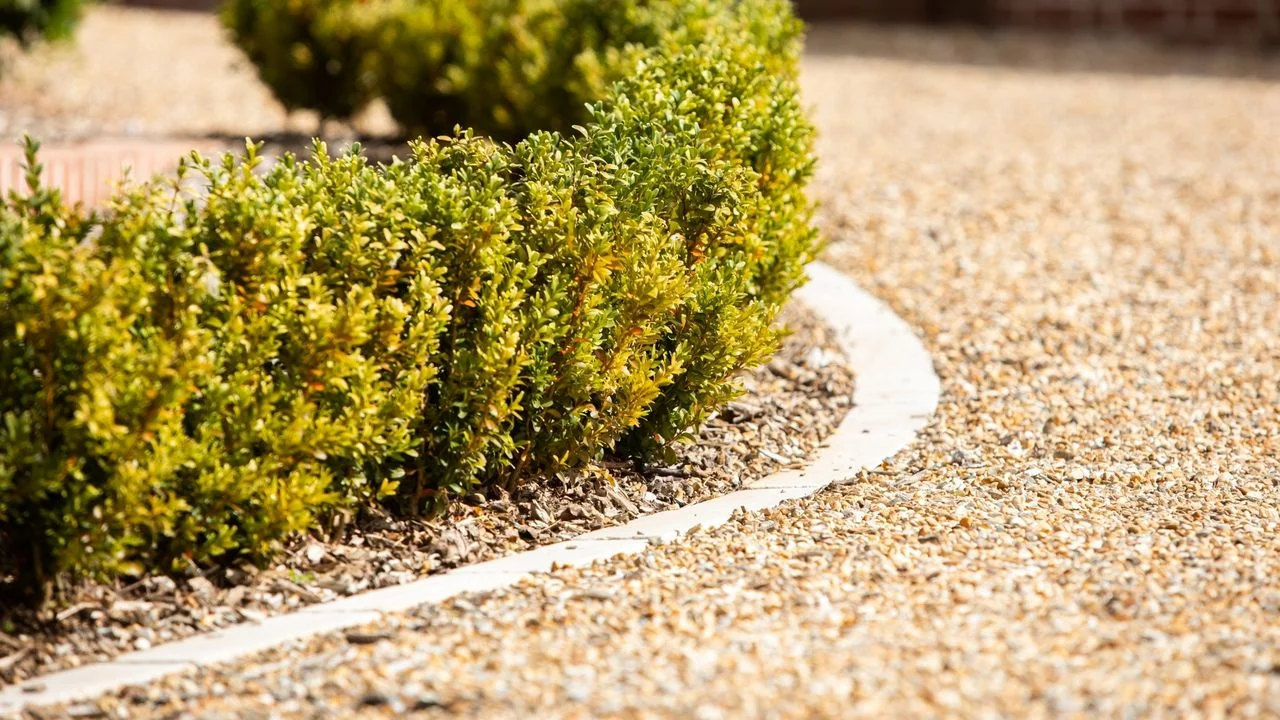
For a gravel driveway—especially one that gracefully curves around a lawn—brick edging offers both utility and visual appeal. Without a defined border, the gravel risks migrating onto adjacent lawns with every turn of a wheel. As Scott Godfrey, a construction trade consultant at Black Hammer, points out, "Gravel needs a firm, raised edge; otherwise, it'll gradually spread into the surrounding areas." Implementing brick, concrete curbs, or even steel edging can effectively keep the gravel contained.
Employing a straightforward line of brick that follows the drive's curve not only contains the gravel neatly but also echoes the materials used in the home’s facade, creating a cohesive aesthetic. This approach enhances the driveway’s contribution to the property’s overall character rather than relegating it to a purely functional role.
2. Create Contrast with Natural Stone
When a driveway meets a paved surface rather than grass, it’s an opportunity to introduce contrast with a slim brick edge that serves more than just a containment function. In one striking example, a terracotta brick edging delineates the boundary between pale paving stones and gravel, producing a visually appealing contrast.
The warm hues of the brick provide an eye-catching complement to lighter materials, while a mitred corner detail ensures a precise finish that prevents gravel from creeping into visible joints over time.
3. Embrace Minimalism with Slim Steel Edging
For those seeking a modern appearance, consider slim steel edging. This low-profile option offers a subtle solution, especially when plantings carry much of the visual weight. It can easily conform to tight curves and remains discreet, providing a clean line that’s nearly invisible against flourishing greenery. As Tony Reynolds, a home maintenance expert at Supreme Merchants, states, “The simplest edging often looks the best.”
Steel’s flexibility allows it to handle curves adeptly without compromising its form. If your driveway isn’t perfectly straight, this property of steel is an important factor to consider when making your choice.
4. Integrate Planting for Soft Edges
For driveways made of solid materials like block paving, opting for planting as a softer border can breathe life into an otherwise monotonous stretch of hardscape. A low kerb can separate the driveway from planting beds while allowing ornamental grasses and vibrant shrubs to flourish. This technique introduces layers of texture and color, enhancing visual interest along lengthy or sweeping drives.
5. Maintain a Low Profile with Block Kerbing
In neighborhoods where multiple homes share a single driveway, opting for a plain block kerb can keep the edge understated yet effective. This choice allows the drive to flow effortlessly past various properties while providing a consistent line that aids in landscape maintenance. Such a design acknowledges the surrounding architecture without overshadowing it, making the kerb blend seamlessly into the overall aesthetic.
6. Let a Path Serve Double Duty
Why not allow a paved front path to function as driveway edging? A wide series of paving tiles can serve to define both the pedestrian route and the boundary for gravel, creating a cohesive look while minimizing the need for additional materials. This is particularly beneficial where foot traffic and landscaping converge, keeping gravel at bay while ensuring ease of access.
7. Illuminate Edging for Evening Visibility
Considering lighting in your edge design is a must, particularly for those darker evenings when driveway visibility becomes key. Integrating low-level lighting, such as bollard lights or recessed fixtures, can elegantly highlight the edge while ensuring safety. Recessed options can provide a discreet touch, while strategically placed spotlights can enhance the texture of surrounding planting.
By keeping these practical and aesthetic considerations in mind, you can craft a driveway that not only enhances your home’s appeal but stands up to everyday use. Ultimately, the right edging decision is about finding that sweet spot where functionality meets visual harmony.
Final Thoughts on Driveway Design
When it comes to enhancing your driveway, the last details can often make the most considerable difference. The insights provided by experts like Johnny Pearce and Paul Kerr underscore a transformative approach to driveway edging—it's not merely a practical feature but a stylistic element capable of framing your home's first impression. Consider the blending of contrasting materials, color palettes, or even the choice of decorative stones; these decisions can elevate the aesthetic of your space significantly.
Here's the thing: getting the edging right isn't just about looks. Functionality—particularly regarding drainage—plays a crucial role in this conversation. As Paul Kerr points out, overlooking proper drainage can lead to costly flooding issues. Installing edging with foresight not only defines the driveway's edge but also ensures water disperses effectively, mitigating future problems.
That said, design choices should reflect personal style while considering the longevity and practicalities of the materials used. Whether opting for sleek aluminium, natural stone, or casual stones, it’s vital to maintain balance—each choice should enhance rather than overwhelm your driveway’s appearance.
In a rapidly changing market where aesthetics often clash with functionality, your driveway's edging can set a tone that resonates throughout your property. If you're delving into a renovation or simply looking to refresh your home's exterior, remember that these nuances in design can have far-reaching implications. They not only bolster kerb appeal but potentially increase property value—something to keep in mind as you refine your choices.
So, the question now becomes: what kind of statement do you want your driveway to make? The right edging could just be your project's crowning touch.



Discussion
Sign in to join the discussion.