Unlock the secrets to propagating your monstera plants with expert-backed tips for healthy growth and successful root establishment.
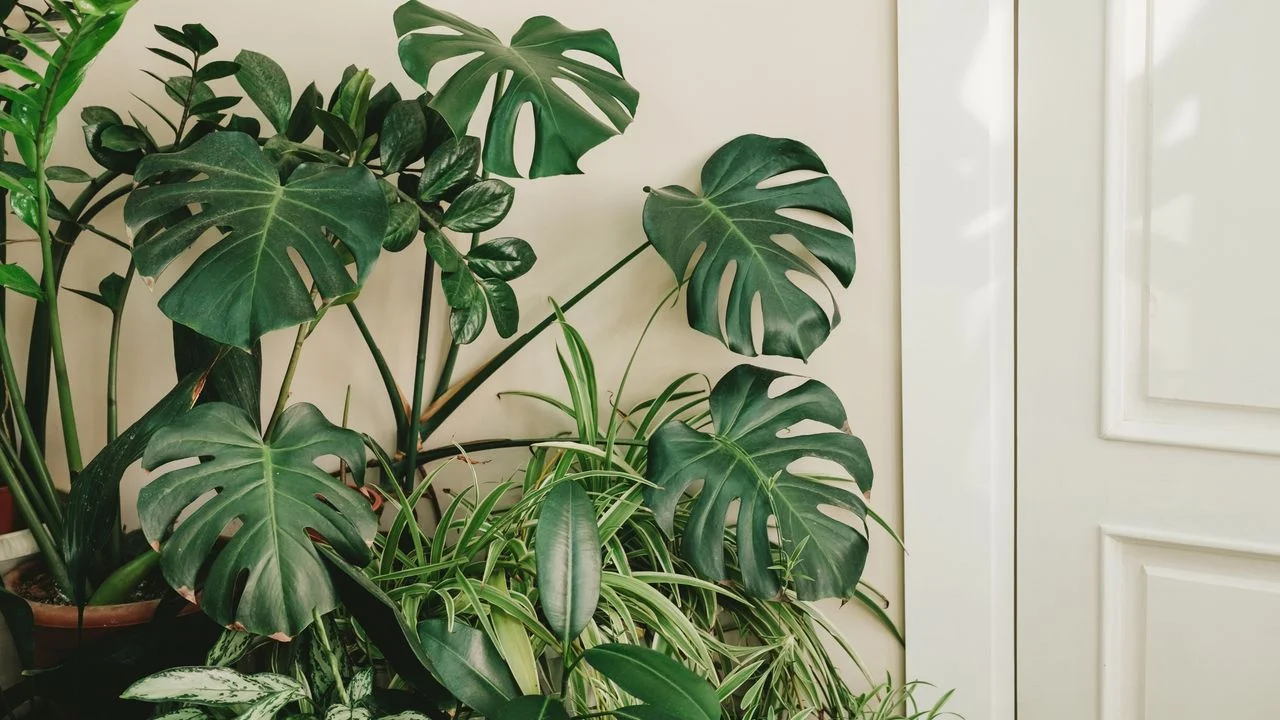
If you’re a monstera owner, you’re in luck. You can create new plants without spending a dime, making it an economical way to expand your indoor greenery. With a few straightforward steps and guidance from gardening professionals, you can easily propagate these popular houseplants at home. Indoor gardening has surged in popularity, especially during the pandemic, as more people seek to bring nature into their living spaces. Monstera plants, with their striking aerial roots and large, unique leaves, are particularly desirable. Not only do they enhance home aesthetics, but they're also relatively easy to care for. The ability to propagate them at home adds both personal and financial value, allowing plant enthusiasts to expand their green collections sustainably.
Step 1: Choose a Healthy Cutting
Start by selecting a healthy stem that features at least one node, which is the spot where roots will develop, along with a vibrant leaf. You'll find that a well-chosen cutting is critical for successful propagation. According to Matthew Wilson, CEO of Handy Gardeners, “Ensure your cutting has aerial roots; these roots are essential for absorbing moisture and nutrients.” This attention to detail is vital when choosing your cutting, as healthy roots will speed up the establishment process for your budding monstera. The more robust the cutting, the less likely it is to succumb to the common pitfalls of root rot or disease.
Step 2: Use Clean, Sharp Tools
Before making any cuts, inspect your tools for cleanliness and sharpness. Dull blades can crush the stem, making it more susceptible to infection. Wilson recommends using high-quality pruning shears for a precise cut below the node. "Sterilizing your shears with rubbing alcohol can also help prevent disease transfer," he says. This step highlights an essential practice among plant care: ensuring that your tools are clean. Many home gardeners overlook this point, yet it can make a significant difference in the success of propagation. Aside from the immediate health of your cutting, maintaining sterile conditions helps safeguard your other plants from potential contamination.
Step 3: Pay Attention to the Water
After cutting the stem, place it in a glass filled with water. Opt for filtered or distilled water to avoid any harmful chemicals that may hinder root growth. Wilson advises refreshing the water every three days to keep it oxygenated, which is vital for encouraging roots to form. The water itself should be monitored closely — cloudy water is a sign that it’s due for a change. Many novice gardeners underestimate the importance of water quality and sourcing, assuming that all water is more or less the same. If you're working in this space, investing the effort into providing pure water can be the difference between failure and success.
Step 4: Wait for Roots to Grow
Patience is crucial during this phase. Continue to use filtered water, and consider adding a few drops of liquid seaweed extract to provide essential minerals that can hasten rooting. "This is a well-regarded strategy among gardeners," says Wilson. Dennis Sons, owner of TN Nursery, adds, “Utilizing rooting hormone can also expedite the root development process.” This aspect speaks volumes about the plant propagation community; sharing tried-and-true methods enhances collective knowledge. Some people might feel anxious during this wait, but rest assured, the rooting process can be a fascinating observation of natural growth. (And this is the part most people overlook — the wonder of seeing those little roots emerge.)
Step 5: Place in Appropriate Soil
Once your cutting has developed roots, it’s time to transfer it to soil. It’s essential to use a well-draining mix to prevent root rot. Matthew Wilson suggests coconut coir as an excellent medium because it retains moisture without becoming overly wet, thus promoting healthy growth. This step leads us to consider how the choice of soil affects overall plant health. Not all potting mixes are created equal; understanding the specific needs of monstera plants can guide your choices in fertilizers and soil types. The right medium can make your plants thrive, offering a strong contrast to plants stifled by poor soil conditions.
Following these expert tips increases your chances of successfully propagating your monstera plant. Wilson concludes, “You’re not merely propagating; you're setting your monstera up for long-term success.” This emphasis highlights the importance of viewing plant care as a long-term investment. It’s a commitment to nurturing life that can evolve significantly over time. If you're diving into propagation as a new hobby, you’ll not only gain additional plants, but you’ll also expand your knowledge base and become part of a broader gardening community.
Future Outlook for Home Propagators
As interest in houseplants continues to rise, driven largely by the increasing popularity of home decor trends embracing biophilia, the art of propagation is likely to gain even more attention. The skills acquired through propagating monstera are transferable to countless other plants, which can amplify your indoor gardening experience. The pandemic has taught many the therapeutic benefits of nurturing plants, and this trend doesn't appear to be waning. Home propagation could become a staple for environmentally conscious individuals looking to cultivate their green spaces affordably. What this means for you is that understanding propagation basics could open doors to a smarter, more sustainable way of gardening in the future.
If you’re interested in further expanding your propagation skills, you might want to learn how to propagate a jade plant as well.


Discussion
Sign in to join the discussion.