Gardening experts share vital strategies for protecting winter plants, from flowers to container gardens, ensuring they thrive through the cold months.
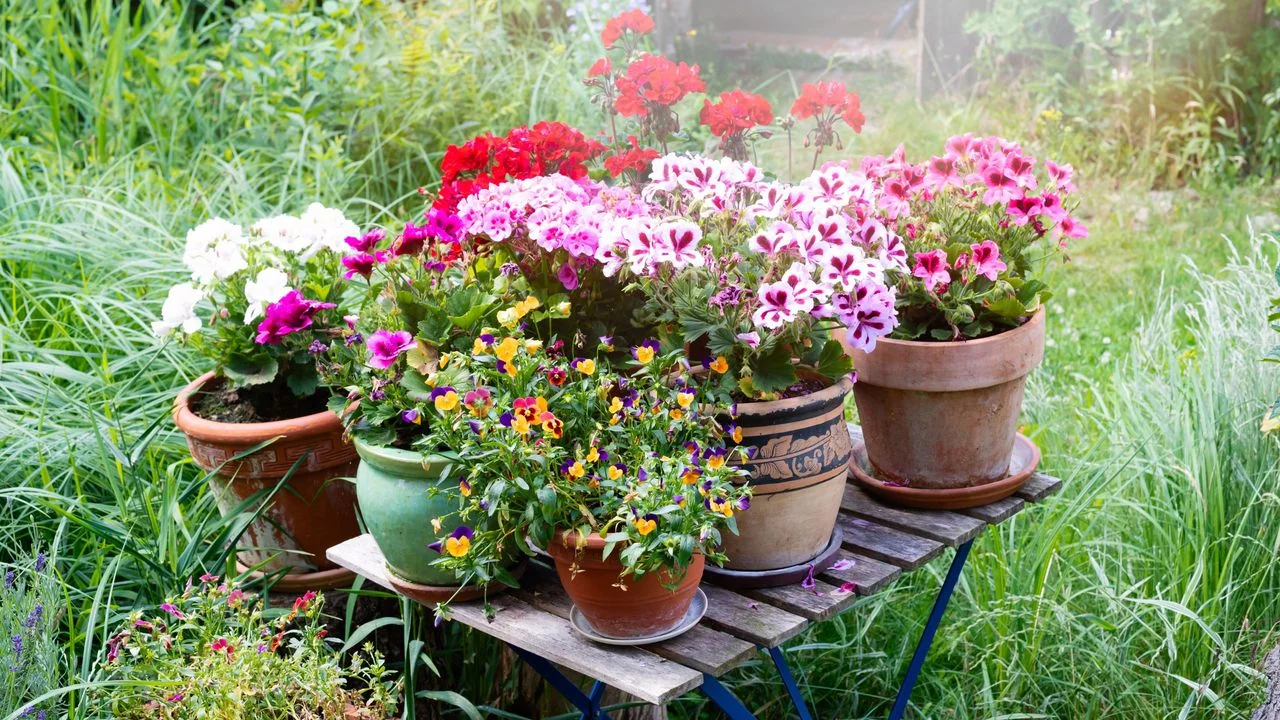
Protecting Your Winter Plants
Even in winter, when blooms are scarce, safeguarding your existing plants is critical for their survival and vitality. Understanding which plants require special care can help maintain your garden’s beauty until spring. Many gardeners might overlook the challenges that colder months pose, which can lead to regret as spring unfolds. The strategies for plant protection aren’t just about aesthetics; they significantly impact plant health, vigor, and resilience against pests and diseases in the warmer months to come.
Flowers That Need Extra Care
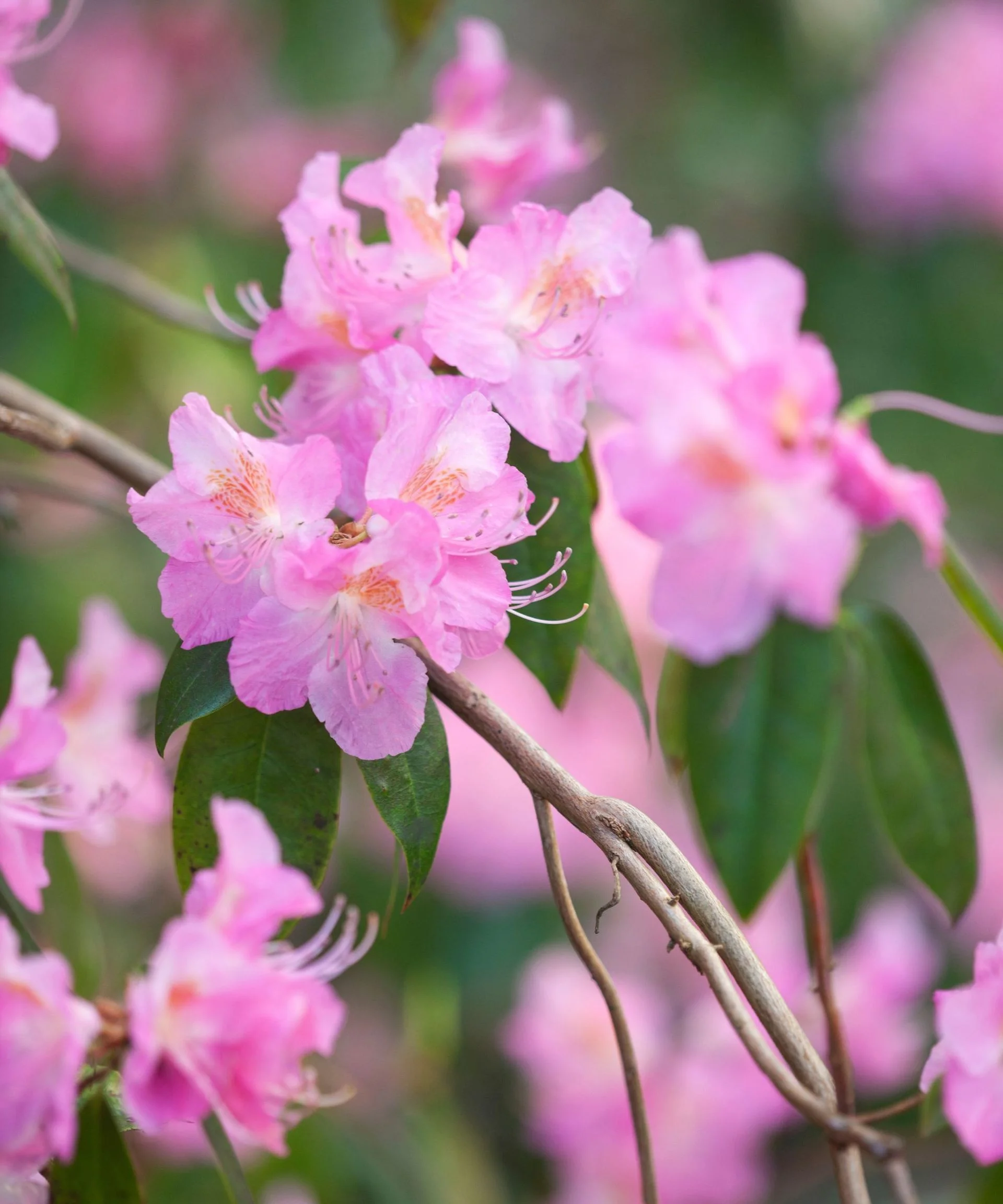
If you're nurturing colorful blooms like azaleas and rhododendrons, it’s wise to shield them during the frigid months. Wrapping these plants in burlap can effectively protect against harsh winds and snow, according to Scott McLeod, owner of McLeod Landscaping Inc. He notes that while these plants thrive with warm roots, their broad leaves can easily dry out under cold, dry winds. The challenge is that when their leaves dry out, it not only affects their beauty but also reduces their ability to photosynthesize effectively, ultimately stunting their growth.
Fellow expert Marco Picano recommends providing additional burlap protection for evergreen varieties, whose foliage is vulnerable to winter damage. Evergreens are often seen as low-maintenance, but many gardeners fail to recognize that they require special attention in winter. You might consider a versatile burlap roll, like the one available on Amazon, which can be conveniently cut to size. This inexpensive and straightforward material provides a thermal barrier, while also allowing air circulation, thus preventing moisture buildup that could lead to rot.
Herbs and Vegetables to Safeguard
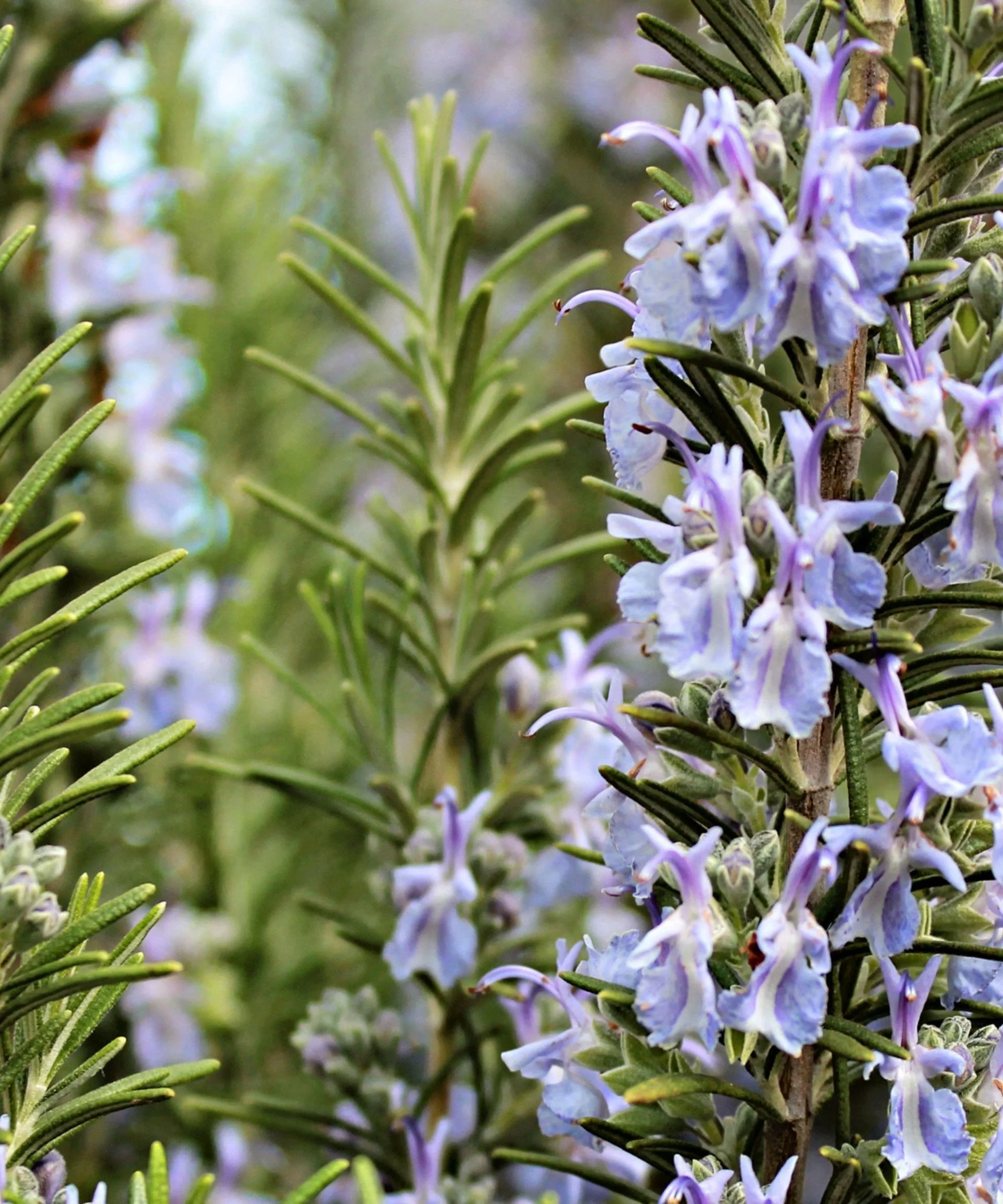
If you’re cultivating herbs and vegetables, insulating their roots becomes vital during winter. Scott recommends mulching them with 6-8 inches of material to provide essential warmth. However, if your garden mainly consists of hardy herbs like rosemary, thyme, and parsley, you might find that additional mulching isn’t necessary. Hardy herbs can withstand some frost, but they still need protection from extreme temperature drops. This is where mulching can play a dual role—retaining moisture while also insulating against sudden temperature changes.
Not only does rosemary add flavor to holiday dishes, but it’s also beneficial for pest control in the garden, enhancing your gardening strategy. Its aromatic compounds can repel many common pests, offering a natural solution to pest management. By keeping these herbs healthy over the winter, you set up a favorable environment that thrives in spring, promoting both not just your culinary endeavors but also keeping voracious insects at bay when the warm months return.
Container Plants: Indoors Is Best
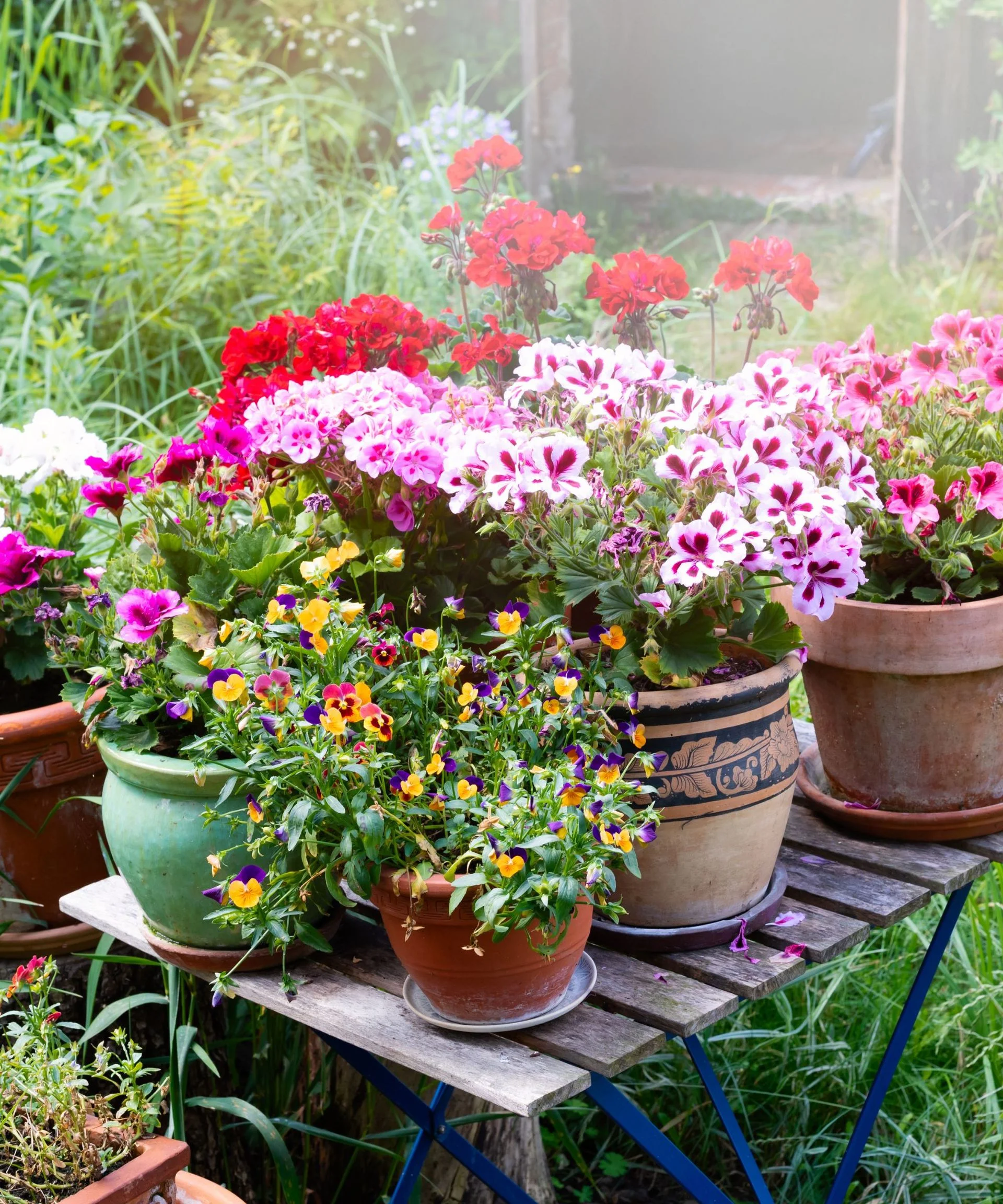
For container plants, bringing them indoors is the best strategy since their roots are more exposed to freezing temperatures. The roots of potted plants can freeze more readily than those planted in the ground, often leading to irreparable damage. Scott suggests watering them thoroughly before relocating and then monitoring the soil moisture, watering lightly when the top inch is dry. Keeping indoor plants consolidated helps maintain humidity and raises the temperature around them, which is especially useful during dry heating seasons.
Arranging them together on a durable shelf, like the Bamworld Plant Shelf available on Amazon, can make for an attractive indoor display. A well-organized interior not only supports your plants but also serves as an aesthetically pleasing feature in your living space, which can be lacking in the colder months.
Before Winter Arrives
It’s essential to prepare well ahead of winter to protect your plants effectively. Understanding their unique requirements and the specific risks in your area will help immensely. People often forget that winter protection needs to begin even before the first frost. This proactive approach can save time and resources later on. As Marco Picano wisely advises, timely protection leads to healthier, happier gardens when spring arrives. Gardener vigilance pays off, as the cost of neglect can be severe.
For more insights, check out resources on winterizing houseplants and winter’s best flowering plants to enhance your gardening knowledge.
Plant Care Essentials
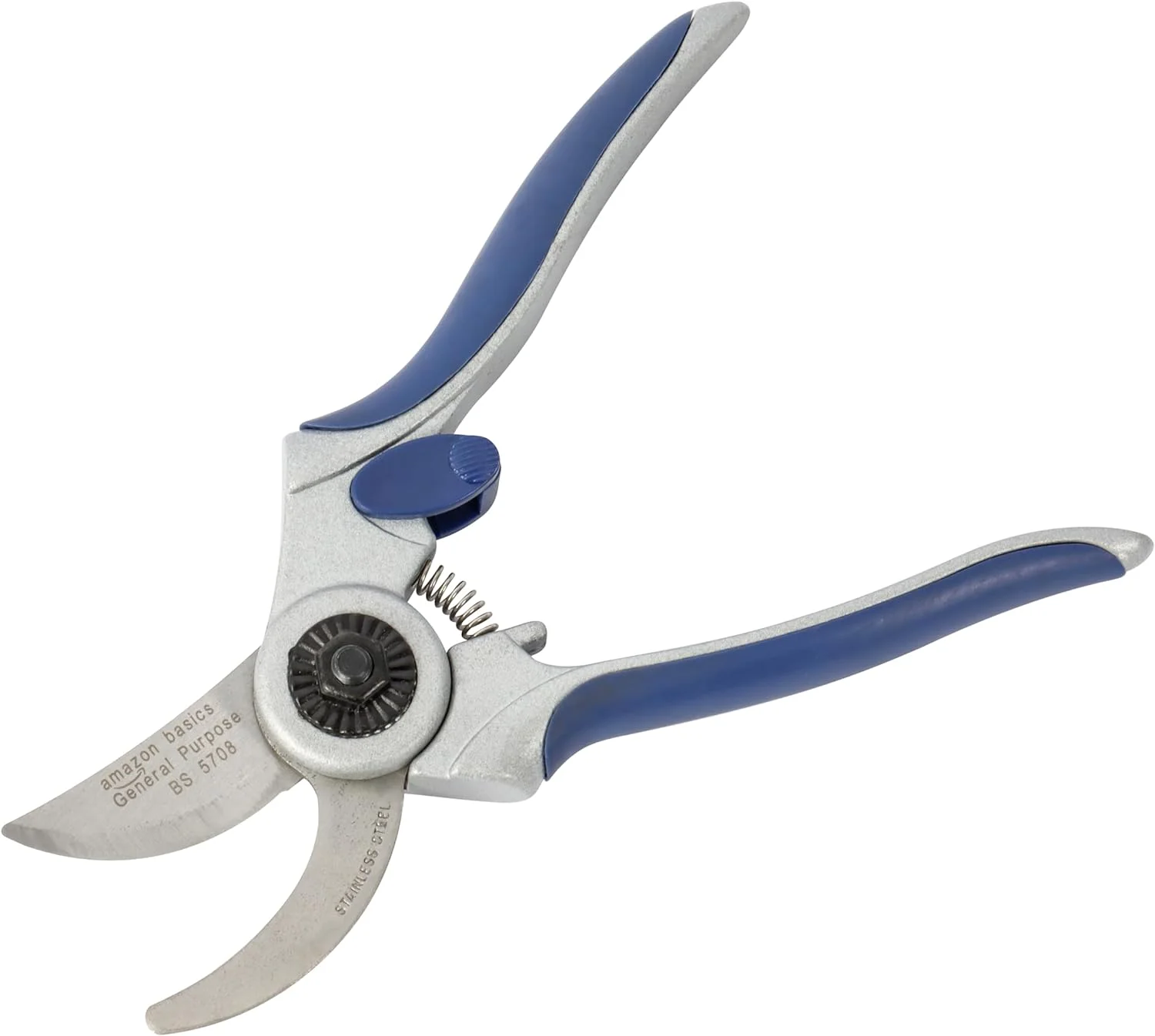 Safety clip included
Size: 0.31 lbs
Made from: Stainless steel
Price: $11.35
An essential tool for any gardener, these pruners feature a comfortable non-slip handle and a precision-cutting design, ideal for maintaining plant health. Good shears can make all the difference in how well you can prune,cs shaping and ensuring your plants develop in a healthy manner.
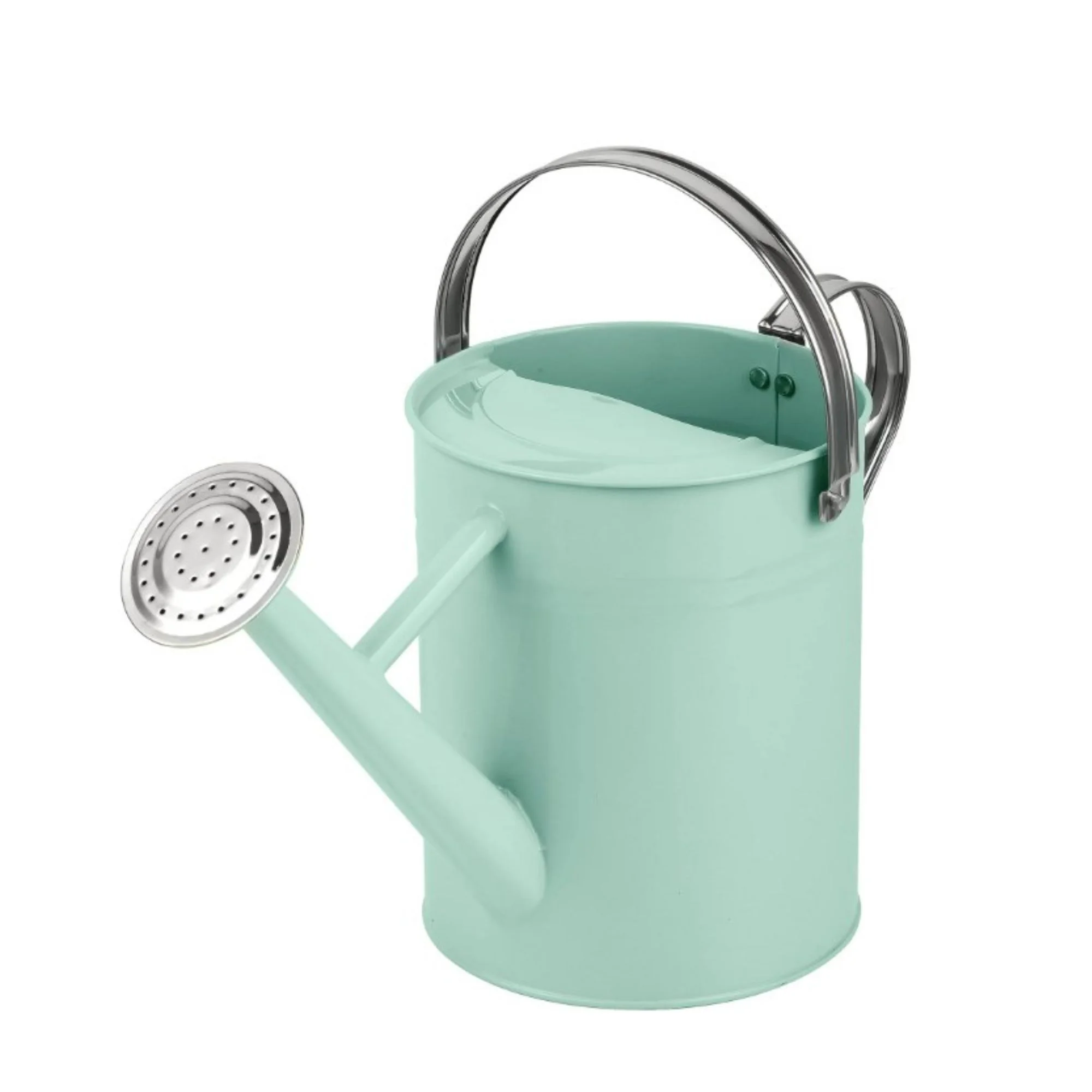 Rust-resistant
Capacity: 1 gallon
Made from: Metal
Price: $24.99
This colorful watering can is both functional and stylish, perfect for ensuring your plants receive adequate hydration throughout the season. Its rust-resistant finish means it will endure the rigors of outdoor use, providing a reliable option for plant care.
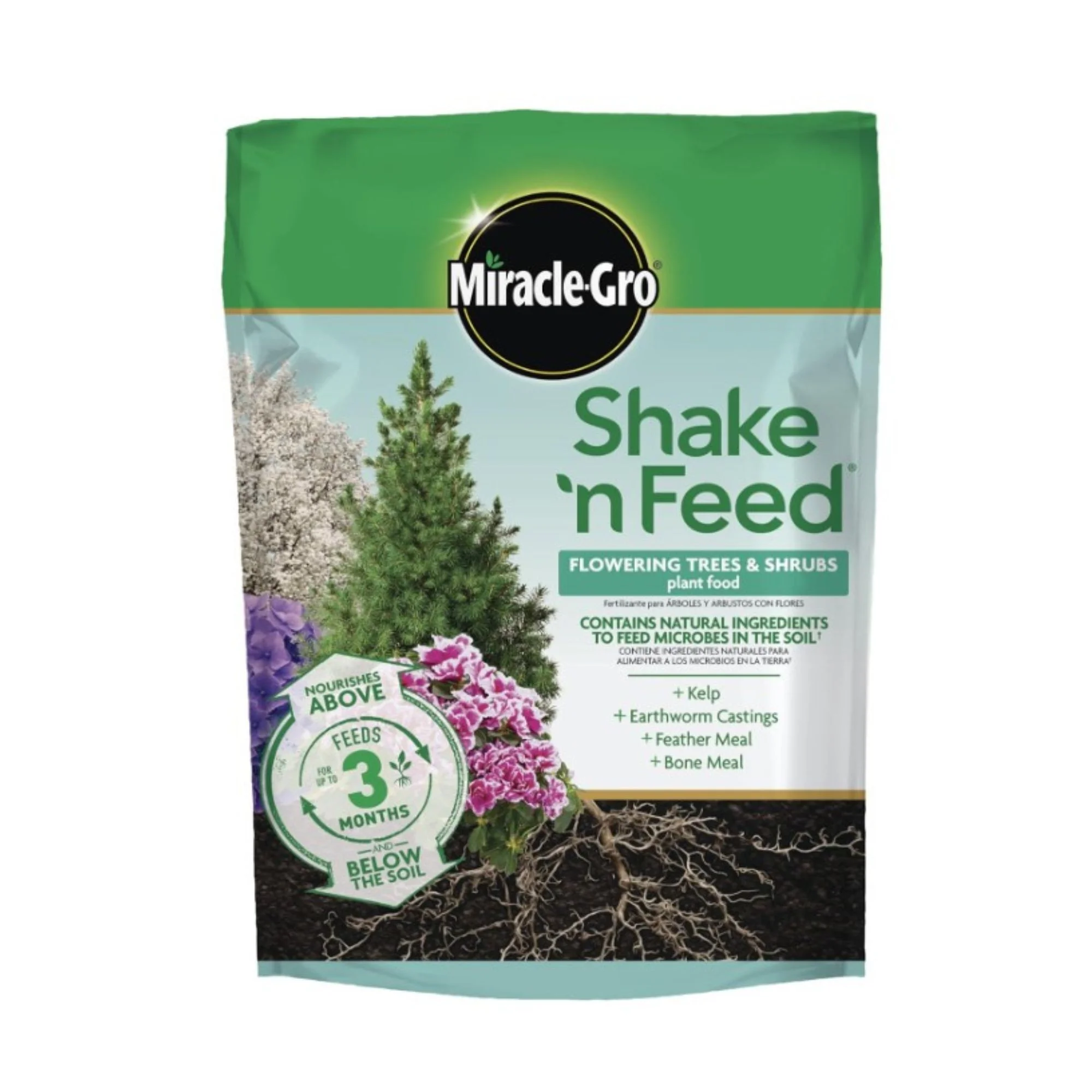 Feeds for three months
Size: 3.8kg
Made from: Natural materials
Price: $23.74
This effective plant food is perfect for giving your plants the nutrition they need during winter, whether in the ground or in containers. Supporting your plants in the colder months prepares them to thrive when temperatures rise again.
Implications and Future Outlook
As we look at the practices for protecting winter plants, it raises questions about how these habits impact broader gardening trends. Many avid gardeners are turning towards eco-friendly practices. By employing organic mulches and natural pest deterrents like rosemary, they not only safeguard their plants but also make strides toward sustainability. This trend suggests a growing acceptance of environmental responsibility in gardening.
If you're working in this space, consider how these winter protective measures can evolve. With climate change influencing growing seasons and weather patterns, understanding plant behaviors can help gardeners adapt. A focus on resilience—both of the plants and the gardening community—will be essential as we face unpredictable shifts in weather. The mindset should shift from merely surviving winter to preparing for a more adaptable and thriving gardening future.



Discussion
Sign in to join the discussion.