Proper acclimatization is crucial for successful wooden flooring installation. Here's how to avoid common pitfalls for a durable finish.

As DIY projects gain popularity, particularly due to rising living costs, homeowners are increasingly taking on tasks that were once left to professionals. However, certain undertakings, like installing wooden flooring, require a nuanced approach to ensure success. Central to this process is the often-overlooked yet vital step of acclimatization.
Understanding the Importance of Acclimatization
Acclimatization refers to the process of allowing wooden flooring to adjust to the conditions of its new environment before installation. This isn't merely a procedural step; it's paramount to prevent future issues such as warping and gaps between boards. Adam Robertson, Managing Director of Urbane Living, explains that wood, being a natural material, reacts dynamically to moisture and temperature changes. If flooring is installed without giving it adequate time to acclimatize, problems like board expansion or cupping can arise as the wood seeks to reach equilibrium with the room’s environment.
Implementing the Acclimatization Process
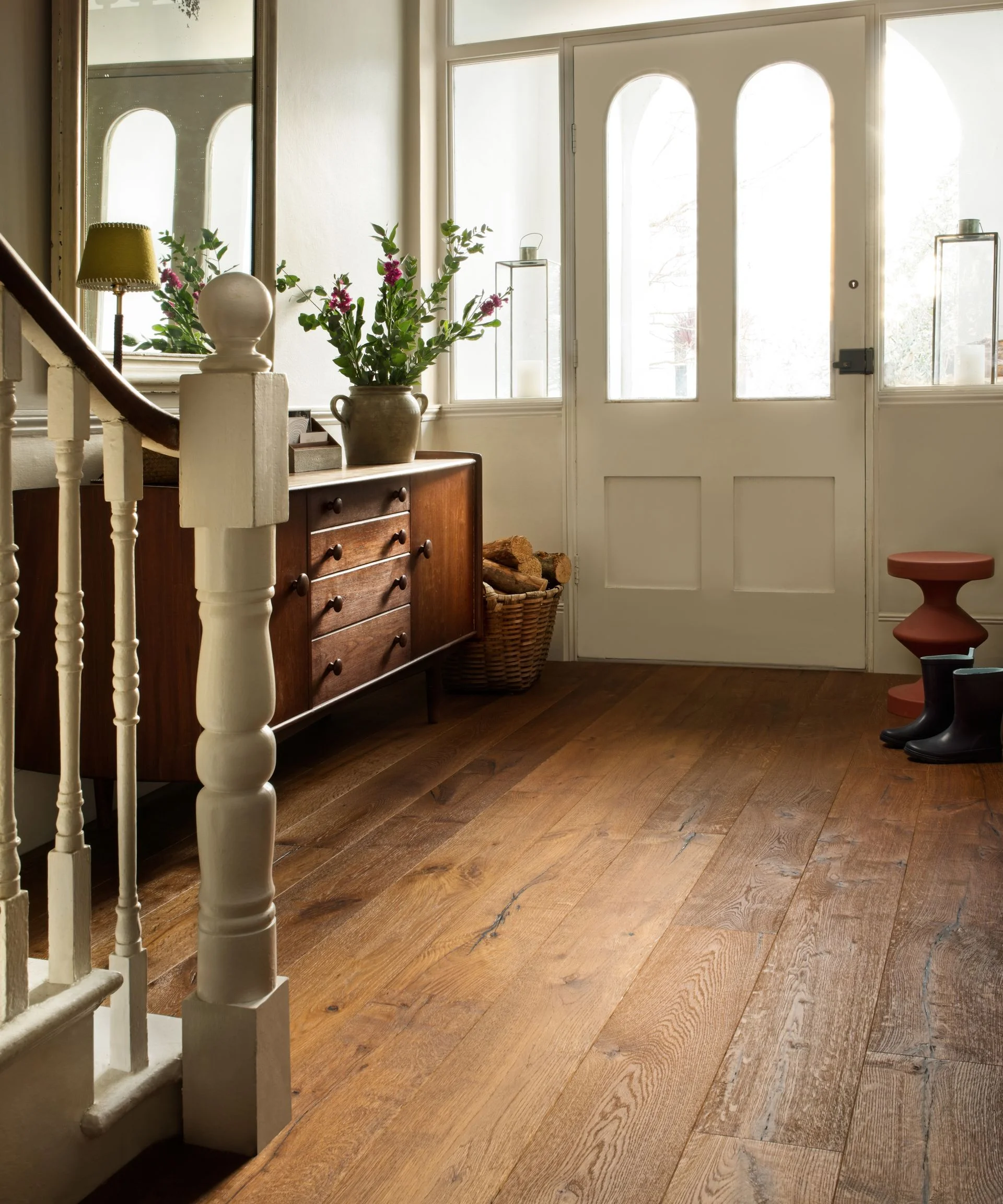
Many DIY enthusiasts rush into flooring installation without considering acclimatization, which can lead to significant errors. According to Robertson, it’s crucial to deliver the flooring to a well-prepared, weather-tight environment. Conditions must be stable—plastering and screeding should be complete, and the heating and ventilation systems should be operational.
During acclimatization, boxes of flooring should be stored flat, elevated from dampness, and shielded from direct heat. It's essential to refrain from opening all boxes unless advised by the manufacturer, as procedures can vary by product. The goal is to attain the correct moisture content before installation, highlighting the importance of adhering to the manufacturer's guidelines and regularly checking moisture content with tools like hygrometers.
Ian Tomlinson, Managing Director of Chaunceys Timber Flooring, emphasizes that timing varies based on wood type. For kiln-dried boards, a general timeframe is 10 to 14 days, while reclaimed timber can require up to four weeks.

Considering Engineered Wood Flooring
When it comes to engineered wooden flooring, the process is generally easier than with solid wood, but acclimatization remains necessary for best results. Robertson clarifies that engineered timber, due to its layered construction, typically requires less acclimatization than solid boards. However, it’s still crucial to store and handle it properly before installation. The specific acclimatization requirements will depend on the flooring type and manufacturer, making it essential to consult the provided guidelines.
Avoiding Other Common Mistakes
Acclimatization isn’t the only pitfall to watch out for when installing wooden flooring. Tomlinson lists several common mistakes, including:
- Poor subfloor preparation: Failing to clean, dry, and level the subfloor compromises the entire installation effort.
- Neglecting moisture checks: Ignoring underlying dampness can have long-term effects, like swelling or cupping in the floorboards, even months after installation.
- Forgetting expansion gaps: Wood expands and contracts with humidity changes, and without proper gaps, the floor can buckle.
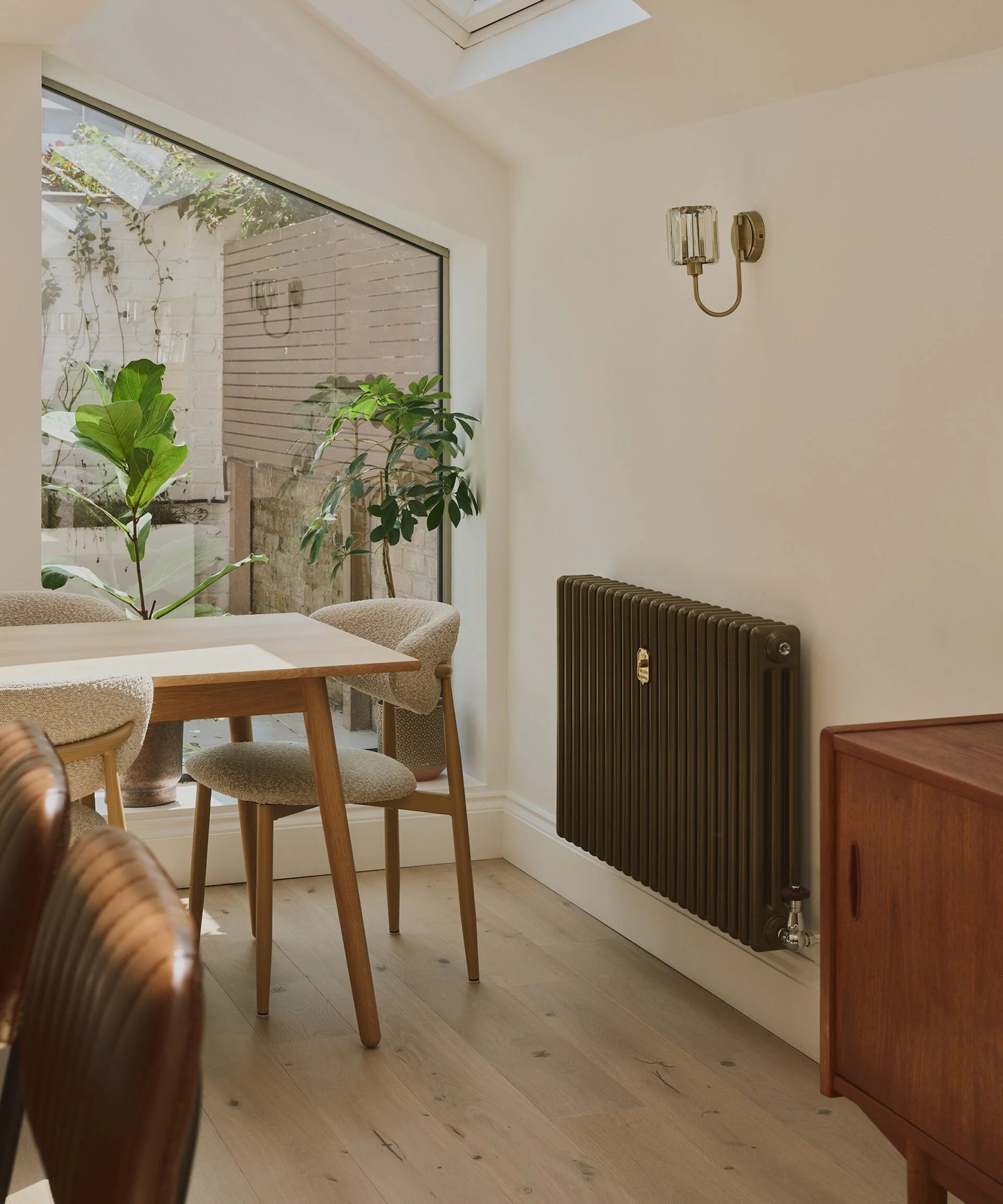
- Ignoring underfloor heating compatibility: Installing on underfloor heating without proper acclimatization or attention can lead to shrinkage or split boards.
To DIY or Not to DIY?
With these considerations in mind, the question of whether to tackle wooden flooring installation as a DIY project should be examined carefully. Natalie Mudd, co-founder of Knot & Grain, suggests weighing your skills and experience against the complexity of the job. While a DIY installation can be gratifying, a professional ensures a flawless and enduring result. If you have the skills, however, learning to install the flooring can be a rewarding experience. Just ensure you're well-informed about all the steps to avoid issues down the line.
When considering the installation of wooden flooring in conjunction with underfloor heating, it’s vital to assess compatibility with both the heating and flooring systems to prevent complications.

Discussion
Sign in to join the discussion.