Discover the practicalities of plug-in solar panels through a firsthand account, assessing setup, performance, and long-term savings.
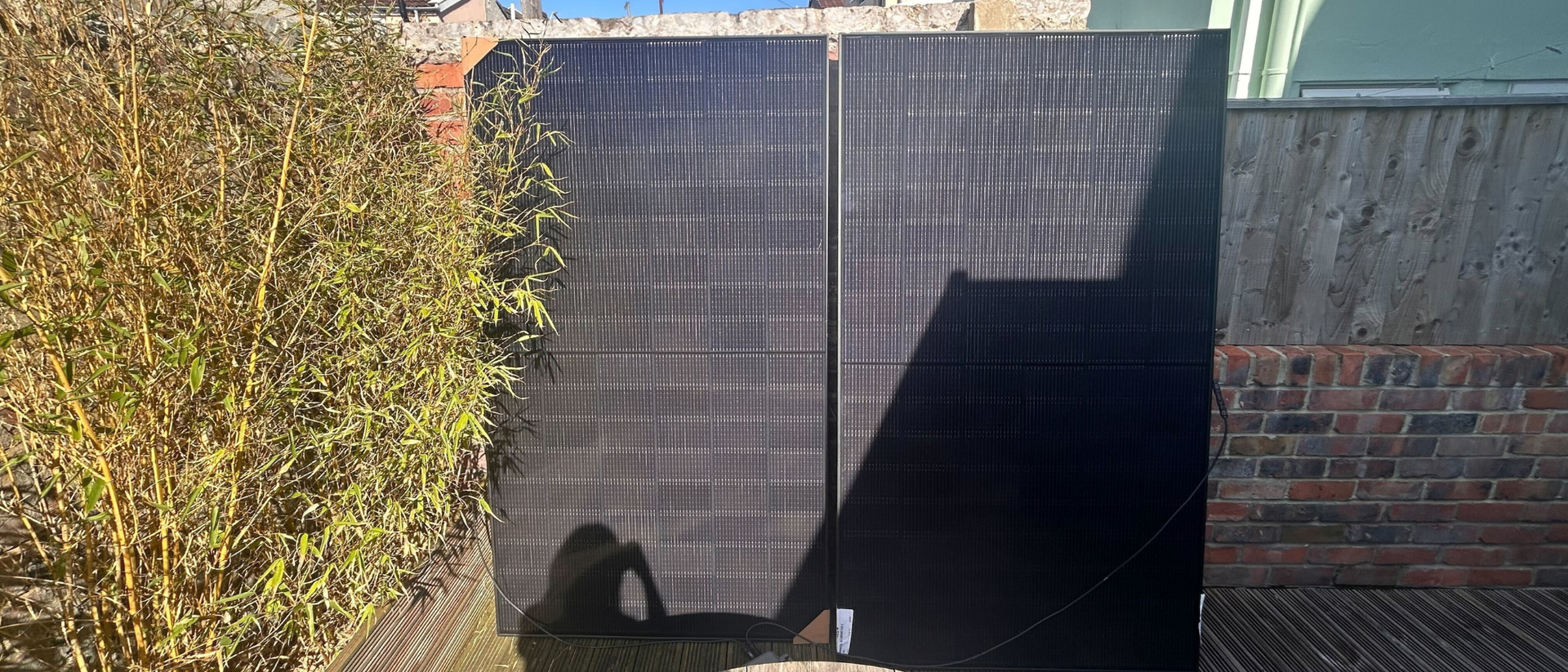
The recent legalization of plug-in solar panels in the UK marks a significant shift in energy accessibility for homeowners. I had the opportunity to test the UKSOL Pro Duo Plug-In 890W Solar Kit in my own garden, revealing both its advantages and limitations in practical use. As energy costs continue to rise and environmental awareness increases, this kind of technology is becoming ever more relevant for everyday homeowners. But, how effective is it really?
Specifications of the UKSOL Pro Duo Plug-In 890W Solar Kit
Dimensions |
H113 x W352 x D3cm |
Weight |
74.5kg |
AC Output |
230V |
Number of Panels |
2 |
Cable Length |
2m |
Warranty |
10 years |
Efficiency |
22.3% module efficiency |
Price |
£849 |
First Impressions and Setup of the UKSOL Pro Duo Plug-In 890W Solar Kit
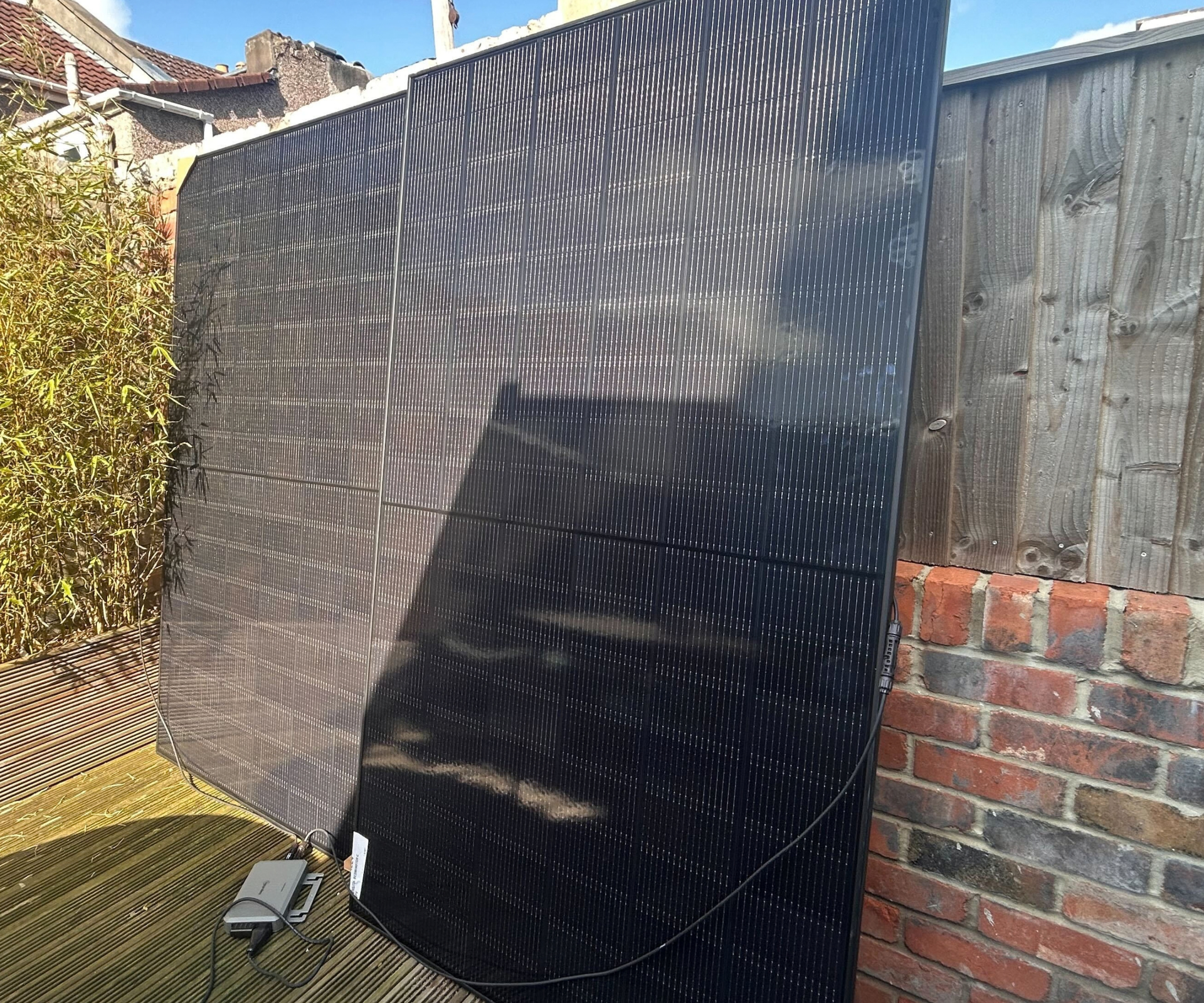
The dimensions of the panels — measuring H113 x W352 x D3cm — were quite large for my modest garden, but I proceeded with the installation to evaluate their energy-saving potential. The kit arrived well-packaged, complete with an 800W smart microinverter, 4m AC connection cable, and a user-friendly manual. These elements are crucial for any user to ensure an efficient setup experience.
Due to their weight of 74.5kg, maneuvering the panels into the garden required some assistance, highlighting an important consideration for those with smaller frames. Lifting such heavy equipment can be challenging and may deter some potential users who cannot rely on an extra set of hands. Before installation, I ensured the outdoor socket met the necessary requirements and registered the setup with my local Distribution Network Operator using the G98 notification process. This kind of compliance is often overlooked but is essential for safe operation and adherence to regulations.
The clear setup instructions allowed for a remarkably quick installation – we had the system operational in about five minutes. Even those unfamiliar with electrical systems can manage the setup easily, dispelling any intimidation that might arise. A well-intended effort here; simplicity doesn't always translate to efficacy, but in this case, it does feel effective.
Connecting the panels to the accompanying app was a seamless experience, providing real-time tracking of energy savings and production metrics right at my fingertips. However, it’s essential to have a dedicated outdoor socket, as an extension lead isn’t permitted. This is a nuance that could surprise users expecting to plug into the nearest socket. Fortunately, the included cable length was sufficient for my garden layout, making placement straightforward.
Performance and Potential Savings of the UKSOL Pro Duo Plug-In 890W Solar Kit
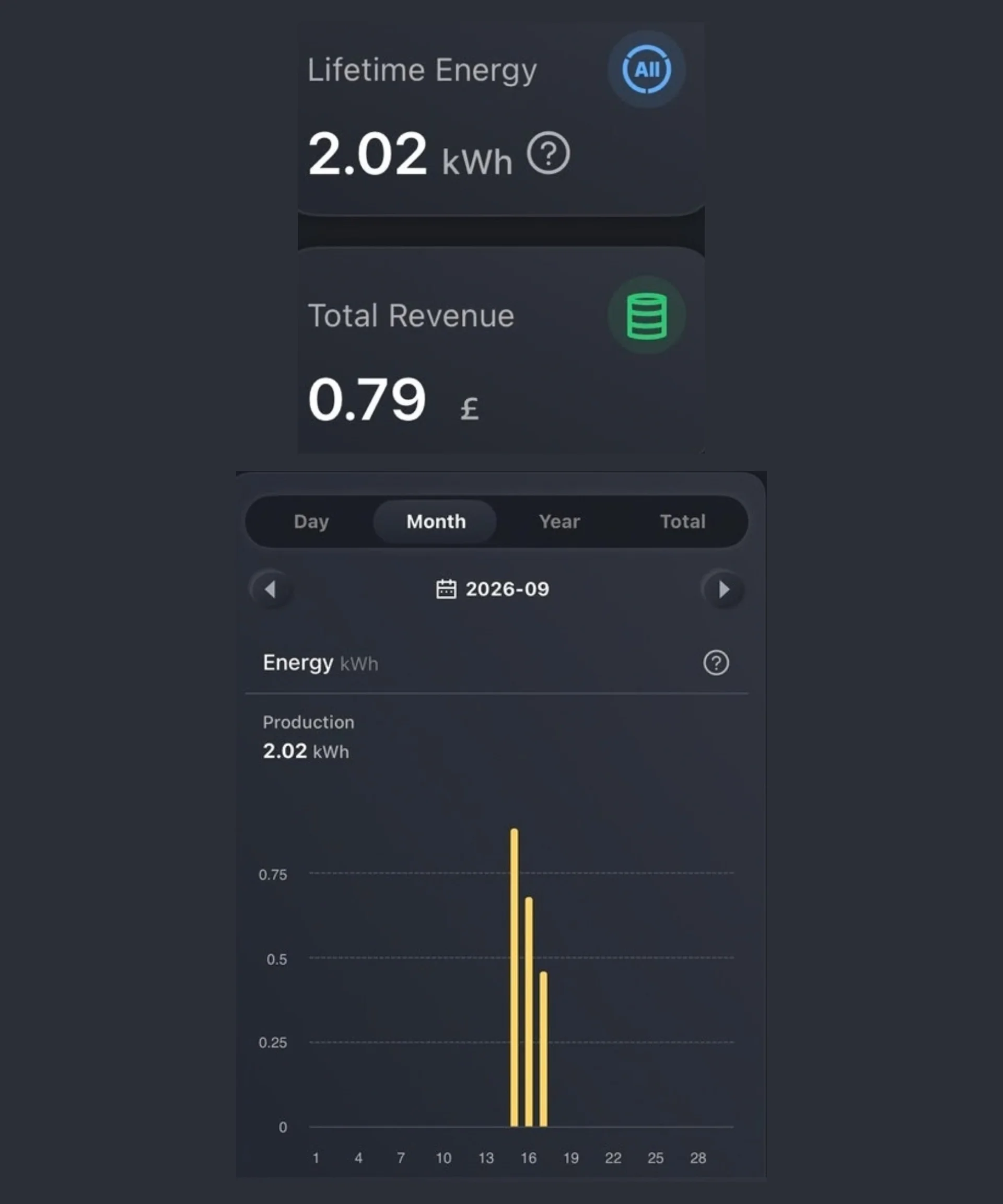
After linking the app, I began monitoring the energy generated, noting the savings accumulating in real time – an unexpectedly exciting feature. This sort of dashboard enables users to engage more deeply with their energy consumption, which might just inspire energy conservation habits over time. The app’s dashboard provided insights such as daily energy output, lifetime generation statistics, and total savings since installation.
To illustrate the earning potential, my three-bedroom terraced house generated 2.02 kWh over a three-day period in mid-September, amounting to a modest revenue of £0.79. While the numbers are low now, they have implications; continual monitoring can manifest into more significant gains with increased sunlight exposure during various seasons. According to estimates from Macbrook Gas, these panels could save homeowners up to £150 annually, which can vary widely depending on sunlight exposure and individual energy consumption habits. With an initial investment of £849, the payback period extends to about 5.66 years based on the projected savings. This timeline may seem extended; however, it does provide a clear picture of long-term energy gains.
While the potential return may seem limited at first glance, even small savings contribute positively to larger energy conservation efforts. Every little bit counts, and I found interested relatives who were eager to adopt the panels and will provide feedback on their performance over several months and under diverse seasonal conditions. The real-world data generated could inform future decisions and updates in the evolving market of solar energy.
Final Verdict on the UKSOL Pro Duo Plug-In 890W Solar Kit
So, should you consider investing in these plug-in solar panels? If your garden can accommodate them and you appreciate any form of savings, they might be worthwhile. The simplicity of installation rivals that of common household appliances, and the satisfaction of watching your savings grow—however minor—can be surprisingly gratifying. That's a sentiment I hadn’t expected.
That said, personally, these panels don’t quite fit my current needs due to their size and the upfront expense of £849 for modest returns. I can't ignore how that amount sits with the anticipated evolution of smaller plug-in models. As technology improves, they would likely occupy much less space in crowded gardens, directly addressing the concerns of potential buyers in urban environments. For now, though, I see these as a stopgap for those eager for solar energy without a major roof installation.
If you're working in this space, or considering solar options, it's valuable to keep an eye on the market's trajectory. Consumer preferences and technological advancements will undoubtedly shape what's available in the near future. For further insights, check out these facts about plug-in solar panels or explore where to purchase them.
Future Outlook on Plug-In Solar Technology
The implications of plug-in solar technology extend beyond individual households. As the UK pushes for more sustainable energy solutions, the democratization of solar energy starts to play a pivotal role. In cities where space is limited, plug-in systems can empower renters and homeowners alike to contribute to energy production without the need for significant structural changes. While the savings reported are relatively minor, the overall impact on collective energy consumption can shift public sentiment toward sustainability. More importantly, as market adoption increases, we might see manufacturers ramping up innovation, shrinking the costs while enhancing efficiency. The future could see not just larger installations but also sleek and compact models that appeal to a wider audience.


Discussion
Sign in to join the discussion.