Air conditioners can remove moisture in dry mode, but a dedicated dehumidifier is usually cheaper and more practical for tackling damp.
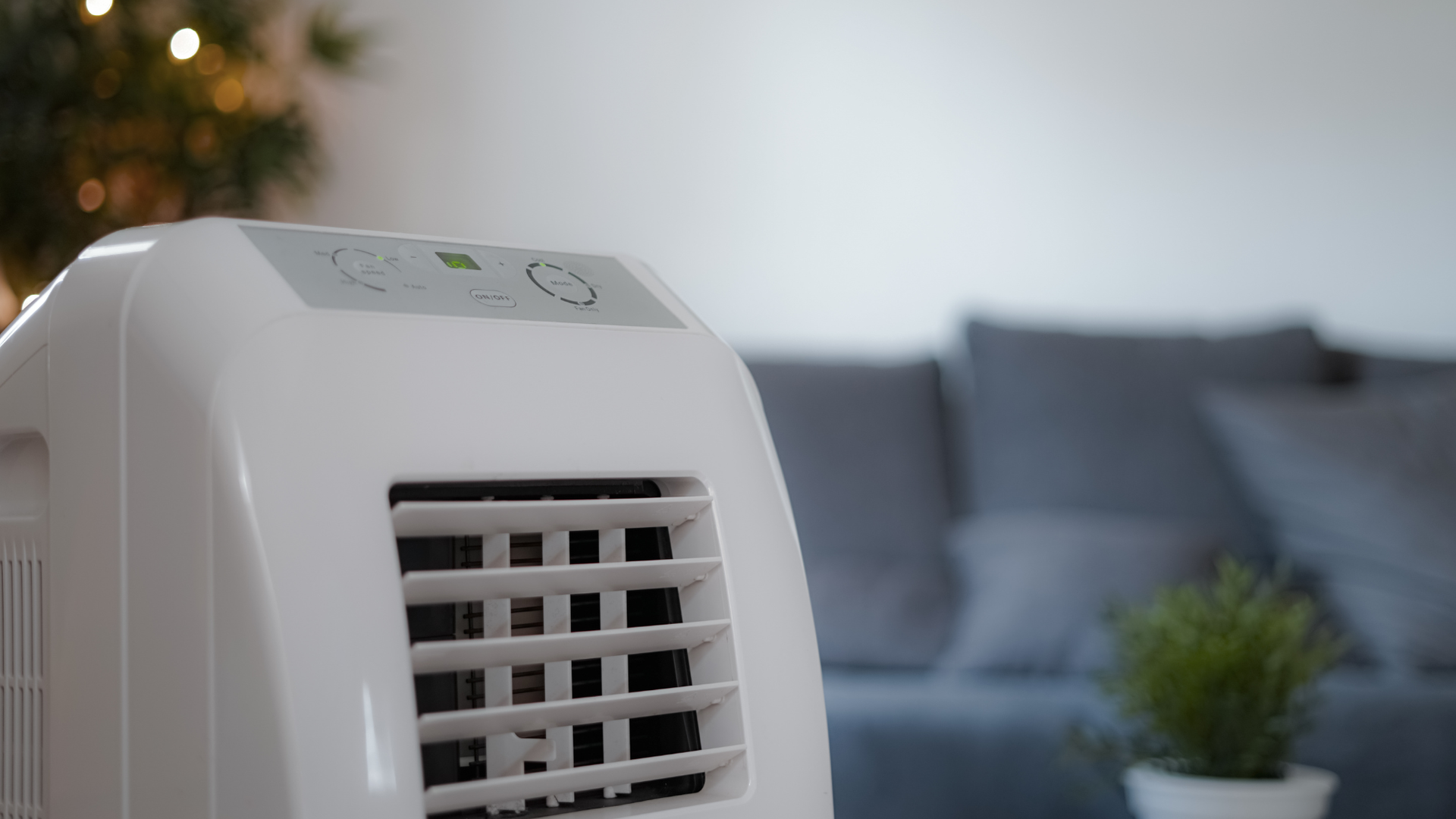
An air conditioner can remove moisture from indoor air, but that doesn’t make it the best tool for tackling damp. If humidity control is the main goal, a dedicated dehumidifier is usually the more practical and economical choice; an existing air conditioner’s drying mode can still be useful for occasional moisture reduction. The distinction matters because lowering humidity and cooling a room are related tasks, but they aren’t the same job. An appliance may do both, yet the running cost and comfort trade-offs depend on how you use it.
When an air conditioner can help
Some air conditioning units include a separate “drying” or dehumidifier mode. VonHaus Head of Ecommerce Laura Bradbury says this setting removes excess moisture without cooling the room as much as normal air conditioning. That can make it handy when a room feels clammy but doesn’t need a full cooling cycle. The exact effect will depend on the unit, so the mode’s name alone doesn’t tell you how much moisture it can remove.
The process is straightforward: humid air passes over cold evaporator coils, where water vapour condenses into droplets. The unit drains the water through a hose or collects it in a tank, depending on the model. This is the same basic condensation principle used by many dehumidifiers, though the appliances may differ in how they manage heat, airflow and collected water. In practice, you’ll want to check whether your model needs regular tank emptying or a drain connection.
That makes a drying mode worth checking if you already own an air conditioner. It may let you manage humidity without buying another appliance. Here's the thing: convenience is its strongest case. If the damp feeling is occasional, using a feature already built into the unit may be enough to make the room more comfortable.
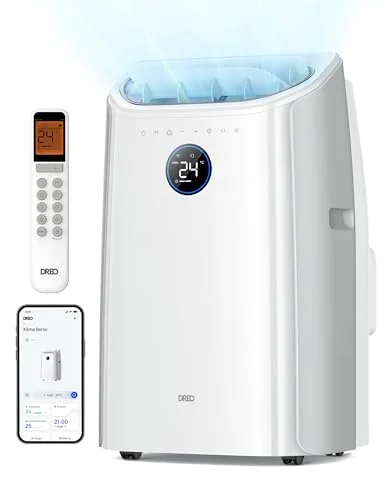
This three-in-one unit will cool, heat and dehumidify your home, and features app control, a timer function and a quiet mode.
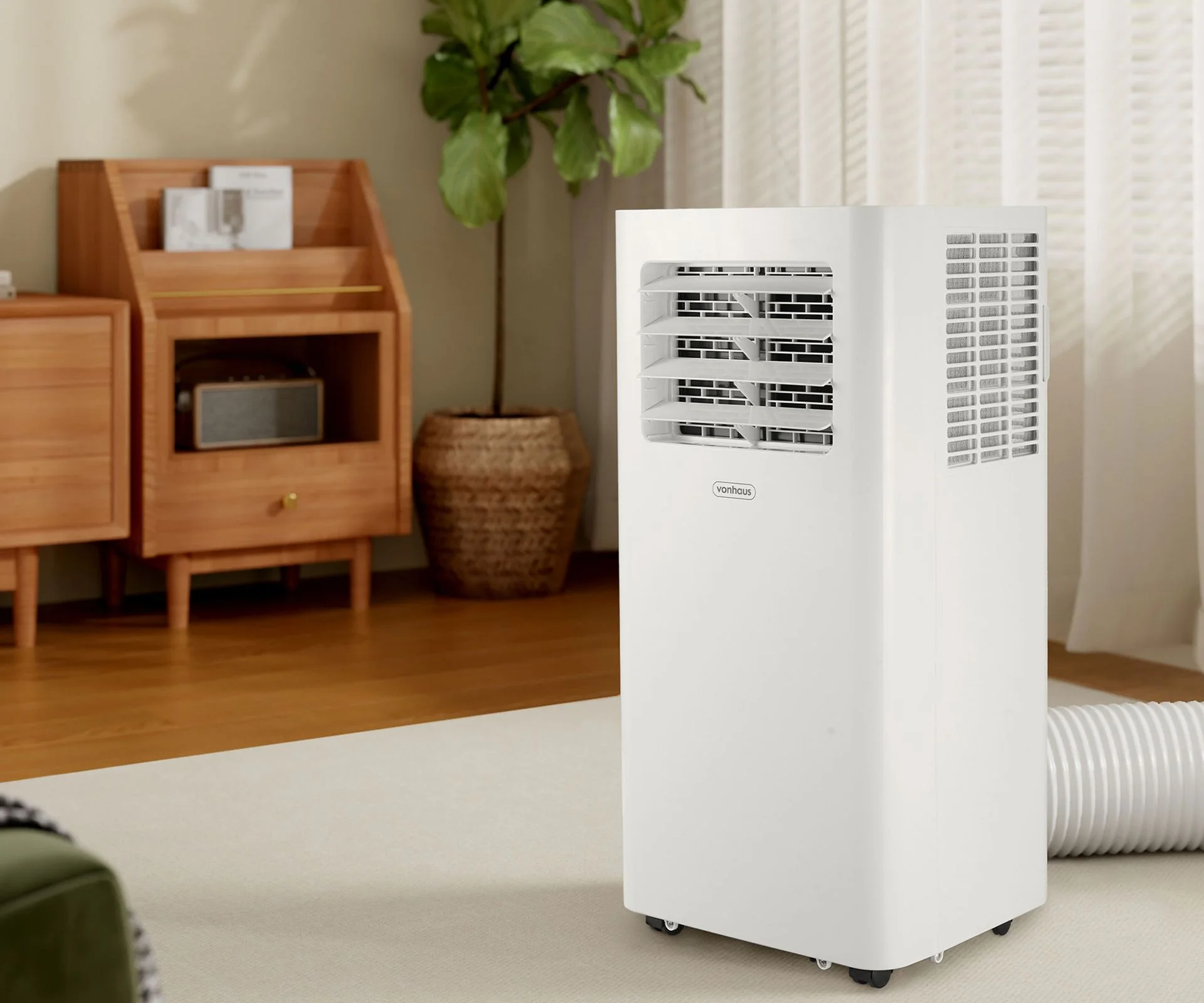
A dehumidifier is usually the better fit
Elite Renewables founder Martyn Fowler recommends a standalone dehumidifier when moisture removal is the priority. Running an air conditioner’s cooling function in cold weather can make a room uncomfortable and work against the heating already keeping it warm. That trade-off is easy to miss if you focus only on the fact that air conditioning removes water from the air. A room can become less humid while also becoming colder than you want.
Air conditioning can serve more than one purpose: a reverse-cycle system can cool in summer and heat in winter. But if you mainly want to reduce humidity, a dehumidifier is a smaller purchase and is generally the more direct option. It’s designed around moisture removal, so there’s less reason to run a cooling function when temperature control isn’t part of the problem. This is more significant than it looks: the right appliance is the one that matches the job, not simply the one with the longest feature list.
Neither appliance fixes the underlying cause of damp. Fowler advises identifying and addressing the source of excess moisture, since both devices treat its effects rather than the cause. Persistent damp may be connected to how moisture is entering or building up in the home, and drying the air won’t resolve that source by itself. The appliances can help manage indoor conditions while you investigate, but that’s a different outcome from preventing the problem from returning.
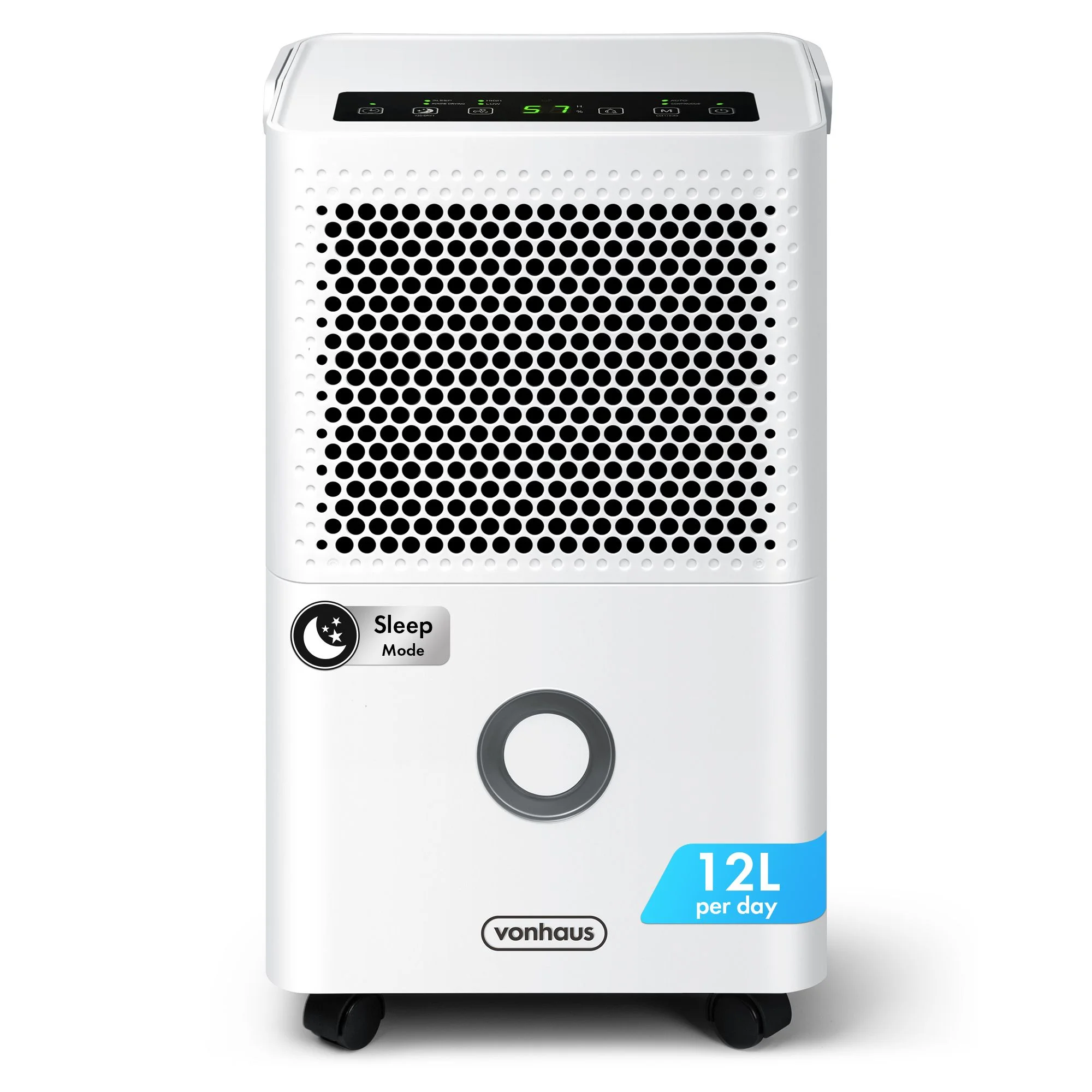
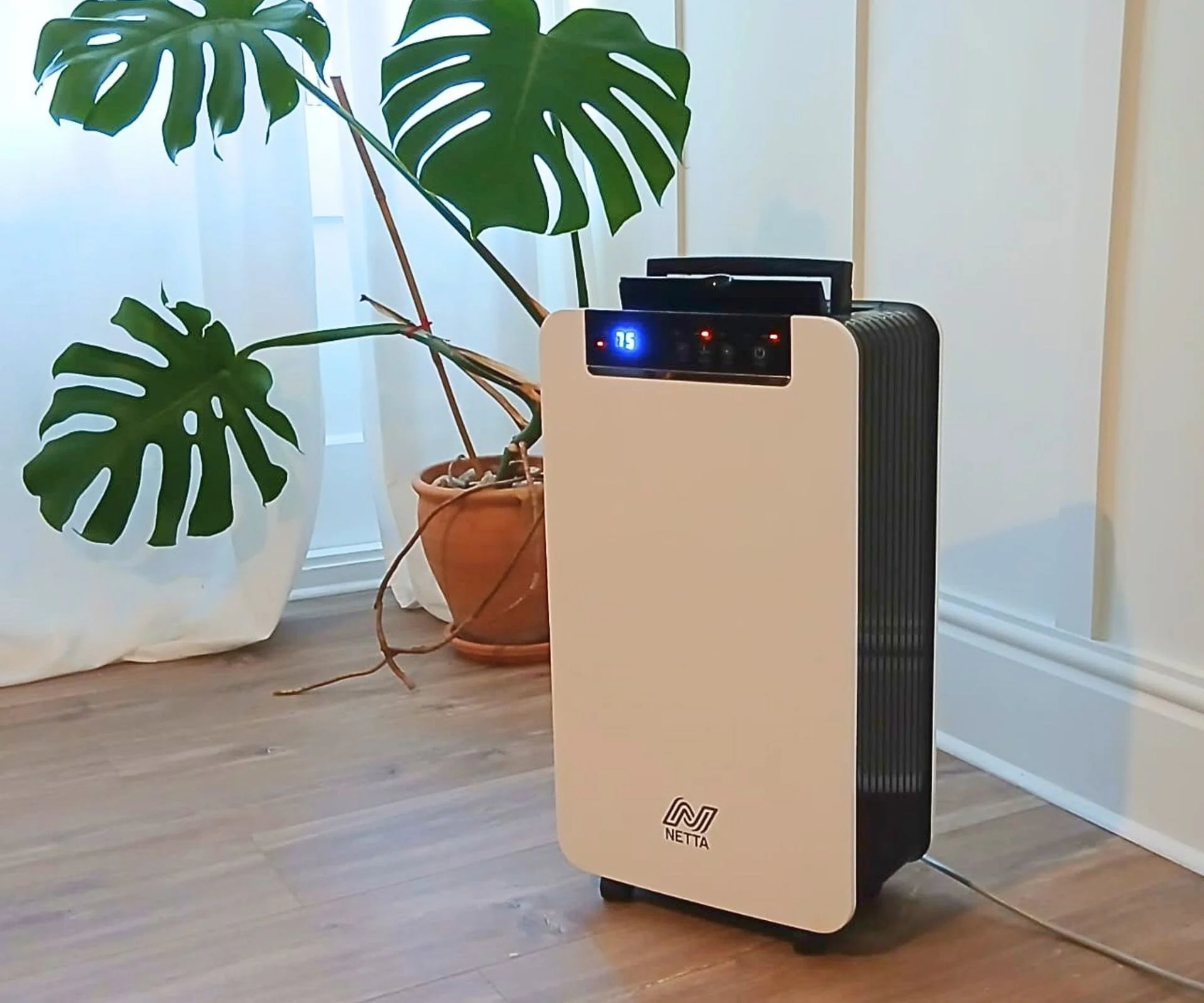
After testing this budget-friendly dehumidifier, I was impressed with its easy setup, portable design, and ability to double as an air purifier.
Running costs depend on the job
Bradbury says a dehumidifier will, in most cases, cost less per hour to run than a portable air conditioner. The actual cost varies with the model, settings, electricity tariff and run time. A headline hourly comparison can only tell part of the story, because two appliances may be doing different amounts of work under different conditions. If you’re comparing options, consider how often you’ll run the appliance and whether you need cooling as well as moisture removal.
Fowler adds that system efficiency depends on the conditions and the temperature target. Cooling a home from 30°C to 21°C is a different task from heating it to 21°C when outdoor temperatures are 5°C. In colder weather, efficiency can fall as the system has to defrost its outdoor coil. That means the same system may perform differently across seasons, and a simple claim that one type always costs less won’t capture the whole picture. The practical question is what the appliance needs to do in your room, at the time you’ll use it.
Check humidity and adjust run time
There’s no universal schedule for using an air conditioner to reduce humidity. Fowler suggests running it for an hour or two, then checking the room’s humidity. The right duration depends on the starting moisture level and the unit. Treat that interval as a prompt to measure and reassess, rather than a fixed routine; rooms and appliances won’t all respond at the same rate.
Aim for relative humidity of about 40% to 60%. A hygrometer can track both humidity and temperature, helping you see whether the room needs more treatment. It also gives you a way to judge whether a change in comfort corresponds with a change in moisture, instead of relying on how the air feels alone. If the reading remains high, you can consider whether the appliance needs more time or whether the source of moisture needs attention.
If you already have an air conditioner, check whether it offers a drying mode before purchasing a separate appliance. For regular humidity control, a dehumidifier is generally the more cost-effective choice—and lasting results still depend on finding the source of the moisture. That said, there’s no substitute for matching the equipment to the pattern: occasional clamminess may call for a short drying cycle, while repeated damp conditions call for a closer look at both the room and the appliance’s running costs.
What this means for your home
If you're working out what to buy, start with the problem you’re trying to solve. A drying mode can be a sensible first step when you already own an air conditioner and only need occasional moisture reduction. For sustained humidity control, a dedicated dehumidifier is usually the clearer fit, particularly when cooling the room would be uncomfortable or unnecessary.
And yet. Even the right appliance can only manage indoor moisture, not explain it away. Monitor humidity, weigh the cost of regular use, and look for the source if damp keeps returning (and this is the part most people overlook). A quick measurement. That gives you a more useful basis for deciding whether the existing unit is enough or a dedicated machine makes sense.
Found this helpful? You may want to learn the difference between wall-mounted vs portable air conditioners or find out whether a cooling fan can reduce condensation.


Discussion
Sign in to join the discussion.