From a responsive wool panda to a birdsong door chime, five designs use touch, light, nature, sound and play to make everyday routines more intentional.
These five products make a case for a different measure of good design: how an object changes the quality of an ordinary moment. Their roles range from companionship and plant care to lighting, door alerts and emotional communication. Each puts sensory experience and human connection near the center of its design.
That shift matters as digital tools make many routines faster and more task-focused. A useful product can still do more than complete a task; it can make someone pause, pay attention or feel at ease. These designs suggest that “slow living” needn’t mean rejecting technology. It can mean shaping interactions so they feel more human.
Companionship designed for touch

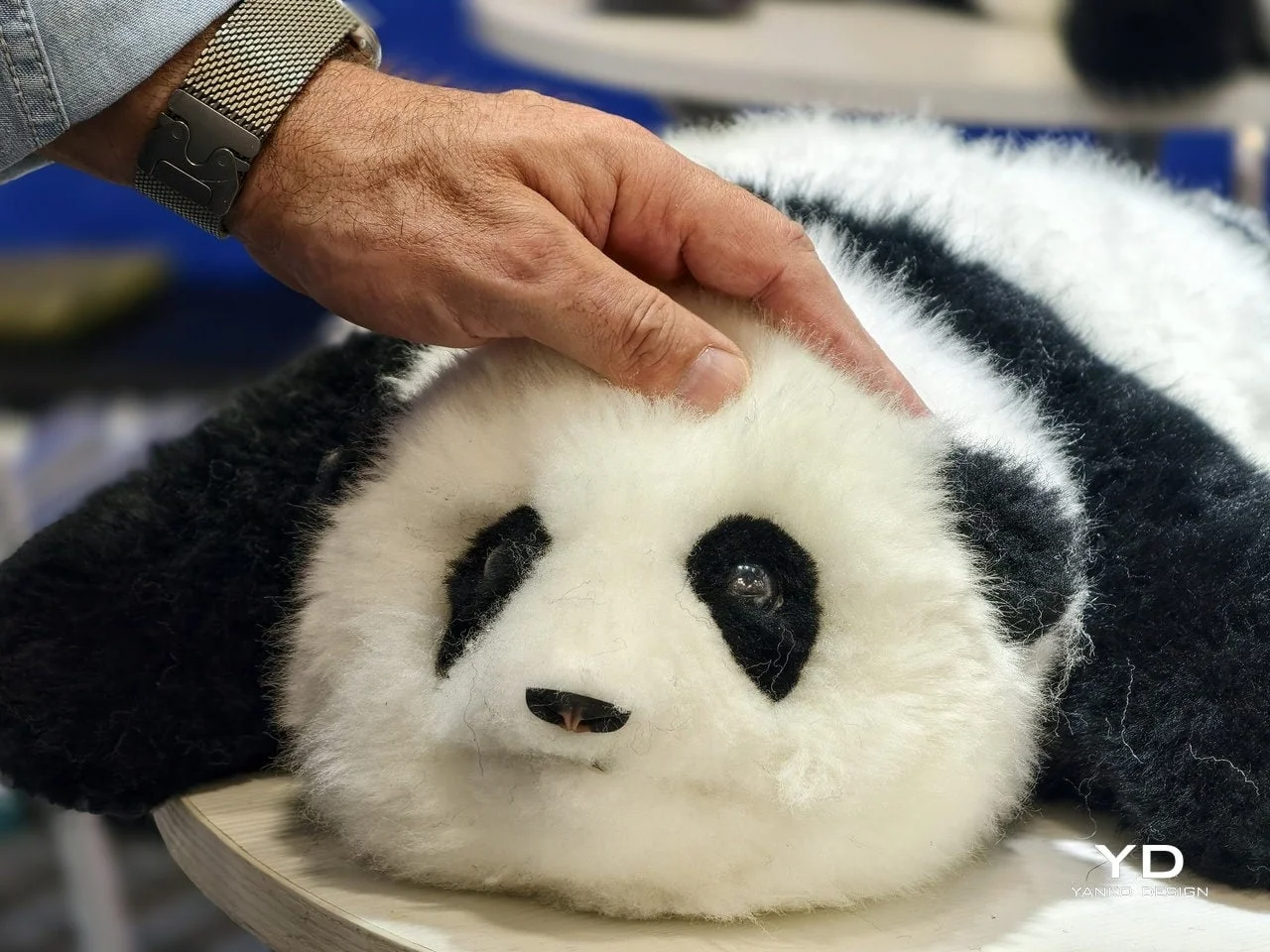
An’An addresses a quiet problem in homes where older adults live alone: everyday interaction can be scarce. Video calls and smart speakers help people communicate, but they typically wait for someone to initiate a task. An’An takes a different approach, offering a panda-shaped companion intended to provide a comforting presence without requiring a prompt or conversation.
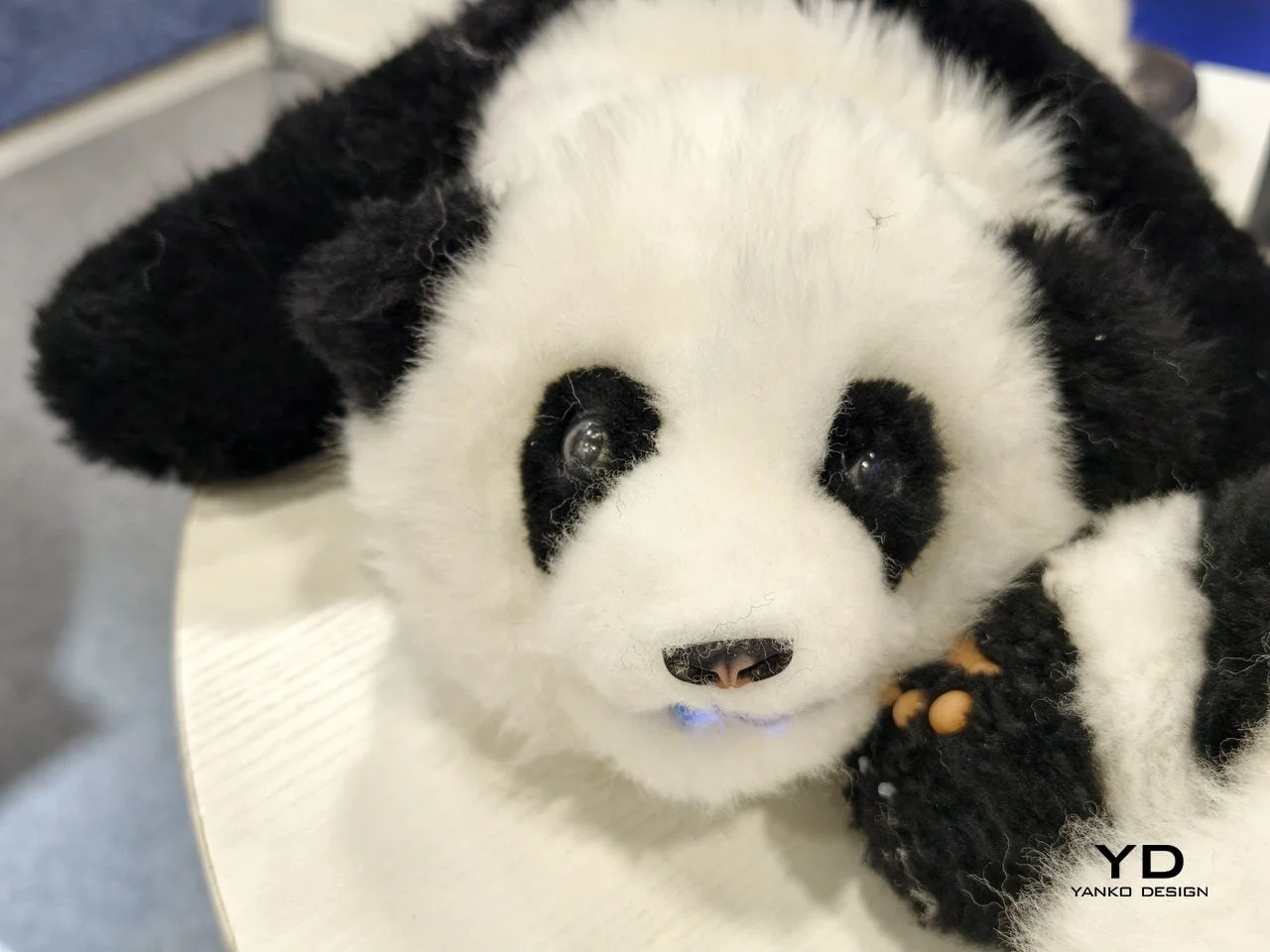
Its Australian wool and sheepskin construction makes touch central to the experience. The soft, biomimetic form is meant to invite holding and stroking, while its appearance avoids the clinical cues often associated with care equipment. That choice could make the object easier to keep in a living room and reach for during an isolated or difficult moment.
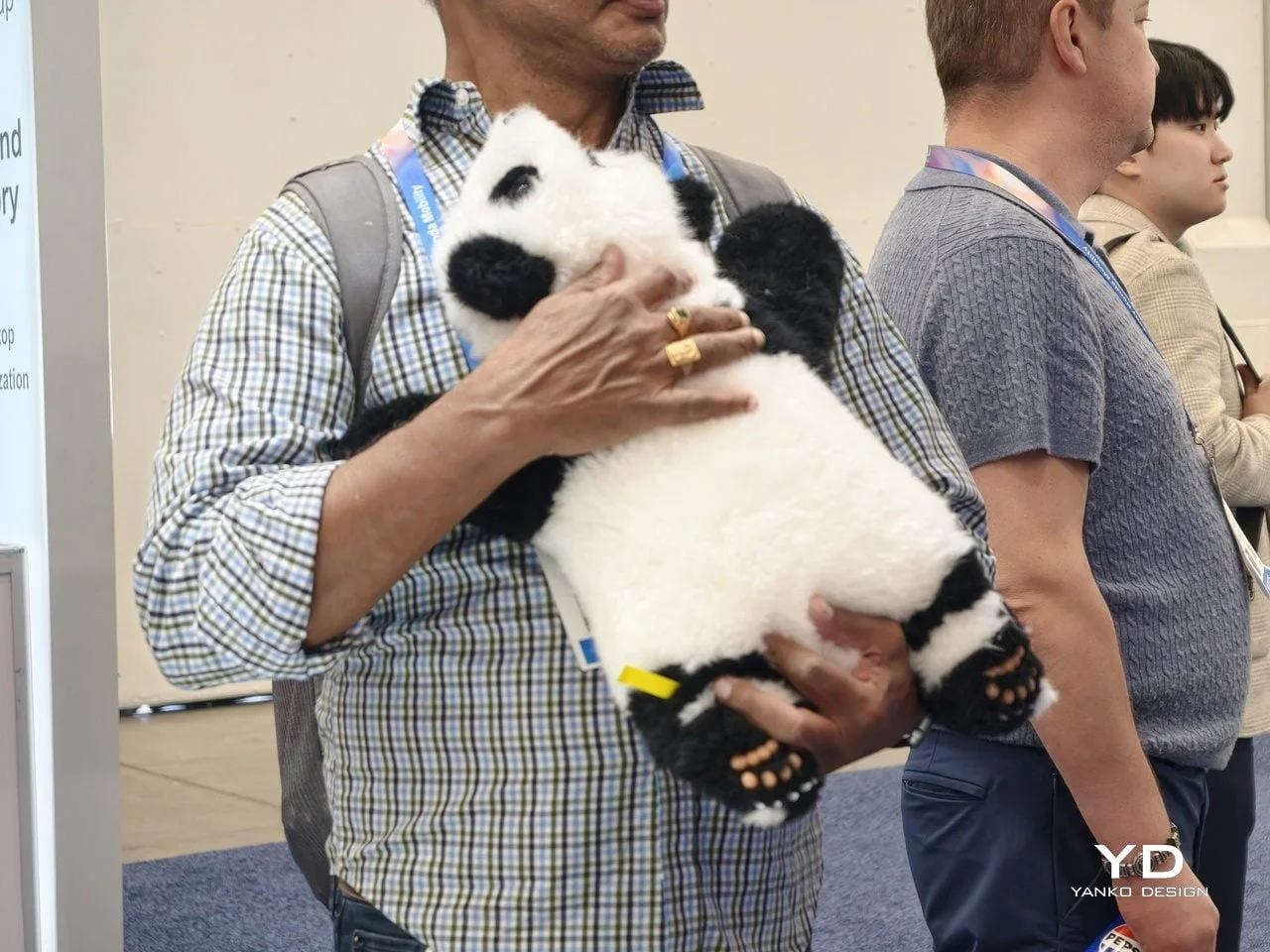
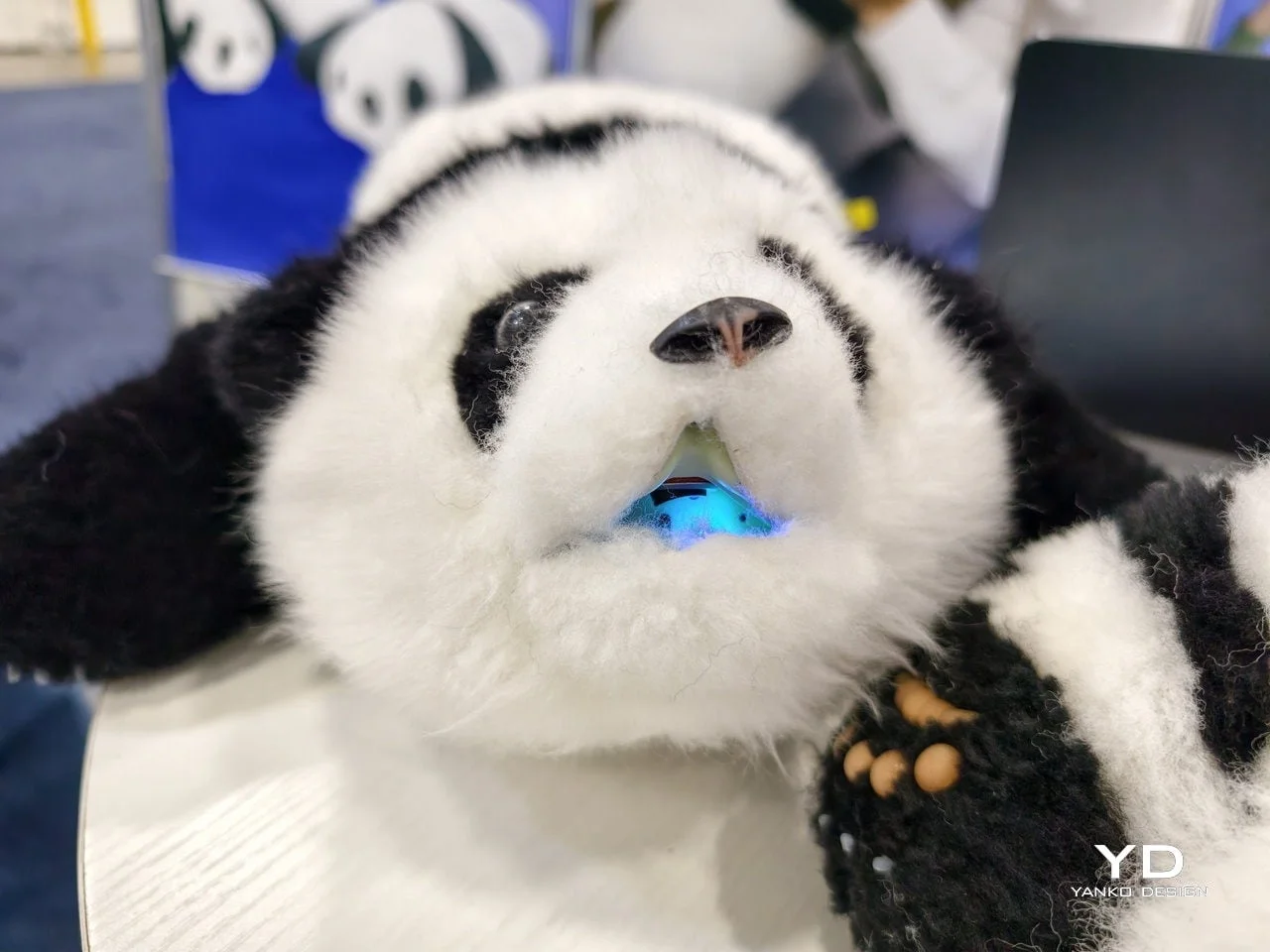

Inside, tactile sensors and affective AI let An’An recognize touch patterns, respond to voice cues and build a longer-term memory of a user’s habits and moods. The design is intended to adjust its interactions over time and offer gentle engagement rather than repeat a fixed script. It also supports offline use, rechargeable power and secure data handling. The broader idea is companionship that develops through familiar, low-pressure contact. Whether that promise holds in day-to-day use will depend on how naturally the responses fit each person’s routines.
Light shaped by natural forms
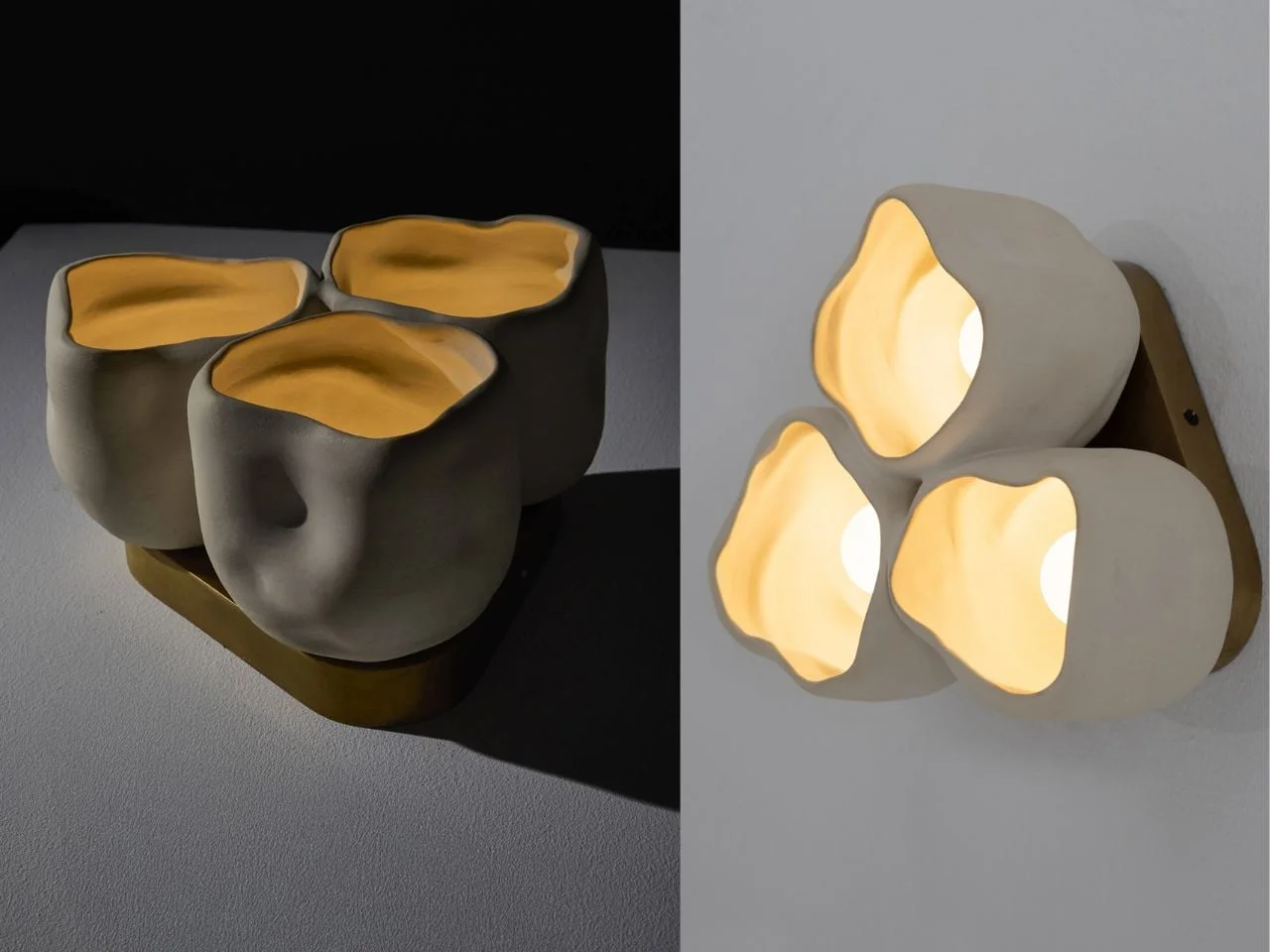
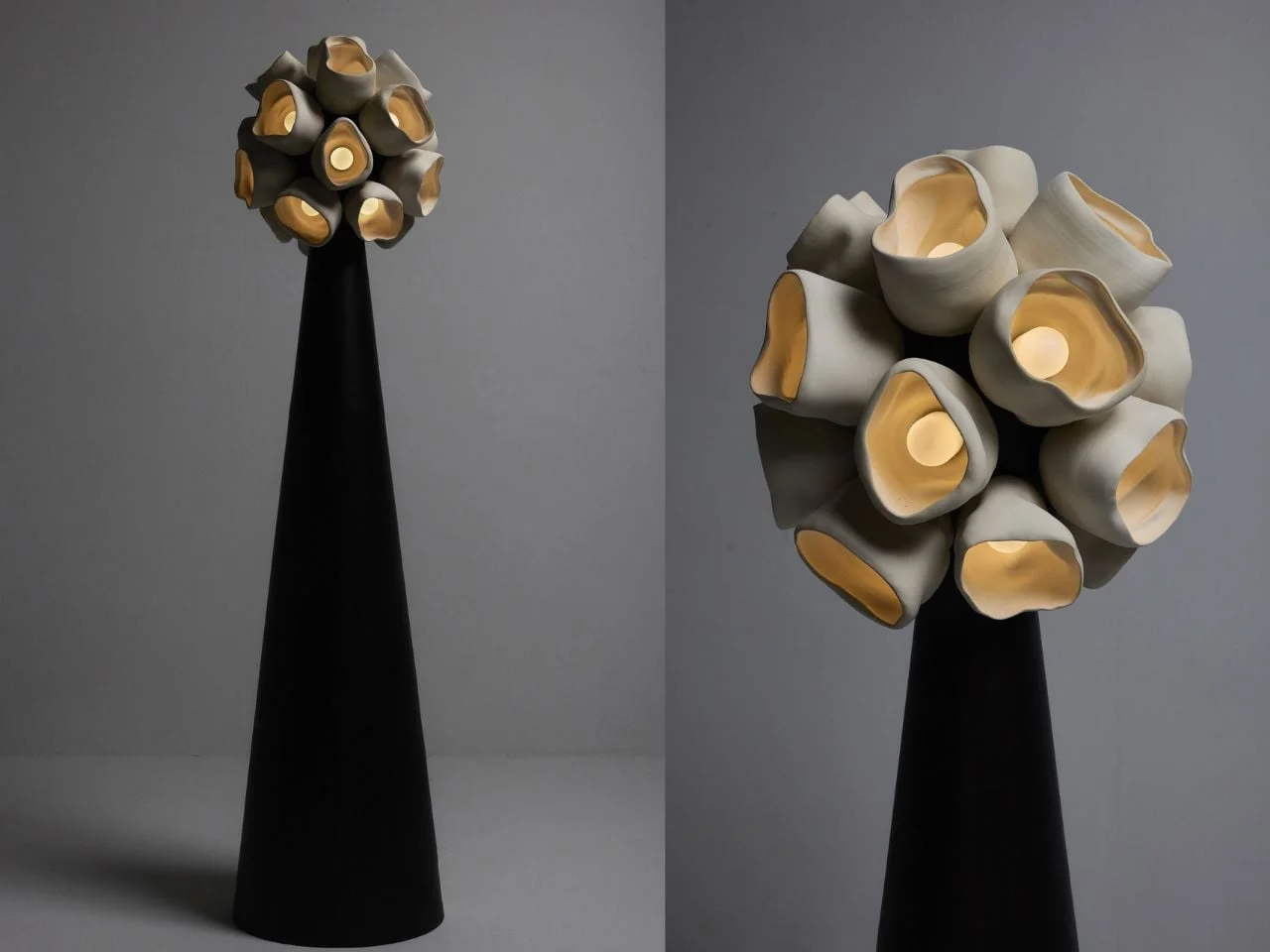
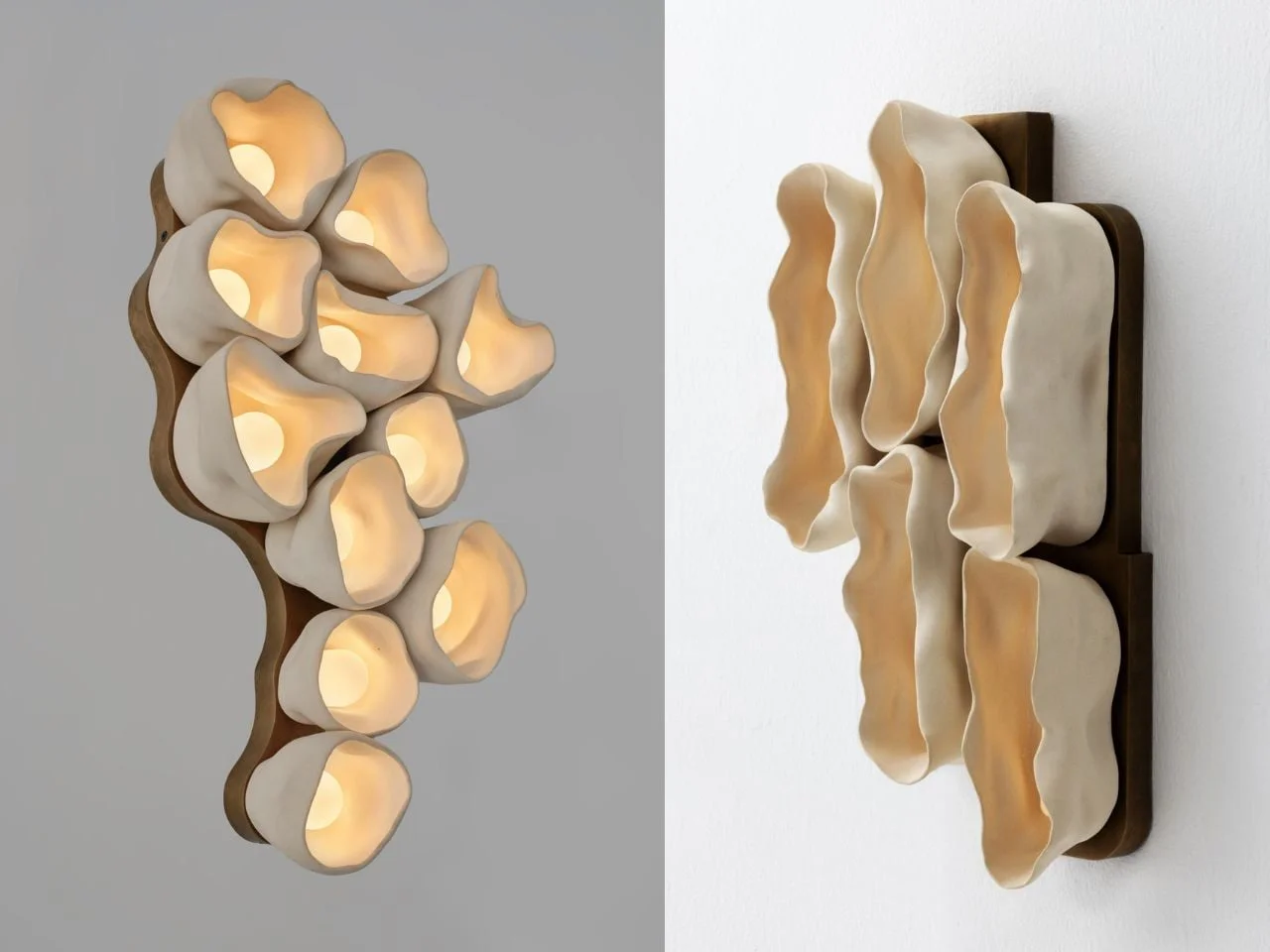
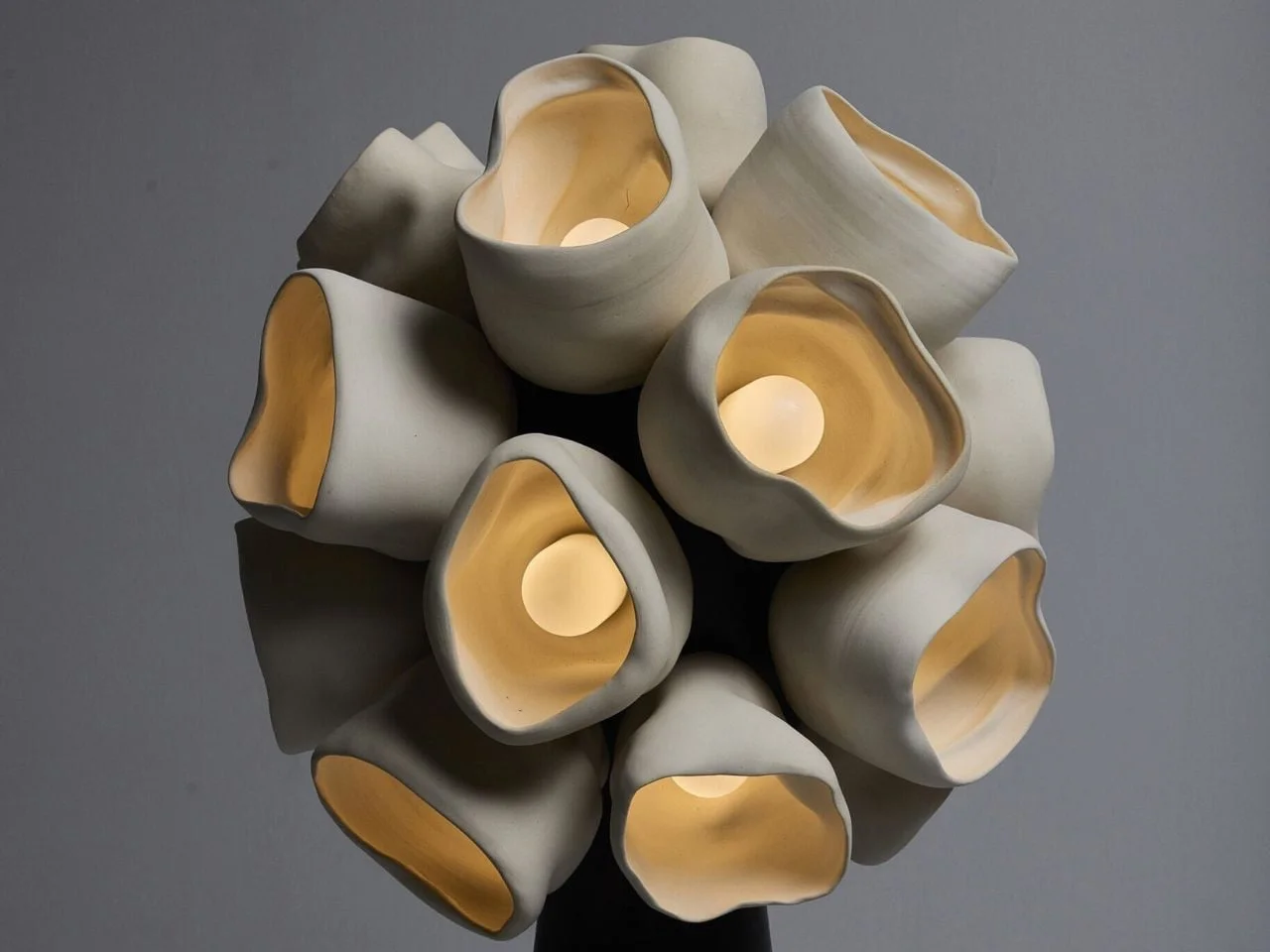
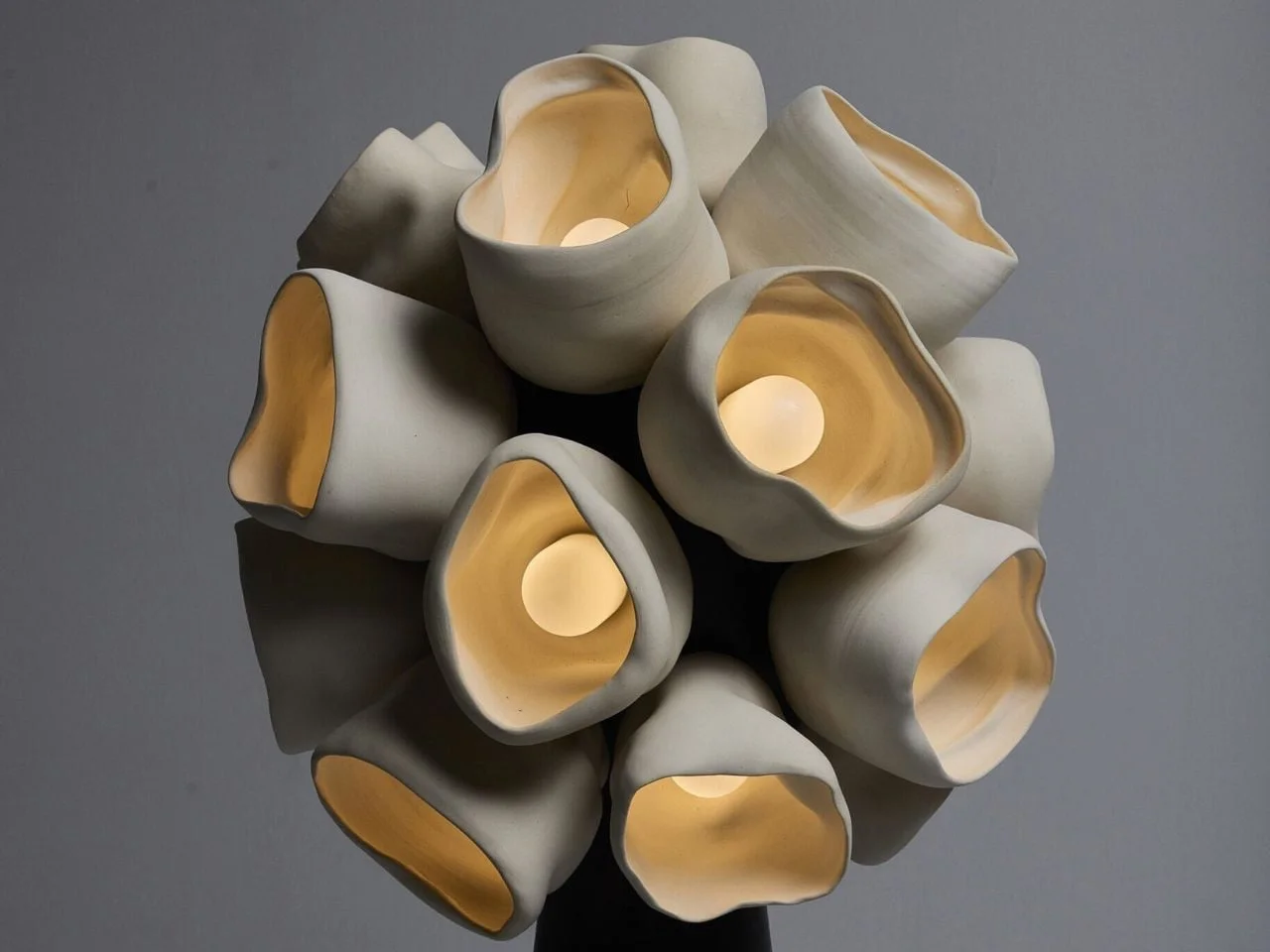
The Vessels collection sees designer Nader Gammas move from bold architectural lighting toward softer, more organic forms. Cup fungi provide the reference: their clustered growth and rippled edges inform ceramic lights that look as if they emerged through natural processes rather than strict geometry.
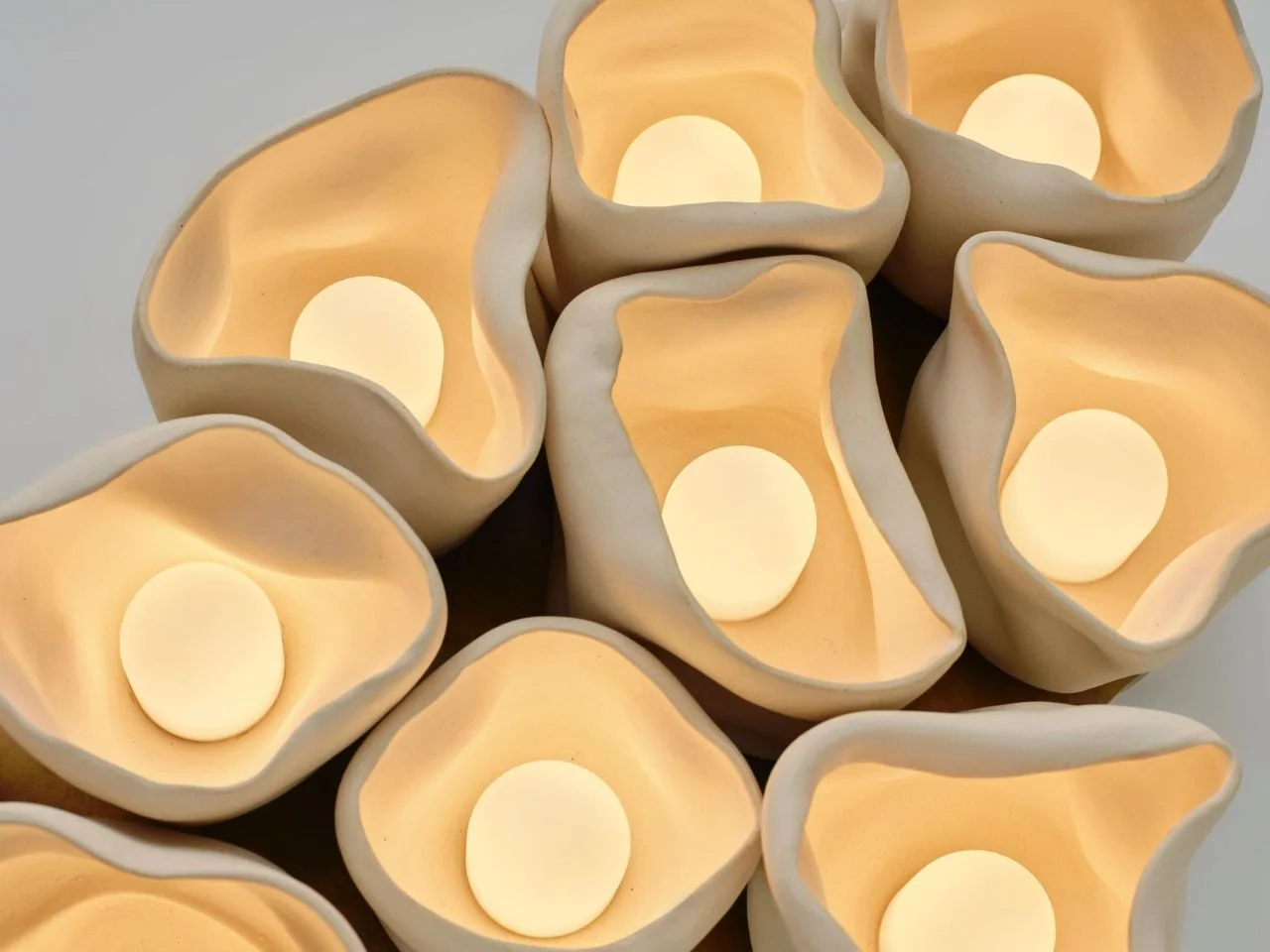
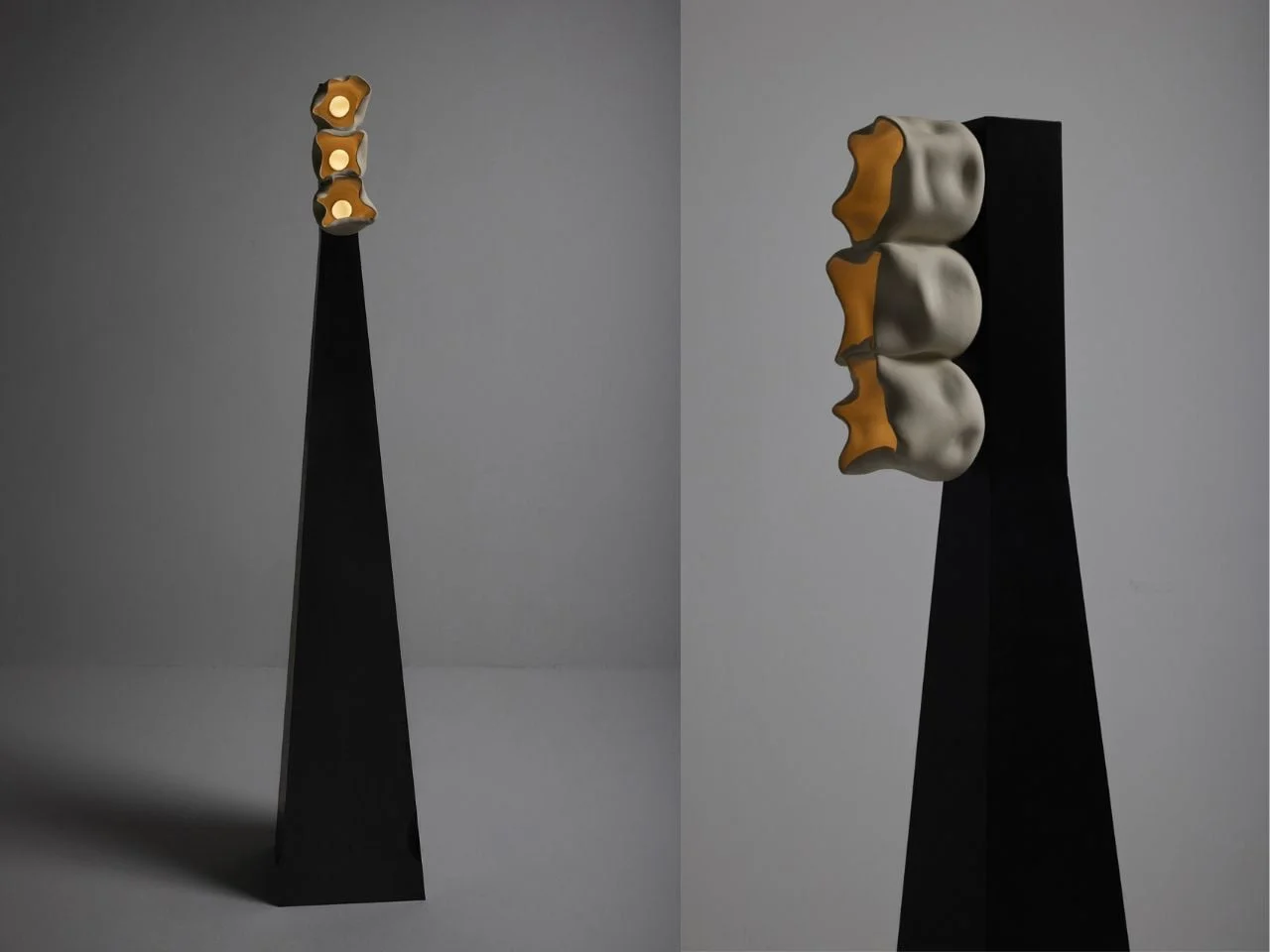
The ceramic surfaces filter light into a subdued glow, making the material part of the lighting effect rather than a shell around it. Each vessel is shaped by hand without a mold, so proportions and small imperfections vary from piece to piece. Brass appears as a restrained accent. That mix of handmade variation and gentle illumination gives the collection its character: it asks a room’s light to set a mood, not simply brighten a space.
Giving plant care a physical signal
Plants communicate through subtle changes that can be hard for people to read. The BioCollar, developed by students at the Copenhagen Institute of Interaction Design, turns some of those signals into haptic feedback. It pairs a wearable collar with sensors in a planter, making plant care a more direct exchange between person and living system.

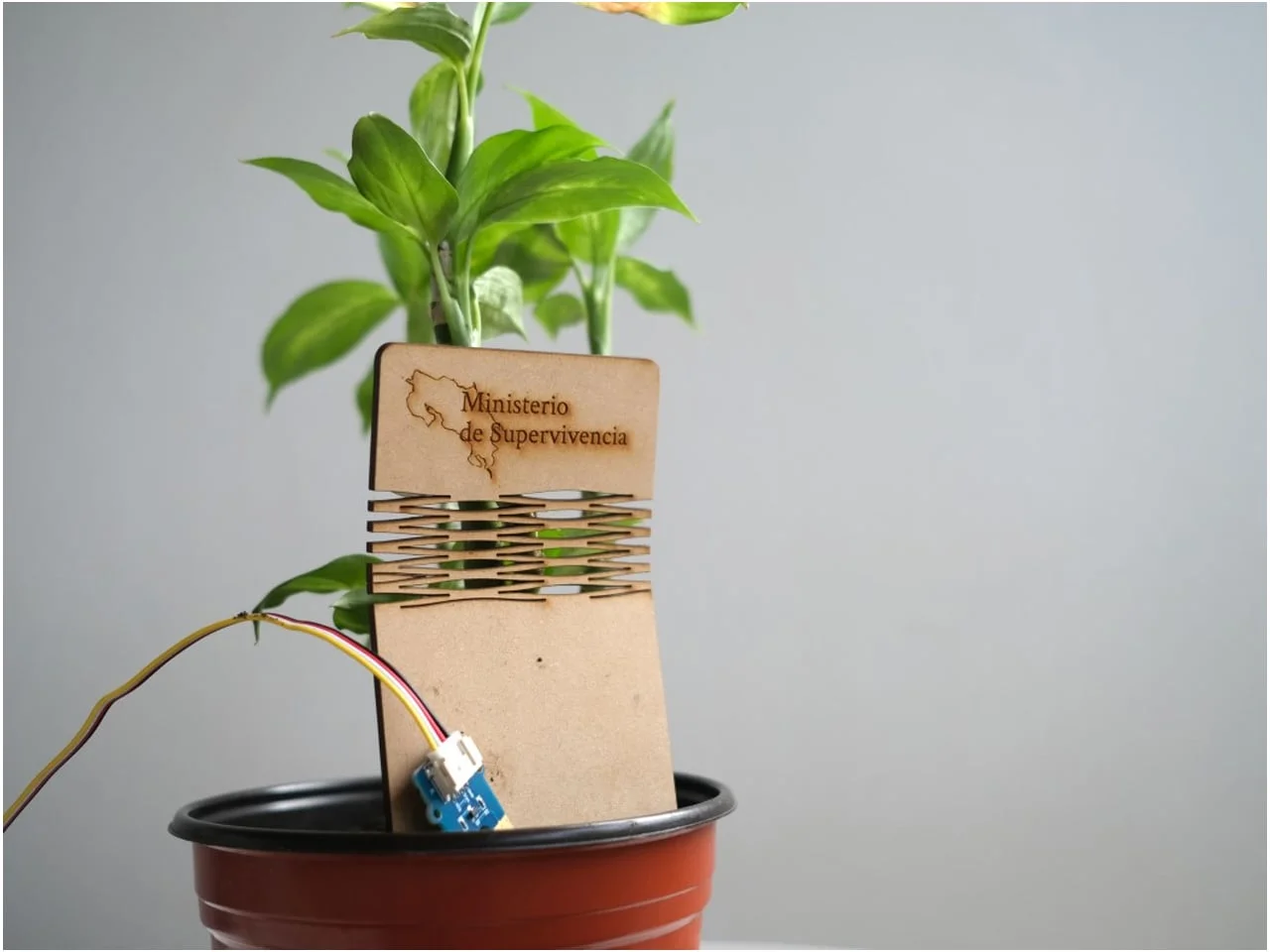
Its cues are tied to specific conditions: the collar tightens when the plant needs water, warms in excessive sunlight and vibrates when pests are detected. The concept translates information that might otherwise go unnoticed into sensations the wearer can recognize. It forms part of BioPermit, a speculative system exploring how empathy-focused technology might support caregiving relationships.
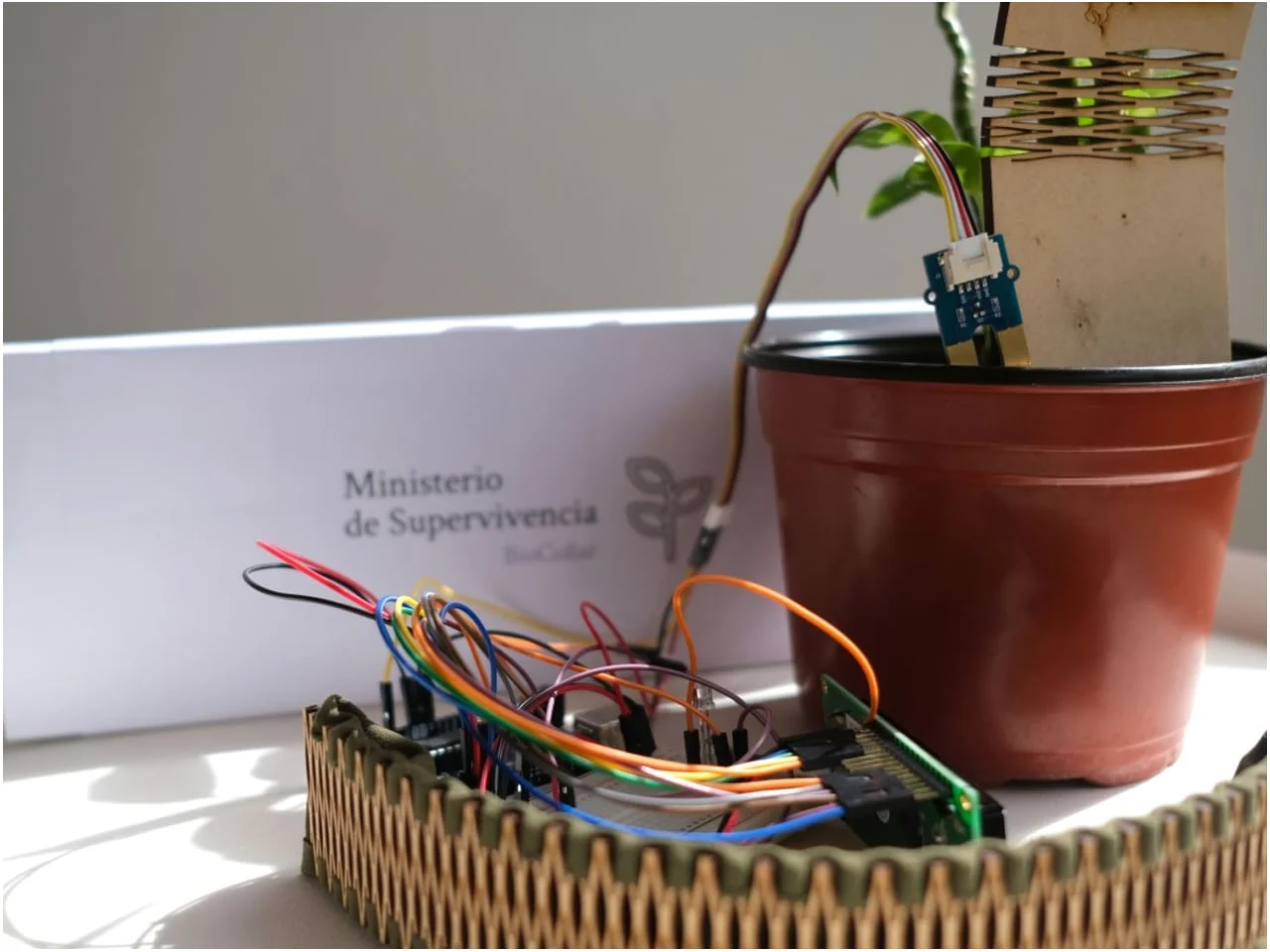
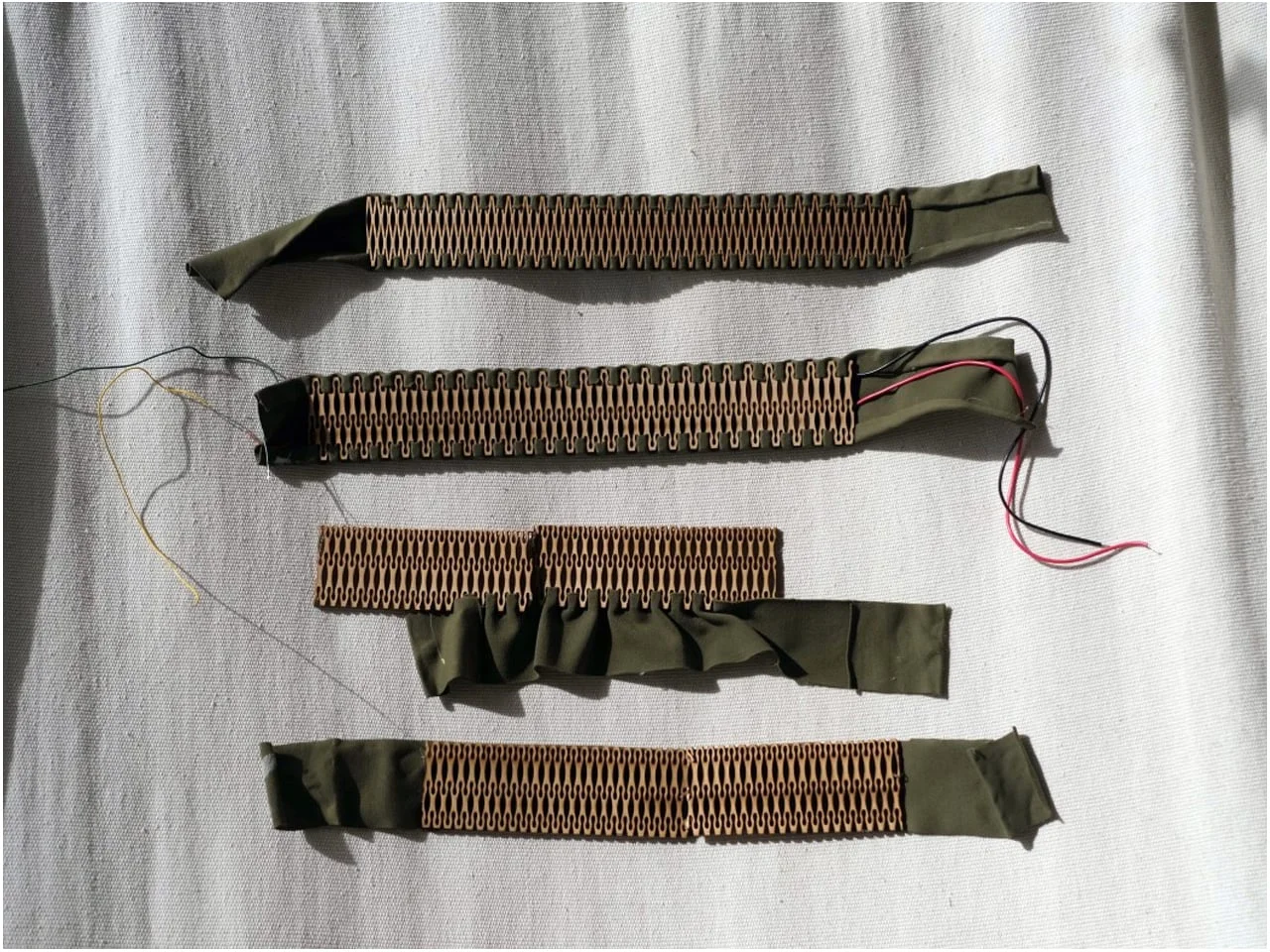
BioCollar’s most interesting move is to make care bodily and immediate. Instead of checking an app or relying on memory, the wearer receives a signal that connects plant conditions to a physical response. It’s a concept rather than a typical household product, but it raises a useful design question: can technology help people notice living things more closely instead of pulling attention toward another screen?
A door chime that sounds like its surroundings
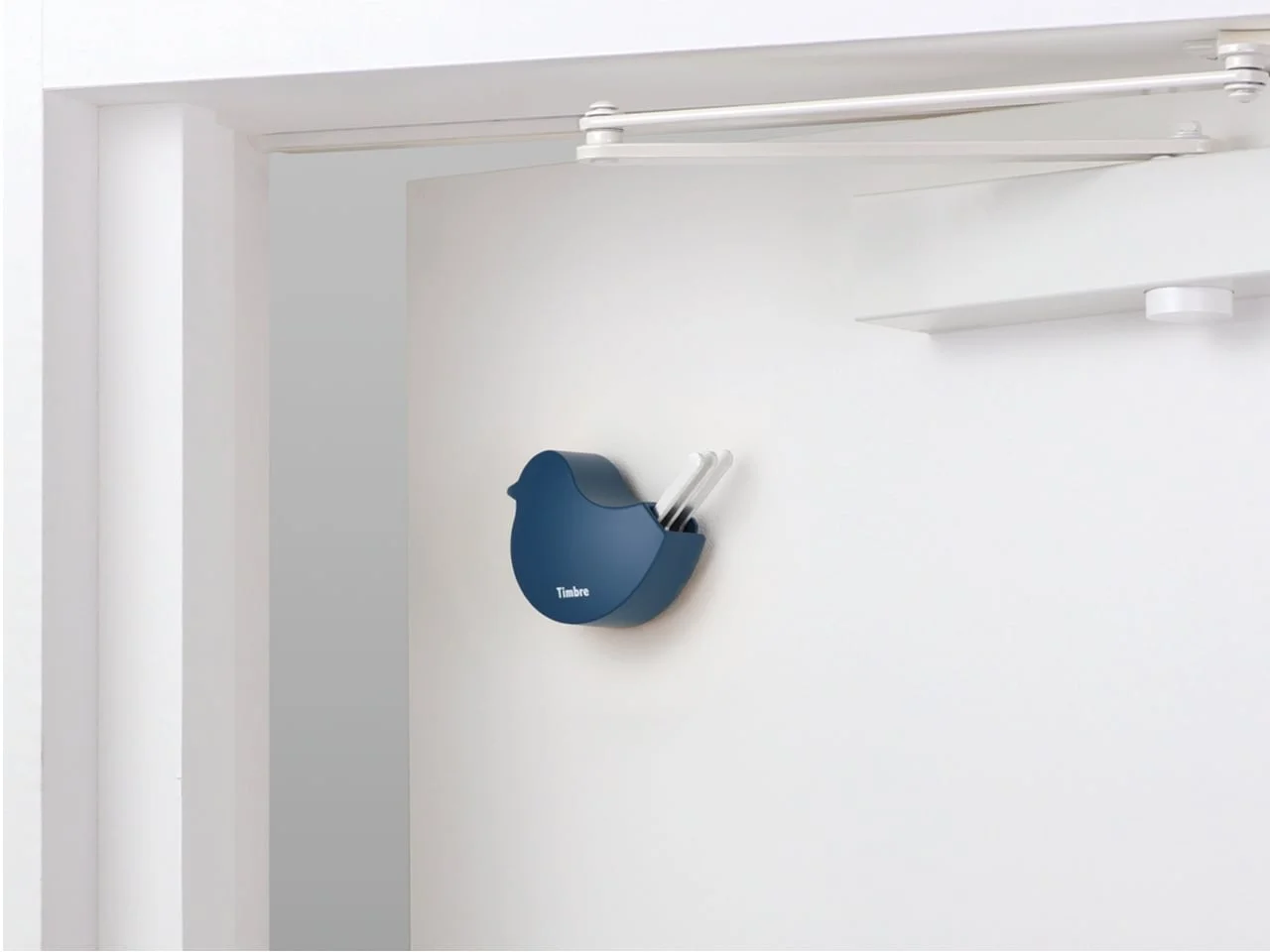
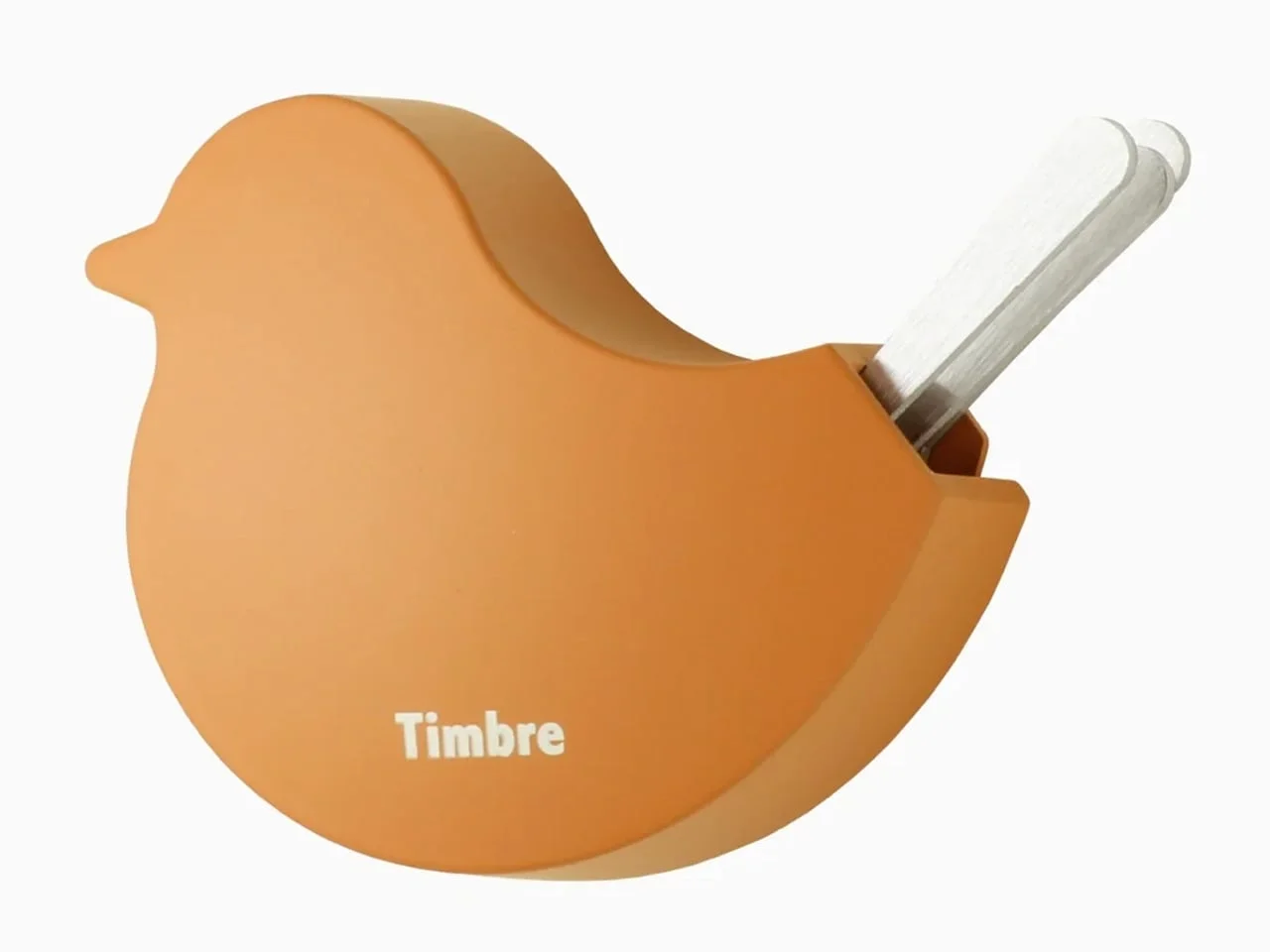
The Tori door chime, designed by Mikiya Kobayashi for Timbre, treats a routine alert as part of the home’s atmosphere. Conventional chimes can sound sharp or repetitive; Tori aims for a softer signal that people might welcome rather than tune out.
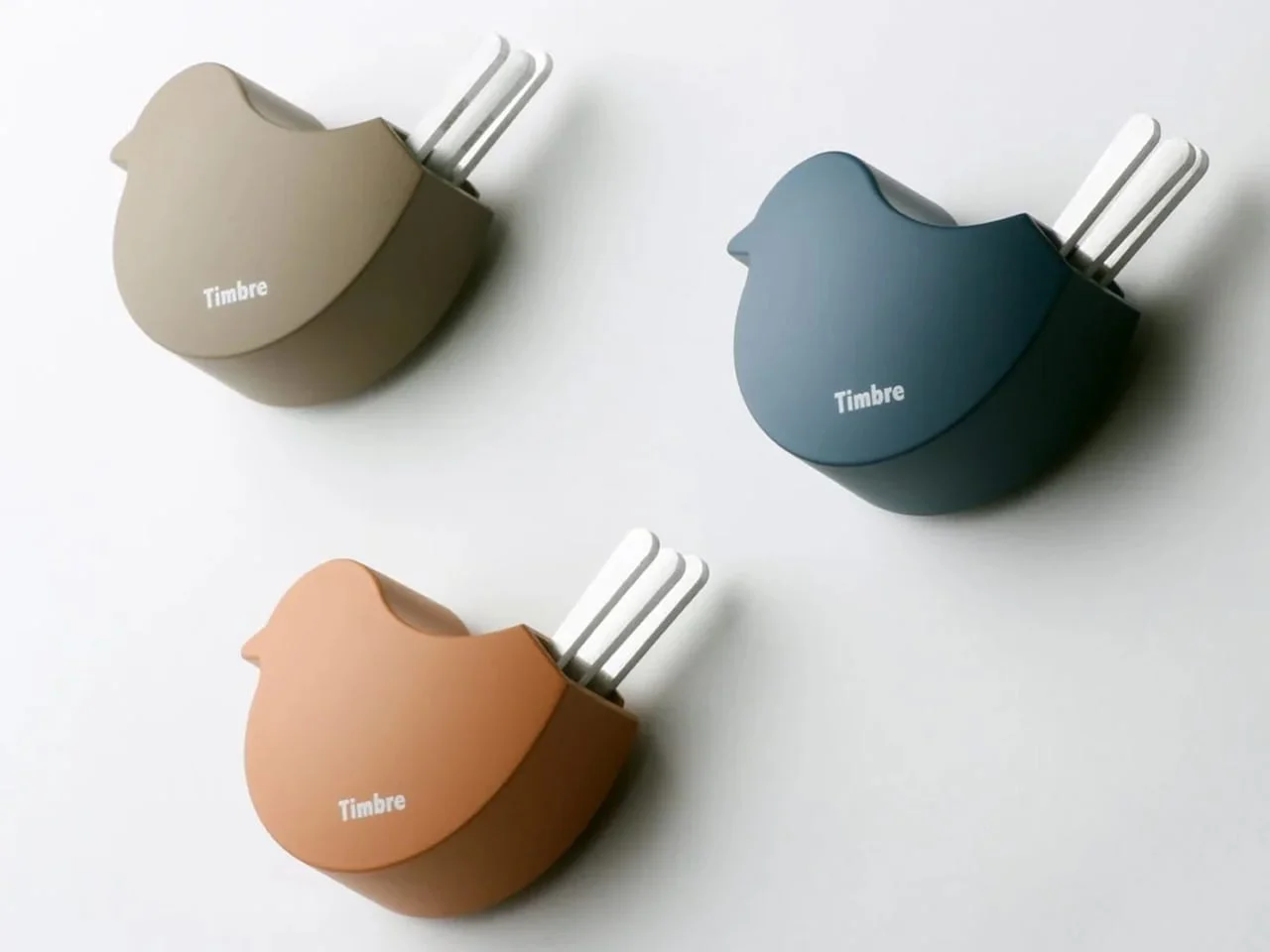
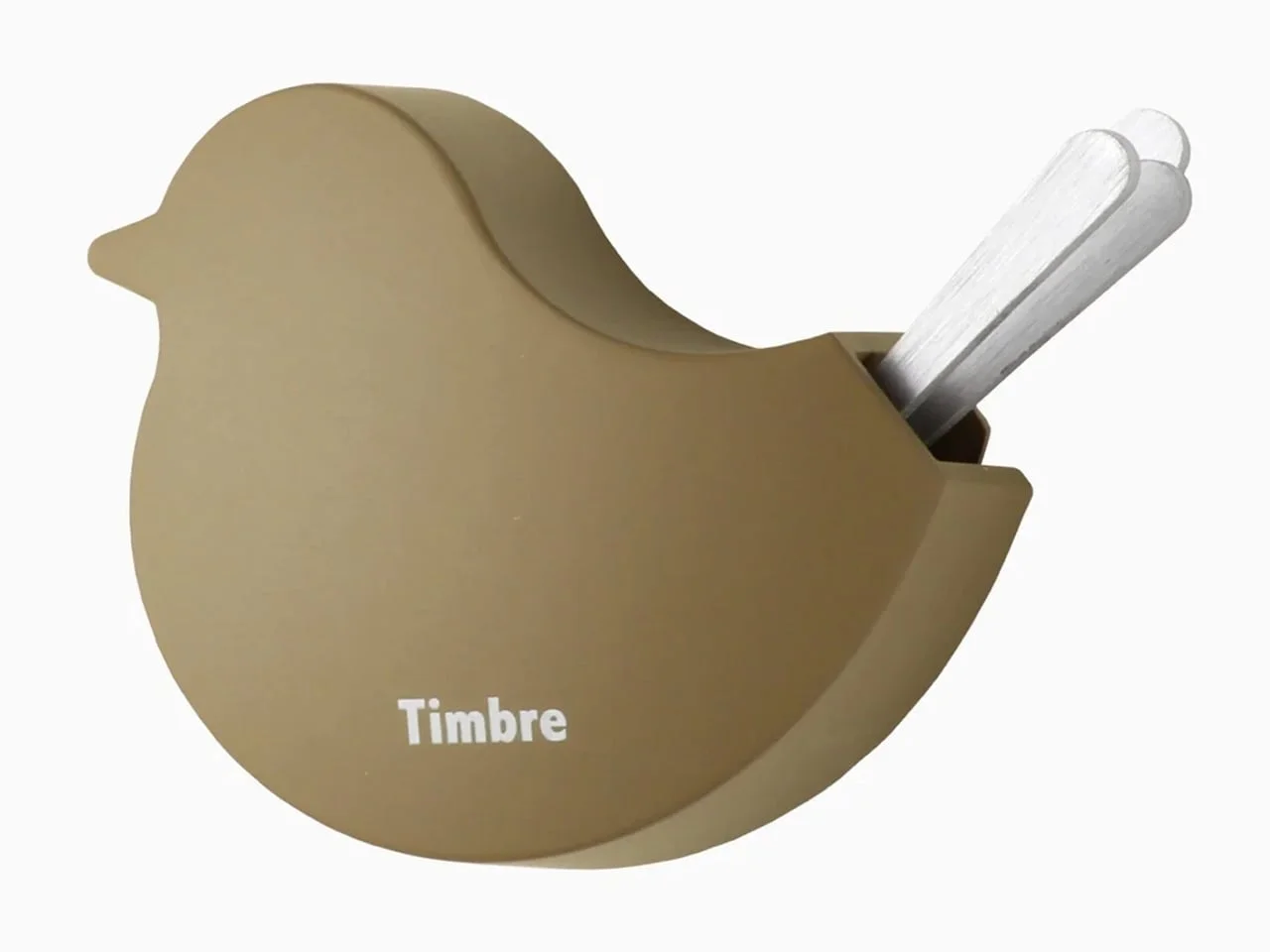
The small bird-shaped object uses a mechanical system: movement sets its metallic tail feathers in motion, producing light chirps inspired by birdsong. Its die-cast zinc body gives it a durable, sculptural presence beside the door, where it can be seen as well as heard. The effect is modest, but that’s the point. A sound that marks someone’s arrival can also bring a brief moment of calm into the home.
Making feelings easier to discuss
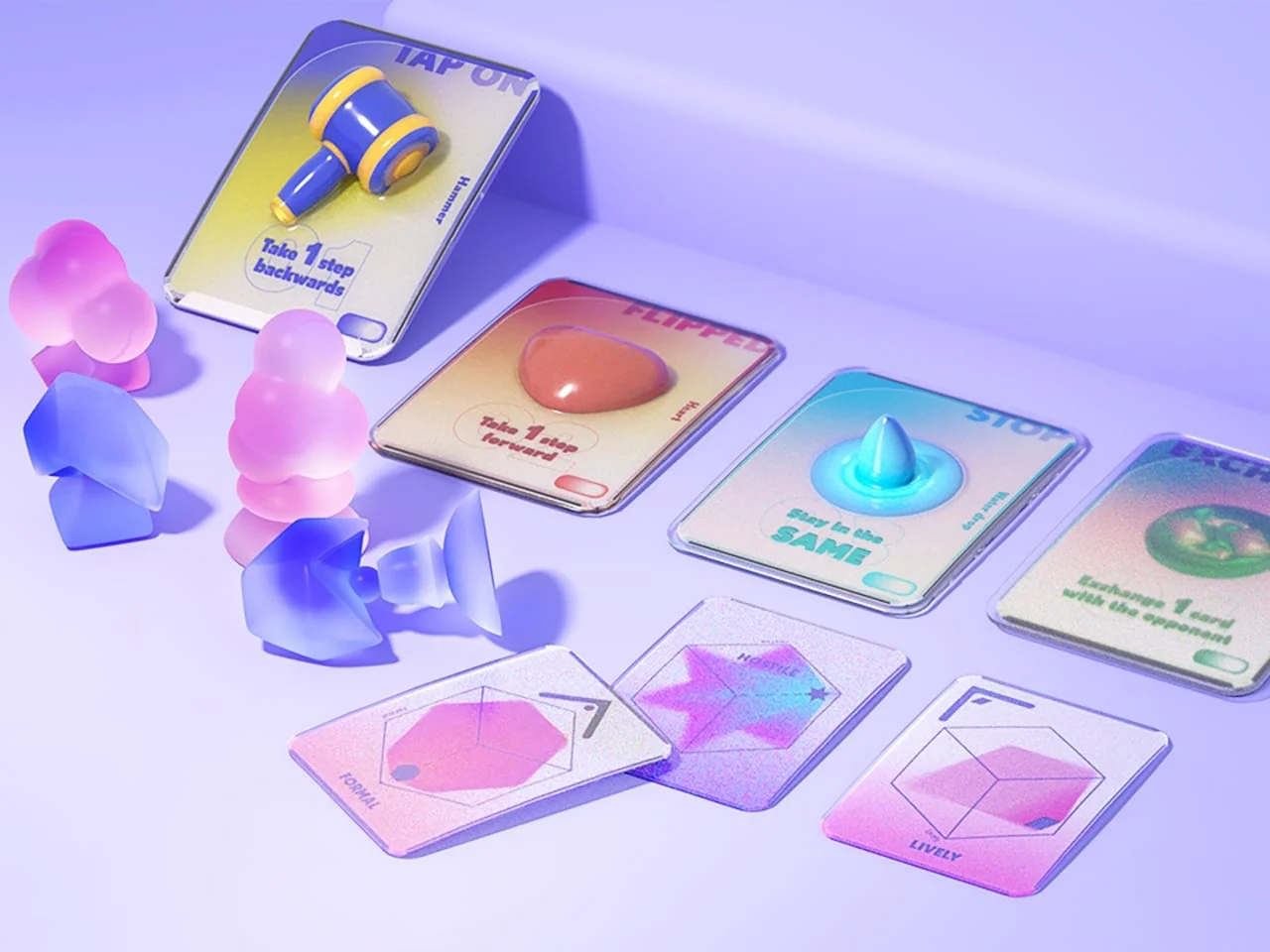
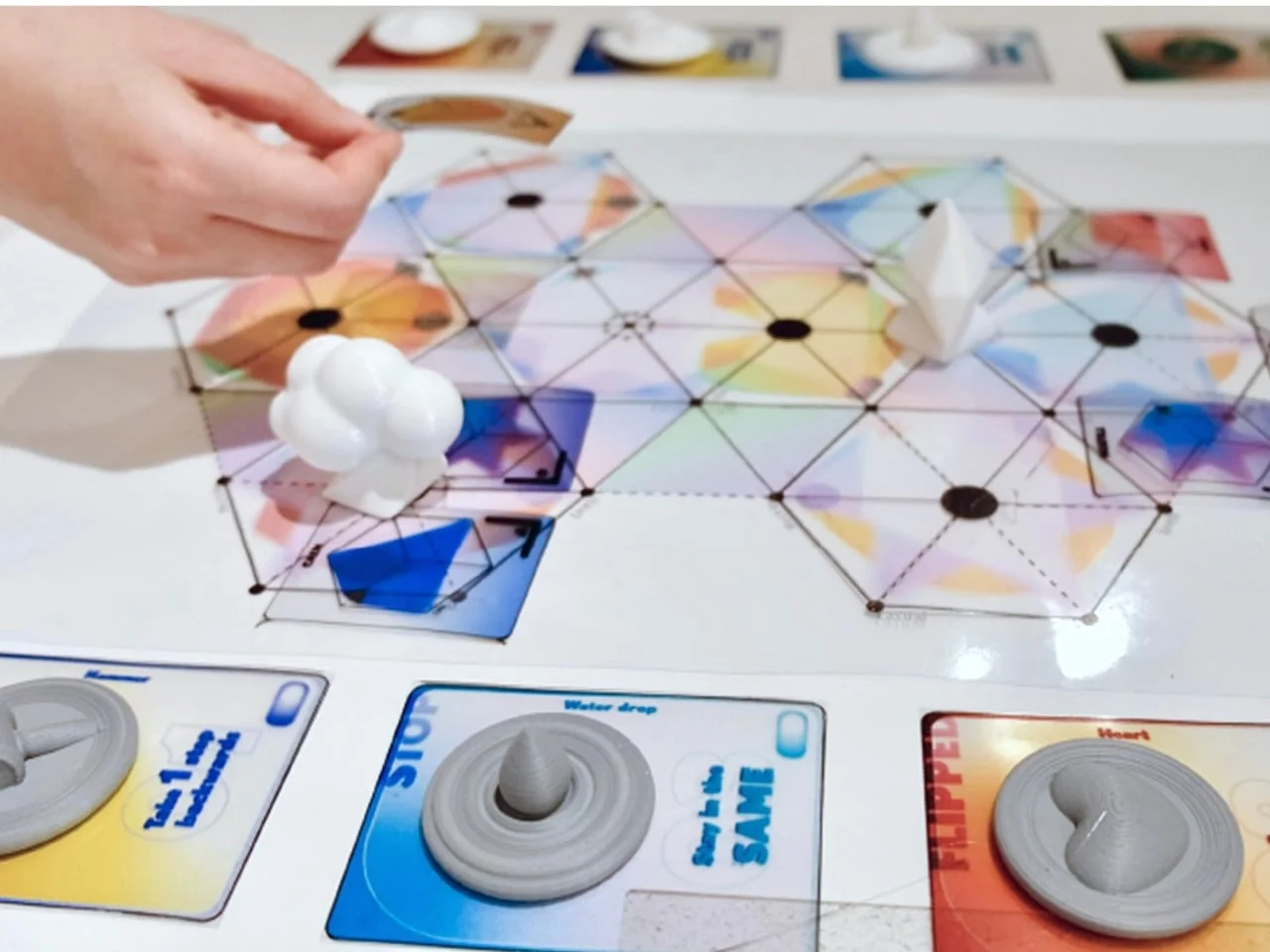
EMO+, designed by Jeni Huang, uses a board game to help people name and communicate emotions. It began as a support tool for adults on the autism spectrum and has since grown into a broader system for people who find verbal expression difficult or overwhelming. Its premise is practical: when people lack a shared way to describe feelings, misunderstandings can follow in families, friendships and relationships.
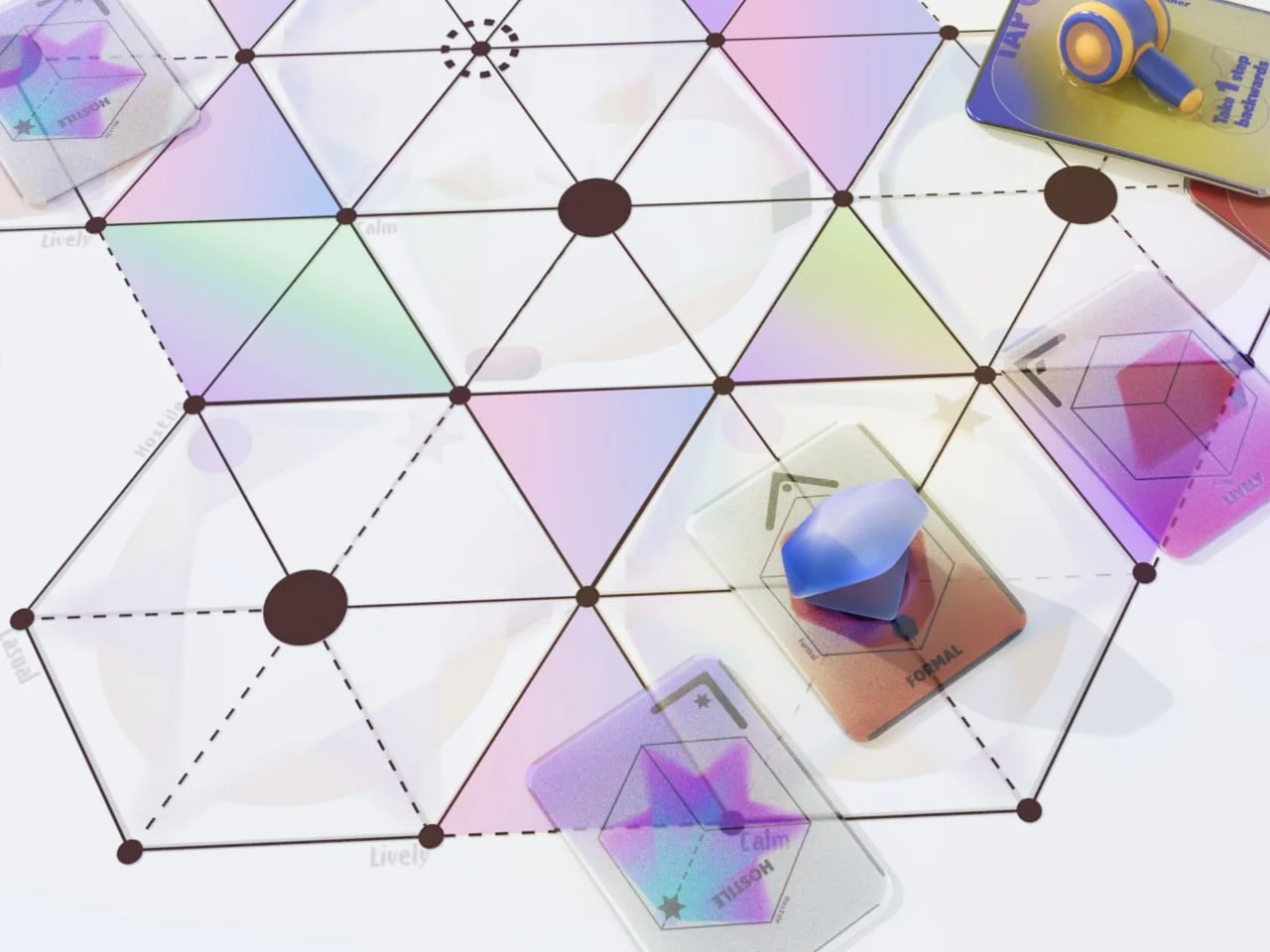
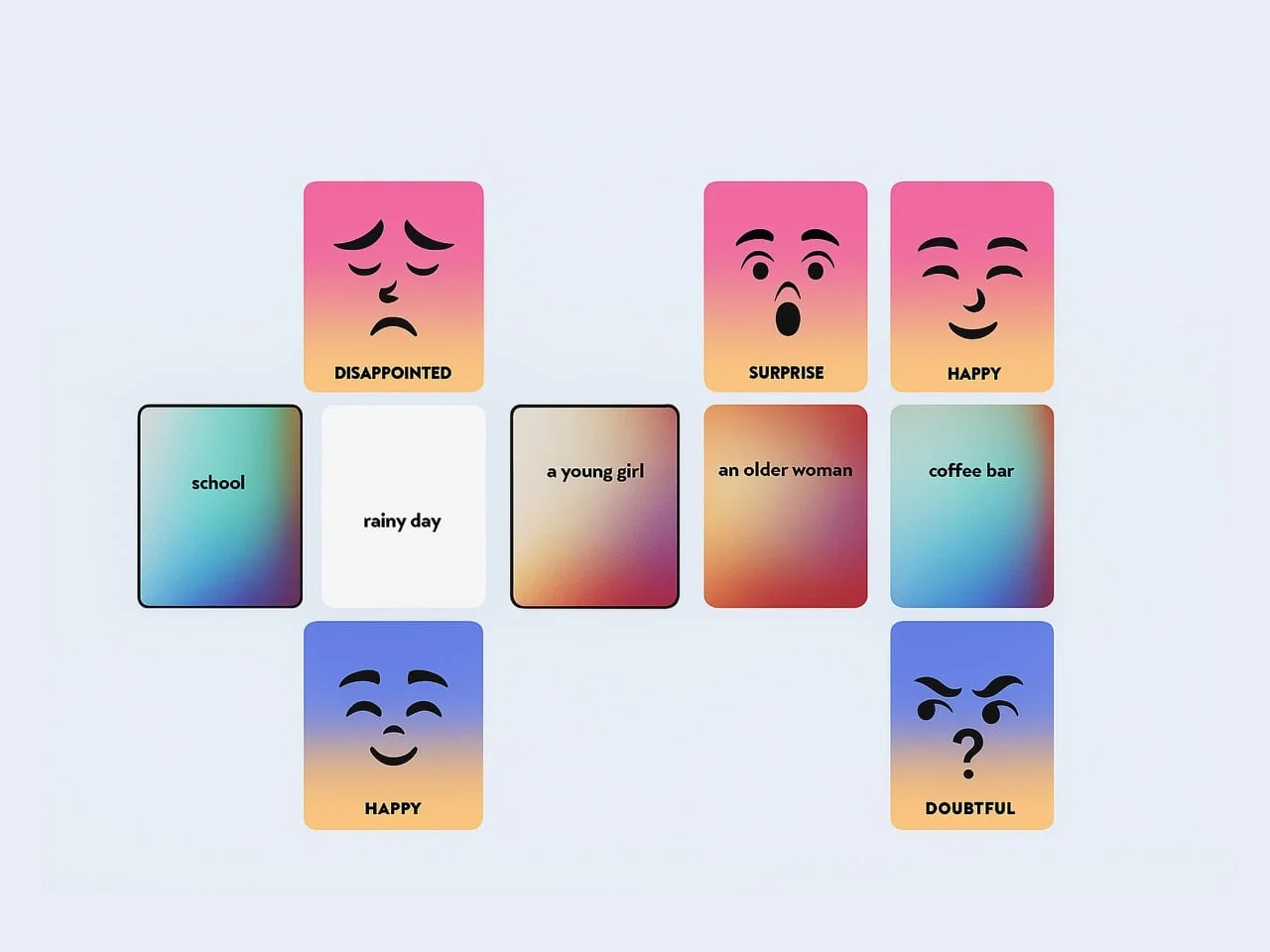
Pastel cards, tactile pieces and a calming board give the game an approachable feel. Players use emotion cards and scenario prompts to explore what someone might be feeling, then map feelings across axes such as calm to lively or friendly to hostile. Movement-based choices let players represent emotional distance and connection on the board. There’s no emphasis on winning; the structure is designed to make exploration shared and low-pressure.
Across these five designs, the common thread is attention: to another person’s comfort, a plant’s needs, the character of light, the sound of a home or the language of emotion. Their value will depend on whether those interactions remain useful beyond the novelty of first contact. Still, they point toward a clear opportunity for product makers: everyday objects can help people feel more present when their design gives them a reason to notice.
The post From a Huggable Panda to a Bird-Shaped Chime: 5 Designs for Slower Living first appeared on Yanko Design.

Discussion
Sign in to join the discussion.