Twogather’s DA1 turns each shot into a shareable thermal print, trading previews and digital storage for a more immediate photo experience.
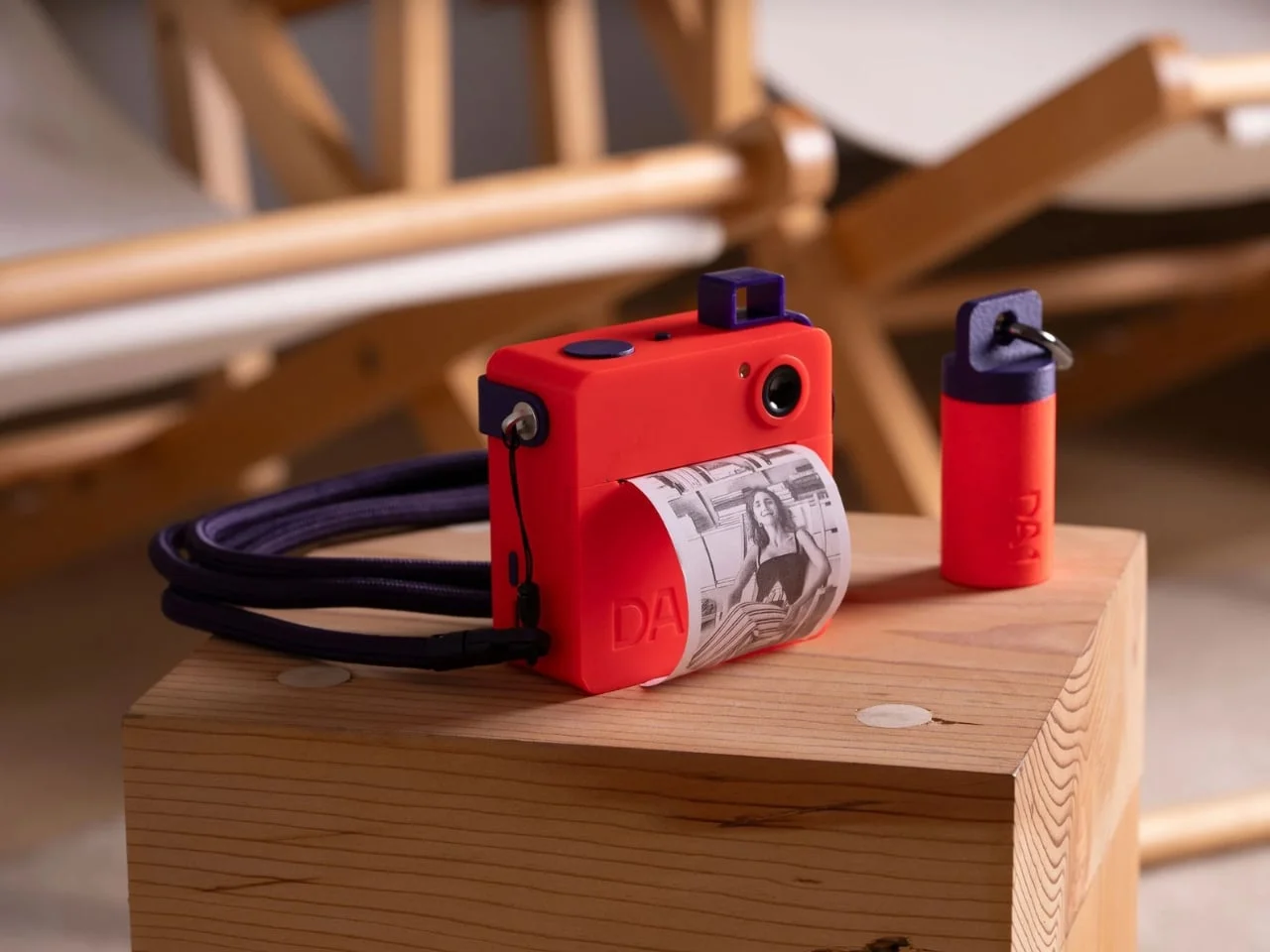
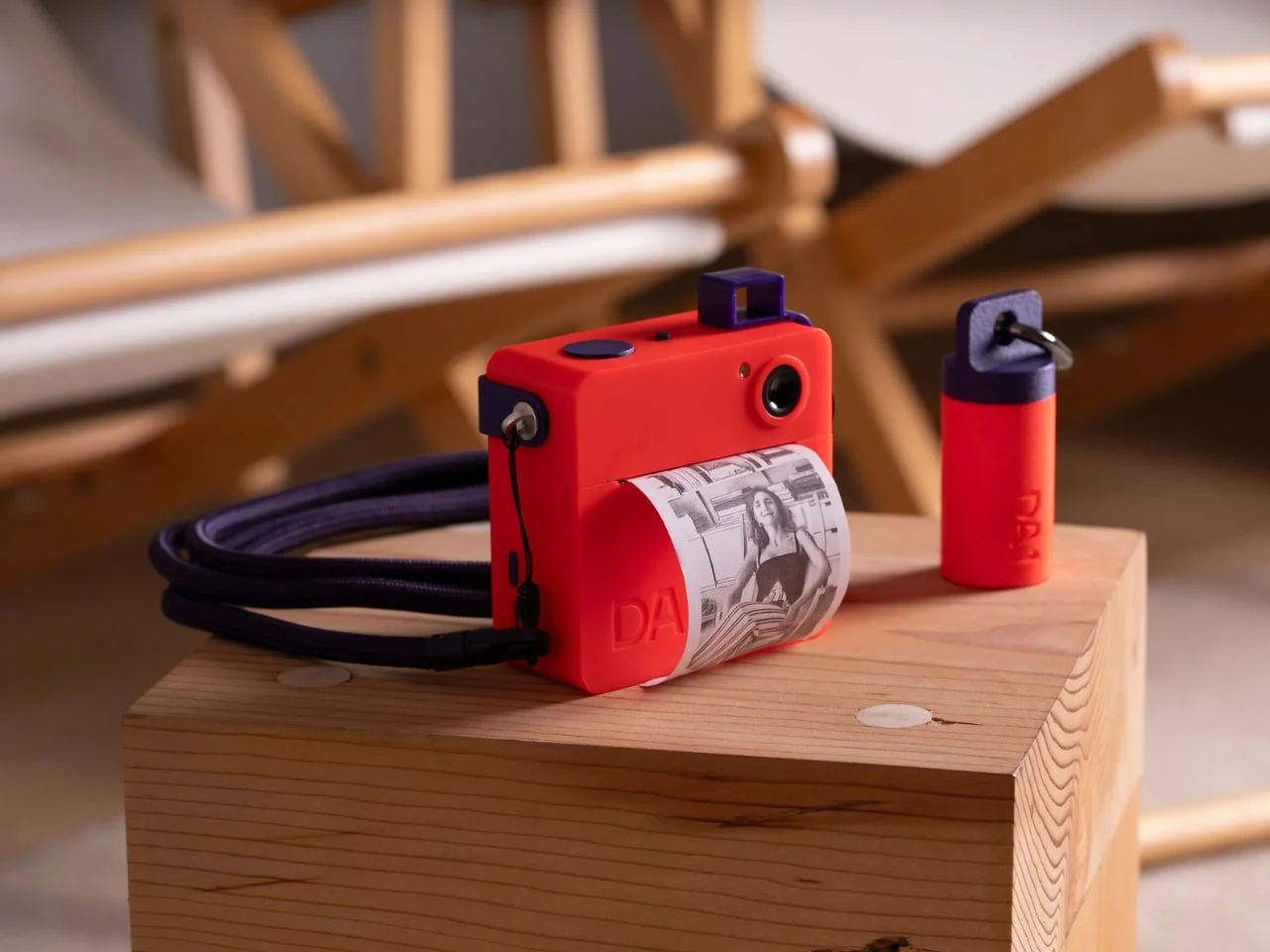
The DA1 makes a case for handing someone a photograph while you’re still together. Twogather’s electronic instant-print camera sends each shot straight to thermal paper, skipping the screen, gallery and app workflow that often leaves pictures sitting in a phone’s camera roll. That choice gives the camera a clear purpose: make a physical keepsake now, rather than another digital file to sort through later. It’s a small shift in what a camera is for. The picture isn’t just a record for the photographer; it’s something meant to move between people.
Designer: Twogather
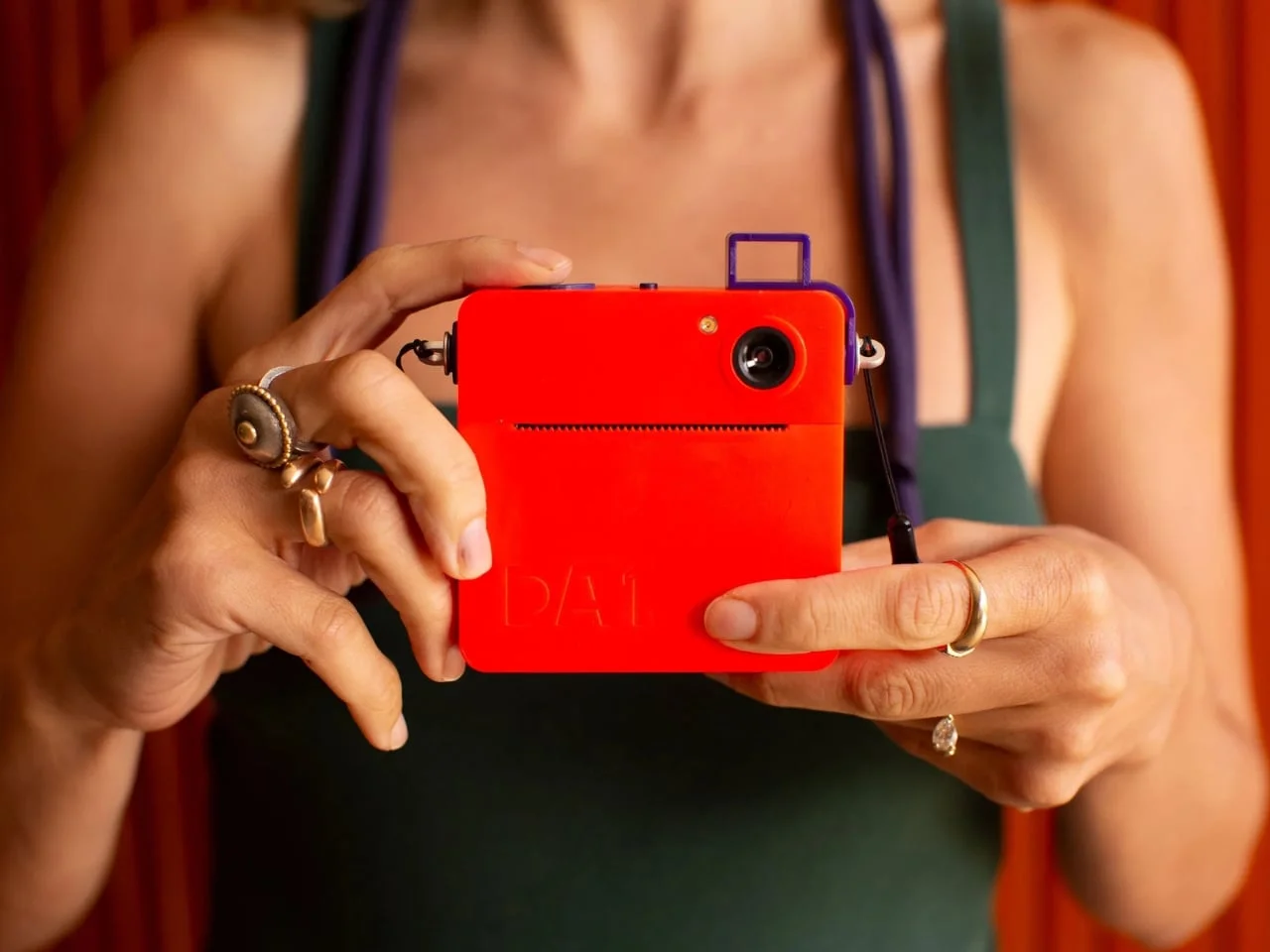
A print-first camera for shared moments
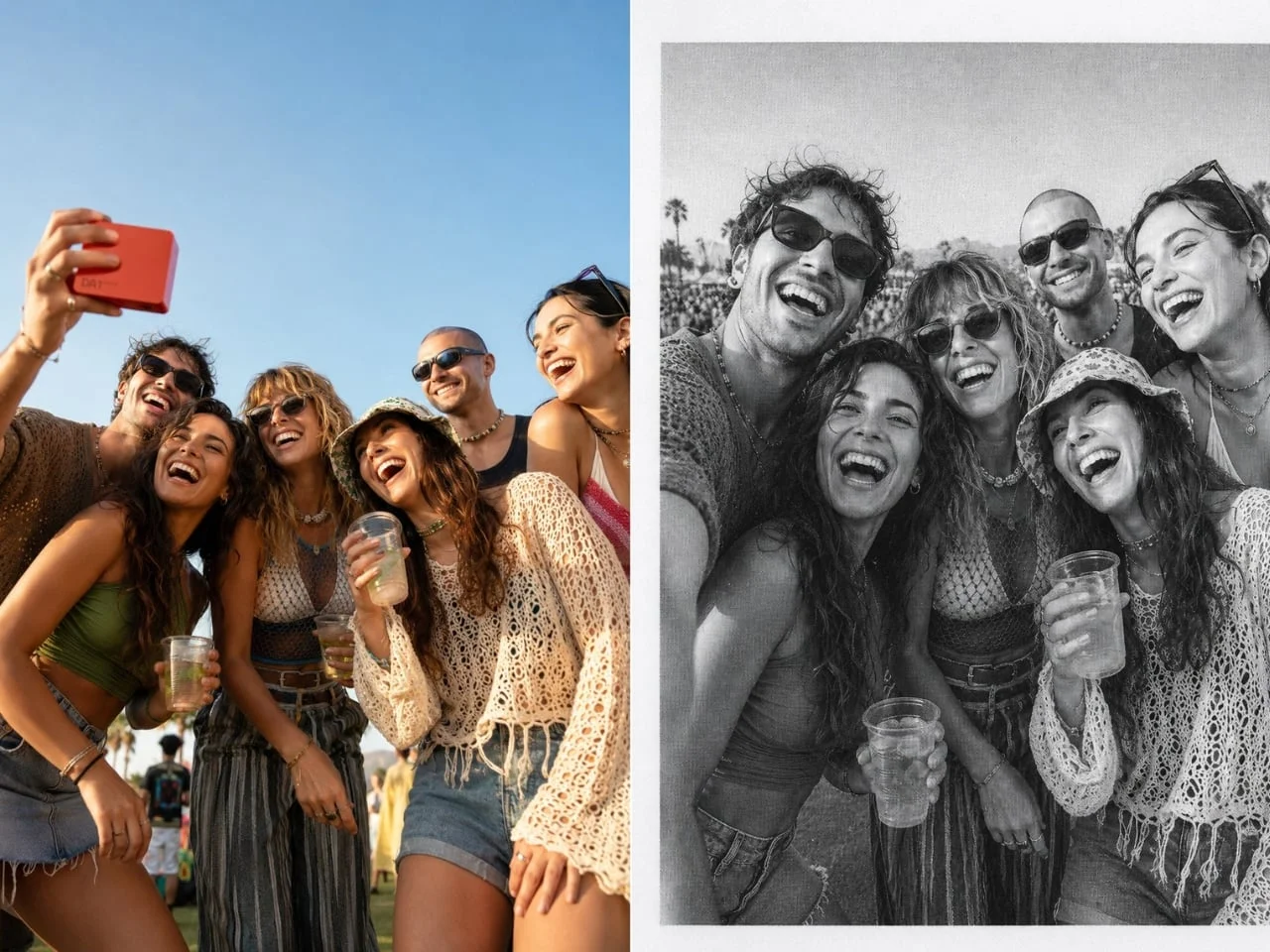
Instant cameras and digital cameras with built-in printers already make physical photos easy to get. The DA1’s distinction is its refusal to let you review a shot before it prints. There’s no screen to inspect the image or edit it; the camera moves directly from capture to print. My read is that this is less about image control and more about turning photography into a small social exchange. That’s a deliberate constraint, and it changes the photographer’s role: you’re choosing a moment and accepting the result, rather than checking whether the frame is good enough to keep.
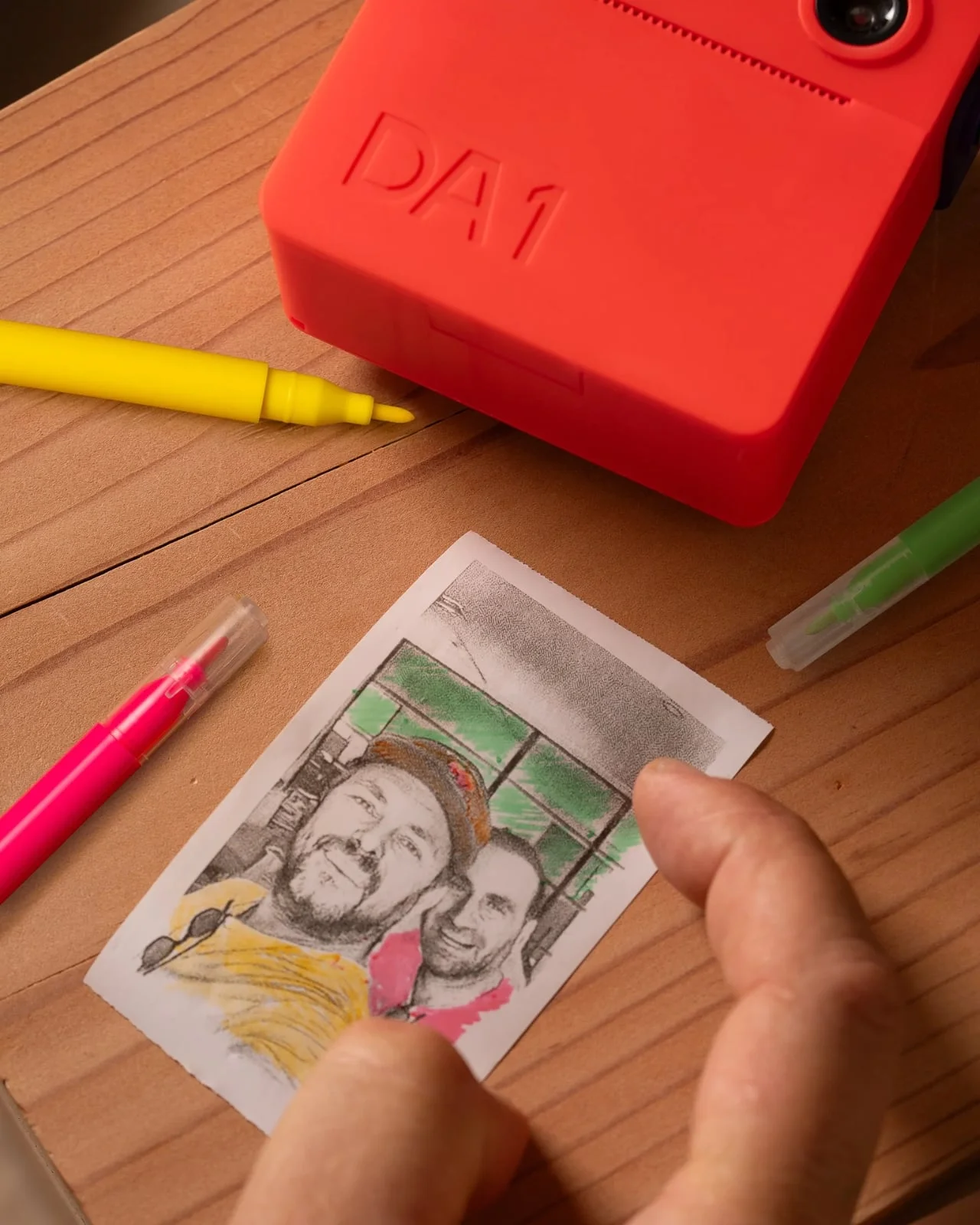
That approach could suit parties, family get-togethers, journaling sessions and casual meetups. A photo can become a souvenir on the spot, whether you keep it, write on it or give it to someone nearby. The camera’s black-and-white thermal output also invites a hands-on step: the included color markers can add notes and drawings before the print goes into a journal or someone’s pocket. A quick handwritten caption can supply context that the image itself can’t, while a doodle makes each copy feel personal. The result may be imperfect, but that’s part of the exchange.
Two designs, a few practical extras
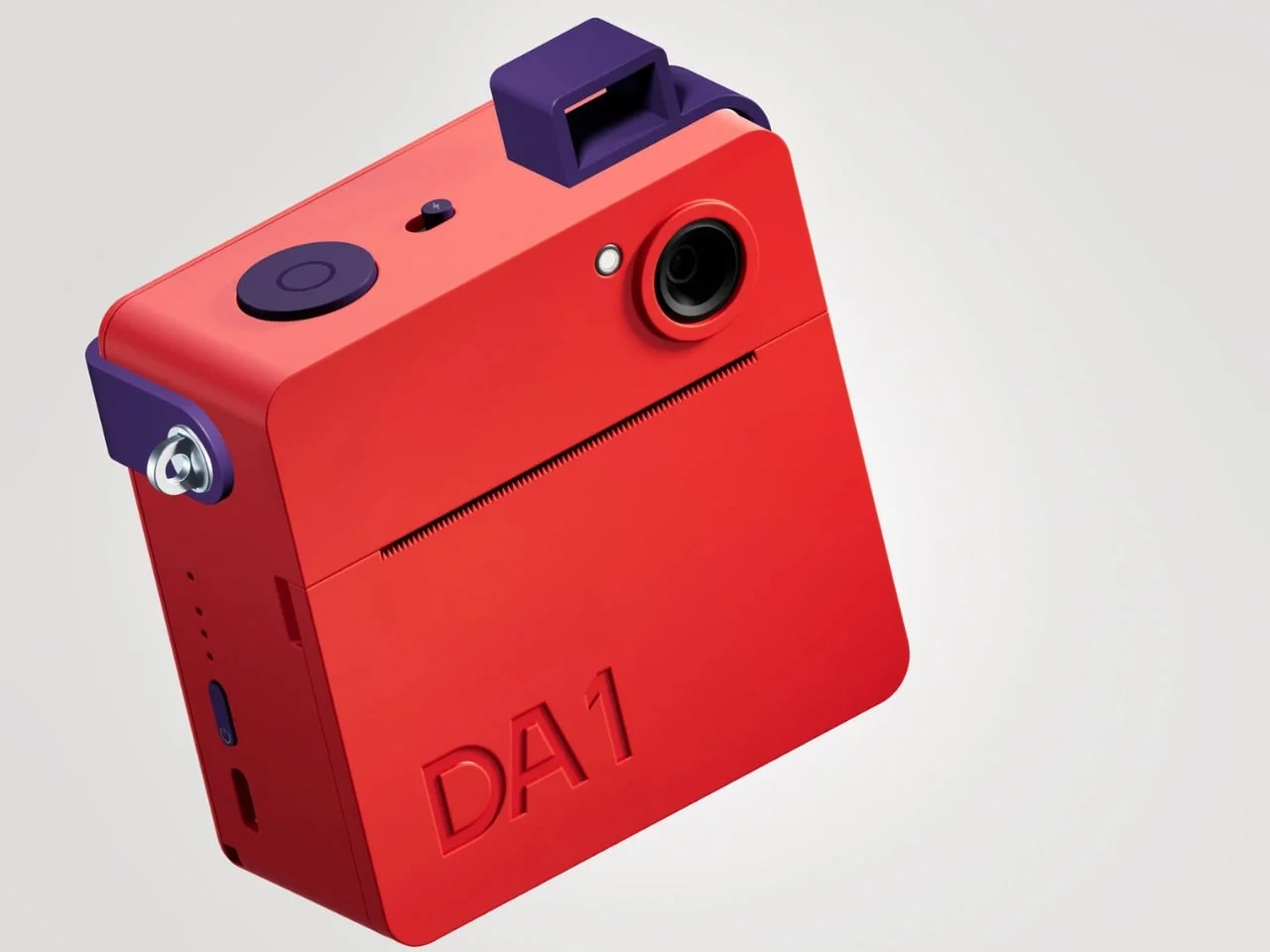
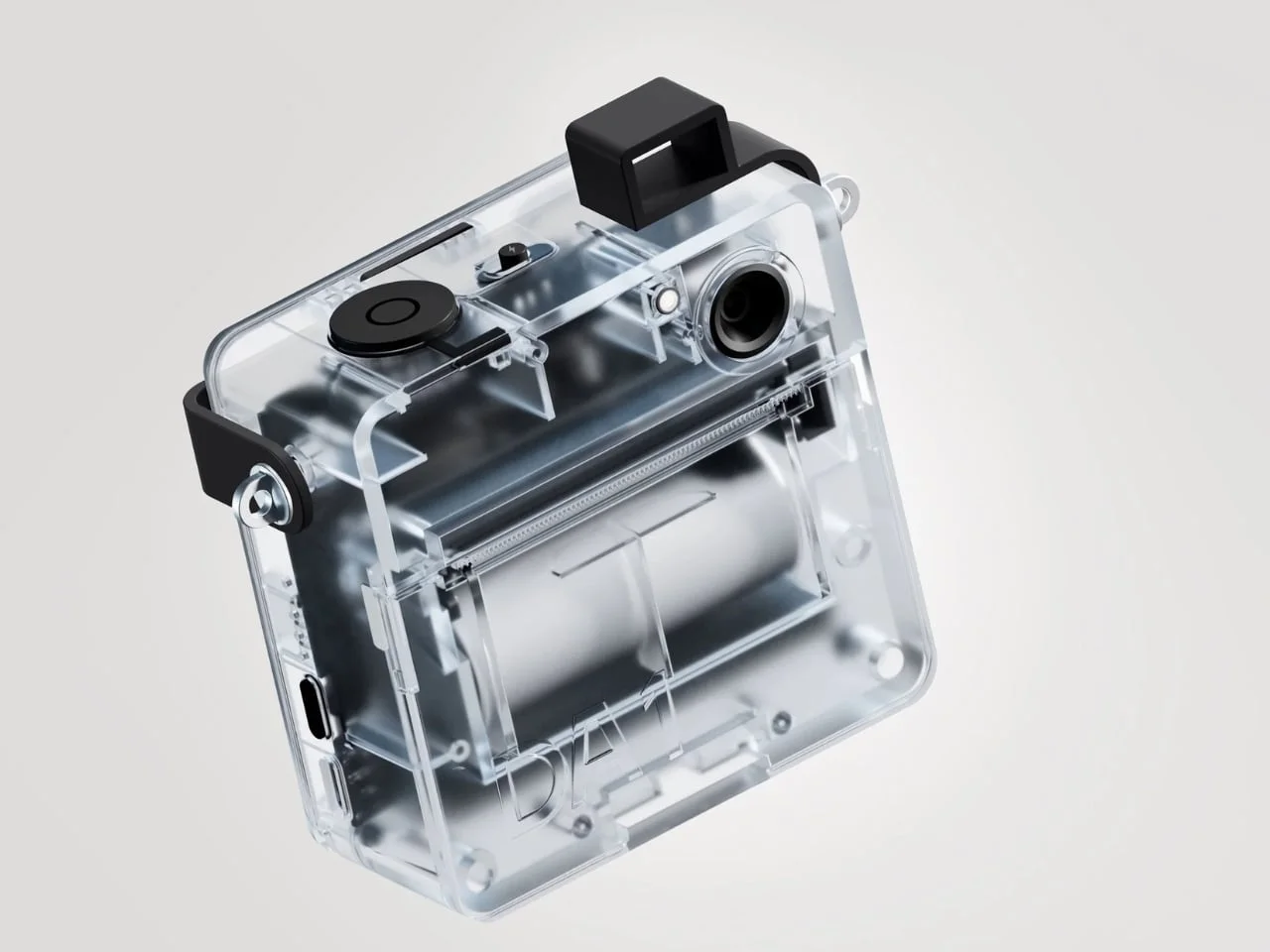
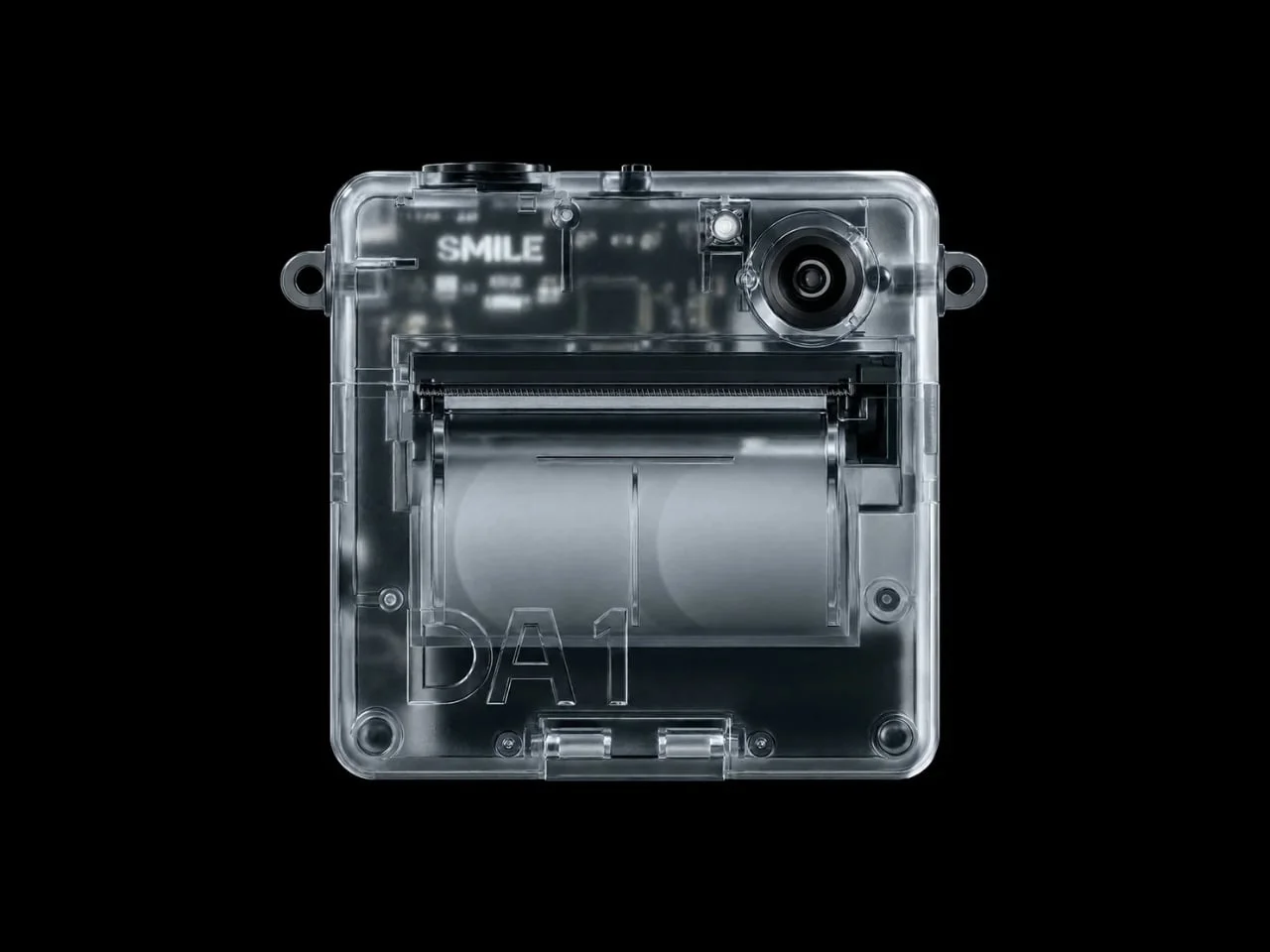
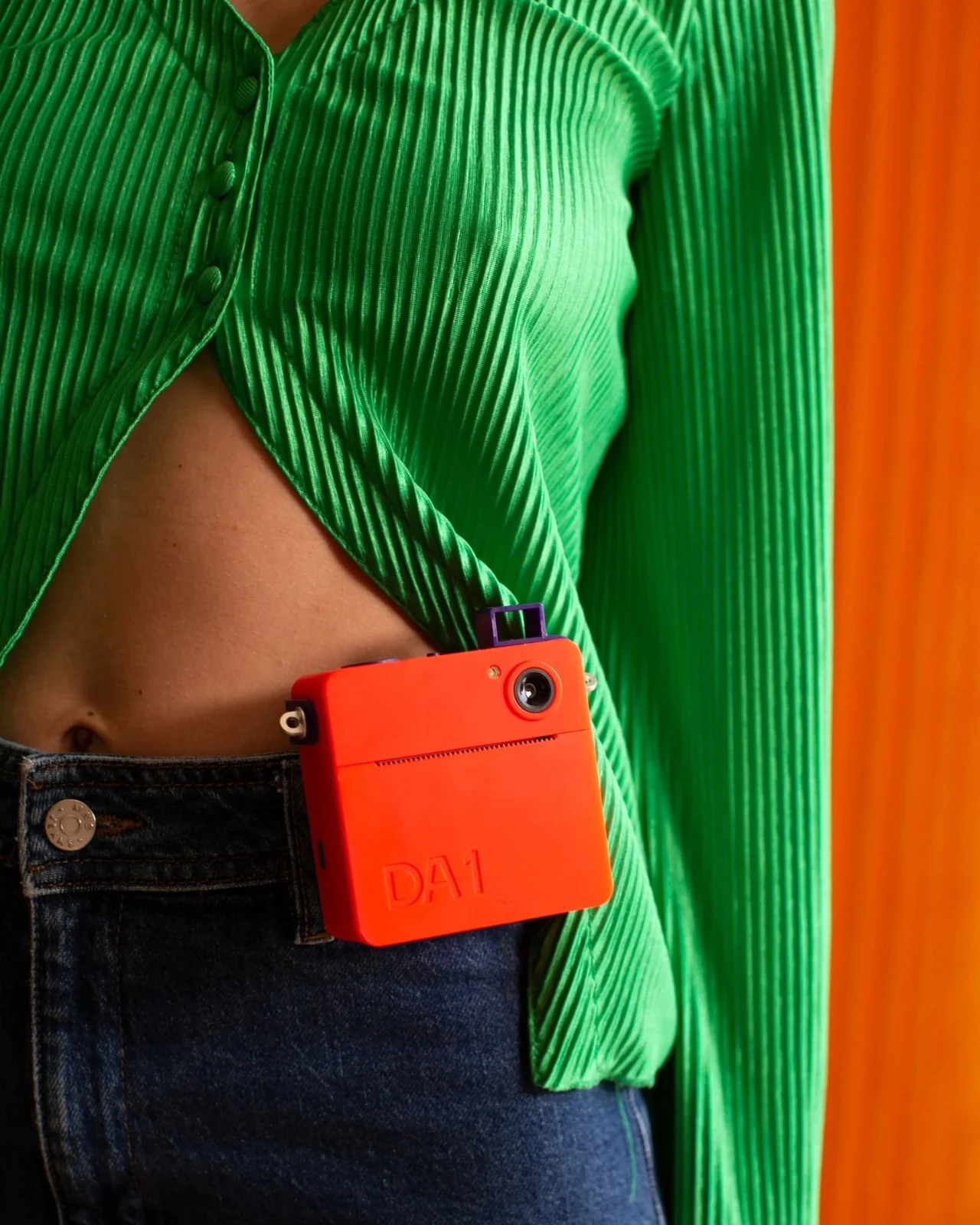
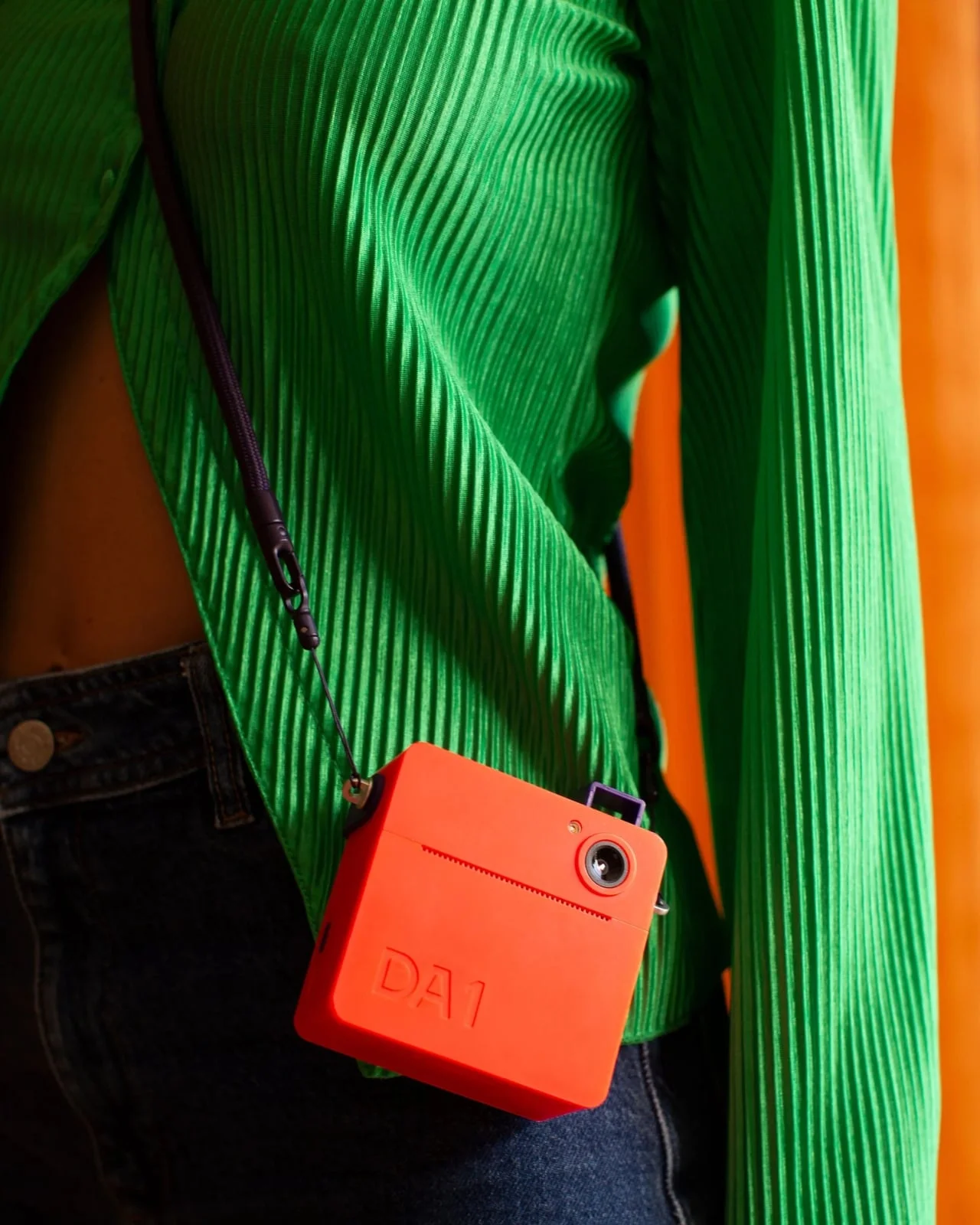
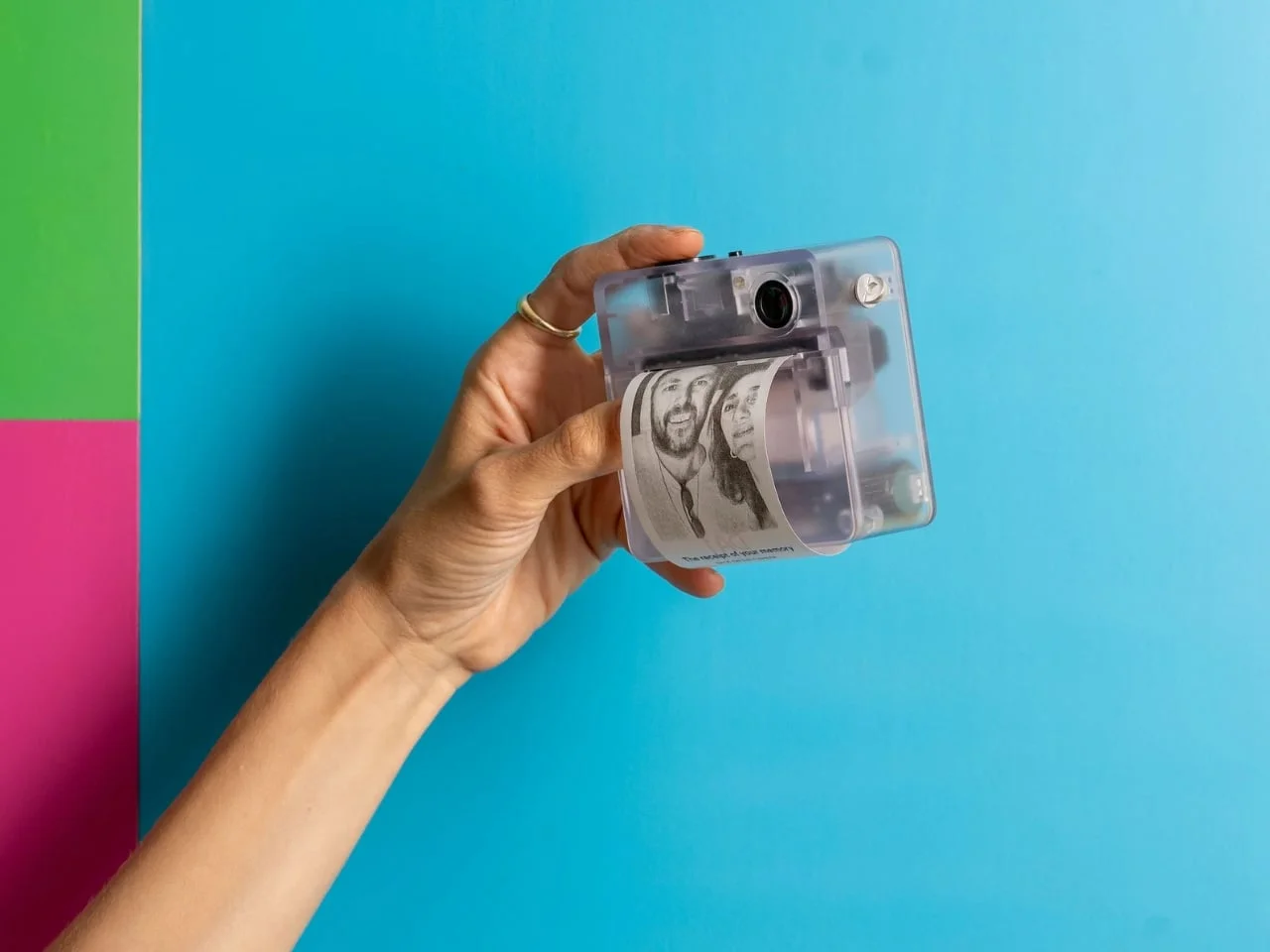
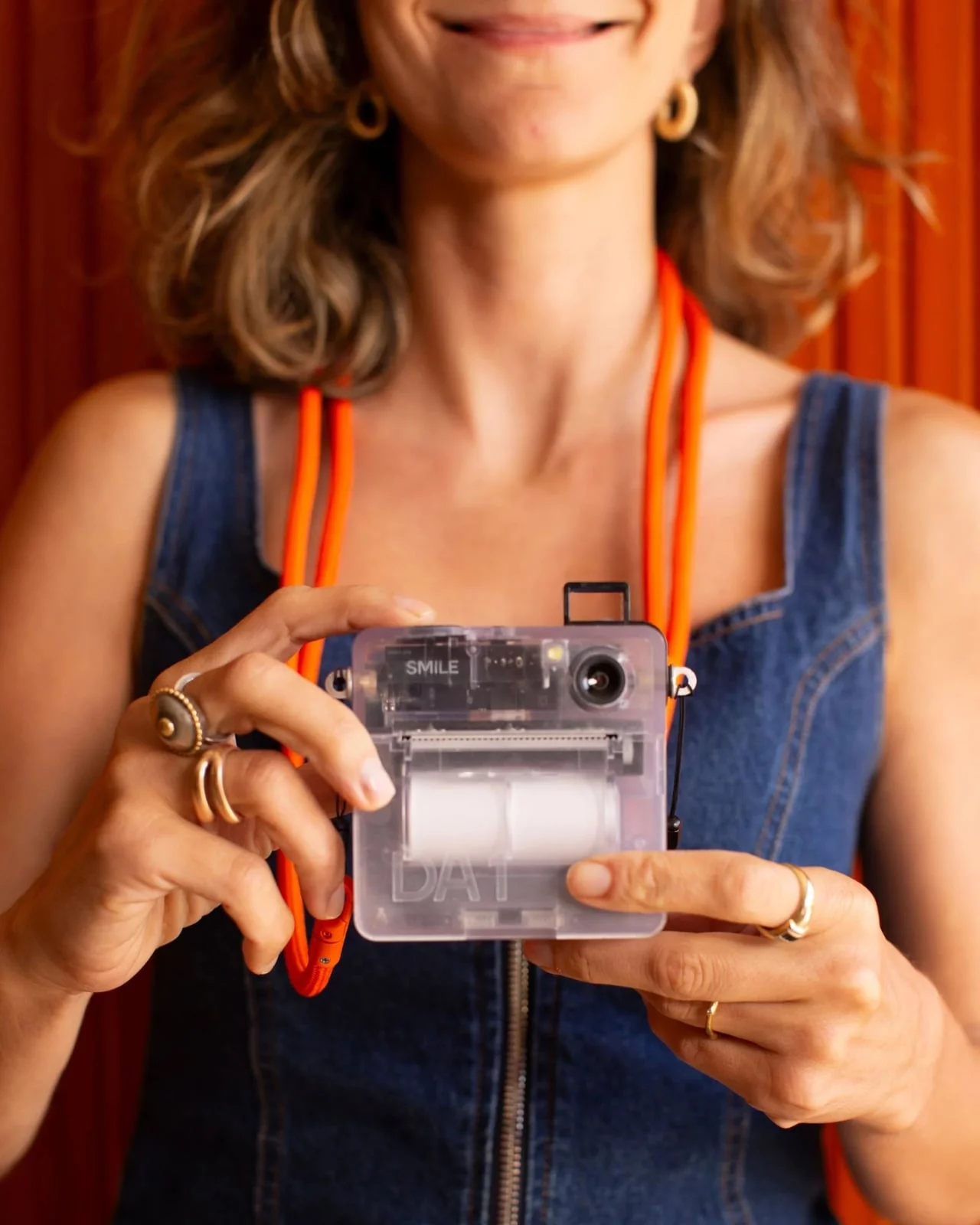
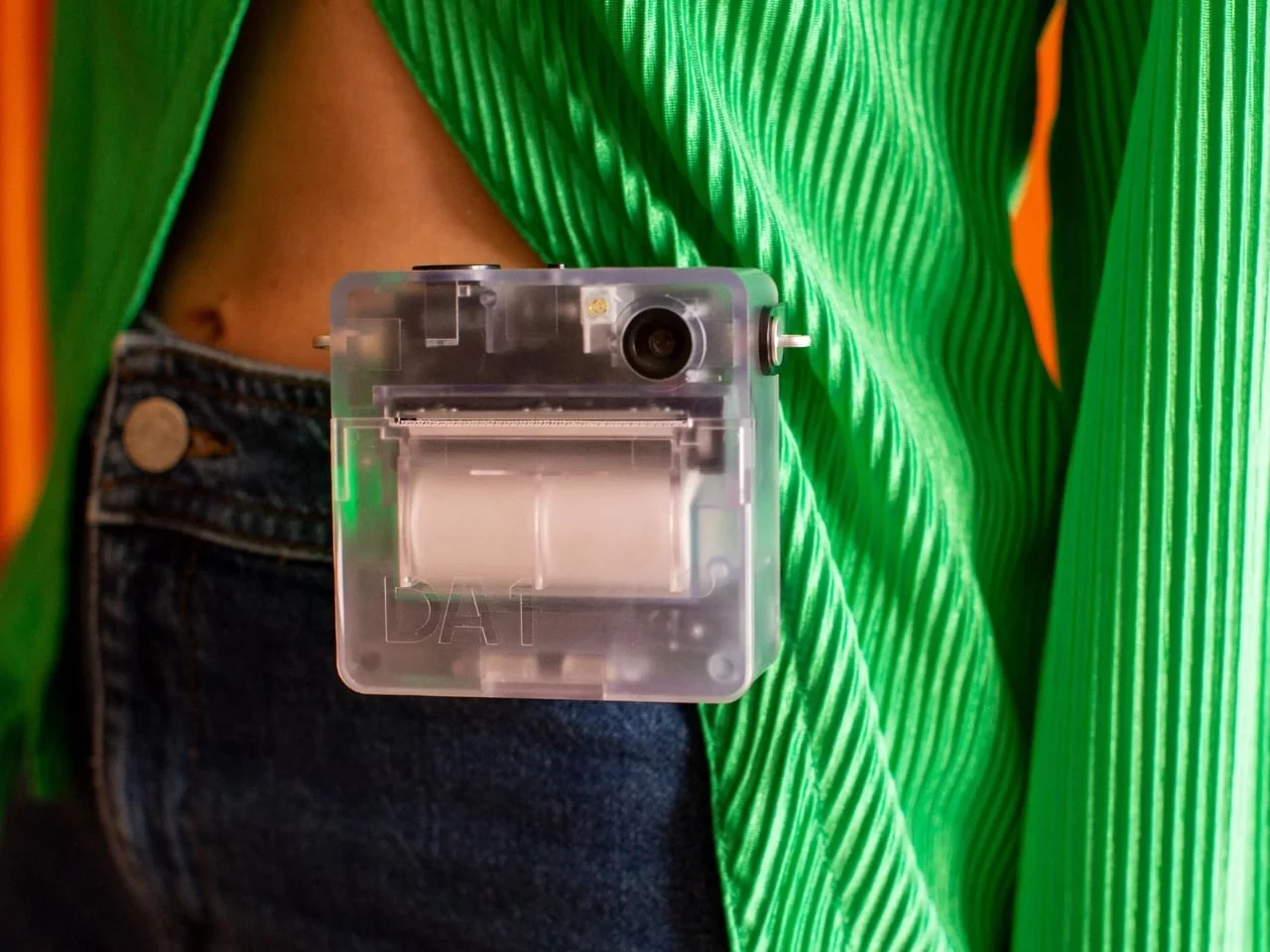
Twogather offers the DA1 in Clear and Neon versions. The Clear model puts the camera’s circuitry and printing mechanism on display; Neon uses a more colorful exterior. Both share a rounded-square body and a large circular lens, so the basic shape carries across the two finishes. The choice is mainly visual: one finish makes the internal workings part of the look, while the other gives the device a brighter presence. Neither changes the print-first idea at the center of the camera.
Accessories add some flexibility for carrying and framing. A screw-on viewfinder helps with composition, while a wrist strap and belt clip come in the advertised bundle alongside five color markers. The neck strap is sold separately. Those extras make the DA1 easier to bring to an event, though the core experience remains deliberately simple: point, shoot and take the print. The viewfinder matters more here than it might on a camera with a display, since there’s no screen to correct your framing after the fact. You’ll have to rely on the viewfinder and your own judgment.
The trade-off is part of the design
Thermal printing avoids ink cartridges, but the camera still needs paper refills. Twogather says its BPA-free rolls produce approximately 50 or more photos each. That figure is the manufacturer’s estimate, but it offers a rough guide for packing supplies for a gathering. The paper is therefore part of the ongoing experience, not an incidental accessory: run out, and the camera can’t deliver its main feature. If you’re planning to use it at a group event, bringing extra rolls may matter as much as remembering the camera.
Twogather describes the DA1 as having “no memory,” so it won’t build a digital archive. And without a display, there’s no way to check a frame before committing it to paper. That may frustrate anyone who expects to retake and refine each shot. For others, the limitation could make photography feel less like a process of chasing a perfect image. The numbers here are underwhelming if you’re judging the DA1 as a replacement for a phone camera: it doesn’t promise a convenient record of every moment. Its pitch depends on whether you value the print and the handoff more than the ability to revisit, share or back up the image later.
The official website lists the Neon model at $98 and the Clear at $110, before shipping and taxes. Both are available for US preorder, with shipping promised for November 2026. That puts the DA1 in the territory of a considered purchase rather than a casual novelty, especially once paper refills and any separately sold accessories enter the picture. The listed preorder and shipping details also mean buyers are weighing the product as presented by its maker, not judging a camera they can already try in person.
What the DA1 is asking of its owner
The DA1’s strongest appeal is immediate sharing: a print can be annotated, tucked into a journal or passed to the person in the photo before the moment ends. It won’t suit someone looking for a dependable digital record, but it offers a tangible alternative to promising to send a picture later. This is more significant than it looks: the camera makes the act of giving a photo part of taking it, rather than an optional step that might happen after everyone has gone home.
And this is the part most people overlook: a print-first camera also asks you to accept some uncertainty. The image might not be perfectly framed, and there’s no archive to rescue a favorite shot from a misplaced print. A little friction. If you’re working in this space, the DA1 is a reminder that product design can shape how people use a camera by removing options, not adding them. The test is whether that constraint feels like a welcome nudge toward sharing or an avoidable loss of control.
Here’s the thing: the DA1’s appeal rests less on technical versatility than on a clear social ritual. You take the picture, wait for a physical copy and decide who gets it. That said, the ritual only works if the print quality, paper supply and no-preview workflow meet the expectations set by the concept. Those are practical questions a buyer should weigh alongside the color and accessories. The camera has a coherent idea; whether that idea earns its price will depend on how often its owner wants the moment to end with something in hand.
The post DA1 Camera Prints Photos to Give Away Without a Screen or App first appeared on Yanko Design.

Discussion
Sign in to join the discussion.