Discover expert tips to eliminate drain flies from your home and prevent future infestations with practical cleaning methods.
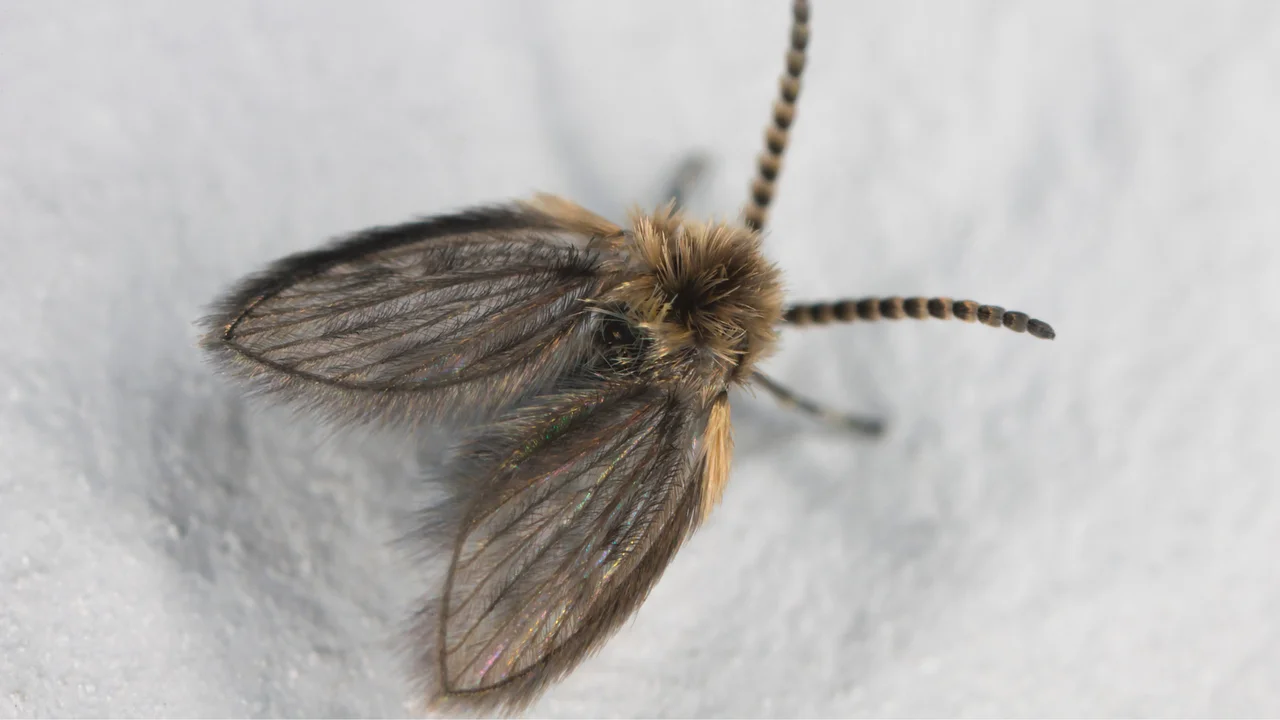
If you've noticed moth-like insects fluttering near your sink or sluggish drainage, it’s likely a sign of drain flies. While these pests don't pose a direct threat to human health—they don’t bite, sting, or transmit diseases—they can indicate plumbing issues that, if left unchecked, might escalate into more serious problems. Thus, understanding how to manage these insects is not just about cleanliness; it’s also about maintaining a functioning plumbing system.
Drain flies thrive in moist, dim environments, often breeding in the organic matter that accumulates in kitchen and bathroom drains. These microscopic habitats can be particularly enticing, as drain flies can reproduce quickly, leading to an infestation. Fortunately, with the right approach, you can effectively eliminate these nuisances and restore order to your home. This isn’t a matter to overlook; unaddressed, these insects can multiply and represent an ongoing issue.
Steps to Eliminate Drain Flies
1. Identify the Source
Before launching into a cleaning frenzy, it’s paramount to locate the origin of the infestation. Start by examining your sinks, showers, and floor drains—these areas are prime breeding grounds for drain flies due to the accumulation of organic grime. Often unnoticed, this build-up can go back quite some time, creating a perfect environment for these flies to thrive. Identifying the source isn’t just an initial step; it's a critical part of the process that determines your success in eradication.
2. Clean Thoroughly
These pests are drawn to organic materials, so ensuring your drainage system is devoid of hair, grease, or leftover food is essential. Adam Juson from Merlin Environmental emphasizes using a stiff drain brush to scrub the inside of pipes effectively. This type of physical cleaning not only removes visible debris but also helps disrupt the life cycle of the flies. Once you’ve cleared the surface detritus, apply a natural cleaner made with equal parts baking soda and vinegar. Let this mixture sit before flushing with hot water. It's a simple yet effective method that utilizes common household items. Repeat this process every couple of days until you witness a significant decline in the fly population—this step is vital to break their breeding cycle.
3. Consider Additional Treatments
If manual cleaning doesn’t deliver satisfactory results, it might be time to escalate your efforts. Juson advises using a non-toxic biological drain gel or foam treatment, which are designed to break down stubborn organic matter and combat infestations more effectively. These products work by introducing enzymes and bacteria into your plumbing that actively consume the organic debris that attracts drain flies. It's an approach that can save you time, ensuring each cleaning effort works toward a much longer-lasting solution.
Key Cleaning Products
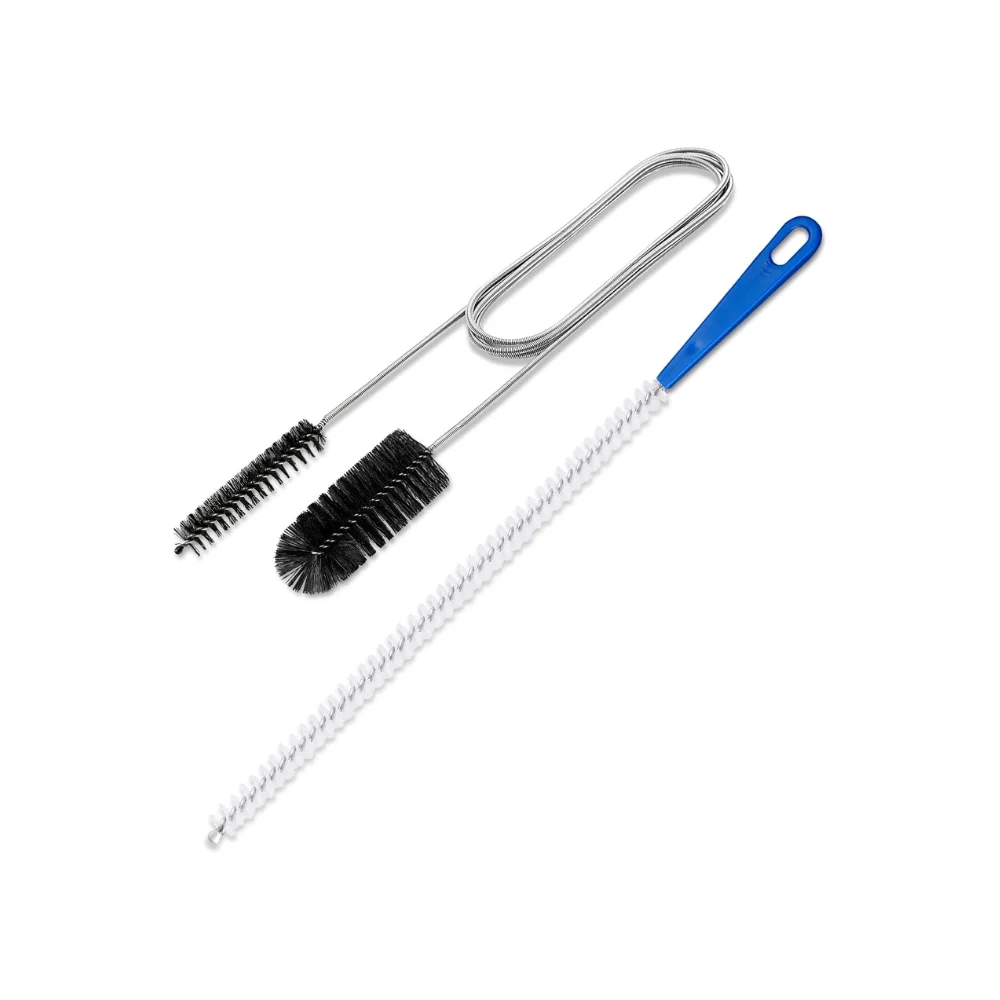
This kit includes a versatile pipe brush and unblocking tool, perfect for cleaning your drains thoroughly. Getting the right tools can make a huge difference in your cleaning efficiency.
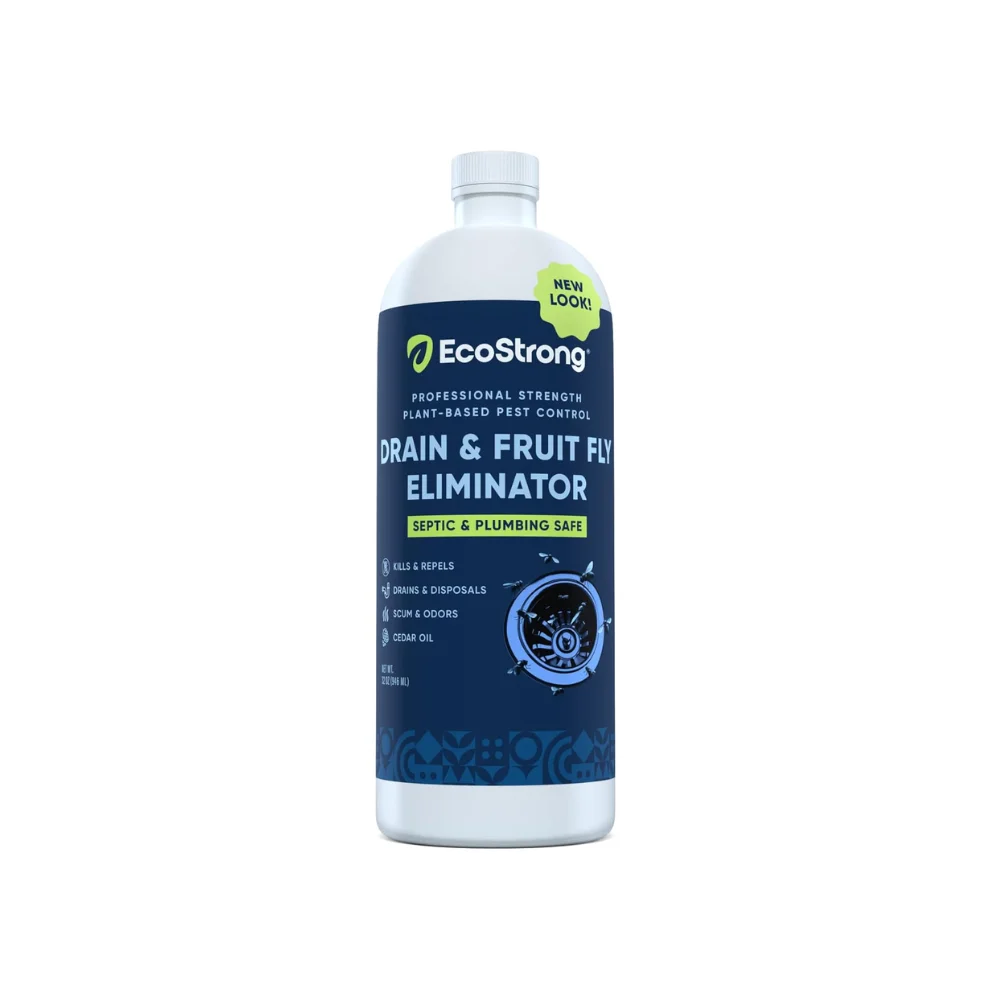
This natural solution dissolves drain scum while effectively killing and repelling drain flies. It’s a safer alternative that doesn’t compromise on effectiveness.
Timeframe for Removal
If you follow the recommended cleaning protocols, you could see a shift in drain fly populations within just one to two weeks. This timeframe, however, hinges on thorough cleaning; Juson cautions that if remnants of their habitat remain, the flies are likely to persist. The stubborn nature of these pests deserves consideration, particularly if the conditions aren’t addressed correctly. And the reality is, you won’t see immediate results. Patience, along with judicious maintenance, can yield the breakthrough you need.
Preventing Future Infestations
To keep drain flies at bay, Juson recommends establishing a regular maintenance routine:
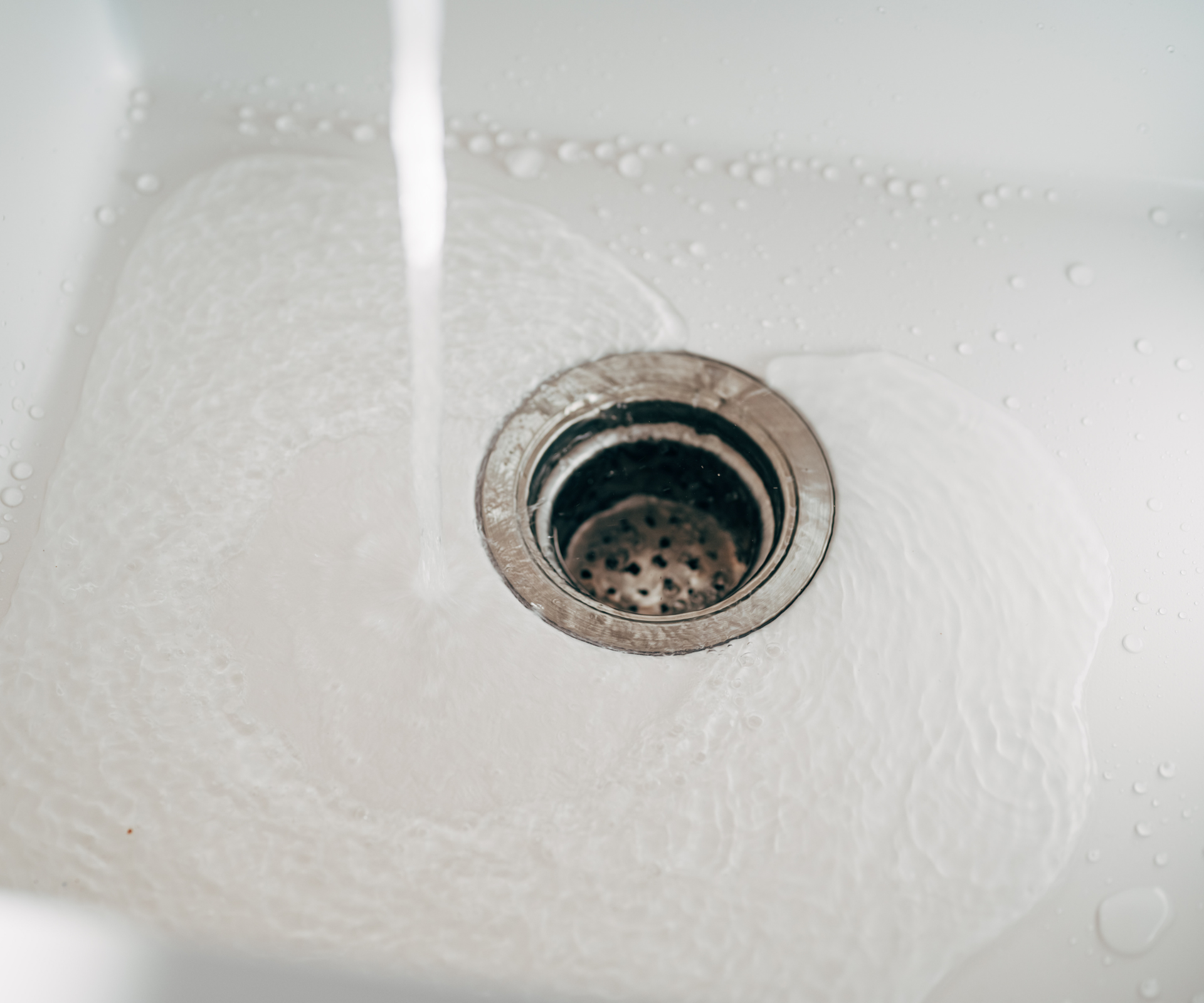
- Run water through rarely used drains weekly.
- Ensure drains are cleaned frequently to avoid organic buildup.
- Utilize a drain unblocker on slow-draining sinks.
- Monitor outdoor drains and gullies closely.
The idea here is simple—prevent the conditions that enable drain flies to breed. You’ll save yourself time and frustration in the long run. If you’re working in this space, consider incorporating these practices into your routine. You’ll likely find yourself with a cleaner, more efficient plumbing system.
Frequently Asked Questions
Are Drain Flies Harmful?
No, drain flies are not harmful since they lack the ability to bite, sting, or spread diseases. That said, a significant infestation can lead to plumbing complications, according to Darren Backhouse of MJ Backhouse Pest Control. Ignoring these pests might lead to plumbing challenges that could require more intensive intervention later on.
Implementing these expert strategies can swiftly transition your home from a drain fly hotspot to a pest-free environment. And this is the part most people overlook: regular maintenance is just as essential as the initial cleanup. Don’t let these flies take wing again in your space.
For more helpful pest control advice, check out our guides on eliminating silverfish and dealing with fruit flies.
Implications and Future Outlook
While drain flies may seem like a minor inconvenience, their presence can signal underlying plumbing issues. Ignoring these signals might lead to larger problems that could escalate in severity and cost. Addressing them promptly not only eliminates the annoyance of these insects; it also serves as preventive maintenance for your home’s plumbing. If these flies are an indication of neglect in drain upkeep, it can prompt homeowners to reassess their cleaning habits.
As we become increasingly aware of pest control measures, there might be a growing market for sustainable and eco-friendly solutions targeted at pest issues like drain flies. This shift could result in advancements in product development, emphasizing safety and effectiveness. You might not think about it, but the emergence of new, environmentally responsible methods could change the way we tackle everyday pests, making it easier for any homeowner to keep their environment safe and clean.


Discussion
Sign in to join the discussion.