Maximize Your Home's Functionality with Smart Electrical Socket Planning
Published Aug 20, 2026Reads 775Desk Natasha Brinsmead
Planning the number and placement of electrical sockets can enhance daily life and prevent future inconveniences in your home design.
There are many facets of home design that often get overlooked, but a little foresight can save you from potential headaches later on. One particularly underestimated detail is the careful planning of electrical sockets. It’s not just about their aesthetic appeal; the actual number and placement of sockets can significantly enhance daily life at home.
When contemplating how many sockets are necessary in each room, many homeowners fall into the trap of underestimating their needs. Martin Garbutt, who leads technical governance at Ding, emphasizes that thorough planning is essential. "The right number of electrical outlets depends largely on room size and usage," he suggests. As our dependence on technology continues to grow, it's wise to prepare for future needs rather than narrowly focusing on current requirements.
Ricki Wake, from Wake Electrical, highlights a common mistake: most people neglect to consider how their lifestyle might evolve over time. For those investing in a lifetime home, this long-term perspective becomes even more critical. "When I design a layout," Wake explains, "I assess how the room will function, including the placement of furniture. For instance, consider bedside tables, desks, and entertainment units." Planning ahead not only avoids future inconveniences, like running extension cords, but is also cost-effective during construction or renovation. Surprisingly, many clients express regret over not including enough sockets rather than the other way around.
Different rooms demand different socket counts. A media room, for instance, is likely to require more outlets than a children's bedroom. Evaluating each area individually helps tailor your socket requirements to the anticipated appliances and intended uses.
Room-Specific Recommendations for Socket Placement
**Kitchens: A Special Case**
Kitchens, arguably the hardest-working rooms in the house, require significant electrical capacity. The variety of appliances means a one-size-fits-all answer doesn't apply; instead, socket placement should be closely aligned with the types of kitchen equipment you plan to use. As Garbutt points out, "The kitchen is often the most demanding area for power, which is why it's typically on a separate circuit." Consider adding several sockets above countertops and in areas where devices, such as smartphones, will need charging.
**Living Rooms: Multi-Use Spaces**
Living rooms are often designed for relaxation and socializing, but they also house a multitude of devices and chargers. According to Garbutt, "Eight to ten sockets are usually ideal for living areas." It’s essential to have enough points near the TV setup for devices like gaming consoles and home theatre systems. Strategically placed sockets near seating can facilitate easy charging for mobile devices without the untidiness of extension cords.
**Bedrooms: Don’t Overlook Their Needs**
Bedrooms might be quiet sanctuaries, but they shouldn’t skimp on electrical outlets. Wake advises positioning double sockets on each side of the bed and additional outlets elsewhere. Garbutt suggests aiming for six to eight total, factoring in phone chargers and gadgets like hairdryers and styling tools as essential considerations.
**Home Offices: Future-Proofing is Key**
In today’s work-from-home culture, your home office should anticipate current and potential future needs. Garbutt recommends a minimum of six to eight sockets. This accounts for equipment like computers and printers, allowing wiggle room for future tech expansions without relying on cluttered extension plugs.
Smart Positioning Matters
Determining the ideal locations for electrical sockets is almost as crucial as the number itself. Garbutt emphasizes a thoughtful approach: “Visualize where you'll naturally use electrical devices.” Corners might work well for lamps and fans, while outlets should be conveniently situated near workspaces and entertainment areas. Keep them away from doorways to avoid hazards, and remember that sockets can also be integrated into surfaces like kitchen islands for practicality.
Choosing the Right Types of Outlets
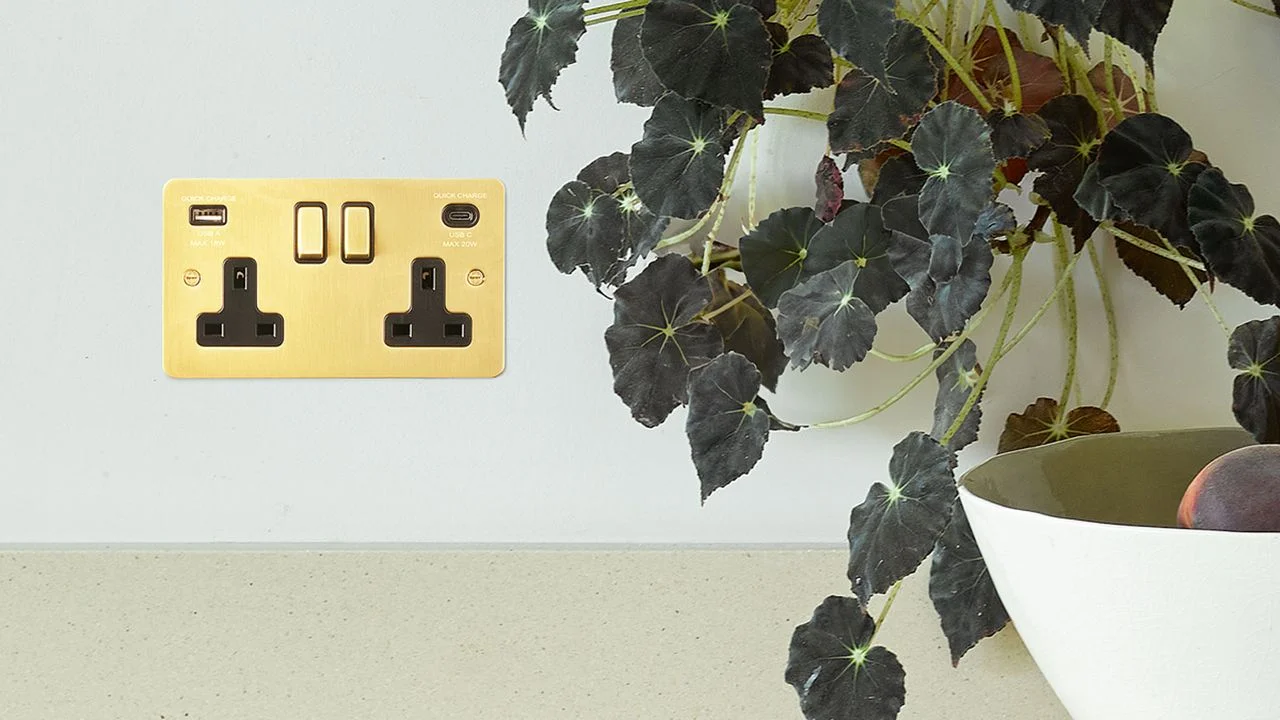
When selecting outlets, you’ll typically encounter double and single sockets, but there are modern alternatives worth considering. Smart sockets allow wireless control and monitoring through apps, making them great for hard-to-reach places or to check if you've left devices on. USB sockets can also expedite charging for devices like phones and tablets—especially in a busy household or a teen's room.
In short, planning for electrical sockets may not seem thrilling, but the implications for functionality and convenience are significant. Whether you’re in the midst of a renovation or considering future needs, thoughtful socket placement and selection can vastly improve your living space.


Discussion
Sign in to join the discussion.