The Ultra-Long Duration Energy Storage Challenge aims to promote innovative storage solutions, enhancing energy security and reducing costs for homeowners.
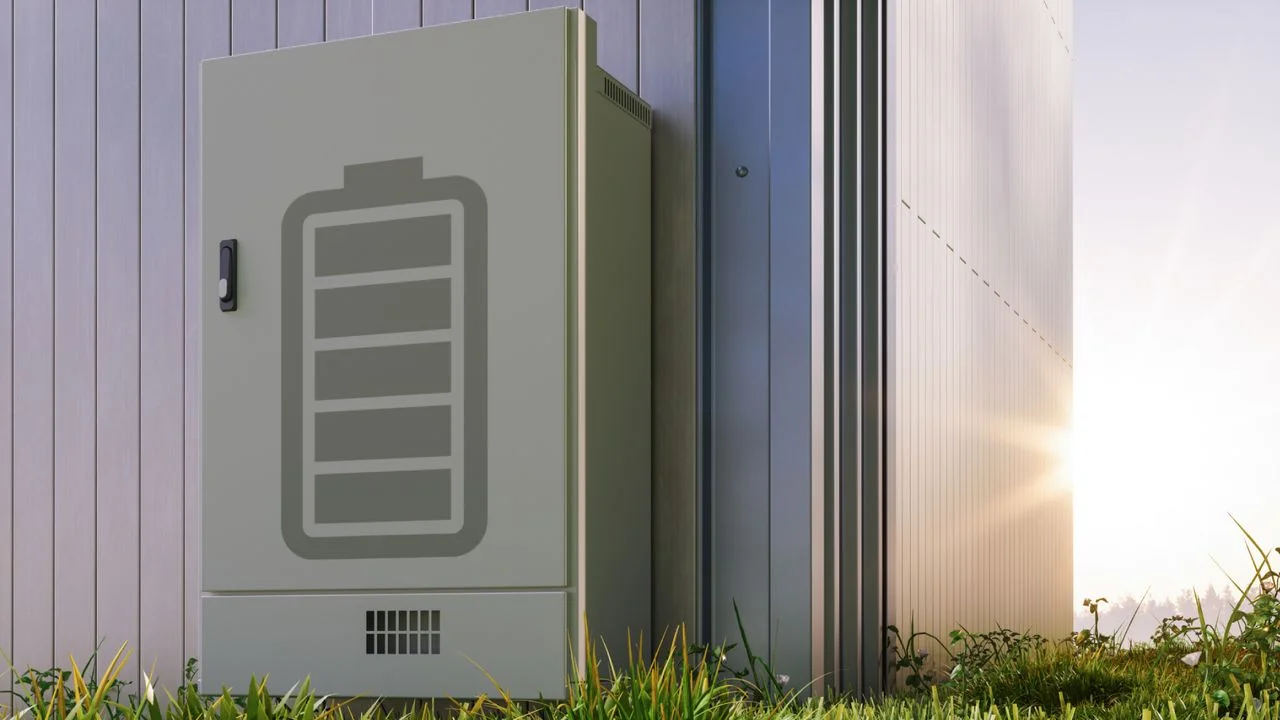
A fresh initiative named the Ultra-Long Duration Energy Storage (Ultra-LDES) Challenge has been announced, aimed at propelling advancements in long-term clean energy storage solutions. Funded with £28 million from the UK government via UK Research and Innovation (UKRI), the challenge invites technology firms to propose projects that can deliver at least 100 hours of energy for homes and businesses. This push represents an important part of the UK's strategy to create a more resilient energy framework, aligning with broader sustainability goals while also reducing reliance on gas during peak demand periods.
This effort represents a segment of the broader £102 million Clean Energy Challenge, which is designed to develop technologies that optimize electricity use during off-peak hours, prioritizing renewable sources to lessen dependence on gas and the National Grid. By focusing on optimizing electricity use, the initiative aims to encourage a shift away from traditional energy infrastructures, promoting cleaner solutions that mitigate the environmental impact of energy consumption.
Mechanics of the Challenge
The challenge emphasizes two urgent areas: enhancing battery capacities and exploring underground hydrogen storage systems. Currently, wind and solar energy—main renewable resources in the UK—are weather-dependent, meaning their reliability can waver. While these resources have great potential, their fluctuation can create gaps in energy supply when demand peaks. Without effective storage solutions, these gaps often require backup from less sustainable energy sources.
Solar energy could substantially benefit homeowners, particularly after a summer filled with heatwaves, yet existing solar battery capabilities limit this potential. The Challenge asks firms to focus on developing larger batteries capable of powering a home or business for up to four days and underground hydrogen storage that can release energy as needed. The development of these technologies could fundamentally change how energy is stored and consumed, allowing for greater utilization of renewable sources while minimizing reliance on fossil fuels.

Benefits for Homeowners
Beyond addressing the global fight against climate change, advancements in clean energy storage are set to provide homeowners with significant shielding against the escalating energy costs witnessed recently. As energy prices fluctuate and inflation impacts household budgets, improved access to better storage and alternative energy forms will lessen our dependence on the National Grid. This isn't just about saving money; it’s about establishing energy independence. In an era where energy resources can become a point of contention, this shift provides a more stable energy security.
Energy Minister Michael Shanks emphasized, "Homegrown clean energy represents our path to more affordable utility bills and enhanced energy security, while storing it for peak usage is vital." This sentiment reflects a growing recognition that domestic energy production can play a significant role in balancing energy costs for residents.
He added that this £28 million initiative backing emerging battery technologies and hydrogen storage "can lead to reduced reliance on costly gas generation, establishing a more secure energy framework." The potential impact of underground hydrogen storage, according to government forecasts, could lower overall energy system costs by £14 billion to £50 billion between 2035 and 2050. That's a significant savings that could be redirected into other areas of public investment and growth.
Insights from Energy Experts
Energy expert David Hilton from Homebuilding & Renovating praises the initiative, noting that energy storage has long been seen as a missing piece in future energy strategy. "While we possess the ability to generate clean energy in various manners, matching production with consumption remains a challenge," he explained. This challenge isn't unique to the UK but is echoed globally, highlighting the urgency for standardized solutions.
Hilton believes long-term, effective storage mechanisms could unlock the full potential of energy production, allowing for the storage of energy generated at peak times for later use. "Exploring storage solutions beyond conventional battery technologies—like hydrogen, supercapacitors, or emerging methods—marks a proactive step towards a sustainable energy future," he concluded. The pressing question remains: can the private sector and innovators meet the expectations set by this challenge?
Concurrent Competition for Further Innovations
In tandem with the Ultra-LDES Challenge, UKRI will also host a competition offering up to £3 million to support research in electrochemical ultra-long duration energy storage technologies. This multi-faceted approach underscores the UK’s commitment to energizing the tech landscape in clean energy storage.
The timing is crucial. As Ofgem consults on initiatives to support 16 long-duration electricity storage projects, this launch signals a commitment to invest in long-dormant pumped storage hydropower projects in the UK, paving the way for a more self-sufficient energy system. If you're working in this space, the next few years could be transformative.
Implications for the Future
This initiative is more than just another funding effort—it's a clear indication that energy storage technology is maturing. While the focus on ultra-long-duration systems is commendable, it's essential to keep a critical eye on implementation and scalability. The challenge not only incentivizes innovation in energy storage but may also set precedents for government support in clean energy projects.
The government’s active role in shaping this market could accelerate energy transitions in ways we haven’t fully grasped yet. And yet, whether this momentum translates into tangible benefits for consumers and the environment remains to be seen. The stakes are incredibly high, and this could be a pivotal moment for the UK energy sector.



Discussion
Sign in to join the discussion.