PolyMO, a virtual pet aimed at addressing doomscrolling, blends nostalgia with clever engineering to help users regain control over their digital habits.
Many people are familiar with the phenomenon: you check your phone for a quick notification, only to find yourself lost in a vortex of endless content. This isn't merely a lack of self-control; it stems from app designs deliberately engineered to keep users engaged for longer periods. Over the years, tech companies have honed algorithms that prioritize engagement over well-being, often to the detriment of users' mental health. While screen time limits and app blockers serve as helpful nudges, they're often easily ignored, lacking a personal and immediate impact. What users really need is a tool that tangibly highlights the costs of excessive scrolling—something that resonates emotionally and psychologically.
A Creative Solution: PolyMO
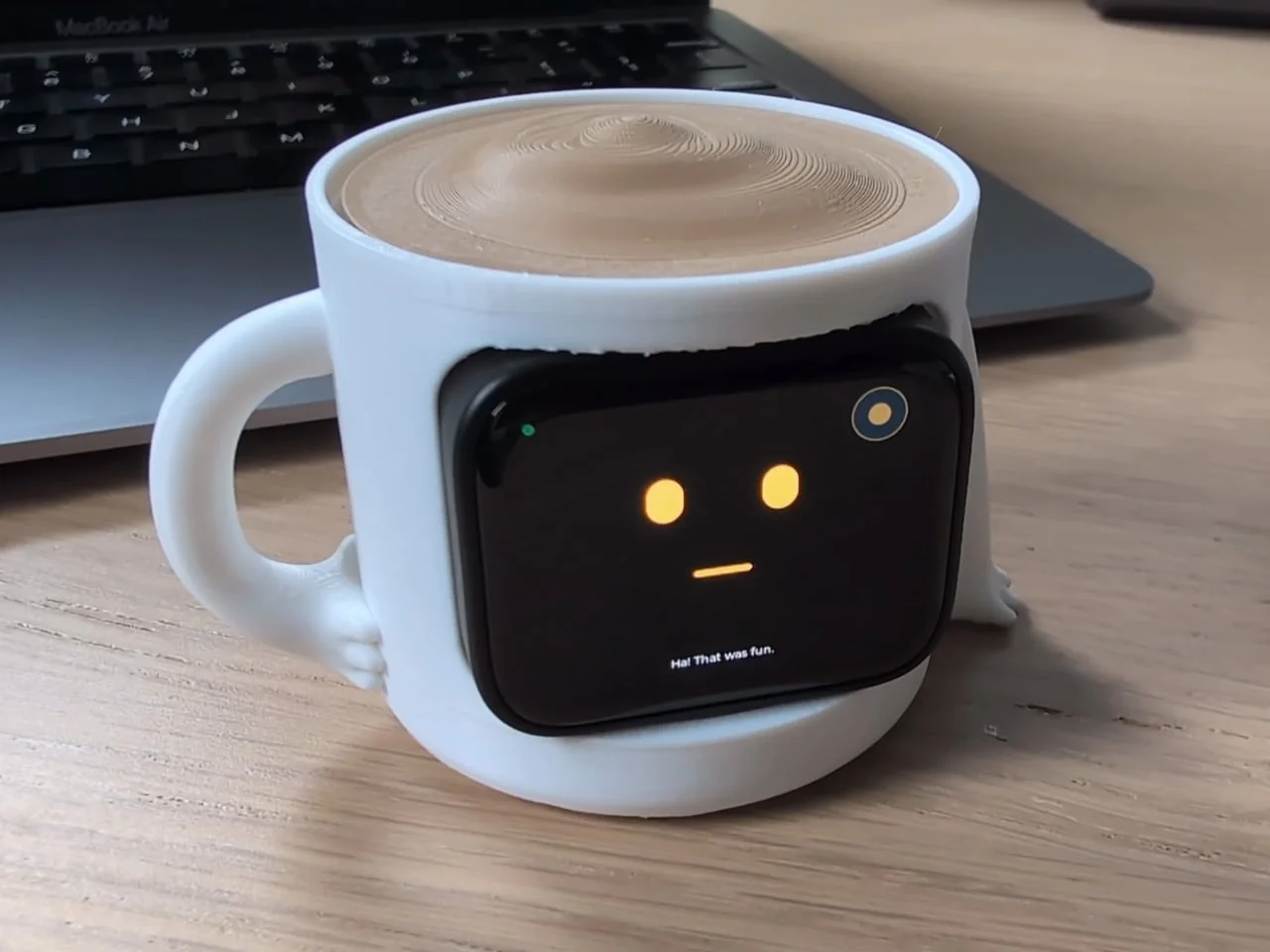
A creative YouTuber named brenpoly has crafted an interesting solution to combat this issue. The project, called PolyMO, functions similarly to the well-known Tamagotchi but with a critical twist. Users must care for the pet, ensuring it is fed, engaged, and healthy. If they choose to doomscroll too long, however, the pet becomes visibly unwell and could ultimately perish. This nostalgic component isn't just for fun; it effectively elicits guilt and emotional response, recalling the remorse many felt when their Tamagotchis died from neglect. It taps into a universal experience, one that many users can relate to—making the stakes personal.
Thoughtful Engineering: More Than Just a Pet
However, what truly sets PolyMO apart isn't just the emotional management but its thoughtful engineering. The entire device is powered by a cost-effective ESP32 board, encased in a user-friendly 3D-printed shell, while an Android phone handles more intensive computations. Brenpoly aptly describes this setup as "split-brain," where the phone runs local language and speech recognition models independently, keeping all pet interactions securely off the internet. This distinction from cloud dependency highlights an essential concern in modern tech—a heavy reliance on internet services often comes with privacy trade-offs.
This independence from the cloud is invaluable. Users are often unaware of how they relinquish their personal data in exchange for convenience. PolyMO exists outside this trade-off, requiring no subscriptions, accounts, or third-party data harvesting. For around fifty dollars in parts, users can create a fully-owned virtual pet that puts them in control. In an age where digital privacy is increasingly compromised, this simpler solution is refreshing. It's an empowering alternative to the typical tech trade-offs.
Personality Features: A User-Friendly Experience
The charm of PolyMO extends into its personality features. Users can select from different pet moods and configure quiet hours to prevent disruptions during late-night hours. A dark mode option adds a layer of customization to the display, appealing to users who might prefer a less obtrusive interface. This balance of fun and functionality addresses a significant concern: it avoids heavy-handed admonitions while maintaining enough engagement to encourage responsible behavior. By providing a degree of customization, Brenpoly ensures users feel a personal connection to PolyMO, incentivizing them to adhere to healthier digital practices.
Implications and Future Outlook
While it’s unlikely that a virtual pet can completely repair an individual’s relationship with their smartphone, it represents a fresh approach amid discussions of social media addiction and the implications of technology on our lives. Brenpoly acknowledges that PolyMO doesn’t offer a simple solution; rather, its essence lies in creating a form of friction that can help disrupt unhealthy habits. Sometimes, all it takes is a small push to initiate change. This model could influence future tech design, possibly paving the way for products that prioritize user well-being over constant engagement. If you're working in this space, consider the broader implications of creating products that recognize the human experience, rather than solely commercial interests.
Open-Source Philosophy: Empowering Users
One of the most appealing aspects of PolyMO is its open-source nature. Brenpoly has shared all build files, code, and assembly instructions on GitHub, allowing anyone with basic technical skills to create their version or even enhance the project. This model contrasts sharply with the closed ecosystems many current apps operate within, where companies seek to maximize user retention at all costs. Instead, PolyMO empowers users with autonomy, fostering a sense of ownership over their digital interactions. No endless subscription fees, no data collection—just a straightforward experience focused on personal well-being. And this is the part most people overlook; the simplicity and honesty reflect a growing desire for meaningful engagement in technology.
In discovering this uniquely personal approach to managing technology use, it seems that nurturing a little creature can serve as a gentle reminder to embrace healthier digital habits. Perhaps, in that simplicity, lies the start of something more meaningful, positioning PolyMO as a potential catalyst for a broader conversation about how we interact with digital devices. The significance of such projects might be underestimated, but they hold the potential to inspire change in a culture that often prioritizes engagement over well-being.


Discussion
Sign in to join the discussion.