Transform your living spaces with strategic lighting choices that enhance beauty and practicality, creating atmospheres tailored to your lifestyle.
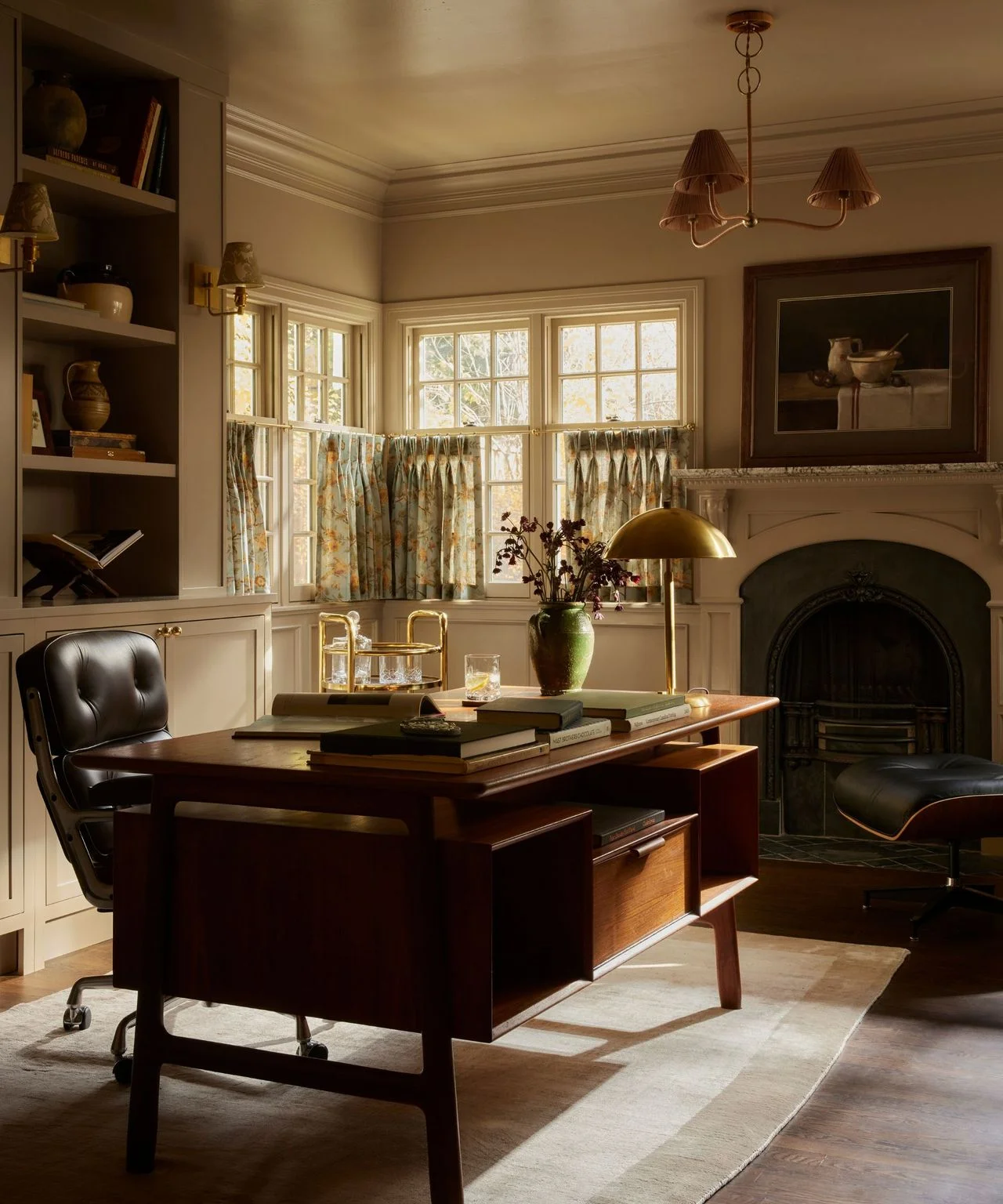
Lighting often takes center stage in the initial stages of home design, influencing both aesthetics and functionality. Designers recognize that the illumination scheme is crucial, often determined even before furniture selections or the installation of drywall. A thoughtful approach to lighting serves to elevate the design and usability of a space significantly.
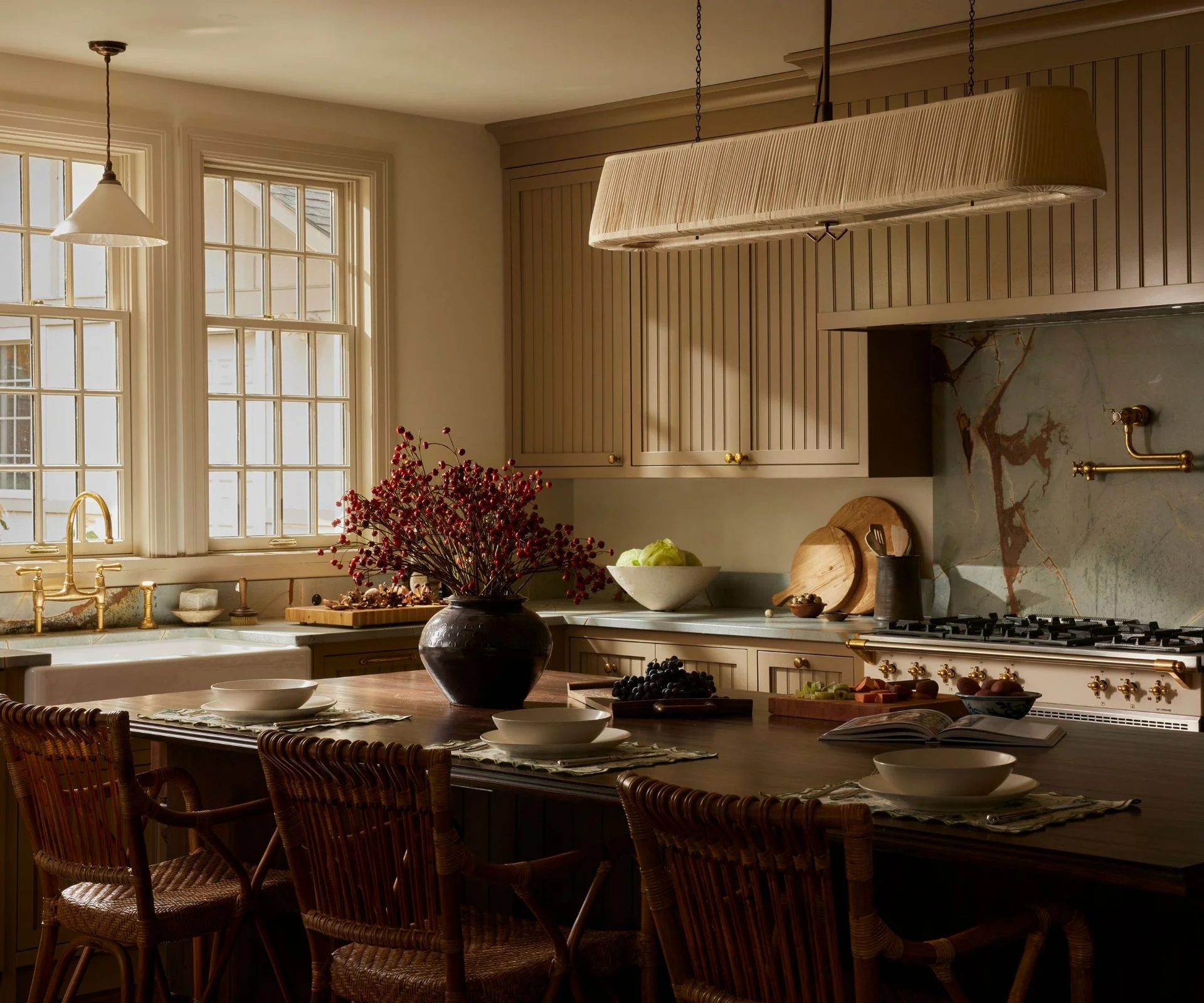
Prioritizing the furniture layout before the home's construction is a common practice among designers. Understanding where each piece will be placed—including sofas and dining tables—is fundamental to planning effective lighting. For instance, the location of bedside sconces hinges on the bed's placement and required functionality, while a chandelier must correlate with the dining table's size and position. The placement of each light fixture can significantly impact the room's usability and ambiance.
It's surprising how often lighting is seen as an afterthought, only to leave homeowners puzzled about dim spots or poor fixture placements after the space is complete. However, achieving an effective lighting scheme isn’t as daunting as it might seem. Here are some essential lighting principles that can guide your design decisions:
1. Layer, Layer, Layer
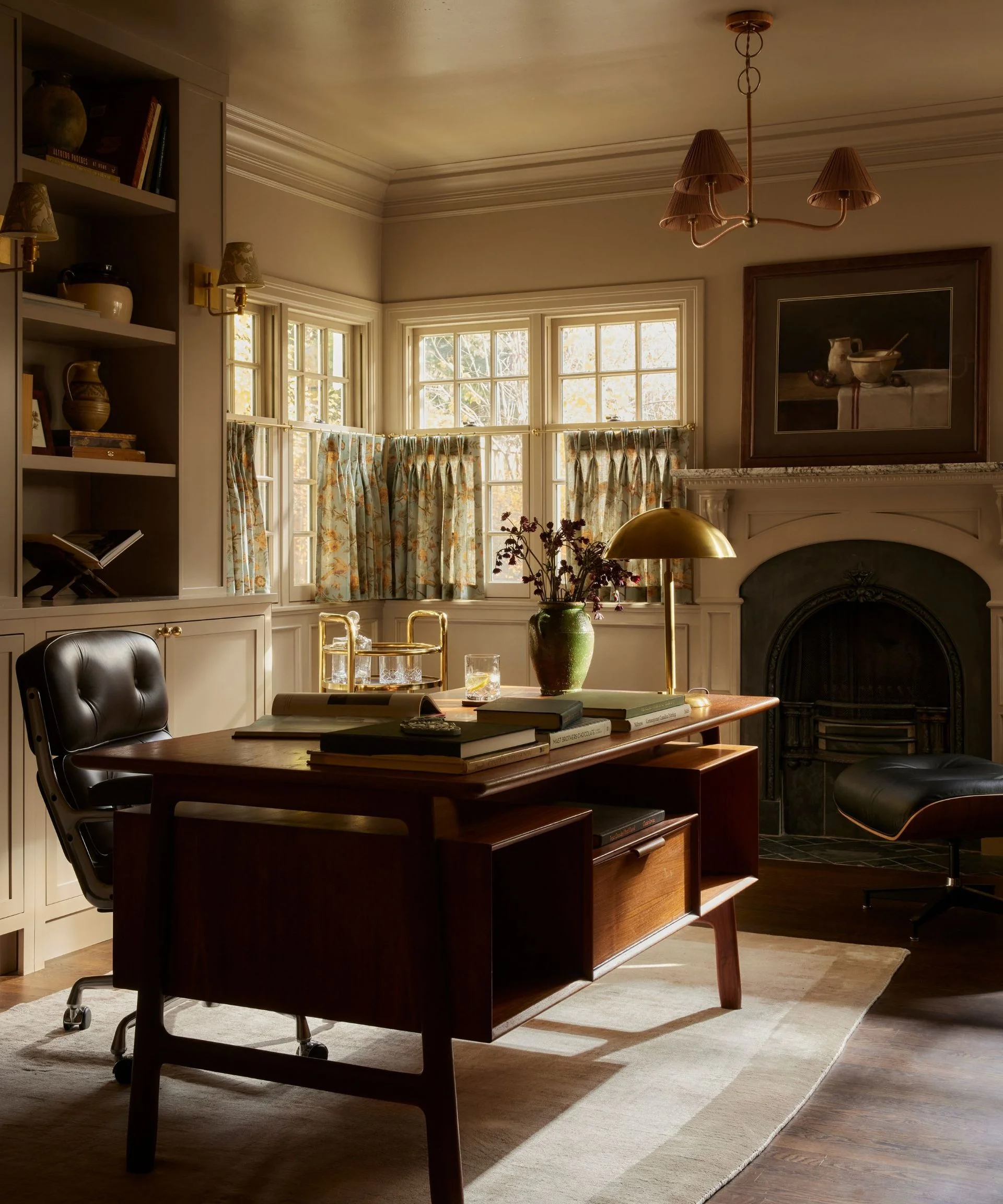
Effective lighting is all about layering different types of fixtures. Elements like wall sconces, floor lamps, table lamps, and chandeliers play critical roles in defining the room's atmosphere. A well-mixed lighting strategy avoids a clinical showroom look and instead creates depth and personality. A space devoid of varied light sources can feel flat and uninviting.
Visualize your lighting scheme as a dynamic composition: just as you wouldn’t dress a room in a single style, you shouldn’t rely solely on one type of lighting. Instead, combine various fixtures at different heights and styles. This approach allows the lighting to enrich the space rather than dominate it.
2. Yes, You Need Pot Lights
While there's a common disdain among designers for pot lights due to their tendency to create stark lighting, they serve an important purpose for functional illumination. These fixtures are essential for tasks such as cleaning, organizing, and ensuring safety in darker winter months. Adequate ceiling height must be taken into consideration when utilizing pot lights, as their effectiveness can diminish if not strategically placed.
Don't assume that simply installing a multitude of pot lights will resolve your lighting concerns; efficiency stems from thoughtful arrangement. It's vital to balance the distribution of light within a room, preventing an overemphasis on the ceiling while neglecting the overall luminosity of the area.
3. Don't Be Afraid of Scale
Bringing bold chandelier choices into your designs can add a dramatic flair if done wisely. Utilizing dimmers enhances versatility, allowing fixtures to adapt from bright task lighting to ambient evening settings. Scale is subjective; a large chandelier can transform the character of a space, whether it occupies a cozy nook or an expansive dining area. Go beyond the notion that larger spaces require larger fixtures; unexpected designs often yield the most captivating arrangements.
Lighting should be adventurous. If you’re blessed with high ceilings, take advantage of that height with striking fixtures. Just ensure that you assess placement as fixtures often appear smaller when elevated. Embrace the uniqueness of each space rather than conforming to conventional thinking.
'Your lighting doesn't need to behave itself. A room should never rely on one lonely ceiling fixture to do all the work'
4. Warm, Always Warm
Color temperature significantly influences a room's atmosphere. For residential settings, warmer light tones create an inviting ambiance, while the harsher daylight bulbs can detract from the beauty of the space. Therefore, opt for colors that enhance the richness of materials, promote softness in textiles, and provide a cozy environment. Remember, the light's influence is paramount, regardless of how attractive the fixture itself may be—harsh lighting will overshadow any aesthetic appeal.
5. No Outlets? No Problem
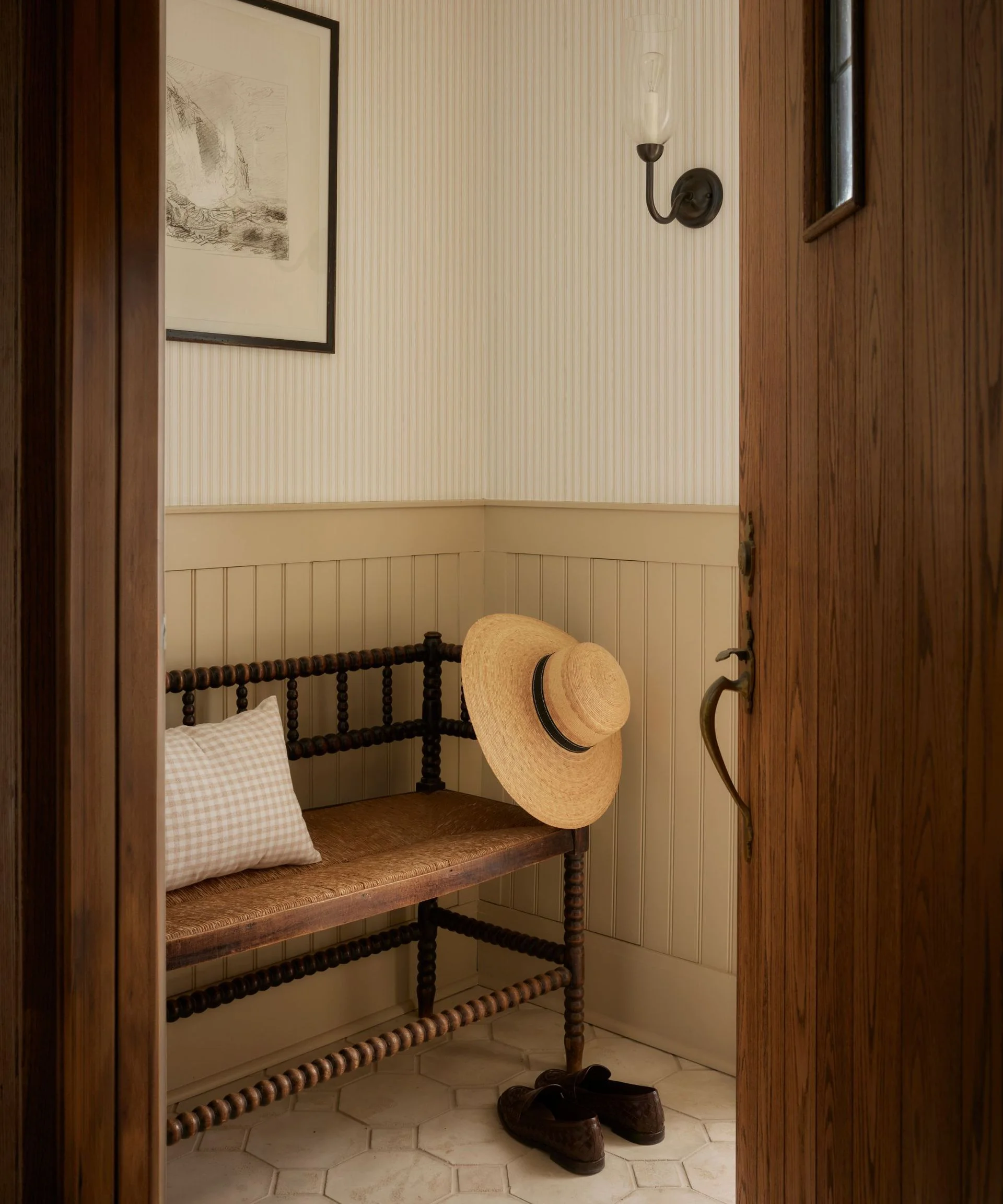
The introduction of cordless lamps and battery-operated lighting has transformed the design possibilities in modern interiors. These advancements allow for more flexible lighting arrangements, enabling stylish designs without the hassle of unsightly cords. Battery-powered sconces, for example, can complement your decor while providing essential lighting without the need for complicated installations.
These innovations are particularly beneficial for renters or those who frequently change their decor, permitting the addition of functional lighting in challenging spots without committing to extensive electrical work. The resultant freedom to adapt enhances creativity in the design process.
6. The Bottom Line
Effective lighting design is not about saturating ceilings with fixtures; it's about crafting varied layers of light that harmonize with the spatial dynamics of each room. Start with functional solutions, incorporate decorative elements, and utilize lamps at eye level to create inviting spaces. Keeping lighting warm and visually interesting by mixing styles and utilizing dimmers can elevate your home's ambiance.
Ultimately, the best-lit rooms are those that adapt to daily life—bright enough for practical tasks when needed yet soft enough to evoke a sense of calm and tranquility when called for. Plan lighting with as much intention as you do your furniture, and you'll create spaces that truly reflect your lifestyle.
Interior designer Ashley Montgomery is one of Homes & Gardens' Editors-At-Large for By Design, sharing her thoughts on decor. See the rest of her articles here.
Love beautiful design ideas, expert advice, and inspiring decor trends? Sign up for our newsletter and get the latest features delivered straight to your inbox.

Discussion
Sign in to join the discussion.