A focused seed-starting kit can make sowing more precise and keep packets, seedlings and planting records organized.
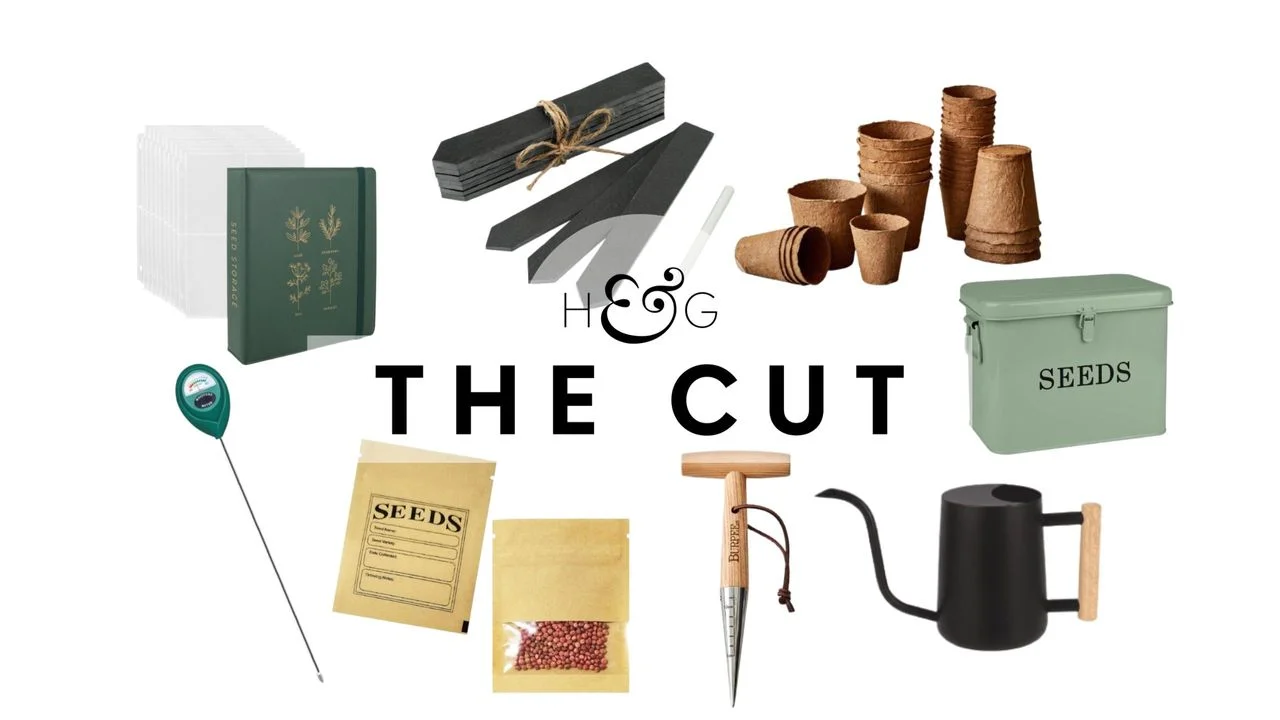
Seed sowing is easier to manage when a few small tools take care of the repetitive jobs: spacing seeds, making holes at a consistent depth and keeping varieties labeled. Each task can seem minor when you’re planting one tray, but the chances of mistakes rise as you work through a longer list of flowers or vegetables. That’s especially true during spring and fall sowing, when several varieties may be started close together and seedlings can look alike before they develop distinctive leaves.
Make sowing more precise
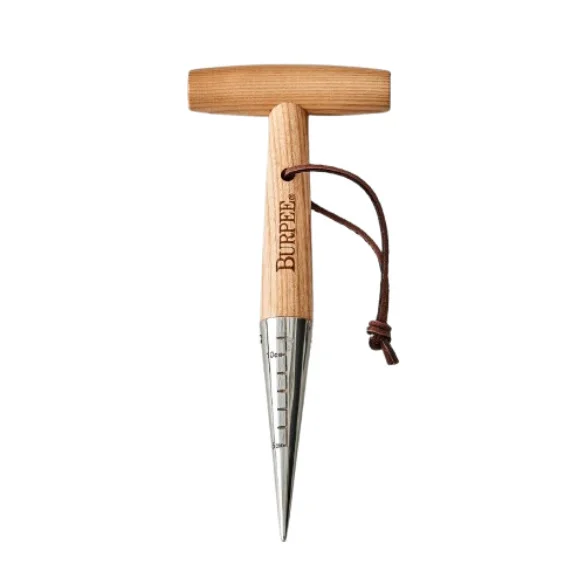
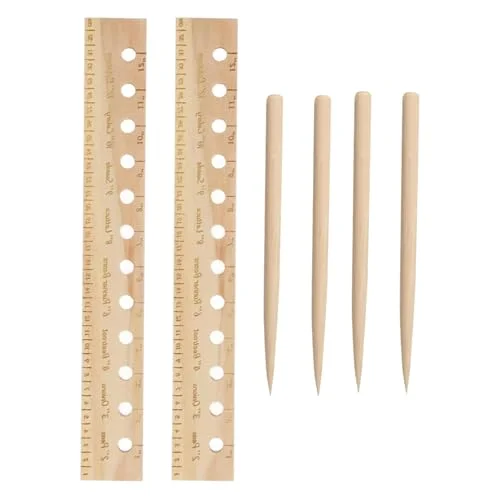
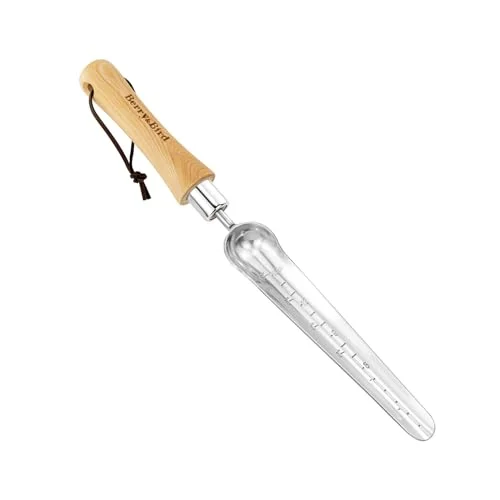
A dibber creates planting holes at a consistent depth, which helps make sowing more orderly across a tray or garden bed. A seed spacer can set seeds at intervals that leave seedlings room to grow, though the right spacing still depends on the variety and the instructions on its packet. These tools reduce guesswork; they don’t replace checking what each seed needs.
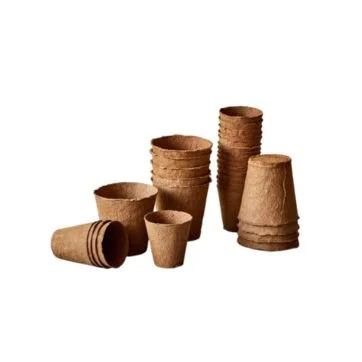
For varieties that dislike transplanting, plantable fiber pots let you start seeds indoors and move the pots directly into the garden. That can limit disturbance to the roots during planting. The pots also give seedlings a defined place to grow while they’re indoors, but they still need suitable light, water and timing before they’re ready to go outside.
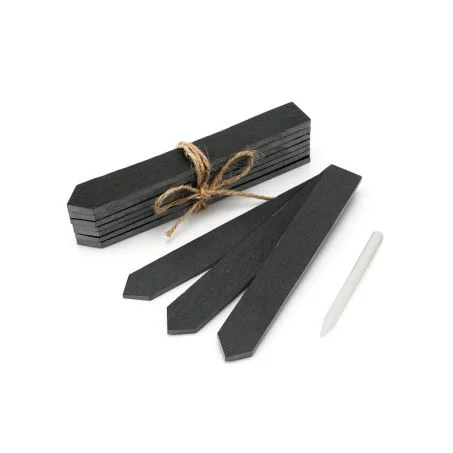
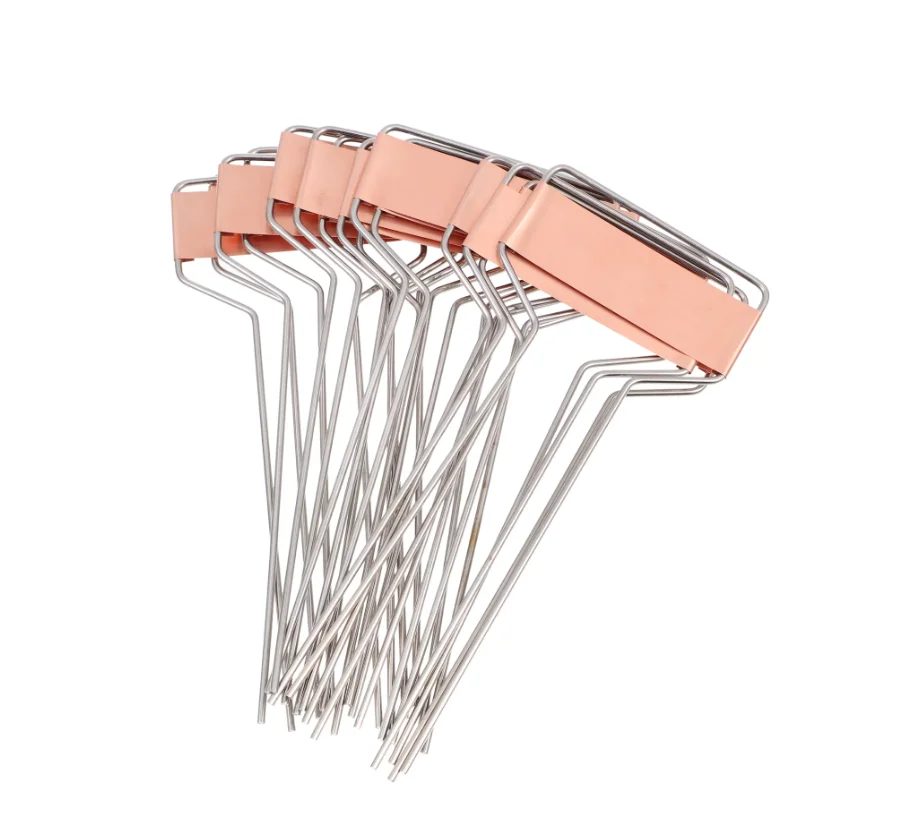
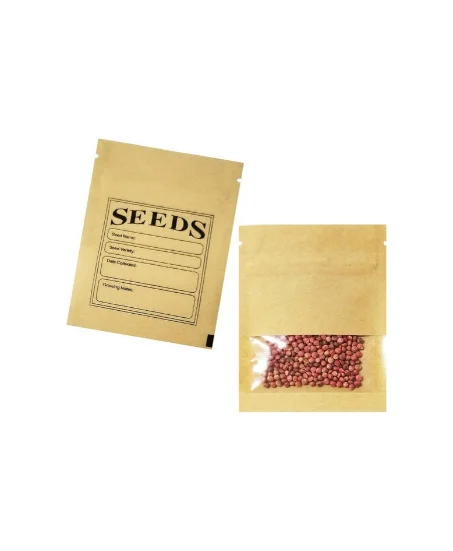
Once seeds are down, labels help prevent mix-ups as seedlings emerge. Slate or copper markers can identify what’s growing where, while seed envelopes with room for a variety name and collection date keep useful details with seeds saved from the garden. The date matters because saved seed can be harder to identify once it’s separated from the plant it came from.
Keep seed supplies in order
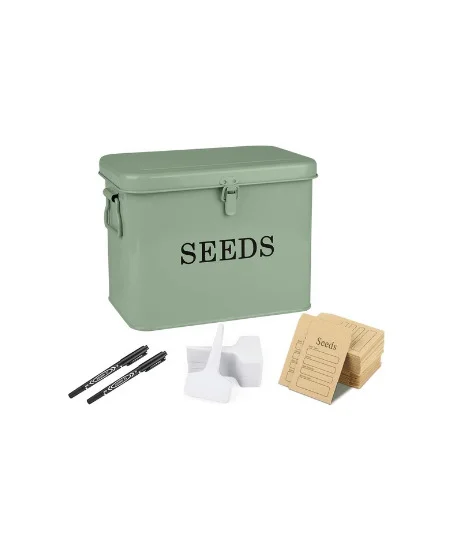
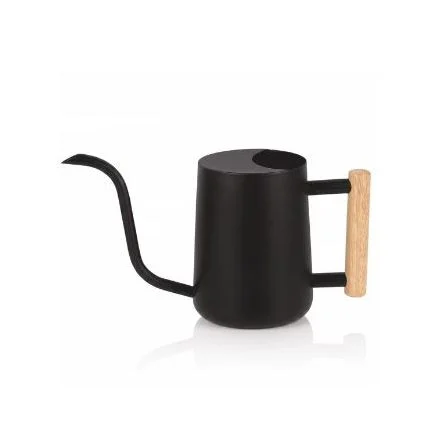
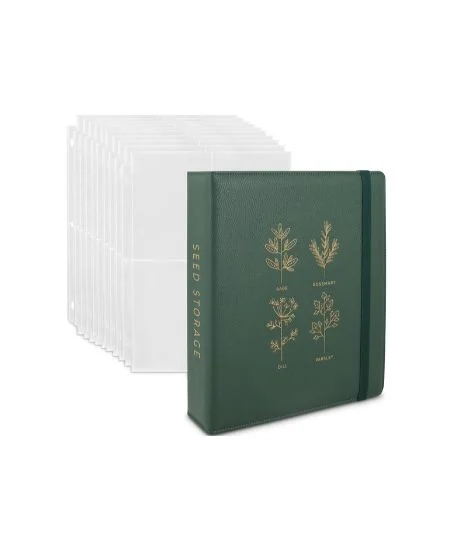
Seed tins and binders give purchased packets and collected seeds a dedicated place between seasons. That organization makes it easier to find the varieties you want and keep saved seed details with the packets, instead of relying on memory when the next planting window arrives. A small watering can can help deliver water to trays gently, reducing the chance of washing newly sown seeds out of position.
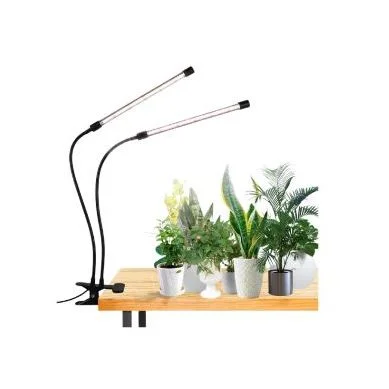
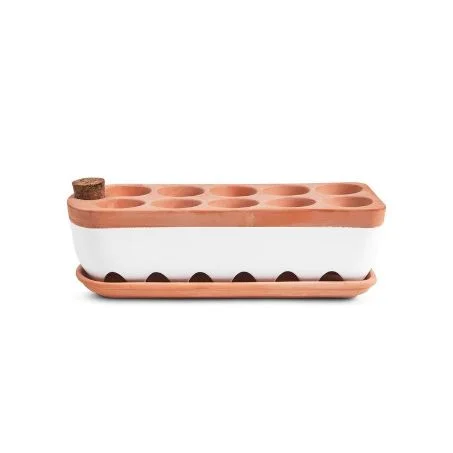
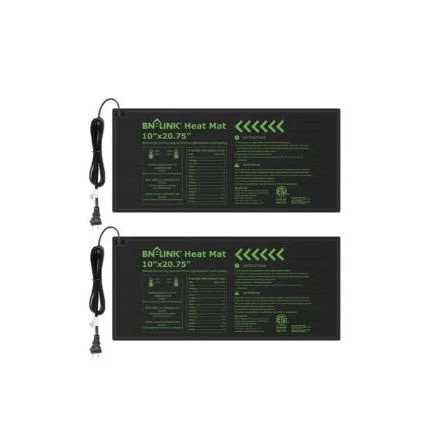
Indoor setups may also call for a seed-starting tray, grow light or heat mat, depending on the conditions your seeds need. A tray keeps pots or cells together; a grow light can help when available window light is limited, and a heat mat may suit seeds that need warmth to germinate. Those tools address different conditions, so buying them as a set isn’t automatically useful.
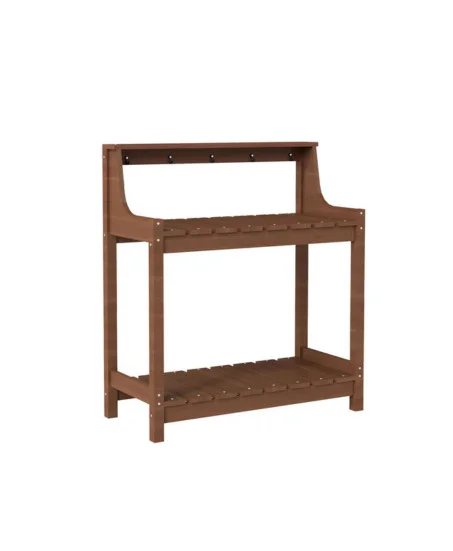
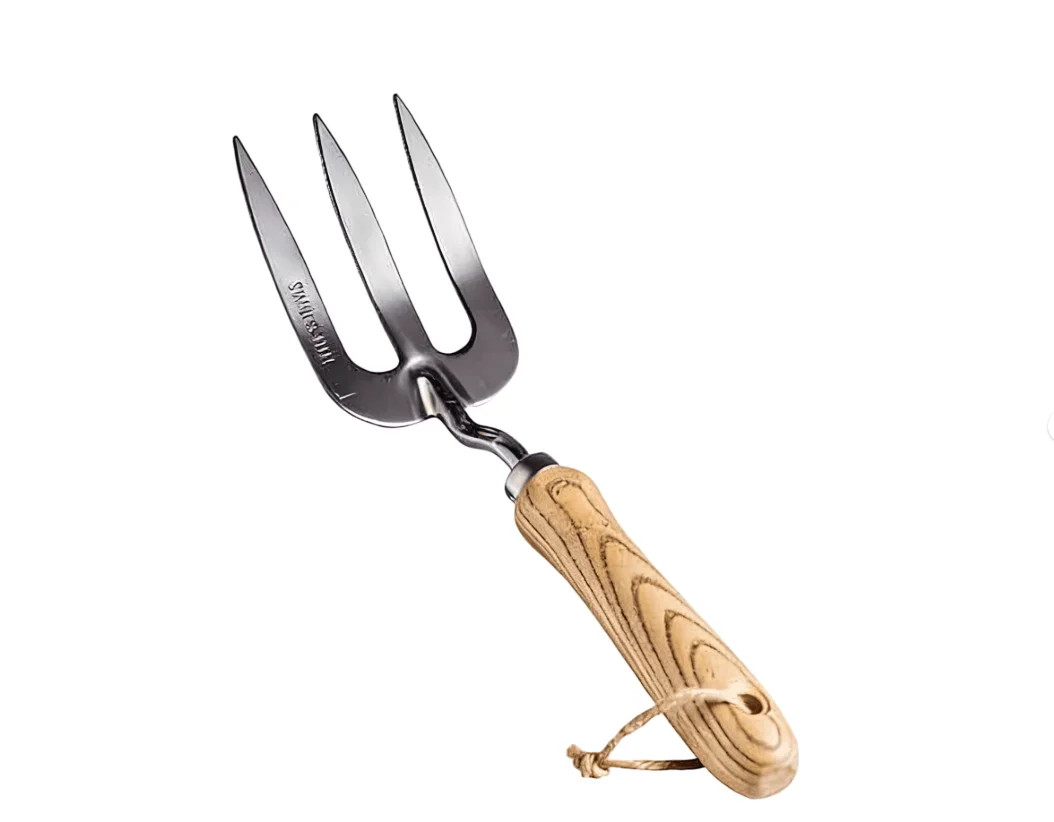
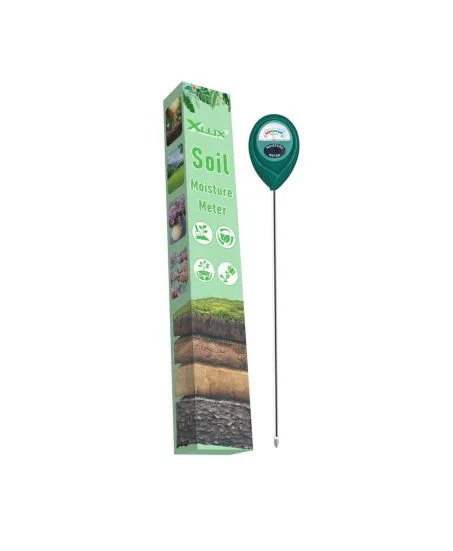
A moisture meter can help track soil moisture, though it’s only one input when deciding whether seedlings need water. A hand fork and potting bench provide practical support for preparing and tending seedlings, especially when you’re working with several containers or batches. Here’s the thing: an organized workspace saves time only if the tools fit the scale of the planting you actually do.
Good tools still need good technique
Equipment can make planting less fiddly, but it won’t compensate for crowded sowing or unsuitable soil. Choose a seed-starting mix with drainage and nutrients suited to germination and early growth, and follow the packet’s guidance for depth and spacing. Seeds vary, so a tool that makes one step easier can’t make every variety respond the same way.
If too many seeds sprout in one spot, thin the seedlings once they’re large enough, leaving the strongest plants with room to develop. It can feel wasteful to remove healthy sprouts, but crowding can leave the remaining seedlings competing for space, light and water. A measured start helps; selective thinning is sometimes still part of the job.
Build a kit around your routine
This is more significant than it looks: clear labels and reliable records can determine whether saved seed remains useful from one season to the next. Sowing tools help with placement, storage tools keep packets accessible, and indoor equipment supports the conditions young plants need. The value comes from how these pieces work together, not from the number of items on a bench.
If you’re working through many varieties, start with the tools that address your recurring problems: precise sowing, clear records or gentle watering. What this means for you is a kit shaped by your planting habits, whether you raise seedlings indoors, sow directly in beds or save seed for later. The next round of spring or fall planting should be easier to manage from packet to seedling.



Discussion
Sign in to join the discussion.