The recent trend of stainless steel serveware rebrands traditional Indian dishes, sparking discussions on cultural origins and authenticity in design.
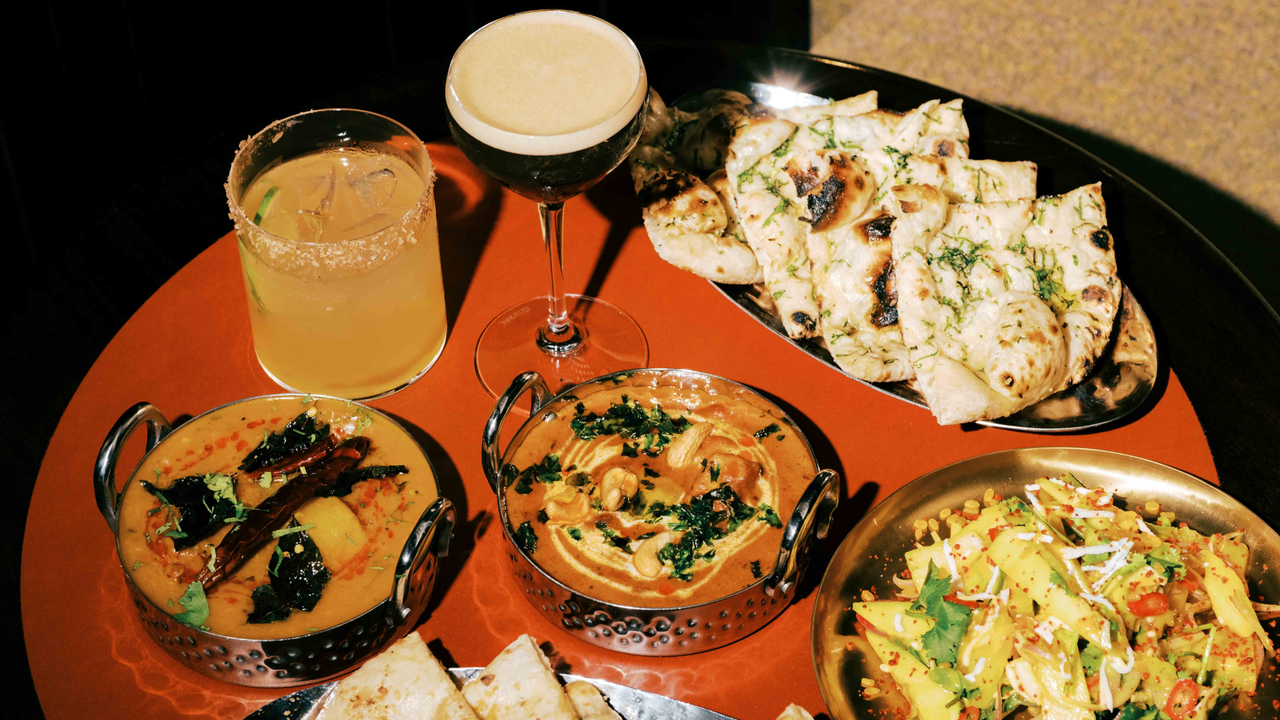
In the heart of many Indian households, the sight of stainless steel serveware is commonplace, evoking nostalgia and practicality. These dinnerware pieces, particularly thalis and katoris, serve as both functional items and cultural signifiers. As these traditional elements resurface in Western markets through a contemporary lens—often touted as trendy or modern—there's a growing conversation about the authenticity and cultural significance behind these designs.
Roots of Stainless Steel Serveware in India
For those from South Indian Tamil backgrounds, stainless steel is more than just dinnerware; it's a staple material that reflects the evolution of food service. Ananth Ramaswamy, founder of Arall, points out that post-independence industrialization made stainless steel a ubiquitous feature in Indian kitchens, largely replacing brass and bronze in daily use. "We cooked with it, served with it, and ate from it," he recalls, highlighting its affordability and hygiene.
This shift also contributed to a broader cultural movement where Indian design began integrating modern materials into traditional forms. As Ramaswamy notes, the aging process of stainless steel, from polished sheen to a softer, brushed surface, tells a story of use and history that resonates with many.
Understanding Cultural Rebranding
The recent emergence of stainless steel serveware as fashionable décor raises questions about cultural rebranding. When a traditional thali is marketed as a "chrome jewelry dish," it risks losing its original context, stripping the piece of cultural narratives. Ramaswamy emphasizes the importance of acknowledging the history behind objects: “[It’s] about who gets to tell the story.” When cultural elements are repackaged without recognition, they become commodified trends rather than celebrated artifacts.
It isn't merely a matter of aesthetics. The perception of materials plays a significant role in this dynamic. In many cases, stainless steel is regarded as lower class compared to porcelain or ceramic. This classism, as Ramaswamy suggests, is unfounded: “Stainless steel is one of the most sensible and beautiful ways of serving and eating Indian food.” The value imbued in these serveware pieces should align not just with their functionality but with their cultural significance as well.
Navigating Cultural Exchange in Design
As the dialogue around design and its cultural implications grows, so does the responsibility of both consumers and brands. Ramaswamy asserts that businesses must inform their customers about the origins and uses of the items they sell, fostering a deeper appreciation for the stories each piece carries. Transparency in design enhances its intrigue; recognizing an object’s history enriches the experience of owning it.
Cultural exchange can enrich design, but it requires a thoughtful approach. Instead of expecting consumers to conduct extensive research for every purchase, brands should cultivate an awareness of the history behind the products they offer. In many cases, simply being cognizant of an object's roots can enhance its value and relevance within modern contexts.
Embracing Tradition While Acknowledging Modernity
For those who appreciate the aesthetic of stainless steel serveware, extending a thoughtful narrative when showcasing these items can turn casual admiration into respectful acknowledgment. Whether hosting dinner parties or sharing meals with family, incorporating these traditional pieces can spark engaging discussions about cultural significance. It’s an opportunity to educate others while enjoying the practicality of these durable dishes.
Encouraging dialogue about objects like the thali or dupatta—the latter of which has faced a similar rebranding—can help bridge understanding between cultures. Just as awareness around the dupatta’s history has transformed discussions in fashion, so too can the recognition of stainless steel serveware lead to a richer appreciation of its role in both Indian culture and the broader design world.
As you curate your space, filled with items that resonate with you, consider how they embody stories from various cultures. While adopting trendy aesthetics, grounding your choices in knowledge and respect enhances the value of your design journey. Stainless steel serveware, with its rich heritage, is not only practical but also a canvas for sharing narratives that deserve recognition.
So next time someone compliments your beautifully set table—elegantly arranged with traditional stainless steel dishes—take a moment to share the story behind them. In doing so, you not only celebrate your heritage but also contribute to an informed discussion on cultural appreciation in design.


Discussion
Sign in to join the discussion.