Lucinda Chambers shares valuable insights on nurturing a design aesthetic, emphasizing experimentation and storytelling in personal spaces.
Embracing Style as a Learnable Skill
Lucinda Chambers, a fashion luminary with deep experience at British Vogue and co-founder of Collagerie, strongly believes that style is not an inherent trait but a developable skill. "Style is something you absolutely can learn," she asserts, comparing it to a craft. Her approach underscores the importance of experimentation and learning from missteps as foundational elements in developing a discerning eye for design.
The Value of Experimentation
Chambers recalls an essential piece of advice from her mother: "Try everything out." This philosophy fueled her creative pursuits from an early age, leading to playful and experimental fashion choices. She humorously recounts an instance when she adorned herself with a wicker wastepaper basket as a hat, likening herself to a renowned designer, only to realize it was merely a comedic mishap. Her journey in fashion was similarly spontaneous, beginning with making jewelry that ultimately caught the attention of a model in a London magazine, instilling a sense of confidence that anything is achievable through practice.
Always Seeking Inspiration
For Lucinda, inspiration is omnipresent and can be found in the most unexpected places, whether it's through travel, art exhibitions, film, or even everyday objects like a discarded plastic bag. Her time at Vogue honed her observational skills. She encourages maintaining a mindset that is always open to new influences. Her travels, especially to vibrant cities like Marrakech, have provided rich experiences that contribute to her understanding of color and craftsmanship.
Connecting Fashion and Interior Design
Chambers sees minimal distinction between fashion and interior decoration, emphasizing that both require a delicate balance of color, pattern, and comfort. "It's all about storytelling," she explains. Design choices should support the activities that occur within a space, whether it's for relaxation or social gatherings. The energy of a room should match its intended use, illustrating how thoughtful design can enhance daily life.
Gradual Integration of Color
While Chambers has a passion for color, she believes in introducing it gradually to build confidence. Starting with small accents like cushions or lamps, she offers a strategy for those hesitant about bold color choices. Her own kitchen reflects this journey, where she gradually incorporated shades of green until it culminated in a high-end appliance. Her approach also involves meticulous color matching, ensuring that even diverse tones can coexist harmoniously within a space.
Injecting Unconventional Elements
Lucinda intentionally seeks to avoid spaces that feel overly "tasteful." Her husband refers to it as "ghastly good taste," while she describes it as "the grit in the oyster." This perspective leads her to incorporate unexpected elements, whether it's a strikingly colored chair in a subdued room or an unusual object she finds at a market. These touches introduce a playful discomfort that prevents spaces from feeling sterile or predictable.
Learning to Edit
After years of collecting, Chambers is now focused on the art of curation. Her recent experiences have taught her the importance of editing her possessions. If she can’t envision a piece fitting into her home, she abstains from purchasing it. This newfound discipline was catalyzed by the stark realization of an overwhelming collection upon her return from a trip. Clearing out her space has led to a fresh perspective on simplicity, highlighting the value of maintaining balance.
Collaborating with Experts
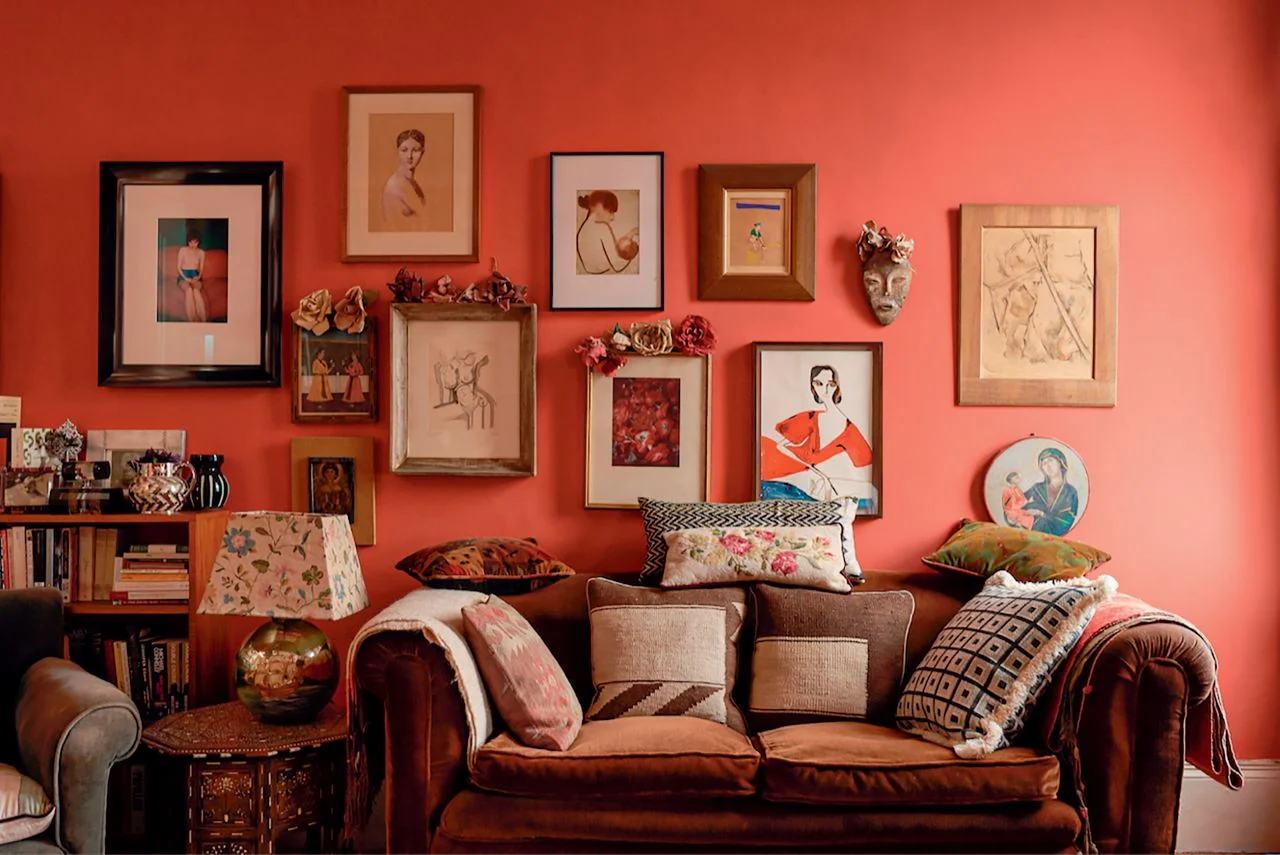
Chambers recognizes when to enlist the help of professionals, as shown when she hired a picture hanger to curate her art collection. By stepping back and letting the expert work without her input, Lucinda discovered new ways to display her artwork, enhancing the visual narrative throughout her living space. She emphasizes that thoughtful framing can elevate even the simplest pieces, transforming their impact.
The Journey of Discovery
One of the primary hurdles in expressing personal style today is the pressure to achieve perfection immediately. Lucinda points out that her own home evolved over decades, adapting to family dynamics and aesthetic preferences. She encourages embracing a trial-and-error approach, allowing spaces to evolve organically rather than conforming to fleeting trends or social media expectations. This mindset fosters a more genuine relationship with one's surroundings.
In Lucinda Chambers’ view, cultivating a unique style requires curiosity, willingness to explore, and patience in letting a space develop into its fullest expression. Every decision is a part of a broader narrative, making the journey of shaping one's environment an exciting adventure.



Discussion
Sign in to join the discussion.