Discover how introverts and extroverts can enhance their living spaces with personalized lighting strategies that reflect their unique preferences.
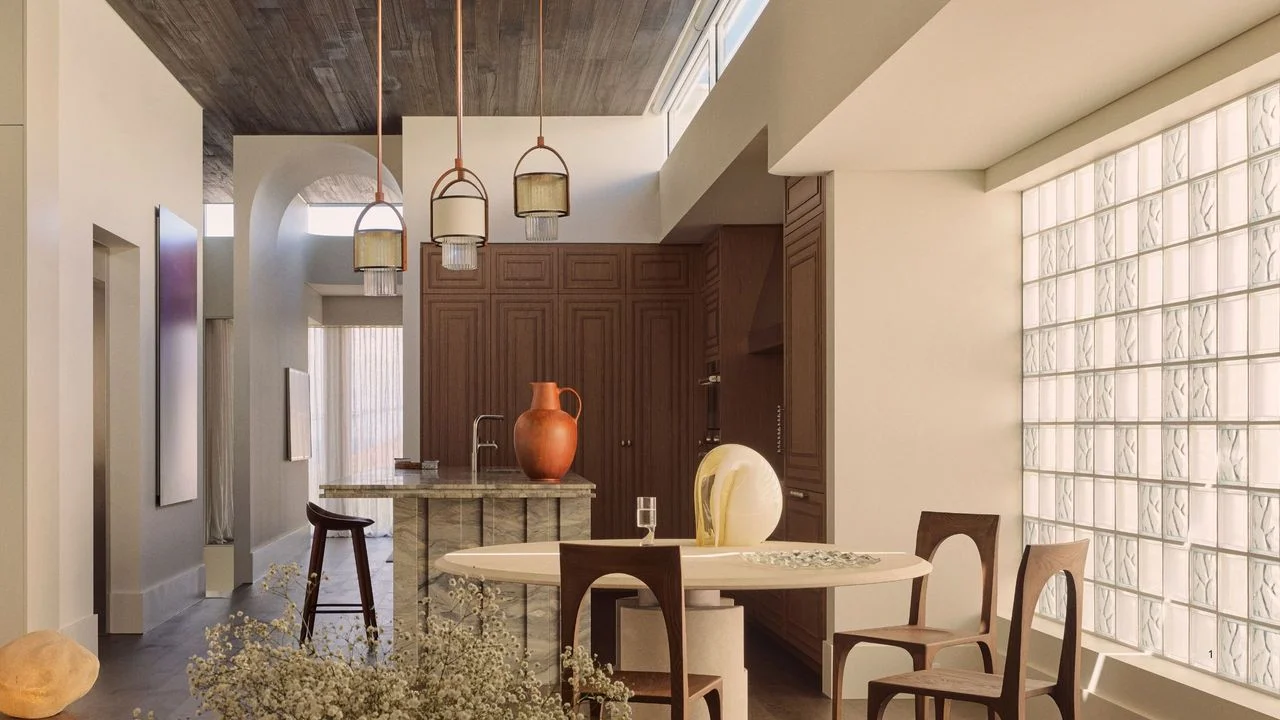
Choosing the right lighting can be daunting, especially with countless options available. Instead of adhering to rigid decorating guidelines, consider tailoring your lighting choices to your personality. Does your space cater to an introverted or extroverted lifestyle? The answer could shape the very atmosphere of your home.
The Role of Lighting in Shaping Mood
This perspective goes beyond aesthetics; it encompasses how lighting can influence your mood and comfort. A well-illuminated room can instantly create a sense of calm or, conversely, energize a space for social interactions. For introverts, a well-designed lighting scheme should promote tranquility and sensory regulation, often favoring soft and indirect light. Extroverts, in contrast, might seek out fixtures that encourage social interaction and serve as eye-catching centerpieces. Understanding this distinction can help in constructing an environment that reflects your personal style while catering to your emotional needs.
Optimal Lighting for Introverts
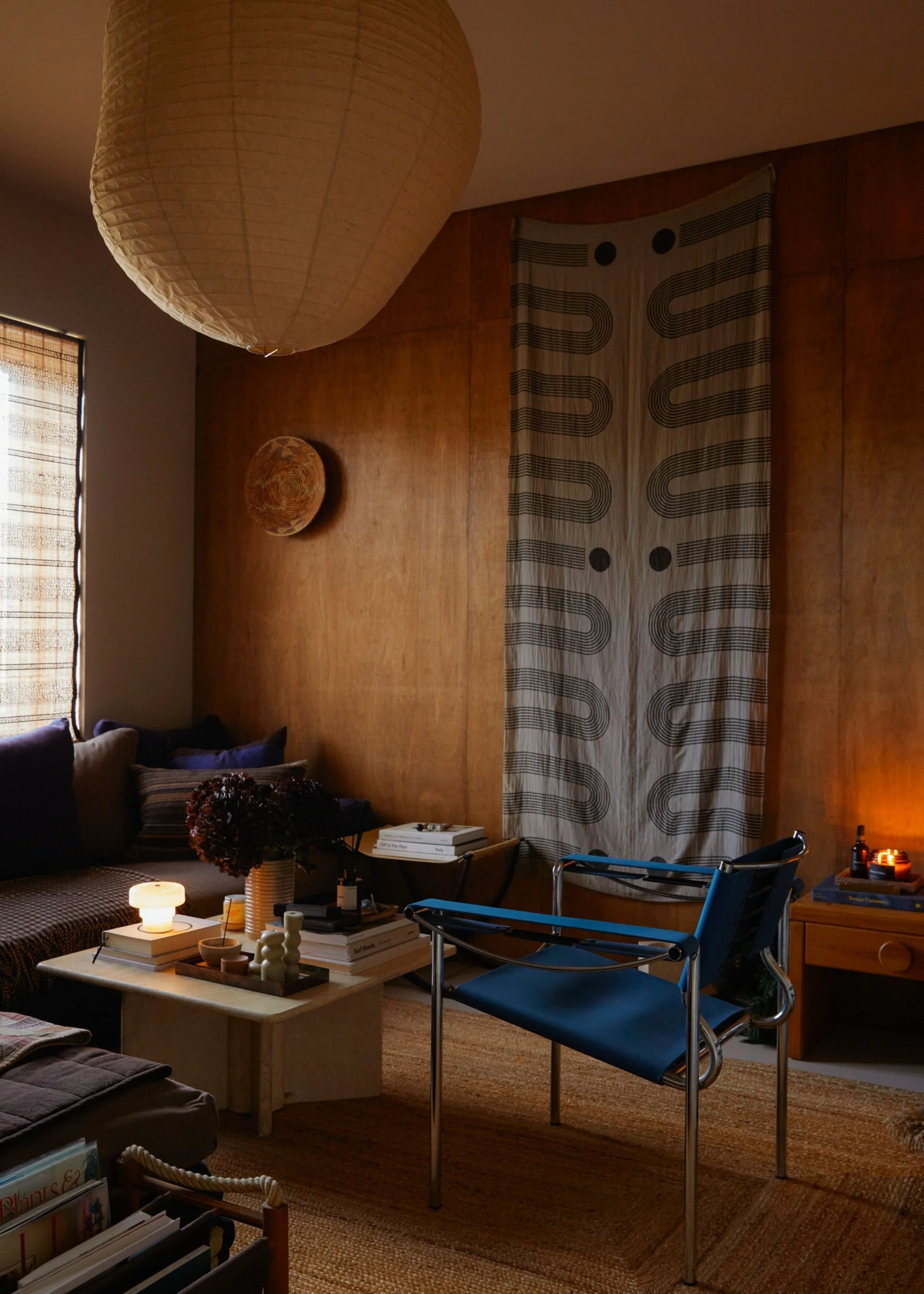
Just as introverts choose paint colors that foster a calming ambiance, they also prefer lighting that reflects their desire for peace and relaxation. This often translates into low, dimmable light sources to help avoid sensory overload. If this resonates with you, consider incorporating alternatives to traditional overhead lighting. Options like floor lamps, table lamps, or wall sconces can provide a more personalized touch.
Interior designer Prudence Bailey emphasizes the emotional impact of lighting, stating, "Lower, softer sources of light naturally make a space feel more intimate and inviting." These types of fixtures allow for a cozy atmosphere, essential for an introvert-friendly environment. Ambient lighting is vital here — it can create spaces where quiet activities such as reading, meditating, or painting feel even more enriching.
Options like concealed lighting and low-light schemes are effective for creating a warm atmosphere without harshness. Take your living room, for example; layer soft LED lights behind furniture, or use dimmers that let you adjust ambiance according to mood or time of day. Prudence highlights the importance of dimmers, saying, "Controlling the light in a room is integral to creating the right mood." Tailoring light to your activities helps establish a serene environment that fits your lifestyle.
Optimal Lighting for Extroverts
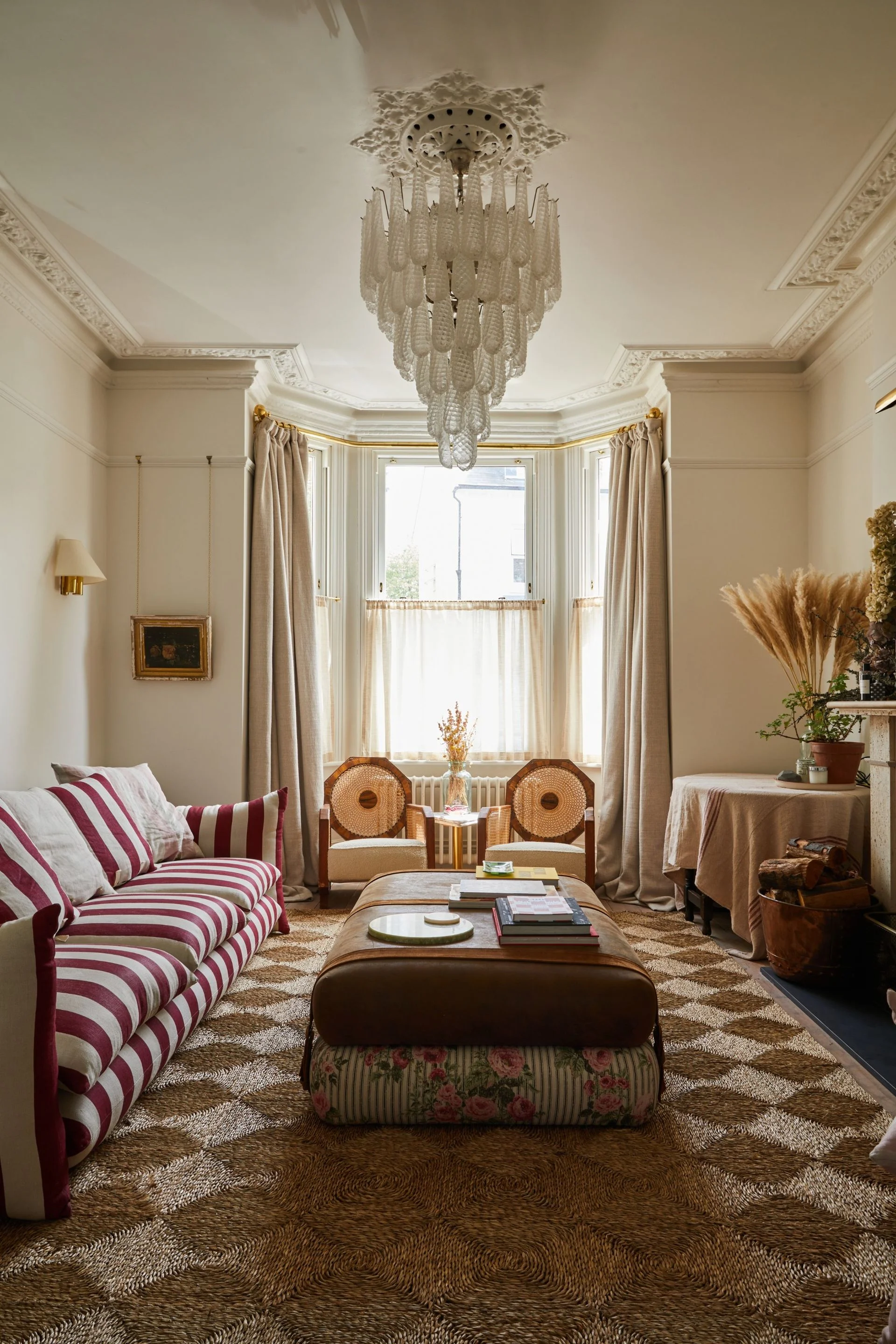
Unlike their introverted counterparts, extroverts thrive in vibrant, engaging spaces. Their lighting setup often favors striking visual elements and adaptable lighting to enhance social interactions. Yet, being an extrovert doesn’t necessitate overly bright or jarring lighting schemes. Instead, the focus should be on creating visual excitement and clear illumination in entertaining areas. This balance is key; effective lighting can elevate a gathering without overwhelming guests.
Smart lighting choices may involve accentuating key entertaining spots, such as game tables or home bars. The right lighting in these areas can foster conversations and provide essential ambiance. As Prudence notes, "Overhead lighting works especially well in spaces where you need good overall visibility," but layering different light types enhances the overall atmosphere. The interplay of light levels can create different moods throughout your space.
In kitchens and living areas, consider a blend of pendant lights, recessed fixtures, and under-cabinet lighting to facilitate both function and ambiance. With the right illumination, a kitchen can transform from a mundane cooking area into a lively hub for social gatherings. Extroverts are often drawn to statement-making pieces, such as sculptural chandeliers or oversized lamps, adding flair to their décor. However, Prudence emphasizes that these fixtures should harmonize with the overall design rather than dominate the lighting scheme. This synergy is often where a well-designed space shines.
Blending Both Personalities
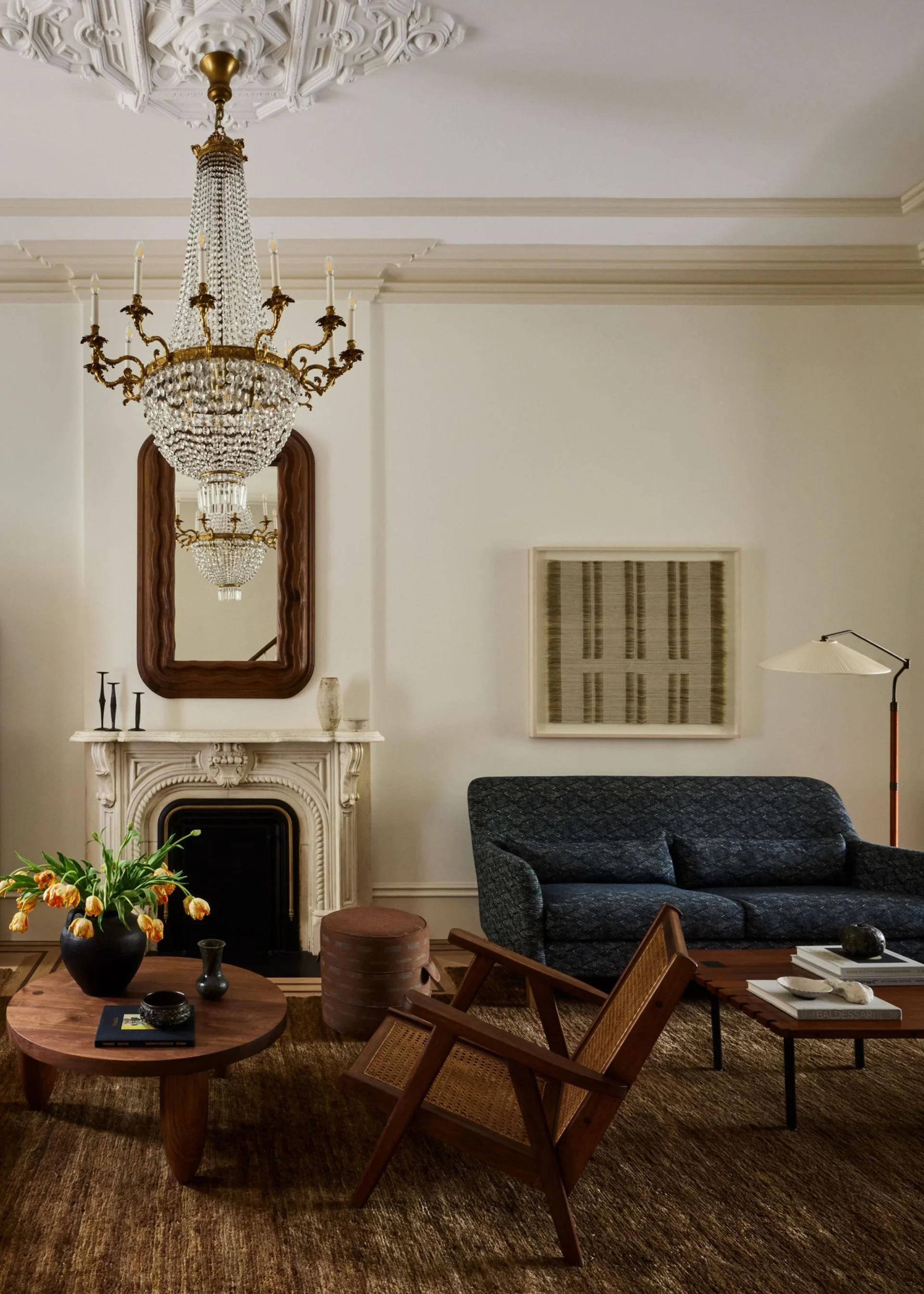
Whether you identify as mostly introverted or extroverted, embracing layered lighting enhances not only the aesthetic appeal but also the emotional warmth of your space. It's interesting how lighting can be a form of self-expression; each choice you make reflects your personality. Prudence advocates for diverse fixtures to avoid a flat-feeling room. She states, "A mix of lamps, sconces, picture lights, and decorative fixtures creates little pockets of warmth." These small variations can add depth and interest to what might otherwise feel uninspired.
Ultimately, selecting lighting through the lens of personality enriches your home’s ambiance while reflecting your unique identity. Understanding how your space connects to your lifestyle leads to thoughtful décor choices. Aim for a dynamic combination of stylish table lamps, sconces, and focal lights that can adapt throughout your daily routines. You'll find that the right lighting can genuinely transform a room's character, tailoring it to where you are in life and what you need from your environment.
Implications and Future Outlook
Your approach to lighting shouldn’t just balance beauty with functionality; it should also reflect broader trends in how we live. As remote work gains traction, people are spending more time at home, making their environments pivotal to productivity and relaxation. This shift could inspire manufacturers to design fixtures that cater to diverse lifestyles even more.
If you’re working in this space, consider how changing human behavior could influence lighting design. With more people valuing personalized experiences in their homes, there may be opportunities for brands to innovate beyond the typical offerings. Think about adaptable lighting that changes with daily routines — not just as accent pieces but as essential components of wellness and lifestyle. In this context, manufacturers and designers who've understood the user experience could establish themselves as leaders.
For those seeking further inspiration, don’t forget to explore innovative fixture options and subscribe to the Livingetc newsletter. Lighting setup is more than just a design decision; it’s a pivotal part of how we inhabit our spaces in a meaningful way.

Discussion
Sign in to join the discussion.