This Dublin townhouse renovation harmonizes original Georgian features with modern Scandi and Italian designs, inspired by the artistry of Cristobal Balenciaga.
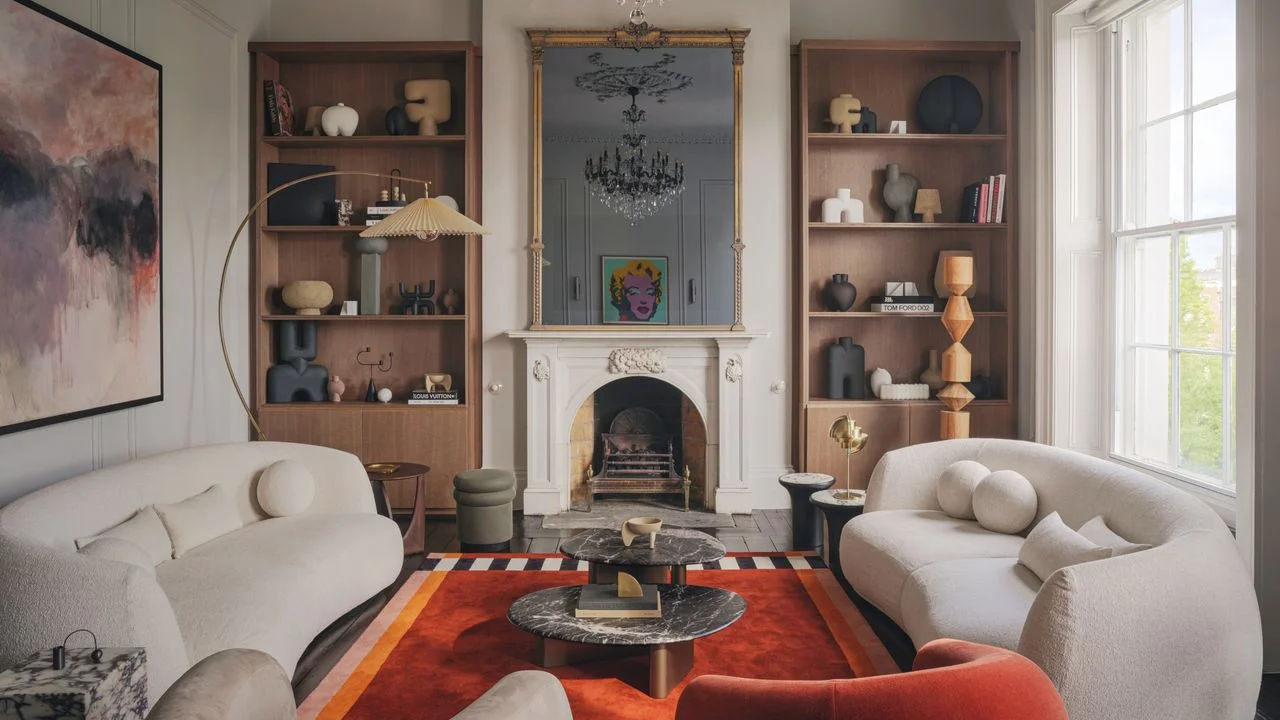
Not every vintage piece fits harmoniously into a historical home. After acquiring a late-Georgian townhouse filled with mismatched antiques and outdated décor, architect and design director Rodney Alday from Maison RA-D aimed to restore this Dublin home while honoring its rich heritage. Among the clutter of dark wallpaper and ill-fitting furnishings, select original elements like plasterwork, timber floors, and sash windows remained to be integrated into a modern design. Besides aesthetic considerations, these architectural features represent the historical narrative of the building, which is crucial for preserving its authenticity during the renovation process.
Balancing Modernity and Tradition
The owner envisioned the townhouse as both a serene retreat and a welcoming gathering place for friends and family, learning that Dublin homes often need to accommodate spontaneous visits. Alday focused on preserving the property's character while crafting an inviting, intimate atmosphere that still feels elegant. This duality captures a broader trend in architecture and design, where the need for functionality often clashes with historical integrity. Blending these aspects isn’t just about aesthetics; it's about creating a living space that resonates with both the past and the present.
A Contemporary Aesthetic
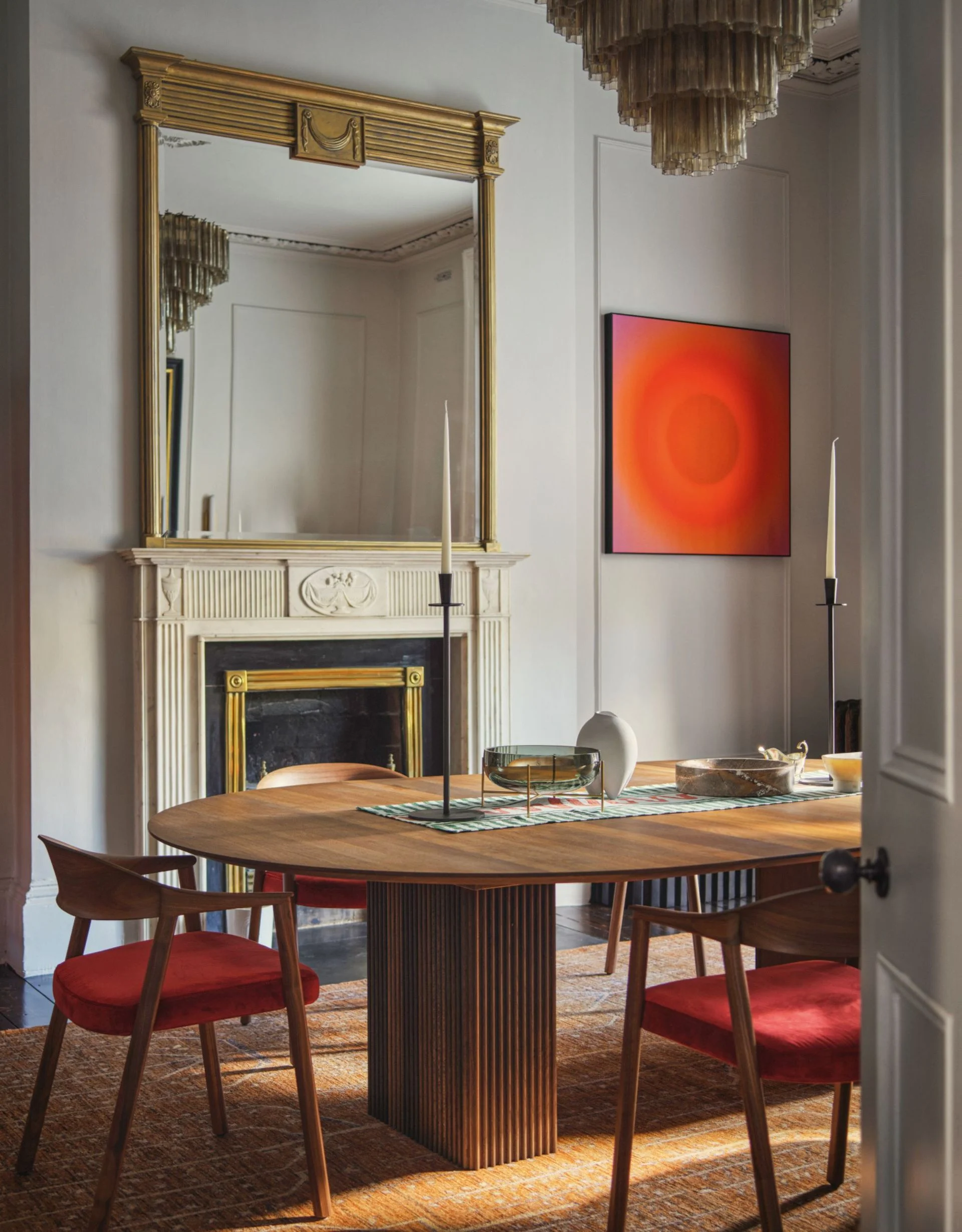
Alday introduced a contemporary aesthetic that includes minimalist Scandinavian elements alongside rich Italian designs. He described his approach as marrying classical features with modern touches, stating, "the contrast helps celebrate the original aspects." The interior design reflects a transition from heavy, traditional furnishings to a lighter palette that accommodates modern sensibilities. Rather than aiming for uniformity, he opted for an eclectic curation of furnishings, blending eye-catching pieces with subdued counterparts to create visual interest. This mix not only enhances the design but challenges the conventional norms of historical restorations by integrating unexpected styles.
Inspired by Fashion
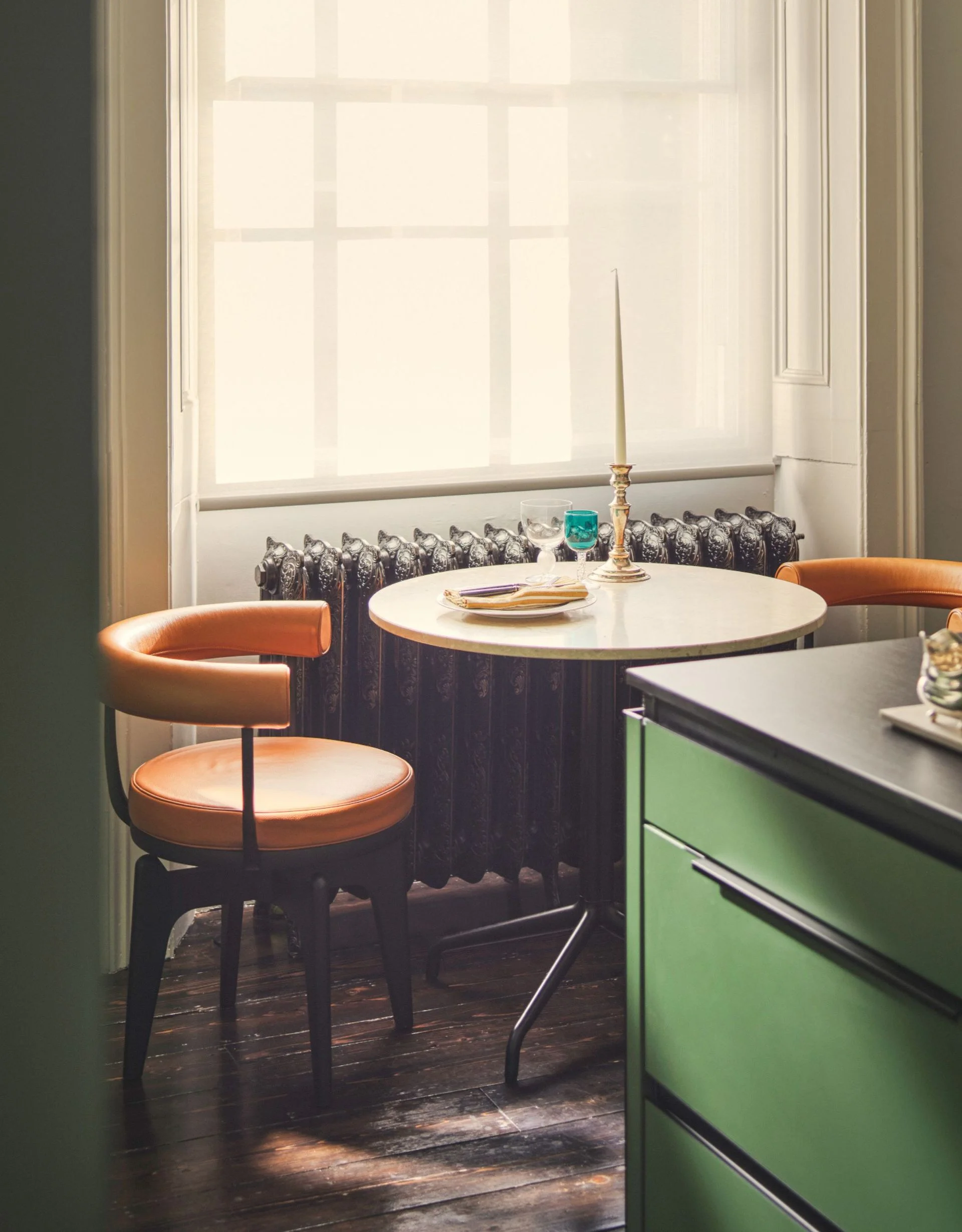
One of the unique inspirations for this renovation was the work of Cristobal Balenciaga, particularly his designs from the mid-20th century. Alday emphasized Balenciaga's focus on shape, volume, and contrast—qualities he sought to infuse into the home. "His designs embody a rhythm and flow," Alday noted, "which resonates in the way we arranged and selected the pieces for this project." It’s fascinating how the principles of high fashion can translate into interior design, creating spaces that are as dynamic as they are functional.
Creating a Coherent Narrative
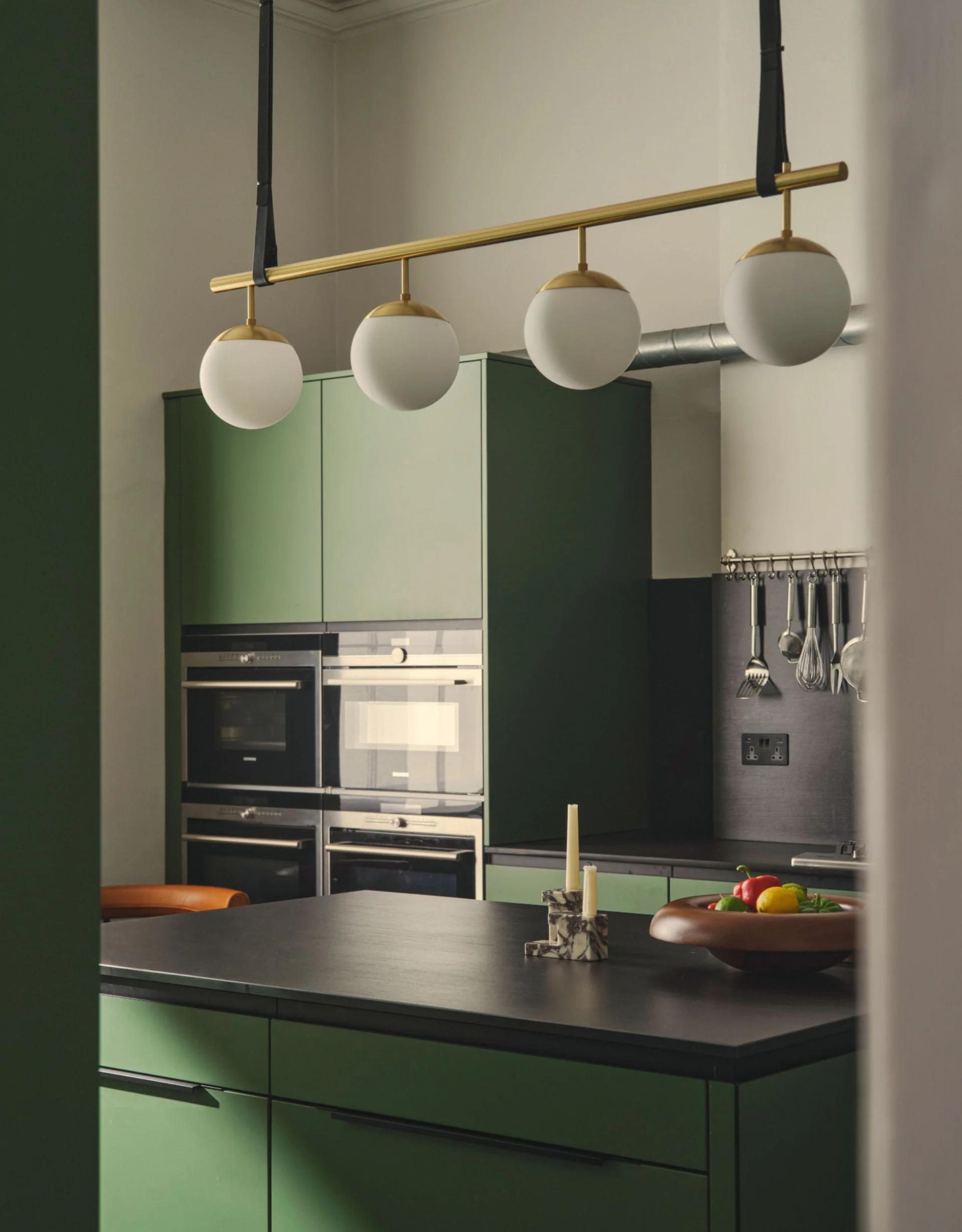
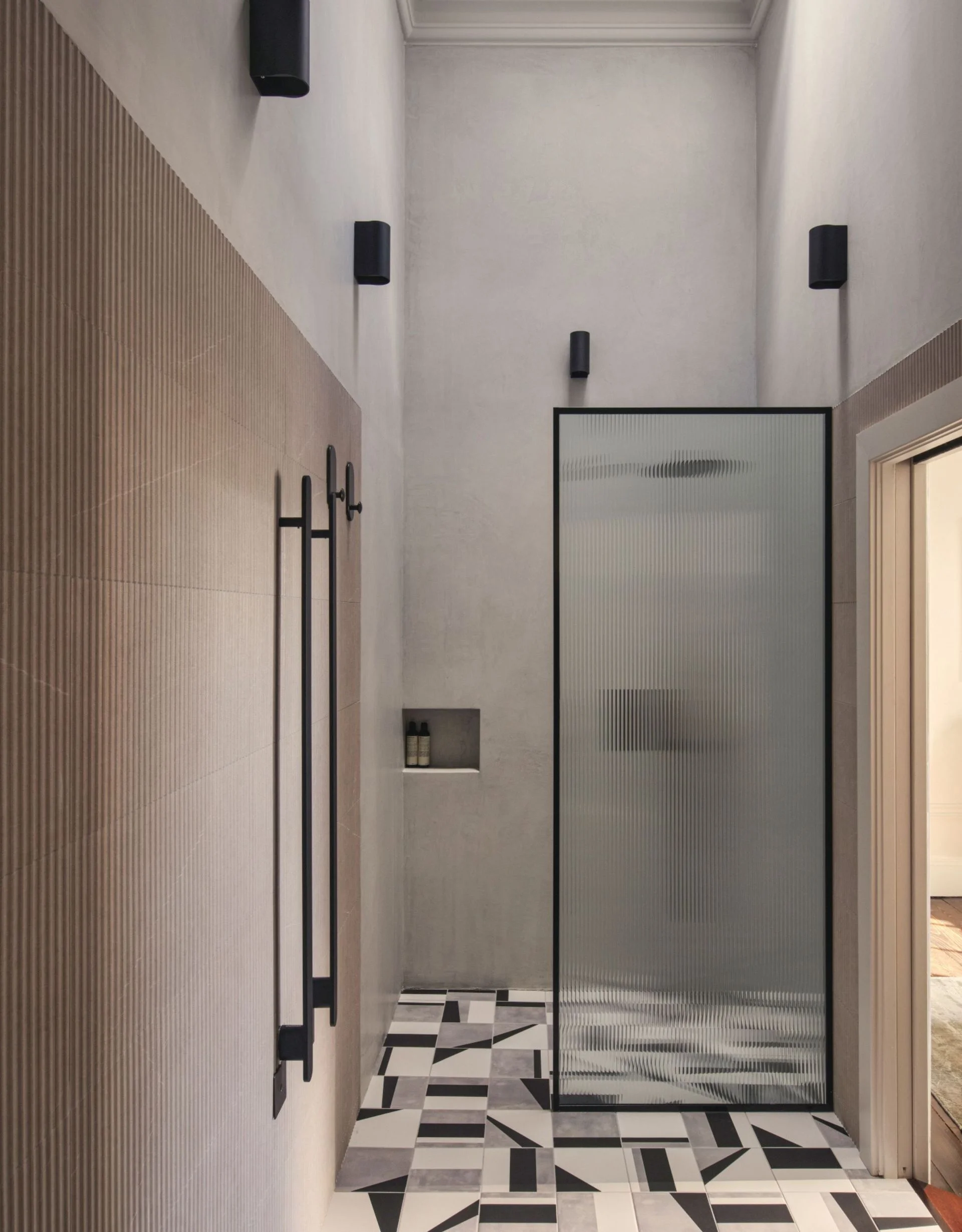
Through thoughtful selection, the renovation captures both the dramatic and the sophisticated. The bathroom, for example, showcases its appeal with an Art Deco sensibility, balancing elegance and intimacy. The use of a soft, neutral palette underlined with accents of rust ties the various elements together, adding warmth without veering into modern sterility. The careful choice of materials and colors consciously steers clear of both extremes, providing a welcoming space that feels lived-in yet curated.
Conclusion: A Harmonious Blend
The result isn’t just a showcase of stylish furnishings but a coherent narration of style that embodies both tradition and modernity. In Alday’s words, "Every detail is part of that narrative," positioning the home as an example of how historical depth can blend with contemporary sensibilities. The outcome demonstrates an artful balance that doesn’t compromise the townhouse's heritage while embracing modernity. The integration of various styles invites visitors to engage with the home on multiple levels—and this is the part most people overlook. They might see aesthetic appeal from the surface, but the underlying story adds a layer of depth that makes each room resonate.
Implications for Future Renovations
As homeowners increasingly prioritize personal expression alongside historical respect, the implications of projects like Alday's extend far beyond one residence. If you're working in this space, it raises critical questions about what we consider appropriate for heritage homes. Can we reinterpret tradition without losing authenticity? Alday’s approach suggests that the answer may lie in allowing past and present to coexist, shaping living spaces that tell evolving stories. Renovations like this one could inspire future projects, merging historical narratives with a modern touch, making them not just homes, but cultural touchstones.
To explore more design inspirations and home tours, consider subscribing to the Livingetc newsletter for the latest insights delivered directly to your inbox.



Discussion
Sign in to join the discussion.