Plywood offers a budget-friendly and stylish alternative for kitchen worktops, but careful selection and maintenance are key for lasting durability.
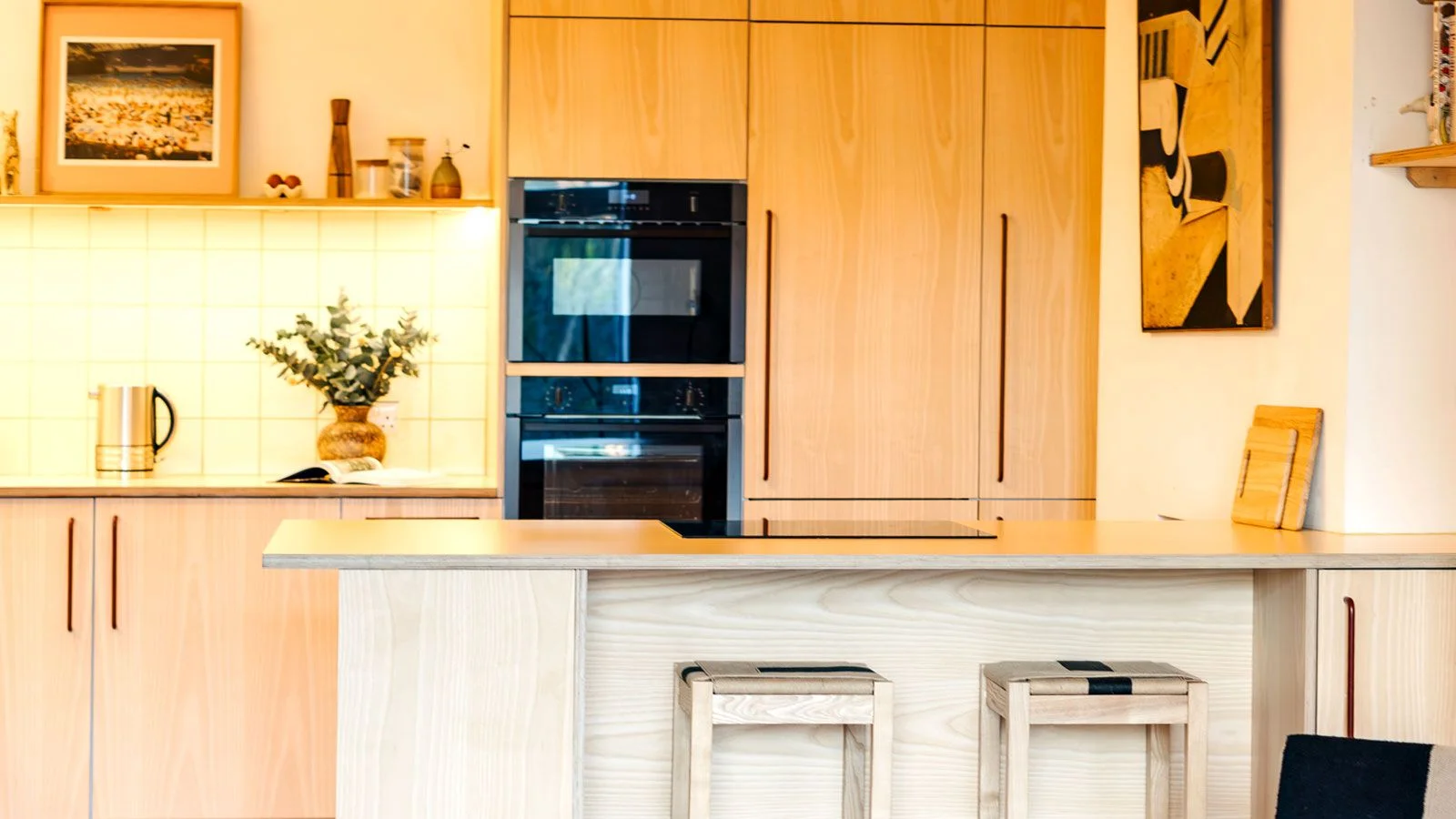
Kitchen worktops play a vital role in both functionality and design, often representing a significant investment in any renovation project. Amidst various options, plywood emerges as an attractive contender for those looking to balance style and budget.
Plywood, though not a conventional choice for worktops, can provide numerous benefits if approached wisely. Below, we explore its practical advantages, the appropriate types of plywood to consider, maintenance strategies to ensure longevity, and potential drawbacks that may impact your decision.
Understanding Plywood
Plywood is an engineered wood product made from multiple thin layers of wood, known as veneers, glued together. An odd number of layers is typically utilized, with each layer rotated 90 degrees to enhance strength and reduce warping—important features when considering kitchen environments.
The typical thicknesses available for plywood range from 3mm to 18mm, with the latter being a preferable choice for kitchen worktops due to its sturdiness.
Choosing the Right Plywood for Worktops
Different types of plywood can be suitable for kitchen worktops. According to Will Frankling from Kitchen Makeovers, “Birch plywood is the industry standard due to its dense, void-free core layers and fine appearance.” He also suggests hardwood-faced options over softer wood varieties, citing the latter's susceptibility to dents and scratches.
For wetter areas, marine plywood is an ideal candidate, providing superior moisture resistance thanks to its waterproof glue bonds. Opting for high-grade structural plywood (like B/BB grade) will ensure a smooth finish with minimal imperfections.
Shopping for Plywood
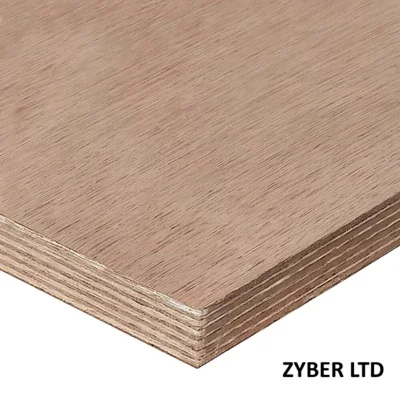 2440mm X 1220mm sheet
A premium marine-grade plywood free from core gaps. Its Weather Boil Proof (WBP) adhesive ensures exceptional environmental resistance.
Evaluating Pros and Cons
Plywood comes with notable positives as well as some drawbacks. Understanding both sides can help you determine if it fits your requirements.
Advantages of Plywood Worktops
Cost-Effective: Plywood is generally more affordable than traditional worktop materials like marble or quartz, providing significant savings for homeowners.
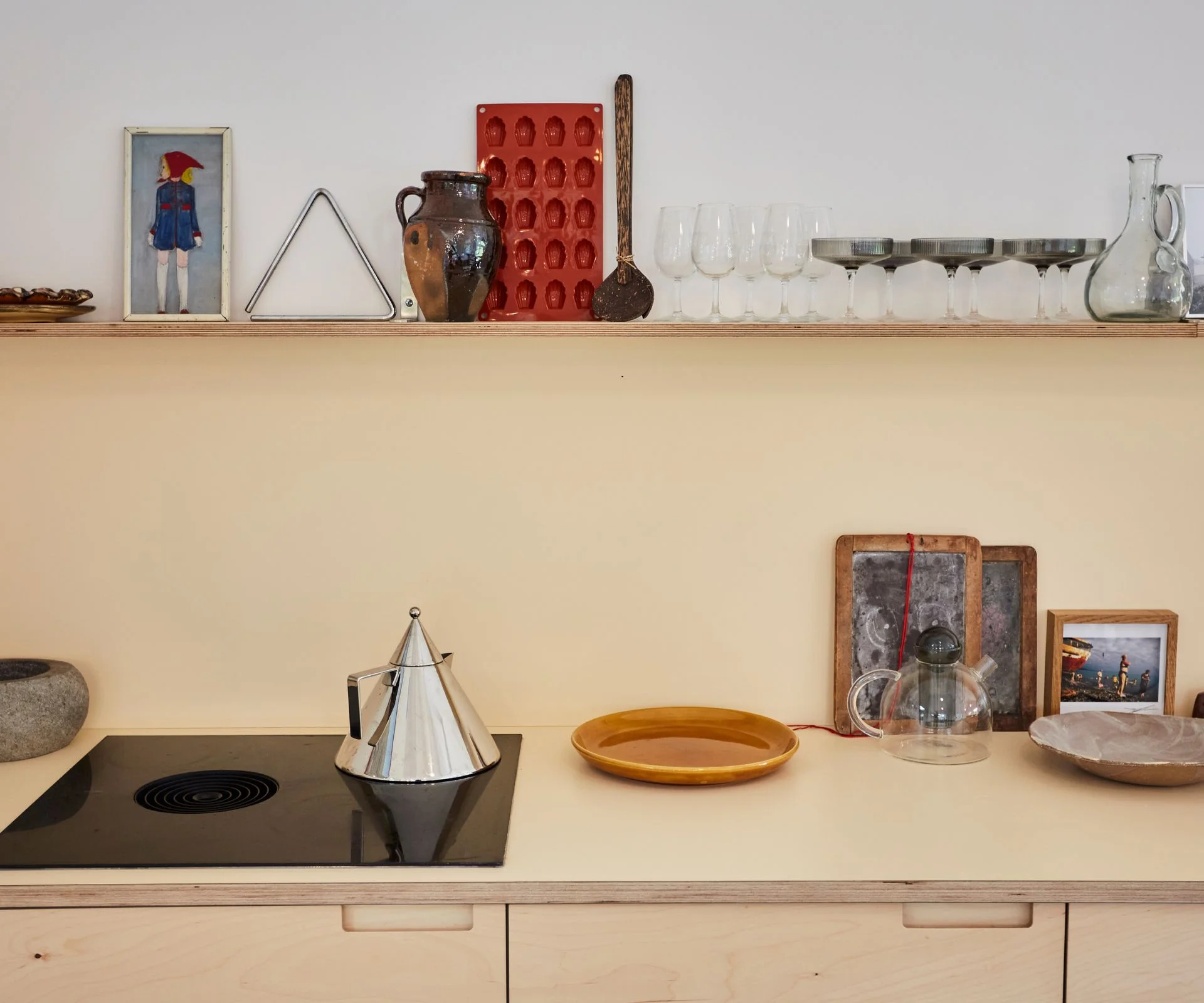
Aesthetic Appeal: Its unique design features create a modern visual, making it a great match for Scandinavian or industrial-style kitchens.
DIY-friendly: Plywood is easier to handle, making it appealing for DIY projects, particularly for those with basic toolkits.
Drawbacks of Plywood Worktops
Moisture Sensitivity: Unfinished plywood can be prone to damage from water, especially near sinks where exposure is frequent.
Durability Concerns: Compared to other materials, plywood shows wear and tear more quickly. The surface may scratch or scorch, requiring timely care to maintain aesthetics.
Treatment and Protection
For plywood to perform well as a kitchen worktop, it must be pre-treated. Experts recommend using penetrating oils for treatment, which form a protective layer without cracking. “Oils are preferable as they can be reapplied locally without needing to address the entire surface,” states Bern Staerck.
Additionally, hardwax oils and specialty worktop oils protect while allowing the wood to breathe. Clear varnishes or polyurethane can also be applied, though they demand careful maintenance to prevent moisture infiltration if cracks occur. Always ensure that any treatment used is food-safe once cured.
Maintenance Essentials
Plywood needs consistent care to remain functional. Daily cleaning with warm water and a gentle soap is essential, while the surface should be re-oiled or sealed every three to six months based on usage levels. Special attention must be given to the exposed edges to prevent moisture absorption.

Cost Comparisons
In terms of affordability, plywood stands out as a cost-effective worktop option. However, quality variants may approach the cost of lower-tier laminates. For instance, an 18mm Birch Plywood sheet retails for about £180, while laminate worktops can start around £75, typically offering less material for the price.
Tips for DIY Installation
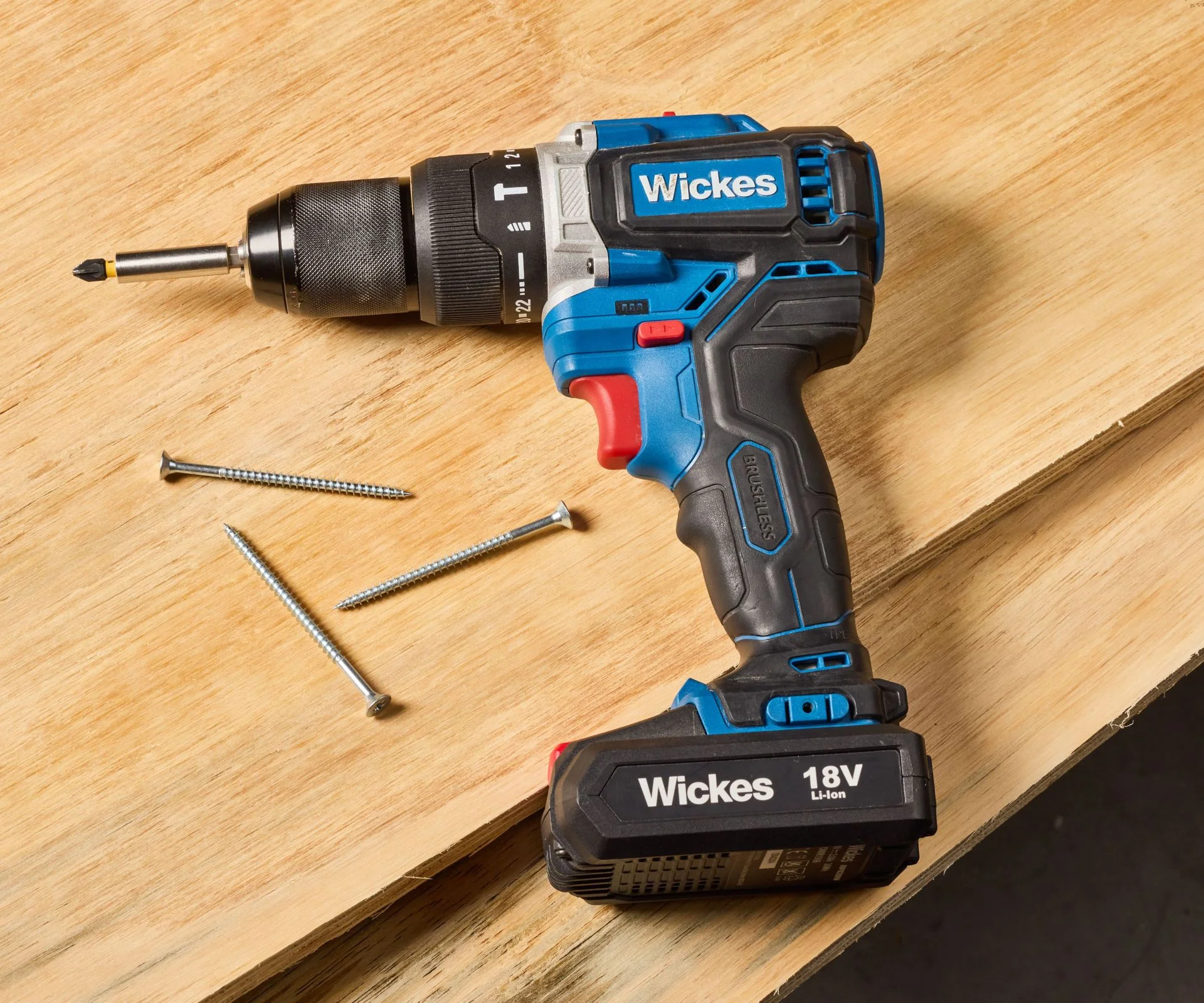
Installing your own plywood worktop is feasible for skilled DIYers, especially when replacing existing worktops. Check existing fittings carefully, and if you're working with straight walls, minor gaps won't pose a problem.
For a clean edge, a jigsaw can be used to make adjustments based on measurements. It's advisable to employ fine-toothed saws or routers to minimize tearing on the veneer surface.
Cost-Saving Hack
If plywood's natural look doesn't appeal to you, consider using self-adhesive films over basic plywood to achieve a stylish finish. However, sealing the wood is critical before applying any film, as it enhances durability. Choose heat-resistant trivets to protect your worktop from hot objects and maintain the surface using cutting boards.
Plywood can create a unique and affordable worktop that's seamlessly integrated into various kitchen concepts. Whether you're planning a full renovation or a simple upgrade, plywood stands ready to meet your design and budgetary goals.


Discussion
Sign in to join the discussion.