Rimowa and Maison Margiela's limited luggage pair uses a hand-painted finish that ages with use. The set costs $9,200 in the US.
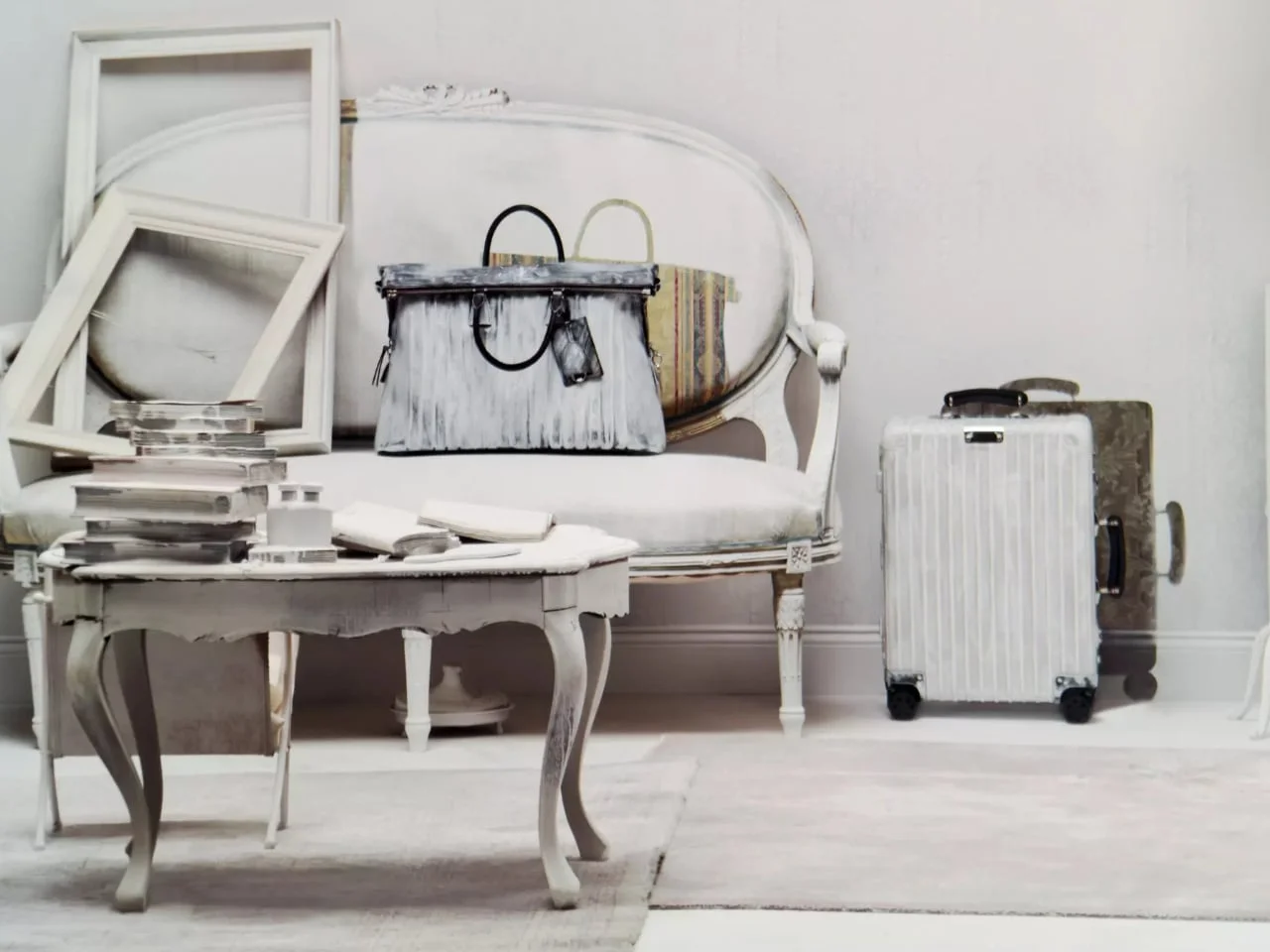
The clever part of this Rimowa x Maison Margiela collaboration is what it asks you to accept: the white finish isn't meant to stay white. Both brands have strong visual signatures, and this pair lets each one borrow from the other without losing its identity. Here's the thing: most luxury collaborations swap a logo or a colorway and call it a day. This one borrows a view about how objects should age, which is a harder idea to sell across a store counter.
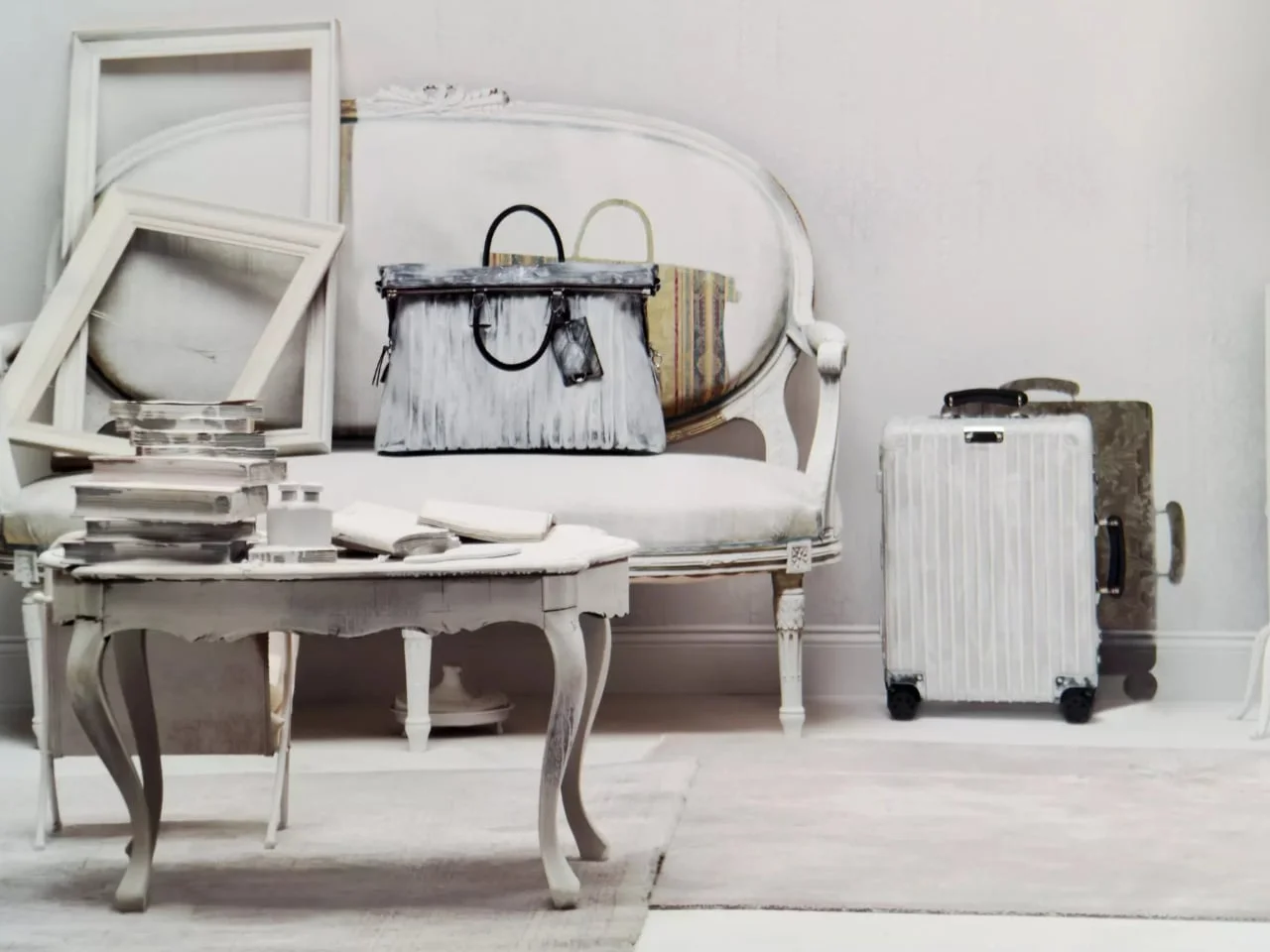
The collection is a joint project between the two labels, and the concept is outlined on the Maison Margiela collaboration page. I'd read that page before forming an opinion, because it's the clearest statement of what each side wanted from the partnership. If you're working in brand strategy or product design, this is a useful case study. It shows how two houses can share a product without either one dissolving into the other. The test isn't whether the bags look good in a lookbook. The test is whether the design still reads as coherent after real use.
Patina by design
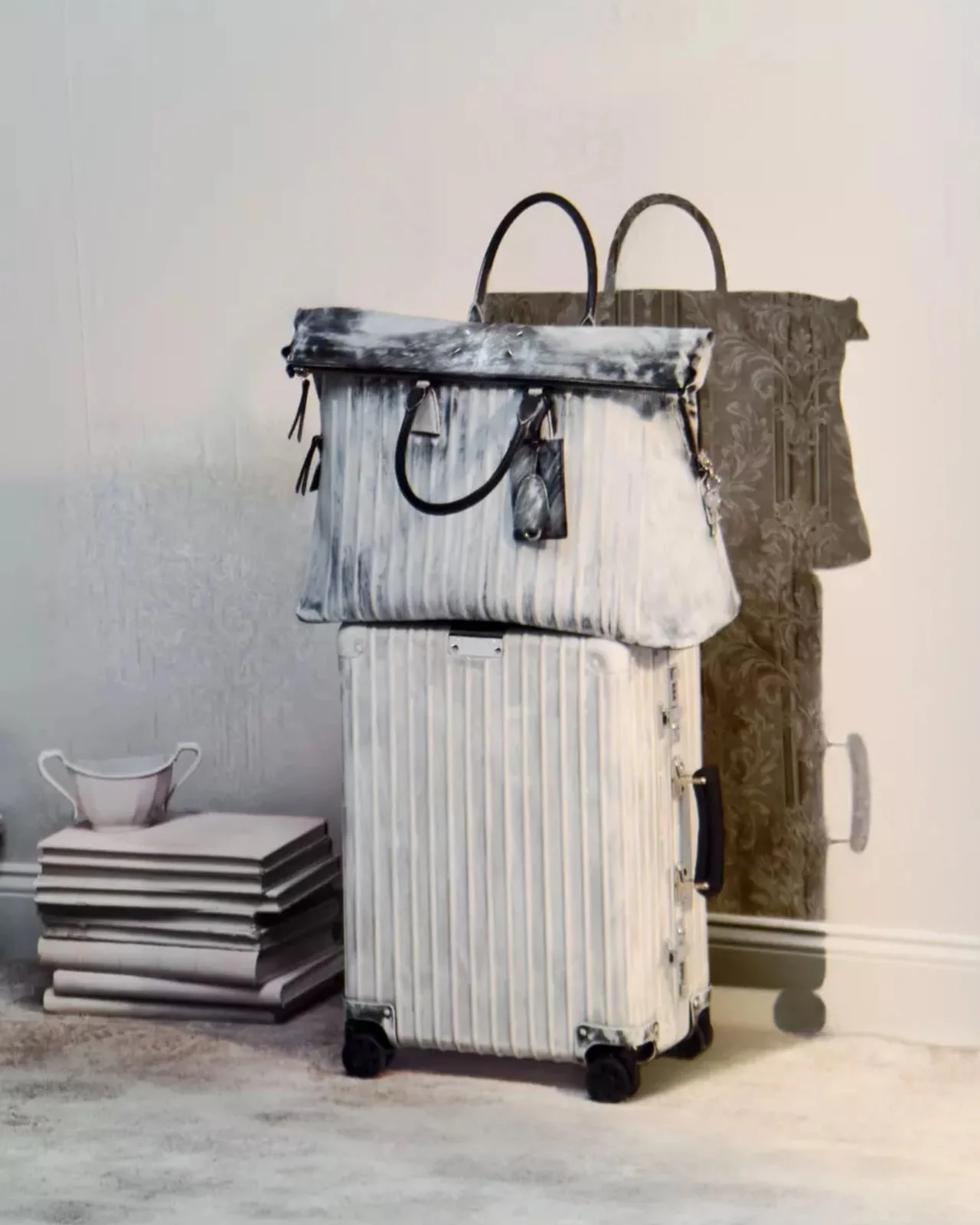
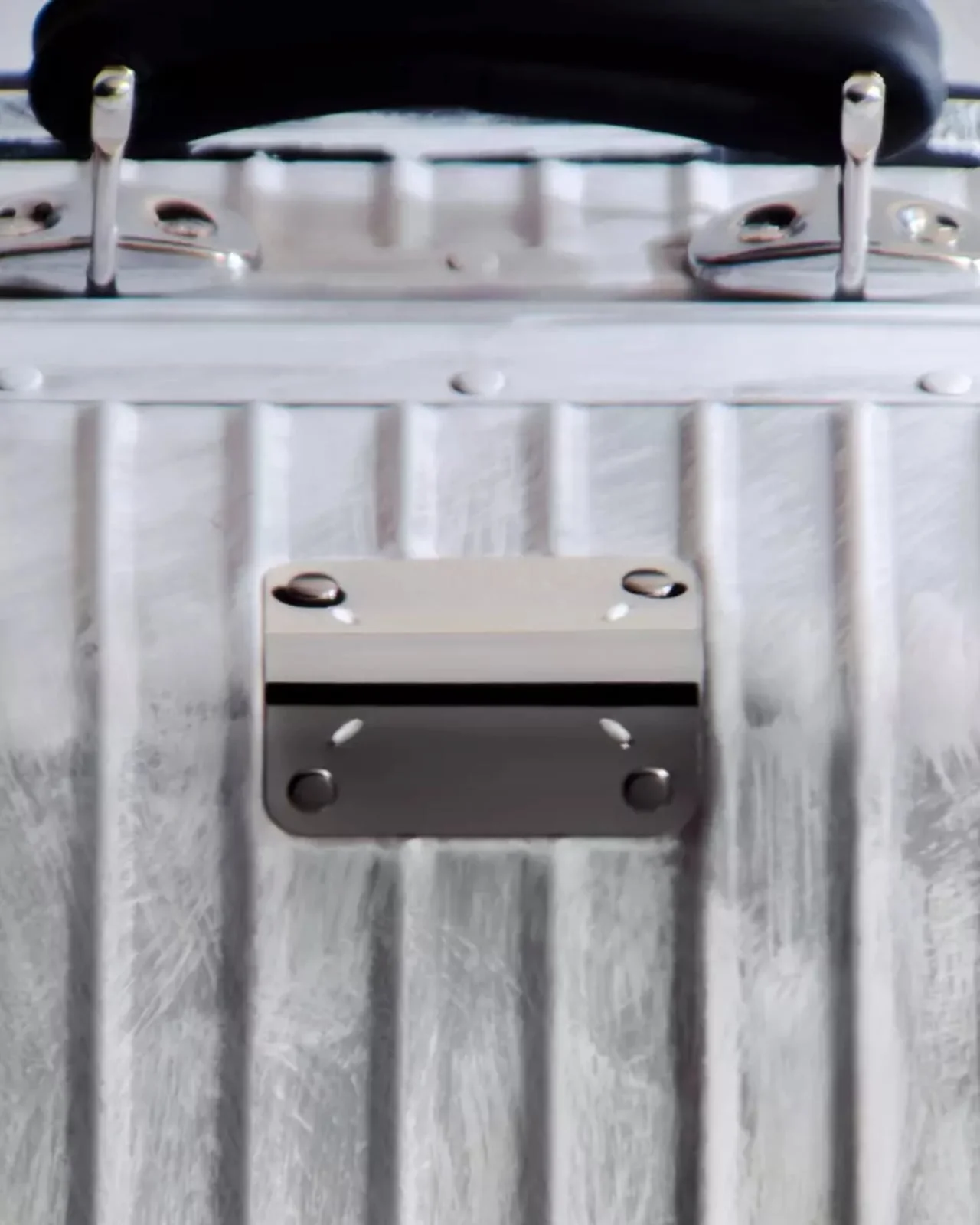
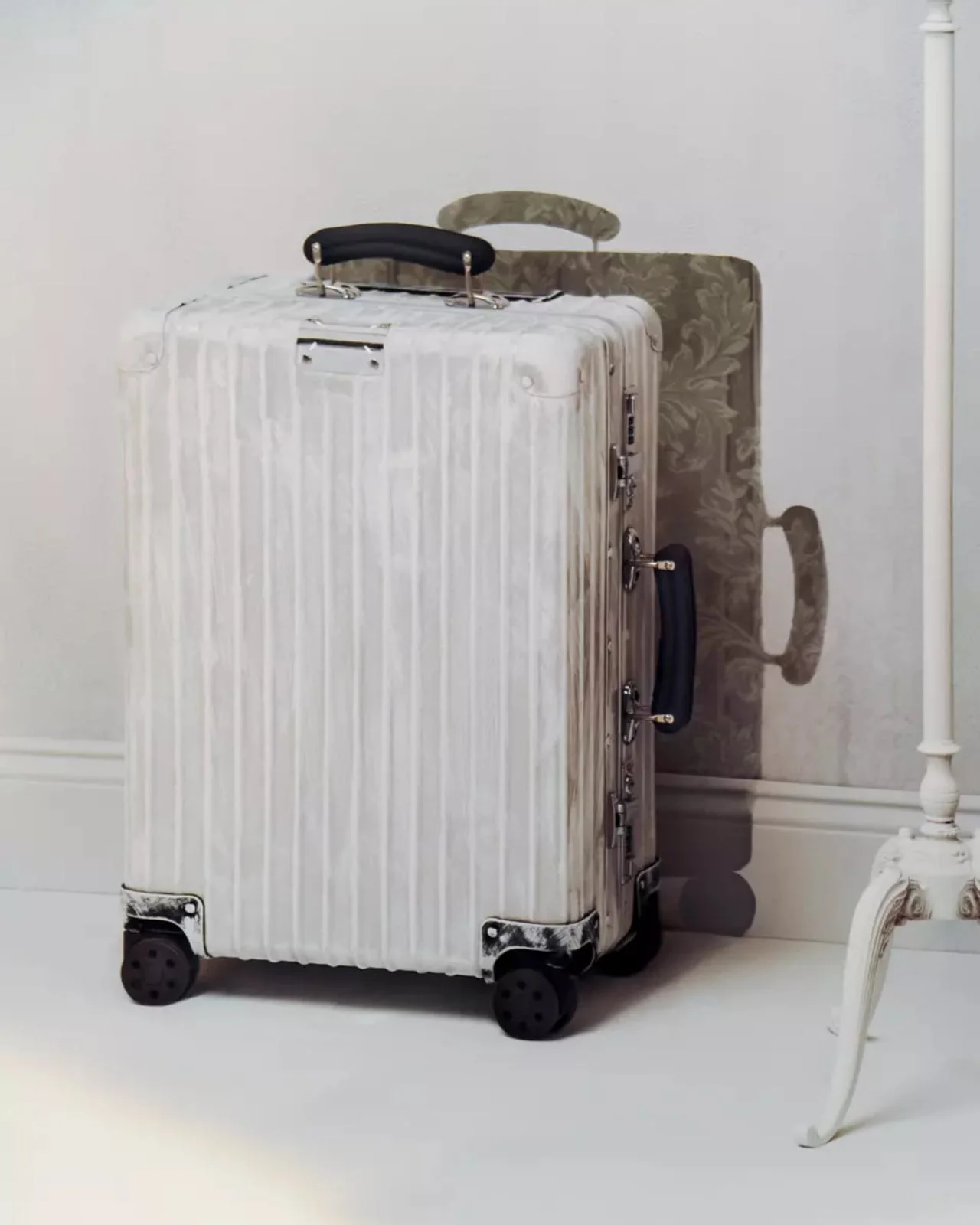
Rimowa's Classic Cabin gets Margiela's hand-painted Bianchetto finish over anodized aluminum. Rimowa says the paint gradually cracks and fades with use, so scuffs become part of the look rather than damage to hide. That's a bold call for luggage, which usually exists to look new at baggage claim. Patina has a long history in fashion, from broken-in leather to faded denim, and buyers already pay extra for some kinds of wear. The difference here is that a hard-shell suitcase gets handled roughly and often, by strangers, on conveyor belts and in overhead bins.
I'm skeptical that painted aluminum will age as gracefully as the marketing suggests. Patina works when it looks like history, the soft darkening of a well-used bag. Paint that flakes in patches can look like neglect, and a rough flight tends to produce the second result faster than the first. That's a judgment call, and it depends on how the finish actually behaves over months of travel, which a launch announcement can't tell you.
It doesn't make the shell any tougher, though. The finish changes how wear reads. It doesn't stop wear from happening. If you're expecting extra protection from the paint, you're buying the look and hoping for a bonus. Treat the cosmetic change as the product, and the structural claims as the baseline you'd expect from any Rimowa case.
The Classic Cabin's details
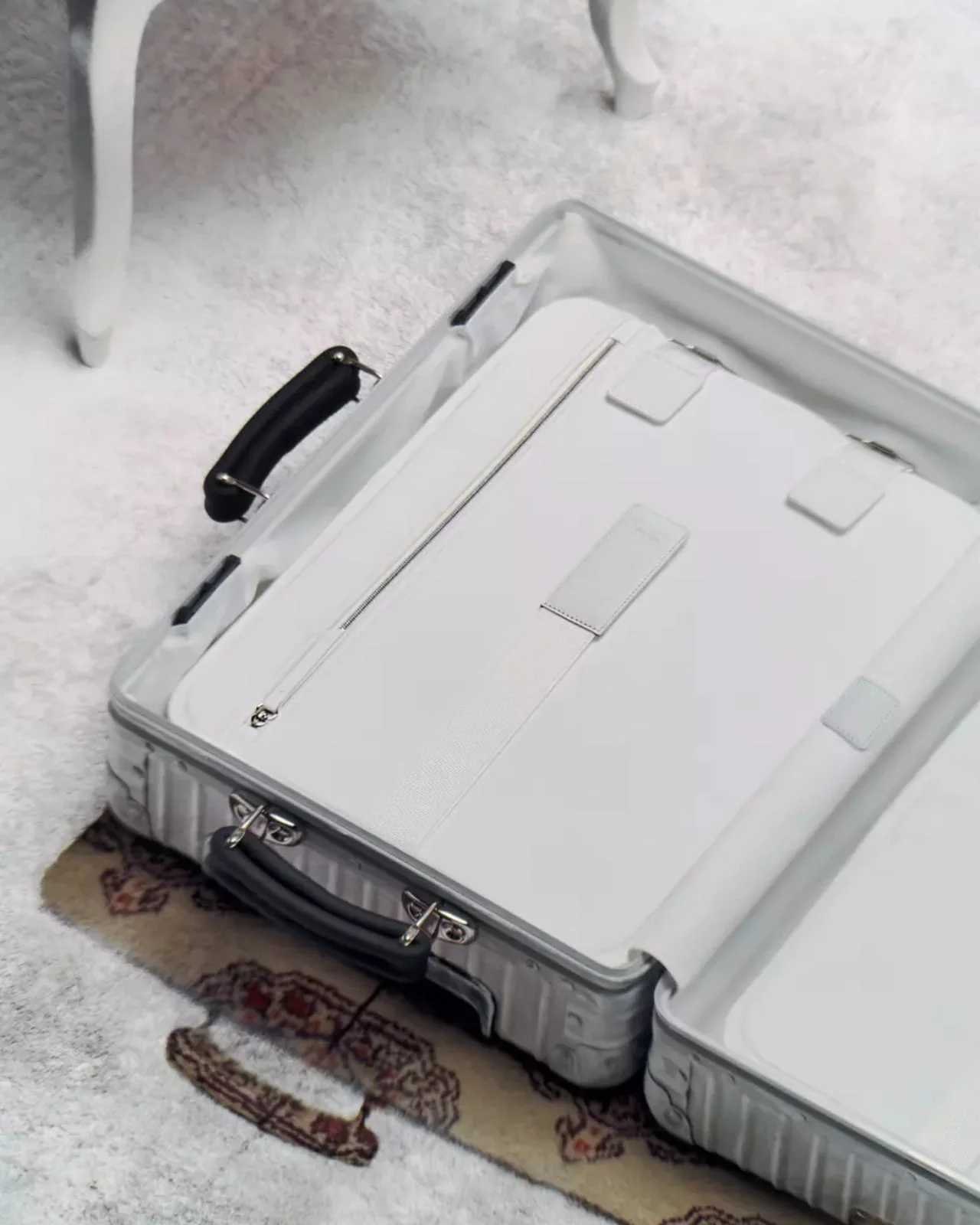
Inside, the case is all white, with visible stitching, overlocked edges, and debossed white leather accents. That's a riskier choice than it sounds. White interiors show dirt quickly, and every zipper pull and seam becomes part of the color story. The lining and Flex Dividers use white canvas, which Rimowa lists as polyester. If you were hoping for a natural fiber, that listing answers the question, and it's a sensible material for a case that will spend much of its life being packed and unpacked.
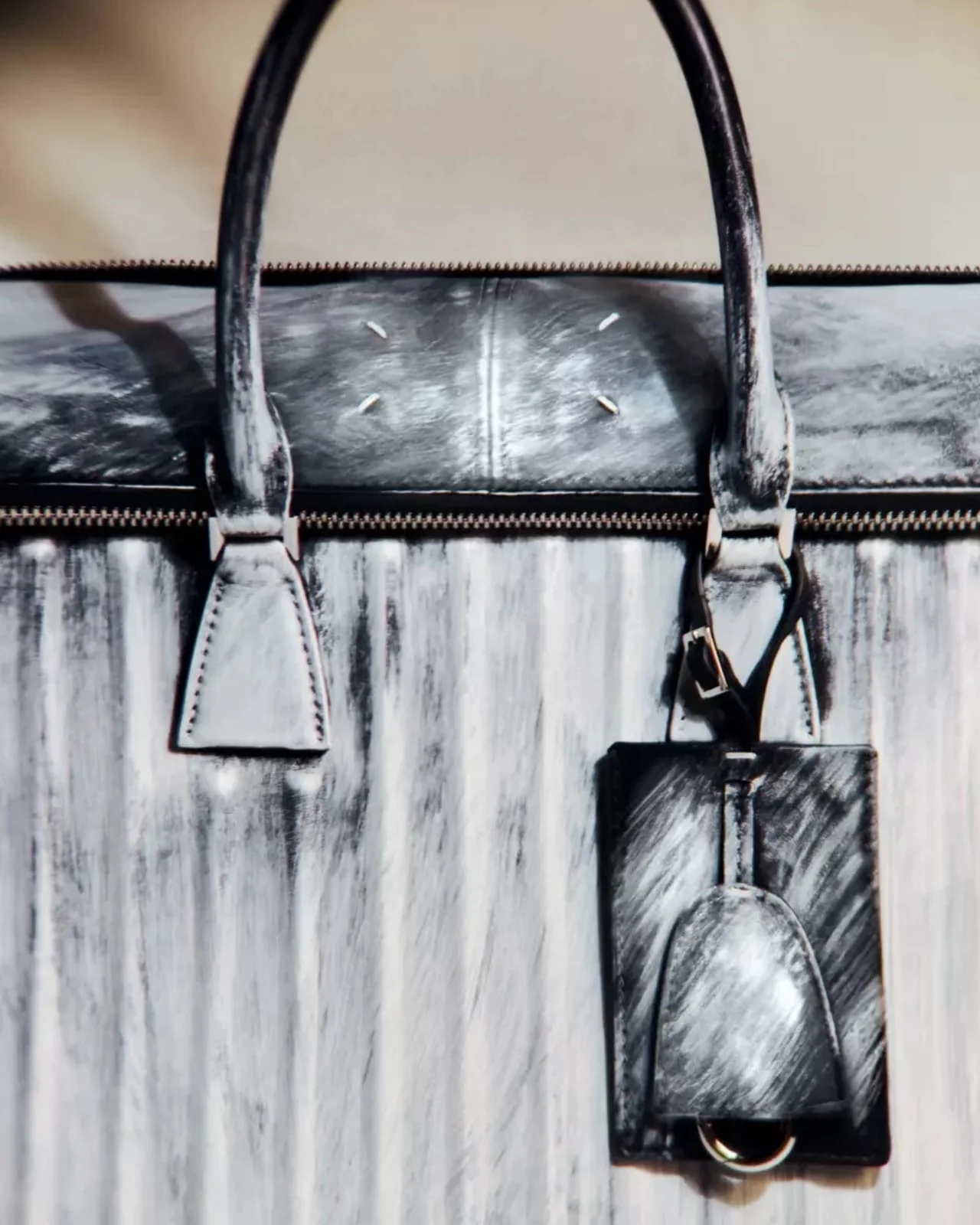
The co-branded aluminum badge carries four white stitches in real thread, and a removable black calfskin address tag with an integrated keyring gets a single Bianchetto brushstroke. These are small touches, but they're where the Margiela hand shows up. The real-thread detail matters more than it looks, since printed or molded imitations would be easier to produce and harder to justify at this price. Small details like these are what separate a collaboration from a logo license.
Under the paint, the essentials stay put. The case includes Rimowa's Multiwheel system, a continuously adjustable telescopic handle, TSA-approved locks, and a Flex Divider. It holds 36 liters and weighs 10.4 pounds empty. The styling doesn't signal a lighter build, so don't expect weight savings from the redesign. For a frequent flyer, the weight figure is the number to check against airline limits, not the finish.
Grooves in leather
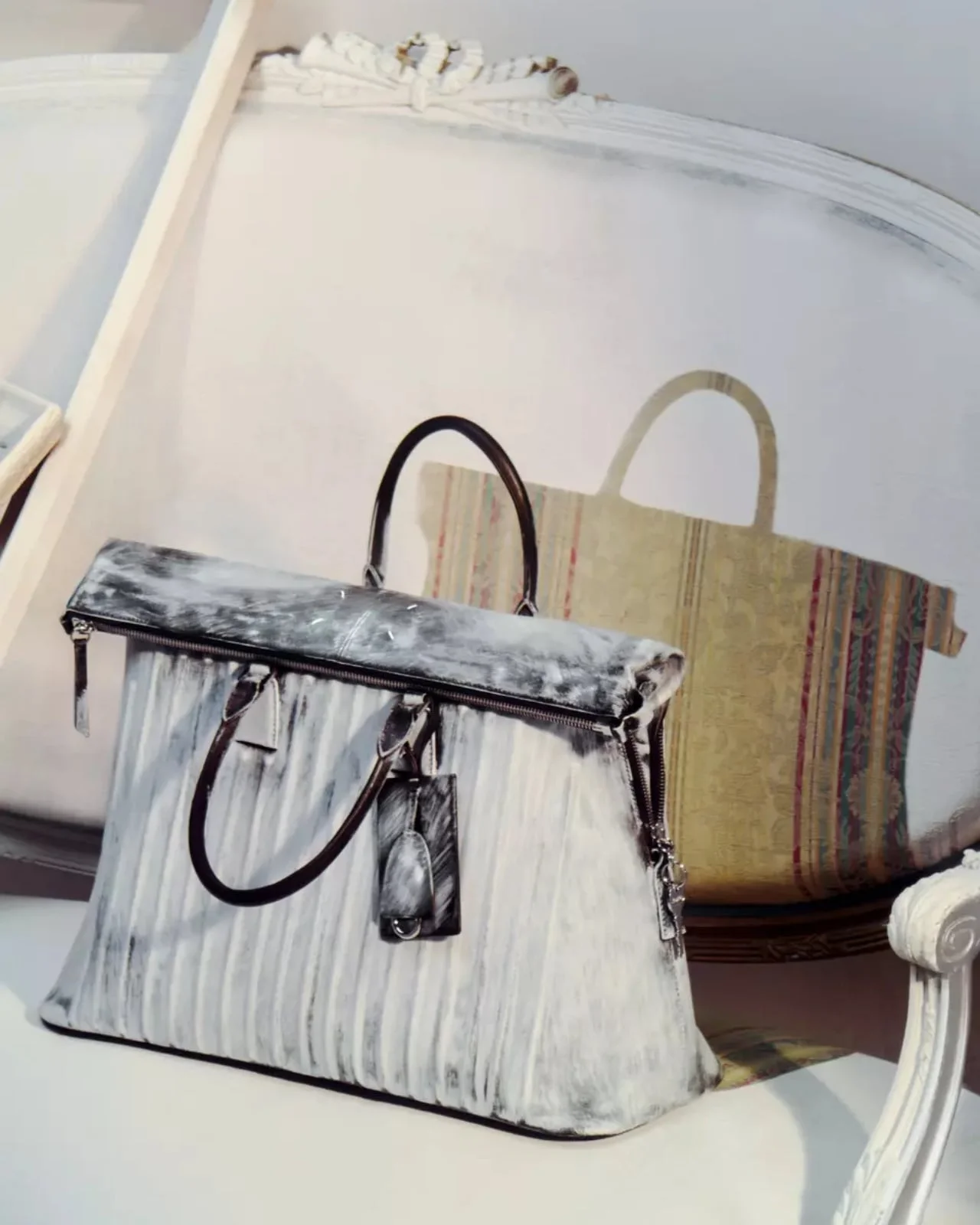
The 5AC XL is the more interesting piece to me. Rimowa's grooved surface moves from aluminum to calfskin, and the bag keeps its extended lining, which normally stays hidden, now visible from the outside. (And this is the part most people overlook: the lining is usually the least glamorous part of any bag, so showing it off is a deliberate statement about construction.) Five mismatched metal feet protect the base and add another Margiela detail. Moving the pattern from rigid metal to soft leather is what ties the two pieces together. The same texture reads on both.
That translation isn't trivial. Grooves on aluminum read as engineered and precise, while grooves on calfskin read as tactile and handmade. Moving the motif between materials is a way of showing that the design language is about surface and rhythm rather than one specific substrate. Whether the leather version ages as neatly as the metal one will depend on the leather itself, and that's a question I'd want answered with a bag in hand rather than on a product page.
Built for the terminal
Two removable leather loops clip the bag to the suitcase, so you roll one unit through the airport instead of juggling two. That's the practical payoff that justifies the pairing for anyone who actually travels. Anyone who has tried to balance a tote on top of a rolling case through a crowded security line knows how much a clean attachment matters. Detached, the bag has dual handles plus an adjustable, removable strap for shoulder or crossbody carry, which covers most of the ways people really carry bags between gates.
Inside, a zippered pocket and a snap-closure pocket separate smaller items without changing the outside look. That's a quiet design win. Separating valuables from everyday items is a common need, and the pockets do it without adding visible hardware. If you're the sort of traveler who wants everything accessible without unpacking, the internal layout will matter more than the exterior finish.
Price and release
The limited edition arrives November 19, 2026. In the US, the Classic Cabin costs $4,300 and the 5AC XL costs $4,900, bringing the full set to $9,200. That's a serious spend, and it sits well beyond the luggage itself. You're paying for the collaboration, the finish, and the signal that you bought into a specific idea of what luggage can be. Expensive, yes. Also deliberate.
Limited editions carry a built-in scarcity argument, and this one is no different. Whether that scarcity translates into long-term value is a question I won't try to answer, because that's a matter for buyers to weigh on their own. What I can say is that the price is tied to the design choices, so the bags need to justify it on how they look and perform, not on how they might be resold.
For fans of both houses, the payoff is how much of each identity survives: the grooves, the exposed construction, and the brushwork. Still, the pair only makes sense if you want luggage that changes with you. If keeping your bags spotless is the point, this finish is the wrong pick. And if you're hoping the paint will hold up like the original aluminum, I'd want to see how it behaves after a few seasons before I'd call it a safe bet.
What this collaboration signals
Collaborations like this usually test whether a brand's identity can bend without breaking. Rimowa is known for its aluminum shells, and Margiela for its deconstructed, deliberately unfinished look. Putting them together asks buyers to accept imperfection as a feature, which is a bigger request than it sounds when the product is meant to protect things. That tension is what makes the project worth watching, even if you never buy a bag.
Whether buyers embrace a case that gets worse on purpose is the open question, and the release alone won't answer it. Early reactions will mostly reflect the lookbook. The real verdict will come from owners who've put these bags through a year of trains, taxis, and checked baggage. If that feedback is positive, expect more brands to experiment with visible wear. If it's mixed, the finish will likely be remembered as a clever idea that didn't survive contact with airports.



Discussion
Sign in to join the discussion.