HP's OmniBook 5 offers an OLED touchscreen and colorful design at an accessible price, presenting a compelling alternative to the MacBook Neo.
Breaking the Mold of Affordable Laptops
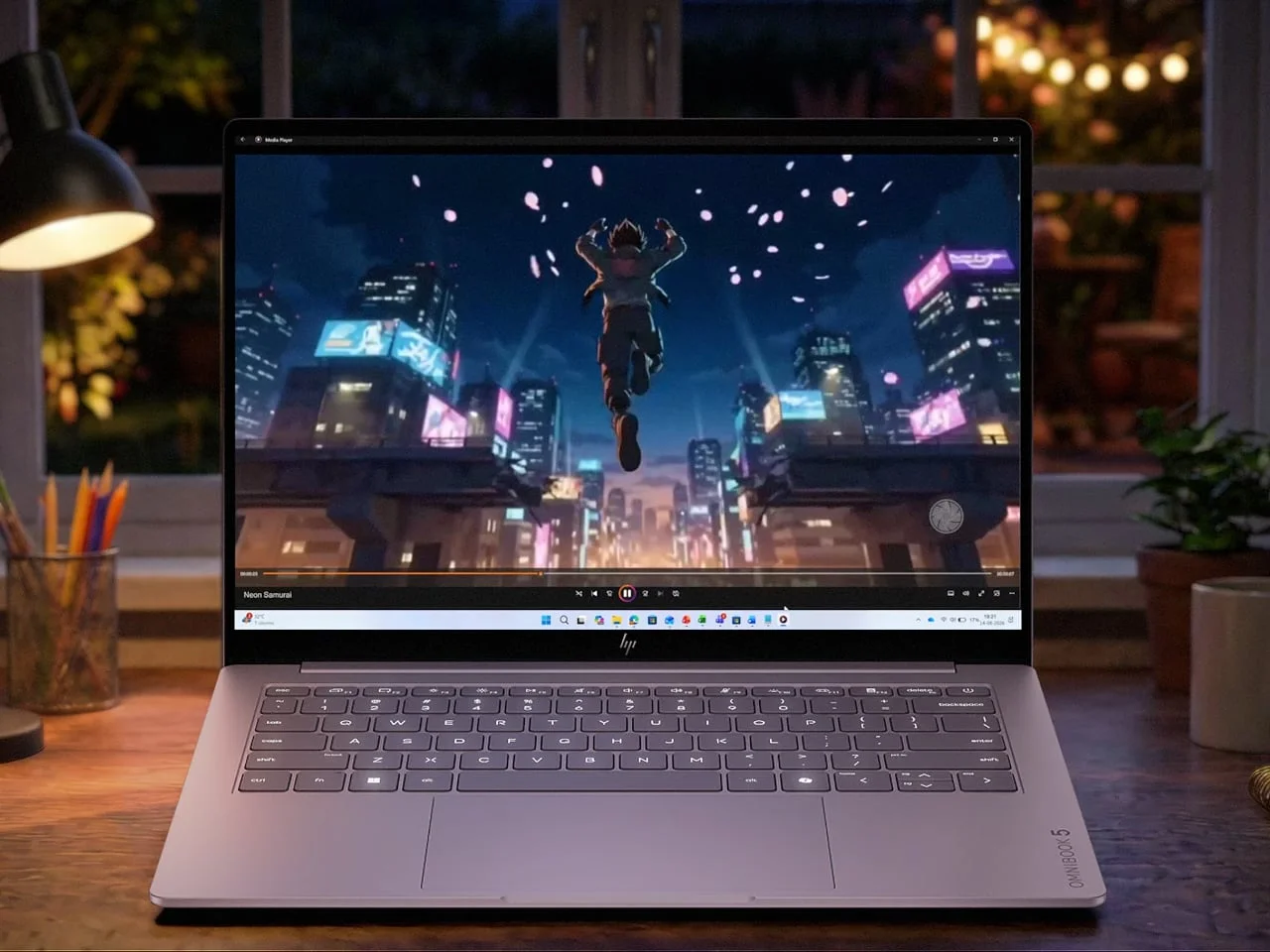
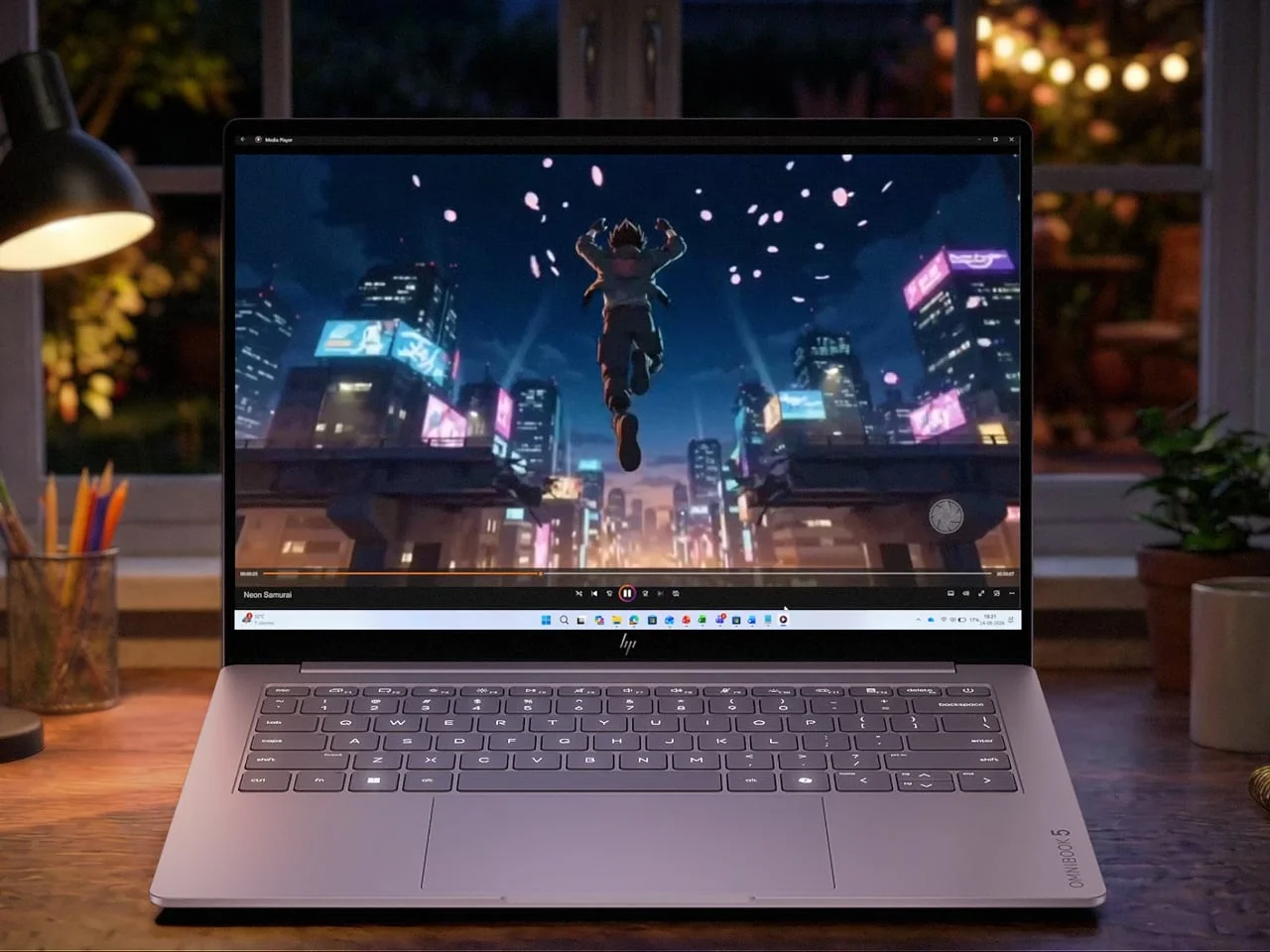
Affordable laptops usually force sacrifices, often pitting display quality against portability. The HP OmniBook 5 14, priced at $699.99, breaks this mold with a vibrant OLED touchscreen nestled in a lightweight aluminum chassis. While it competes against the MacBook Neo, it caters to users balancing class, work, and leisure effortlessly. However, it doesn’t deliver on every spec HP markets, which raises questions about the value proposition this laptop brings compared to its more expensive competitors.
Design and Aesthetic Appeal
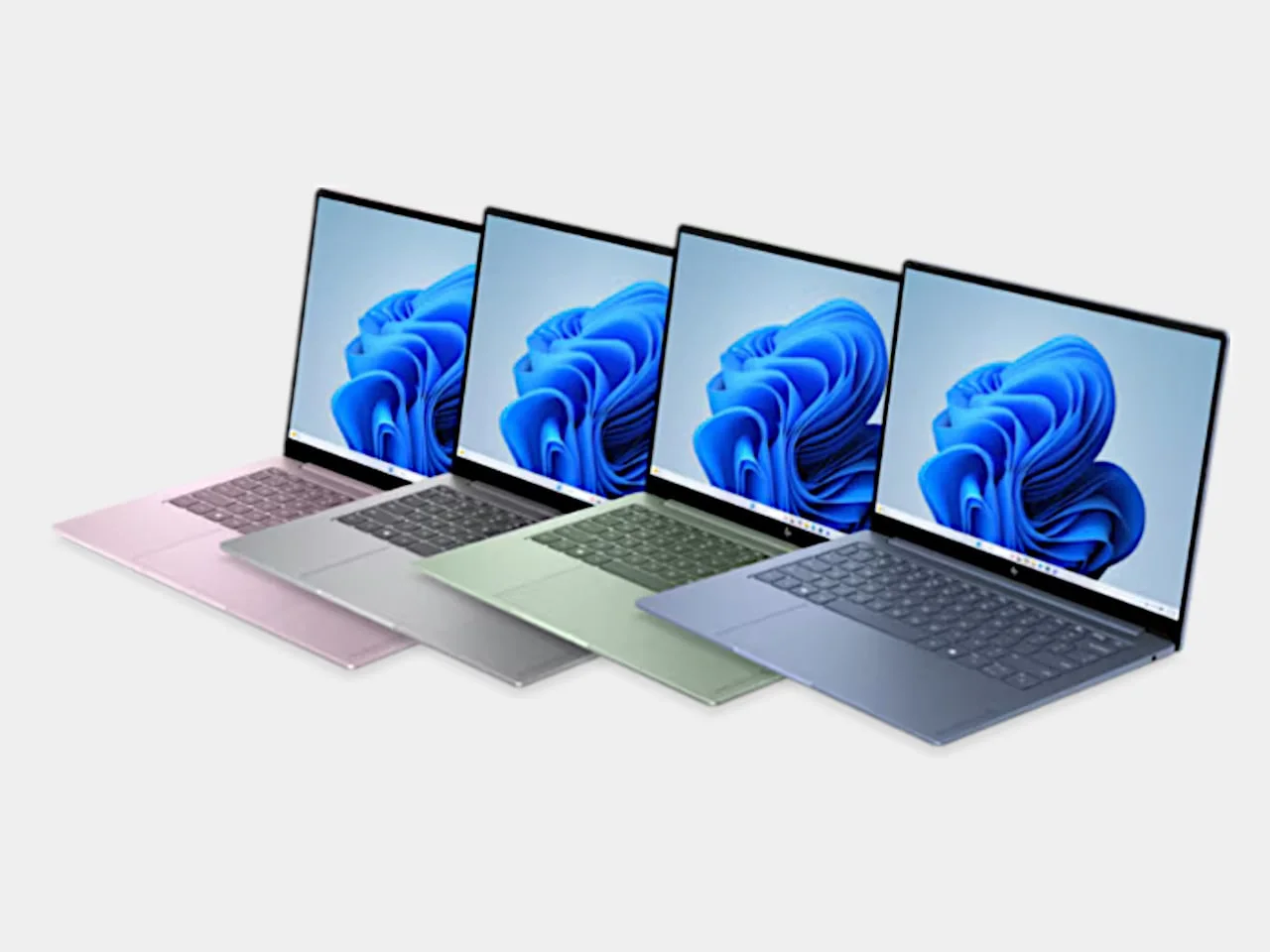
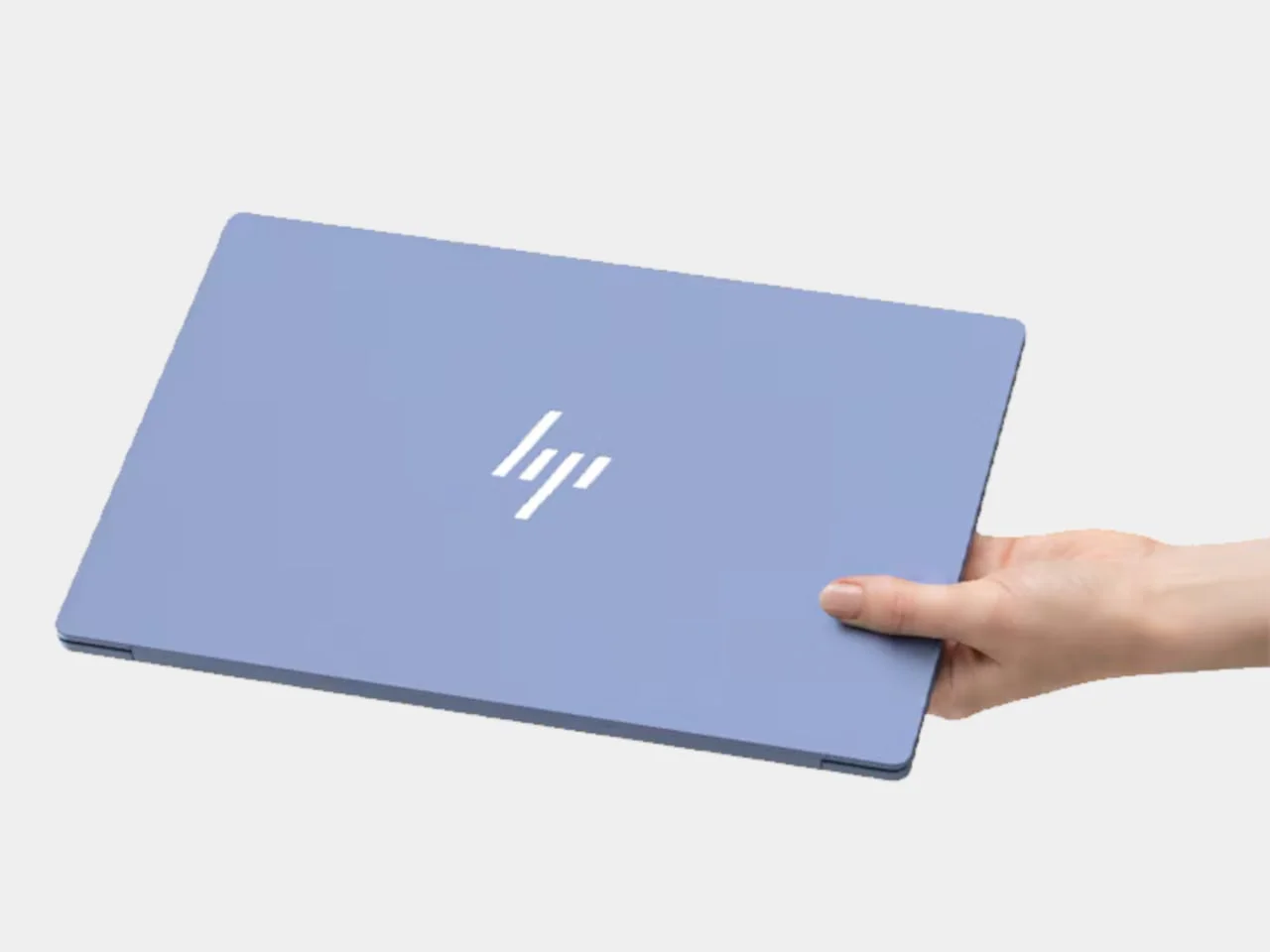
HP's approach emphasizes aesthetics alongside function, offering shades like Starlit Blue, Peony Pink, Soft Honeydew, and Smoke Silver that breathe life into its aluminum body. Portable devices are often criticized for their bland designs, but the OmniBook 5 attempts to change that narrative. Weighing in at just 2.6 pounds and measuring 0.46 inches thick, the OmniBook 5 stands out from traditional notebooks, showcasing a design that’s both portable and appealing. Users today don’t just want a tool; they want an extension of themselves—an accessory that reflects their style.
While colorful choices may attract attention, they also raise a question: Will this design stand the test of time? Trends in tech are fleeting, and flashy colors may not appeal to buyers looking for longevity. To some extent, the colors may enhance the purchasing experience, but practicality shouldn't be overshadowed by visual appeal.
Display and User Experience
Once you open the lid, the 14-inch OLED touchscreen captures your attention. It's enhanced by a 16:10 aspect ratio, which is beneficial for document work or creative editing. Yet this $699.99 model offers a resolution of 1920×1200 and a brightness of 300 nits, falling short of the higher-end 2.5K, 620-nit options touted in HP's promotional materials. This discrepancy between marketing claims and actual specifications can be misleading for consumers. You expect vibrant colors and deep blacks typical of OLED displays, but you may find that imperfections become more pronounced when expectations don't match reality.
The 180-degree hinge is a thoughtful addition, allowing easy sharing of content over a café table without the hassle of awkward positioning. This design decision acknowledges modern work habits—collaboration often occurs on-the-go, and a flexible hinge can facilitate that. However, while the backlit keyboard enhances usability in low-light settings, it isn’t designed to fold back completely like a tablet. This could be a dealbreaker for users who prioritize versatility.
Ports and Connectivity
It’s noteworthy that HP has incorporated an HDMI 2.1 port, two USB-C connections, and a headphone jack into the design. This setup means you can easily connect to displays or expand your desk setup without fishing for adapters. However, the absence of a USB-A port could be inconvenient for those relying on older peripherals. Many consumers still own USB-A devices, and omitting this port seems shortsighted, suggesting a preference for newer technology at the expense of versatility. If you're working in this space, you'll want to weigh the trade-offs of this decision.
And yet, HP does appear to be appealing to a demographic that embraces newer tech by prioritizing USB-C. The question remains whether the expected consumer base is ready to fully transition.
Performance and Configuration
Beneath the stylish exterior, the OmniBook 5 is powered by an Intel Core i5-320 processor, accompanied by 8GB of RAM and a 256GB SSD. This configuration may handle everyday tasks adequately, but heavy multitasking with large files may pose challenges. For those who regularly run multiple applications or work with demanding software, they might find this setup underwhelming. There’s an optional 512GB storage variant, but it’s essential to note that it isn’t standard with the base price, which may leave some users feeling like they're being nickeled and dimed when all is said and done.
Battery Life Considerations
When it comes to battery life, HP claims up to 42 hours of playback. However, this figure derives from local video checks and may not represent typical multitasking scenarios. Users drawn to a laptop for work or school may find that the battery life doesn’t hold up under real-world conditions, which often involve a more demanding mix of applications. The 60Wh battery combined with a 50% charge time of about 30 minutes are useful metrics but might not reflect daily usage realistically. With battery performance often being a critical deciding factor in choosing a laptop, potential buyers should approach these claims with a healthy dose of skepticism.
Implications for the Market
Ultimately, the OmniBook 5 positions itself against the MacBook Neo not by exceeding it in specs but by offering an attractive mix of a touchscreen, vivid display, and usability-focused design. This strategy seems aimed at appealing to tech-savvy students and young professionals who value aesthetics as much as performance.
However, pricing it at about $700 suggests that HP is betting on features over numbers. The question is whether this gamble will pay off. With many affordable options in the market, HP's focusing on a unique combination of elements could either resonate strongly or fall flat. Those drawn to value may appreciate what the OmniBook 5 offers, but they might also look elsewhere if they find more compelling specs for a similar or lower price.
In a landscape dotted with options ranging from high-end to low-end, deciding which laptop to invest in requires not just examining specifications but considering personal needs and usage patterns. For users looking for an engaging experience rather than hard metrics, the OmniBook 5 may be worth a closer look; but for those requiring serious performance, it may not quite hit the mark.
The post HP’s $699 OmniBook 5 Has the One Thing the MacBook Neo Doesn’t first appeared on Yanko Design.

Discussion
Sign in to join the discussion.