Discover essential insights and practical considerations before purchasing a bioethanol stove, from model selection to fuel management.
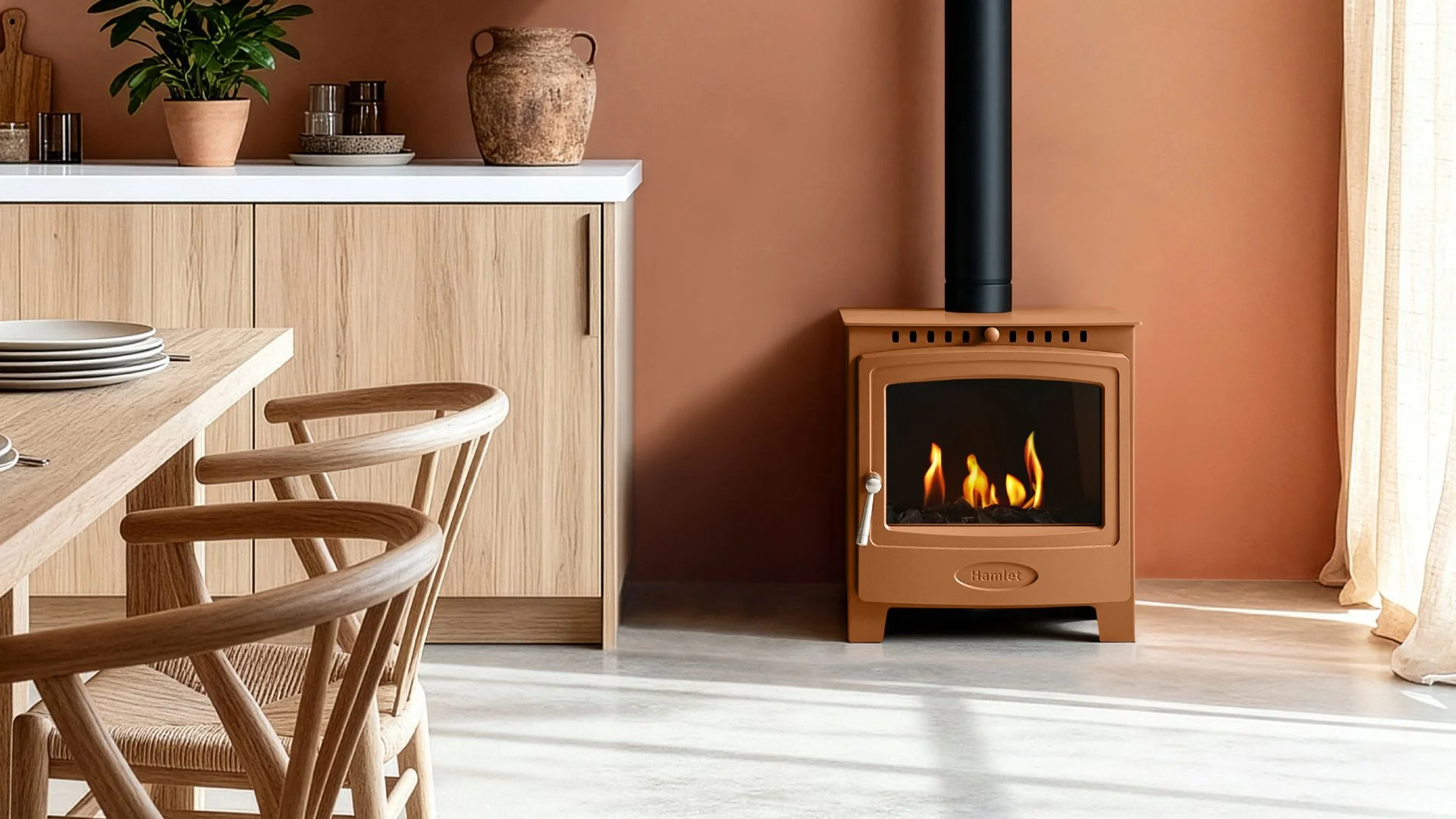
Owning a bioethanol stove can transform your space, yet the journey to that upgrade may come with unexpected revelations. When I decided to invest in a bioethanol stove, my excitement didn't quite match my understanding of its nuances. Here are some vital lessons I learned along the way to help you make an informed choice.
1. Choose Your Model Carefully
Selecting the right model is critical. While lightweight tabletop options exist, if you're after the genuine aesthetic of a traditional log-burning stove, you might be disappointed with flimsy designs. For instance, my own choice, the Arada Hamlet Solution 5 Bioethanol Stove, is substantial and was delivered via a sizeable lorry. Navigating it into my first-floor flat was a workout, so be prepared for the logistics of size and weight when opting for a bioethanol model. You’ll want something that fits your style, yes, but also consider the practical implications of getting it inside your home.
One of the benefits of bioethanol technology is its independence from flue systems. According to Jon Butterworth, managing director at Arada, the absence of smoke or fumes means no additional installation costs for flues, which cuts down on both time and expenses. This feature appeals to homeowners who want an efficient heating solution without the headaches of traditional installations. Be mindful, though: it also means you’ll be relying entirely on the efficiency of the bioethanol itself for those cozy fires.
2. Adding Fuel Needs Some Extra Kit
The eco-friendliness of bioethanol fuel is a major selling point, derived from fermented sugars that promise reduced carbon emissions. But handling liquid fuel is quite distinct from the solid fuel used in wood or multi-fuel stoves. Pouring bioethanol into the stove’s trough via a door can get messy if not done carefully, and spills can be frustrating. This might seem trivial, yet it’s an aspect many overlook until faced with an unexpected cleanup.
To mitigate spillage, I invested in a measuring jug and a set of funnels. These tools simplify the pouring process and minimize mess, ensuring a smoother experience when refueling. If you're working in this space, remember that preparation can enhance your enjoyment and ease of use. After all, nothing ruins the ambiance like a fuel spill right before guests arrive.
3. Check the Surface Where You Are Placing Your Stove
Safety should never be an afterthought, particularly with models designed to mimic a log burner. Bioethanol stoves can generate considerable heat, so placing yours on a non-combustible surface is essential. As noted by Butterworth, a stable, level base in a well-ventilated area is necessary to ensure safe operation. Think of the ventilation like the stove's best friend; without it, the cozy vibes could quickly turn into a harmful situation.
I initially overlooked the need for extensive ventilation in my own setup, which might not be an issue in many modern homes. However, consider investing in a protective item like a glass hearth to safeguard flooring against heat damage. This adds aesthetic value while protecting your home. (And this is the part most people overlook.) It’s all about ensuring your new cozy centerpiece doesn’t come at the cost of your living space.
4. It Gets Hotter Than You Think
Entertain any preconceptions you might have about the heating power of a bioethanol stove. Initially skeptical about its efficacy compared to my previous log burner, I was pleasantly surprised by the warmth radiated once it was in operation. With closed doors and windows, the cozy atmosphere it creates is inviting. However, remember to consider what’s directly above your stove; my own unit was too close to my wall-mounted TV, prompting an adjustment to avoid heat damage. Who knew that replacing one heating source could cause another problem?
You can even add the illusion of a traditional flue for aesthetics—just another way to enhance your home’s ambiance. But don’t let the aesthetics confuse you into thinking these stoves are a substitute for a full residential heating system. They excel in providing atmosphere but might struggle during the coldest months if you're not careful.
5. Burning Times Are Shorter
When it comes to burn time, bioethanol stoves often require more management than solid fuel options. My experience shows that a full tank can last a couple of hours, but one disadvantage is the wait time for refueling; you can’t top off a flame mid-combustion. If you forget to refill, the room can get chilly fast, making it worthwhile to keep an eye on fuel levels when relying on your stove for warmth. It’s a bit of a balancing act—keep that in mind if your plans involve extended evenings by the fire.
Despite these challenges, my enthusiasm for using the stove hasn't waned. In fact, lighting it has become a cherished part of my winter routine. For those seeking alternative heating options, you might also explore larger solutions like biomass boilers, but ensure you weigh all factors before diving in. Consider your heating needs carefully before making any decisions; each option has trade-offs that could affect your home comfort.
6. Future Outlook for Bioethanol Stoves
The rise of bioethanol stoves fits into a broader narrative about green technology and eco-conscious living. As society becomes increasingly aware of climate concerns, alternatives to traditional heating solutions are likely to gain traction. This space will continue to evolve, potentially offering more refined products that integrate both efficiency and eco-friendliness. Imagine smarter stoves equipped with sensors to monitor fuel levels and optimize heating rather than relying on manual checks.
This is significant for consumers looking for sustainable options. While innovations are still in the early stages, it’s a trend to watch. The focus on clean energy substitutes speaks to a shift in consumer demands, particularly from younger generations who prioritize sustainability. If you’re eyeing a bioethanol stove, you might just be at the forefront of a movement towards making home heating cleaner and more responsible.


Discussion
Sign in to join the discussion.