A novel VR prototype from Kyushu University replaces headsets with a chair-mounted system, aiming for reduced discomfort and more interactive experiences.
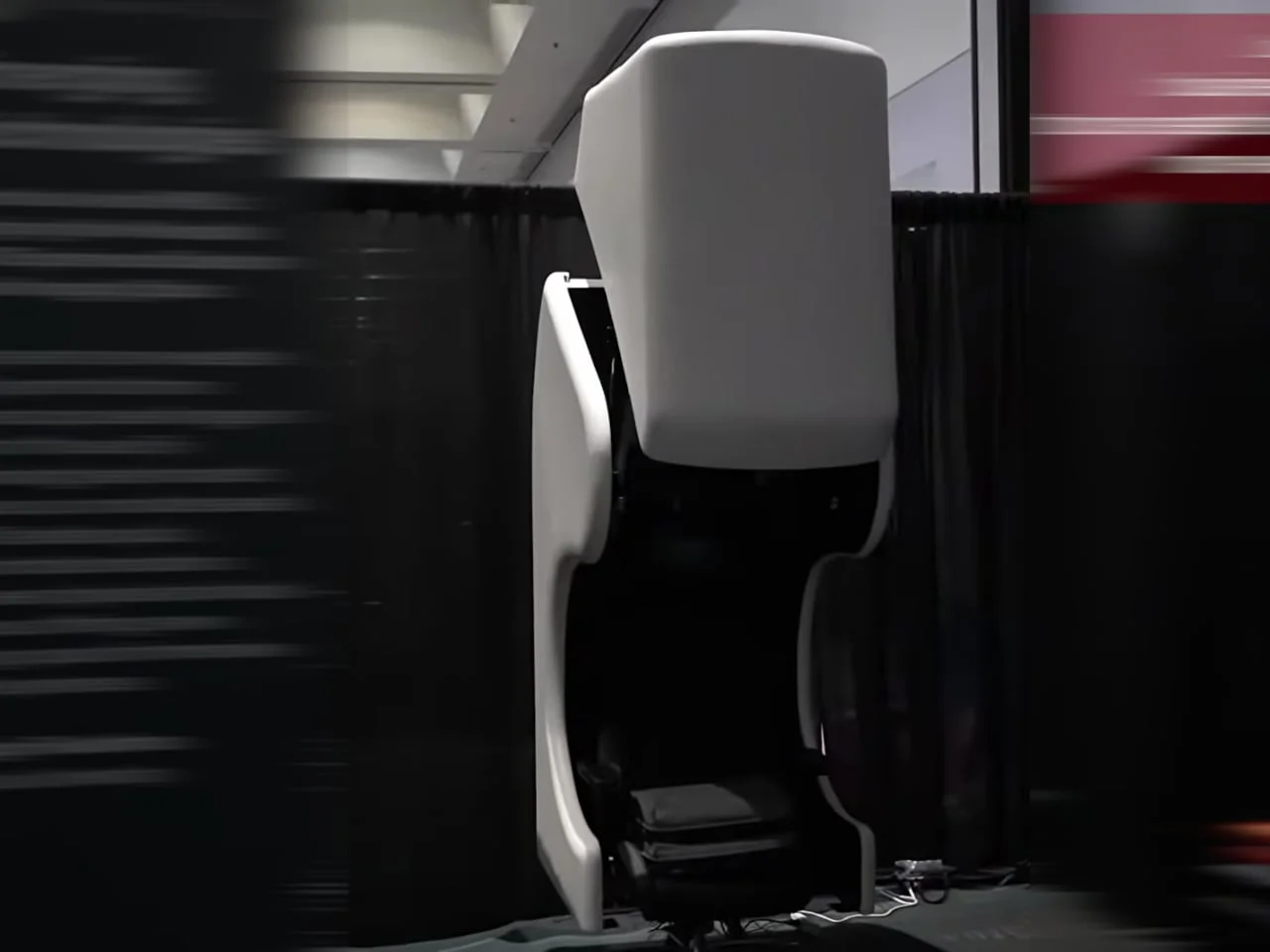
Virtual reality frequently requires users to don a headset, leading to discomfort during prolonged sessions. Researchers from Kyushu University have proposed a new approach that shifts the display from the user’s face to a uniquely designed chair. This innovation surrounds the seated user with an optical pod, delivering a three-dimensional experience without the need for a traditional headset.
The Design: Rethinking VR Interfaces
Resembling striking furniture more than conventional VR gear, the prototype features a high-backed seat that supports the user's body. A large white enclosure extends forward, dramatically altering how users interact with virtual environments. While its size might be surprising for a system aimed at reducing discomfort, the bulk is designed to rest away from the user's face, alleviating pressure on the forehead and cheeks. This design aspect not only enhances comfort but also allows for a more immersive experience—one that traditional headsets fail to provide.
What becomes evident here is that this design is about expanding the user experience rather than just iterating on existing technology. Headsets often create feelings of isolation and discomfort, while this chair approach invites a more communal interaction. Having a larger framework means that the visuals can be properly projected without the piercing pressure of cramped lenses against the face, allowing for prolonged use without the typical fatigue that comes from wearing VR headsets.
The Technology Behind the Experience
Designed by Shogo Fukushima (Kyushu University), this system employs a micromirror array to project slightly different images to each eye, generating depth perception without the lenses pressing against the user’s face. The aerial imaging technology allows the visuals to appear as though they float beyond the chair, enhancing the illusion of space and immersion compared to a standard monitor setup. Here’s the thing: this technology could redefine how we perceive virtual environments.
In many ways, VR has been hampered by its reliance on headsets that physically dominate the user’s experience. By detaching visuals from the wearer’s face, users may find themselves more connected to the environment around them, fostering a sense of agency. This aspect has been largely overlooked in existing VR design, which focuses on immersion through wearables, often at the expense of comfort.
Improved Usability and Accessibility
A notable aspect of the prototype is that the chair itself integrates with the controls. An embedded gyroscope tracks the rotation of the seat, permitting users to change their viewpoint by simply turning their bodies. This design negates the necessity for head trackers or adjustments for subsequent users, making the VR experience more accessible. You can simply sit down, face the optics, and your movements are instantly translated into the virtual environment. And this is the part most people overlook: the potential for accessibility is immense.
In theory, this could open up new markets for VR applications, particularly in educational and professional settings where users might not be as tech-savvy or physically able to manage traditional headsets. Imagine a classroom where children with varying physical abilities can interact with the same digital content effortlessly. That’s a significant step toward inclusivity.
Potential Applications Beyond Entertainment
Imagine utilizing this technology in a museum setting where visitors take turns experiencing reconstructions without cumbersome headsets. The chair would allow for short immersive experiences, transitioning from one user to the next effortlessly. This method could also be beneficial for stationary operators working within remote environments, though a finished version of this application has yet to be demonstrated. Museums and educational institutions could see great benefit; they could offer experiences that are rich yet accessible, with far less hassle than traditional VR setups.
Challenges and Limitations
By relocating the optics to the chair, designers gain the flexibility to experiment with larger components that would traditionally need to balance comfortably on a user’s nose. This newfound freedom could potentially address common issues such as VR sickness; however, while some researchers speculate it could mitigate nausea, this claim remains unproven. Variations in head pressure and motion sickness represent separate challenges within the VR space. The excitement surrounding this prototype shouldn't overshadow these considerations.
Of course, there are inherent trade-offs with this approach; a chair-bound system limits the ability to walk freely, and the current prototype takes up considerably more space than a portable headset. This setup is fundamentally designed for seated rotations rather than accommodating every nuance of head movement, meaning it shouldn’t replace mobile VR entirely. There’s a delicate balance between comfort and freedom, one that needs further exploration.
Looking Forward: The Future of VR Comfort
Ultimately, this design prompts a reevaluation of who should bear the weight of immersive experiences. Rather than miniaturizing technology to fit onto a user’s face, it leverages the environment to hold the apparatus, allowing users to experience virtual reality comfortably. For those spending extensive time in simulated settings, this transition might prove significantly more beneficial than simply reducing the weight of current headsets—provided, of course, that the chair itself remains comfortable for extended use. The success of this innovation could very well hinge on iterative feedback from users; after all, comfort is subjective.
This prototype is a pivotal development that can't be overlooked in the context of how immersive technology is evolving. If you're working in this space, whether it’s in entertainment, education, or training, keep an eye on how this technology develops. The implications could reshape the way we interact with virtual environments, possibly marking a shift in design philosophy for the entire industry.
Discussion
Sign in to join the discussion.