Discover how to embrace industrial design principles thoughtfully by incorporating warmth and character while avoiding common clichés.
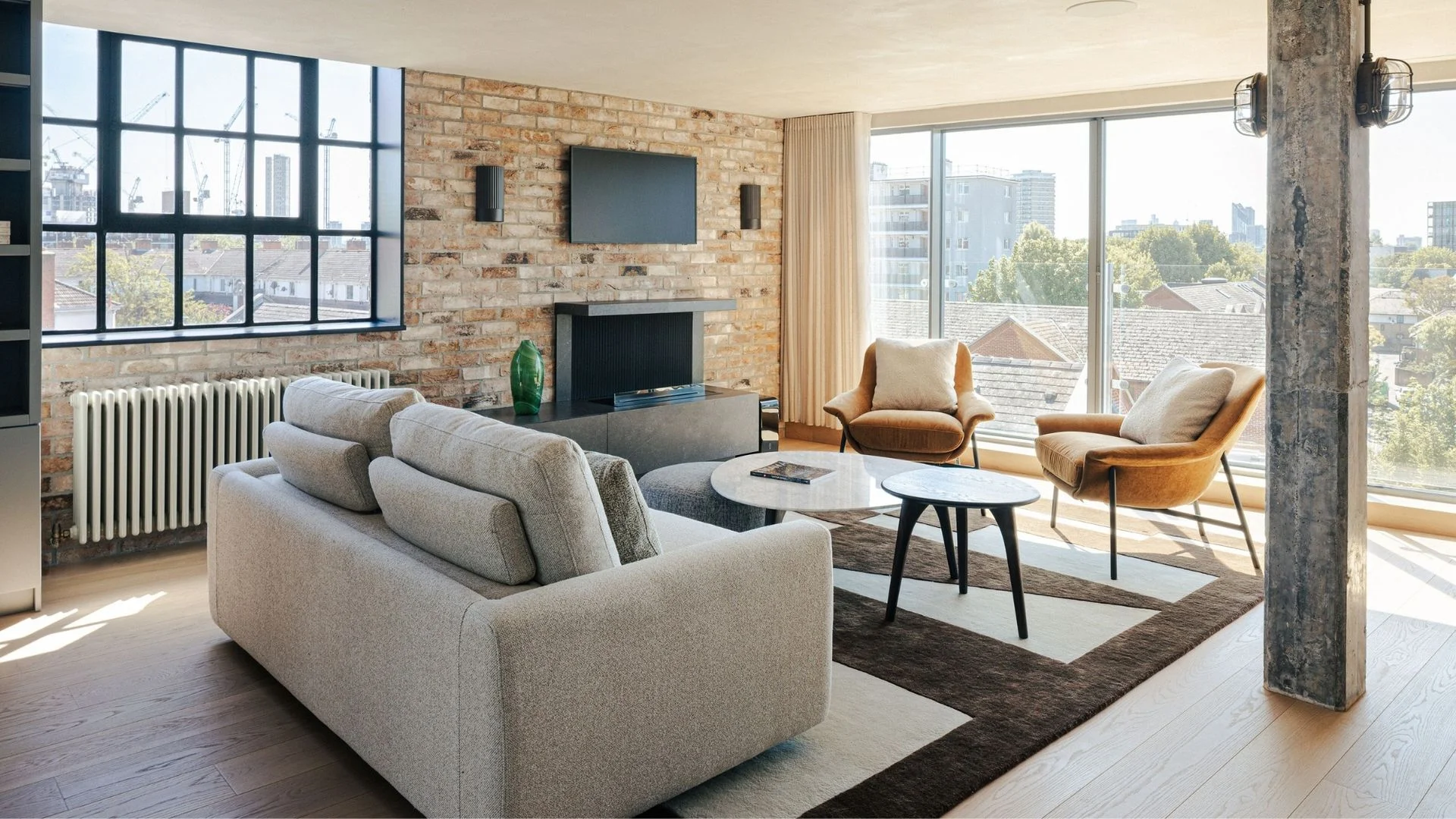
Industrial design isn’t just a passing trend; it has roots that trace back to necessity. It all began in the 1960s and 70s in New York City, where artists flocked to SoHo's overlooked factories and warehouses. Drawn by affordable rents and gorgeous light-filled spaces, these creatives embraced the rough features of their surroundings—exposed brick, raw piping, and unrefined textures became part of their new aesthetic. By the time the 1980s rolled around, we saw the phenomenon extend beyond borders. Cities like London and Manchester witnessed a surge in warehouse conversions, and the 'industrial chic' notion burgeoned into homes far removed from any semblance of an actual factory.
However, what happens when a style becomes ubiquitous? By the 2010s, industrial interiors had fallen into a pattern defined more by clichés than by genuine character. Just look around: filament bulbs and faux brick wallpaper littered the space, creating rooms that felt more like theatrical sets than comfortable habitats.
There’s a silver lining to this saturation. The fundamental principles of industrial style—where materials and architectural features carry the weight of character—have endured. Today's designers are taking this old model and reinterpreting it, integrating softer elements and warmer materials to create a more inviting ambiance. Think about it: the relentless concrete and steel can actually shine when balanced with rich wood textures, soft fabrics, and warm lighting. It's a subtle but important shift.
Now, if you’re considering applying industrial design principles in your own space, there are some key strategies worth following to ensure your design feels thoughtful and genuine. Understanding how to embrace both the rugged and the refined is essential for crafting an inviting and stylish environment.
### 1. Break Away from Predictability
When you hear 'industrial style', the mind often drifts to the same old images—overhead bulbs, stark metal finishes, and that ubiquitous faux brick wallpaper. This formulation isn't just tired; it's lost touch with the essence of what made industrial design compelling in the first place. As interior designer Caroline Montague points out, leaning too heavily on the familiar motifs risks reducing a space to mere themed décor.
Instead, consider ways to incorporate the essence of industrial style without falling into clichés. As Montague emphasizes, effective designs take cues from the architecture itself, allowing spaces to breathe and speak through their materials. The best industrial settings don't necessarily scream 'industrial'; they whisper it through raw surfaces and functional components, enhanced with warmth and comfort.
### 2. Harmonize with Existing Architecture
The beauty of industrial style lies in its adaptability. You don’t need to find a loft or warehouse to bring this aesthetic into your home. Instead, assess the architectural features you already have, drawing out the building's natural character. Montague suggests embracing existing structural elements, whether they be original brickwork or exposed wooden beams, rather than layering on details that don't genuinely belong.
Remember, it's about enhancing what's there—not forcing industrial accents into an incompatible space. If your home is more conventional in style, introduce smaller elements like open shelving or reclaimed wood surfaces that introduce character without compromising its integrity.
### 3. Choose Standout Features Wisely
If you're in the midst of a renovation or extension, this is your chance to make impactful decisions about materials and features. Resist the temptation to overdo it with every industrial element imaginable. Less can often be more; selectively incorporating features lets individual materials shine rather than overwhelming the senses. For example, slim steel-framed doors or polished concrete floors can define spaces while preserving a sense of openness and light. Montague notes that thoughtful selection enhances the inspired interplay between raw materials and livable spaces.
### 4. Simplify Your Metal Choices
Metal plays an iconic role in industrial style, but all too often, chaos erupts when multiple finishes are thrown together. Dimitri Zobnin from House of Enki cautions against mixing different metals in a single space; it risks shattering any cohesive design. Instead, select one metal finish and repeat it strategically throughout your design. This not only fosters a sense of unity but also provides a subtle elegance.
### 5. Celebrate Exposed Brickwork
Let's face it: exposed brick remains a hallmark of industrial design for good reasons. If you have original brick walls, don’t shy away from showcasing them. They add layers of history and intrigue. Weathered surfaces and uneven patches tell a story, making them a focal point rather than just another design choice. If original brick isn’t an option, consider brick slips as a more practical alternative—they can deliver that sought-after texture while avoiding the upheaval of structural changes.
### 6. Balance Hard and Soft Materials
It's imperative to avoid the cold, clinical feel that can sometimes accompany industrial materials. Experts agree that balancing hard surfaces with softer textures is key. Pairing concrete or steel with wool or linen can transform a stark space into something warm and inviting. Introducing textiles—like a cozy throw or a velvety sofa—can help bridge that gap beautifully.
### 7. Use Lighting to Define the Space
Lastly, lighting is where the industrial aesthetic can truly thrive. It should reflect the practicality inherent in industrial design. Authentic fittings made with robust materials and simple designs serve to enhance the ambiance rather than simply fill the room with light. Experts recommend optimizing light fixtures for scale and space, ensuring they contribute to the overall narrative of the room.
By adhering to these principles, you can create an industrial-style interior that feels authentic and inviting, rather than overly contrived. If you're looking at this style for your next project, these tips are likely to lead to a successfully executed space.



Discussion
Sign in to join the discussion.