Sharp's AQUOS sense11 puts a rear light to work for calls and alerts when the phone sits screen-down, backed by a 5,000mAh battery.
Notifications without the screen
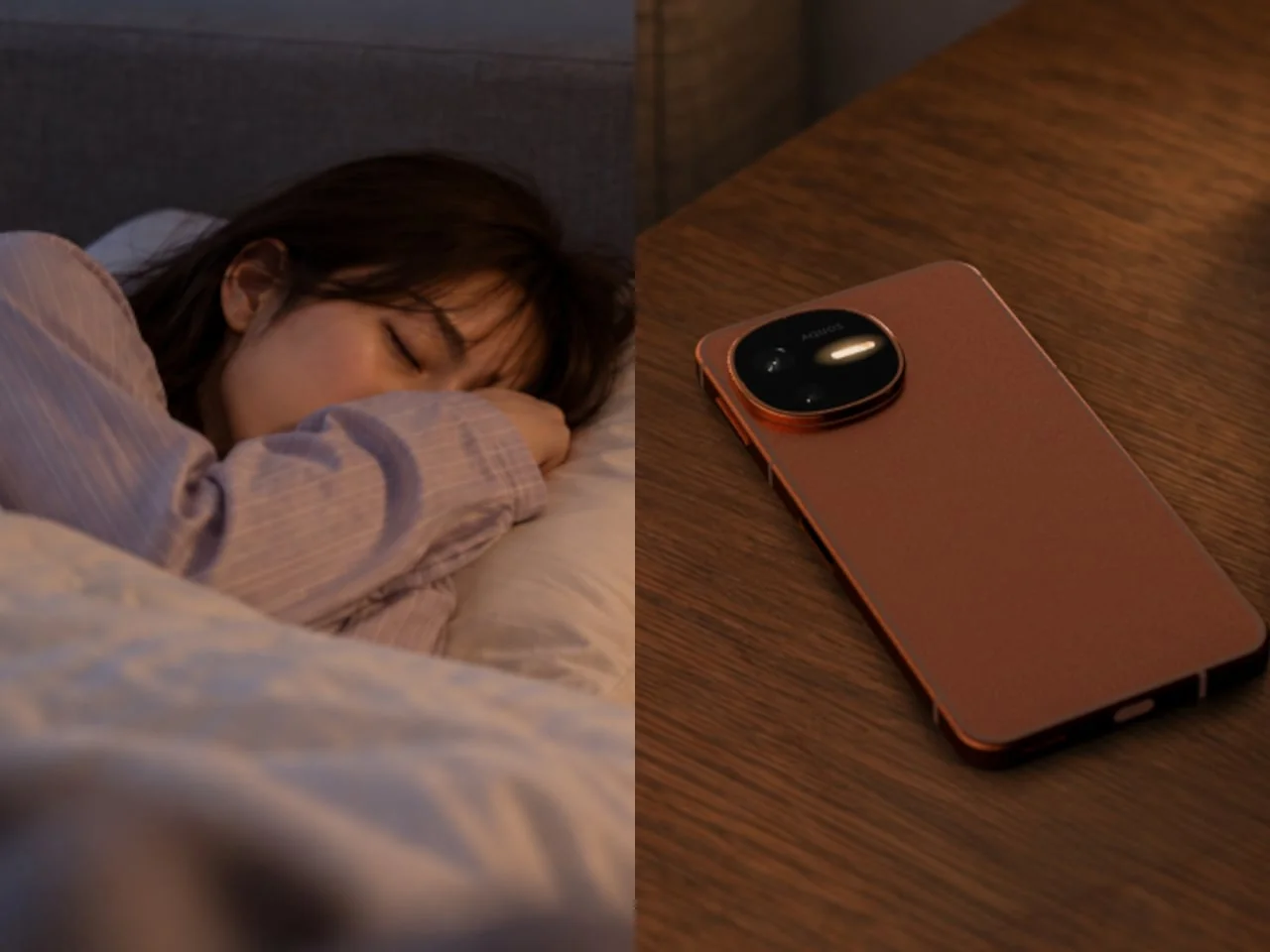
A phone face-down usually means the screen is off and you're finished for now. Sharp's AQUOS sense11 treats that moment as useful, and that's the part I find more interesting than the spec sheet. A small horizontal light on the back handles incoming calls and notifications, so the phone can keep you informed without pulling your eyes back to the display. Most phone backs do nothing once the screen goes dark, so giving that surface a job is a modest but deliberate idea.
Sharp gets less attention for phones than for TVs, but it keeps building handsets for Japan and selected overseas markets. That's a useful reminder that a brand's reputation in one category doesn't automatically carry over to pocket hardware. The sense11 measures about 7.6mm thick and weighs 157g, which is light for a phone with a 6.2-inch screen and a 5,000mAh battery. Weight is the number you feel every time you pick the phone up, and it matters more for daily carry than most headline features. Flat sides and softly rounded corners keep the silhouette plain, so the camera area ends up carrying the design. The phone comes from Sharp.
A camera island with a light inside
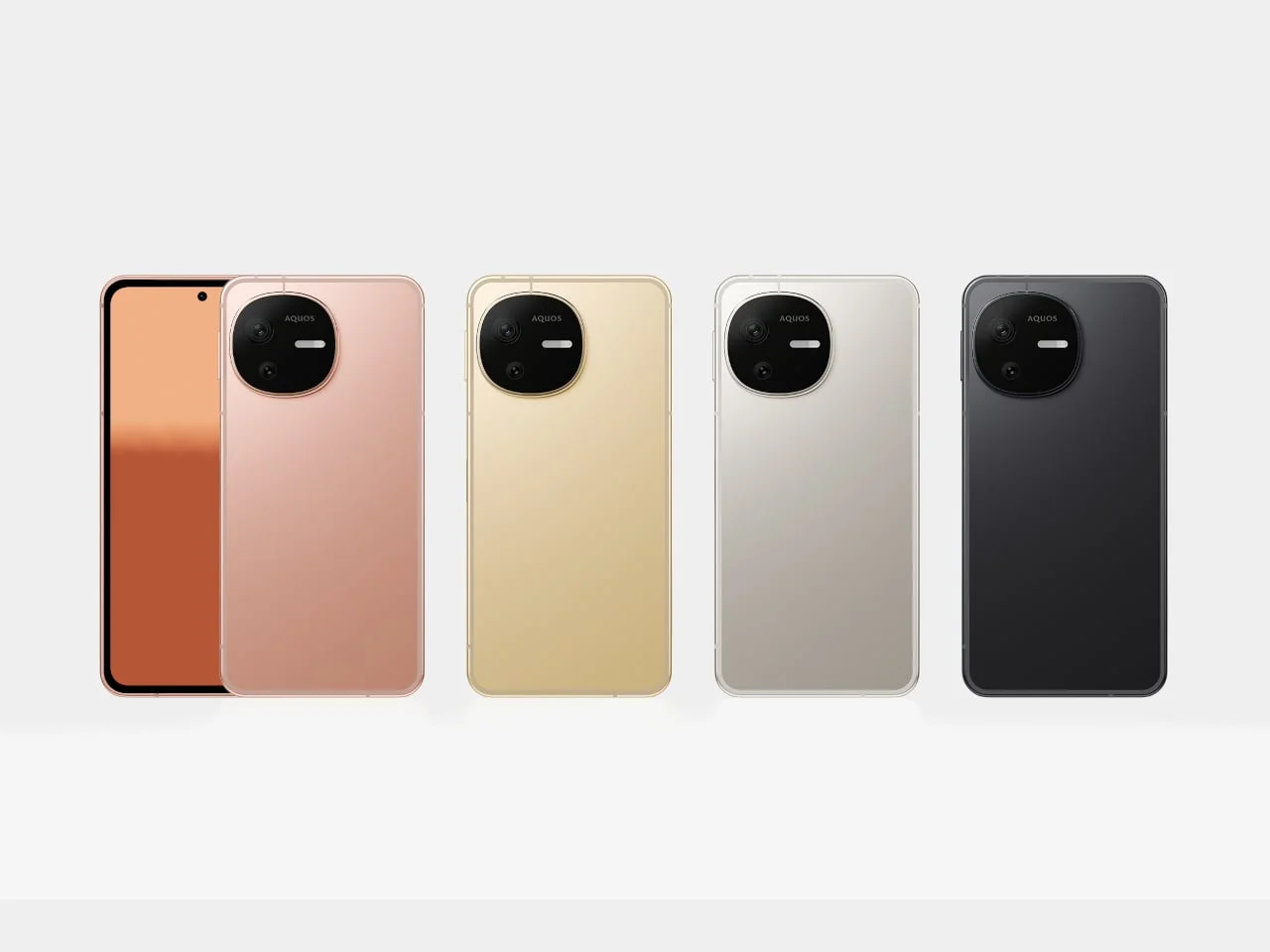
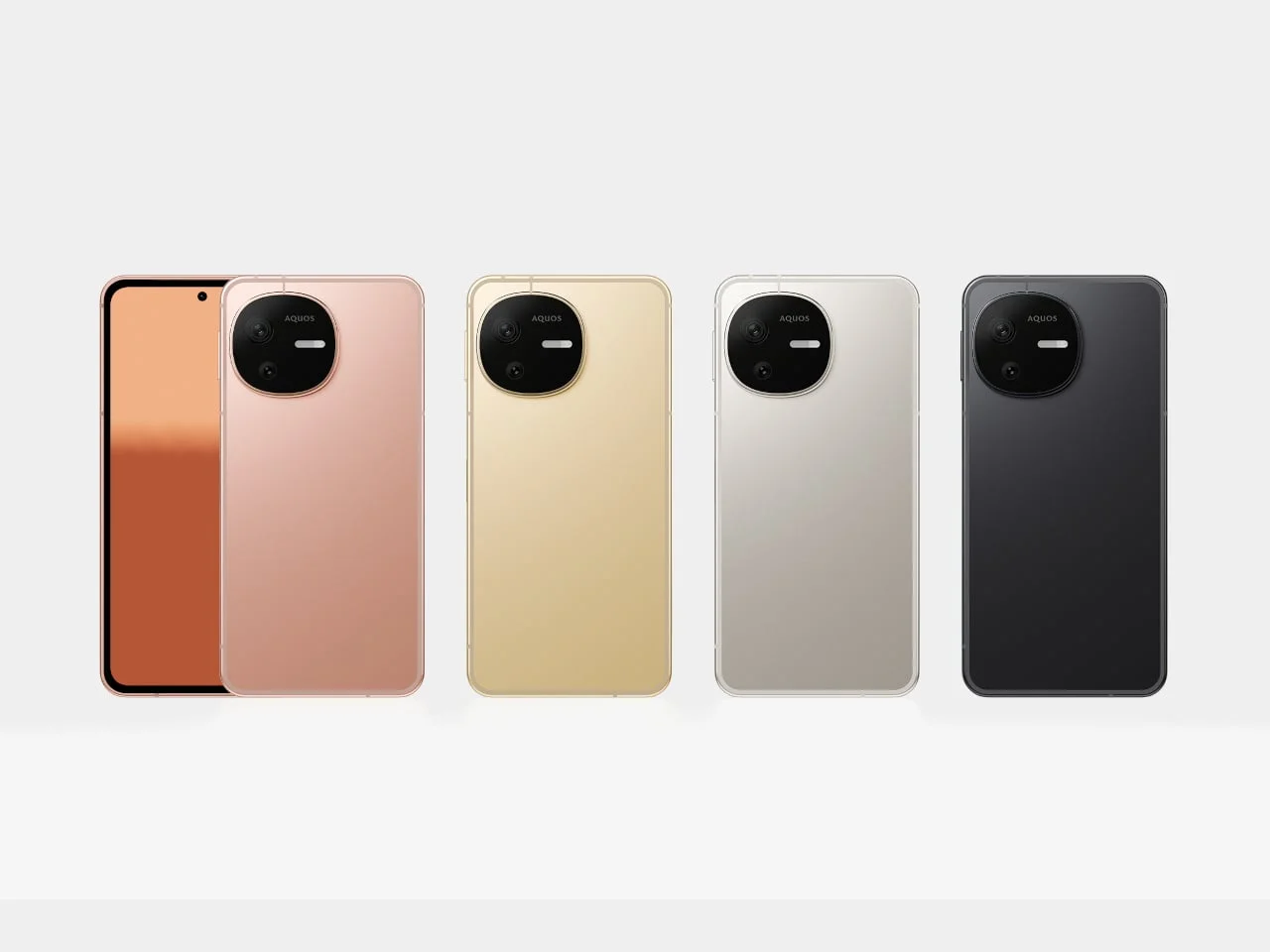
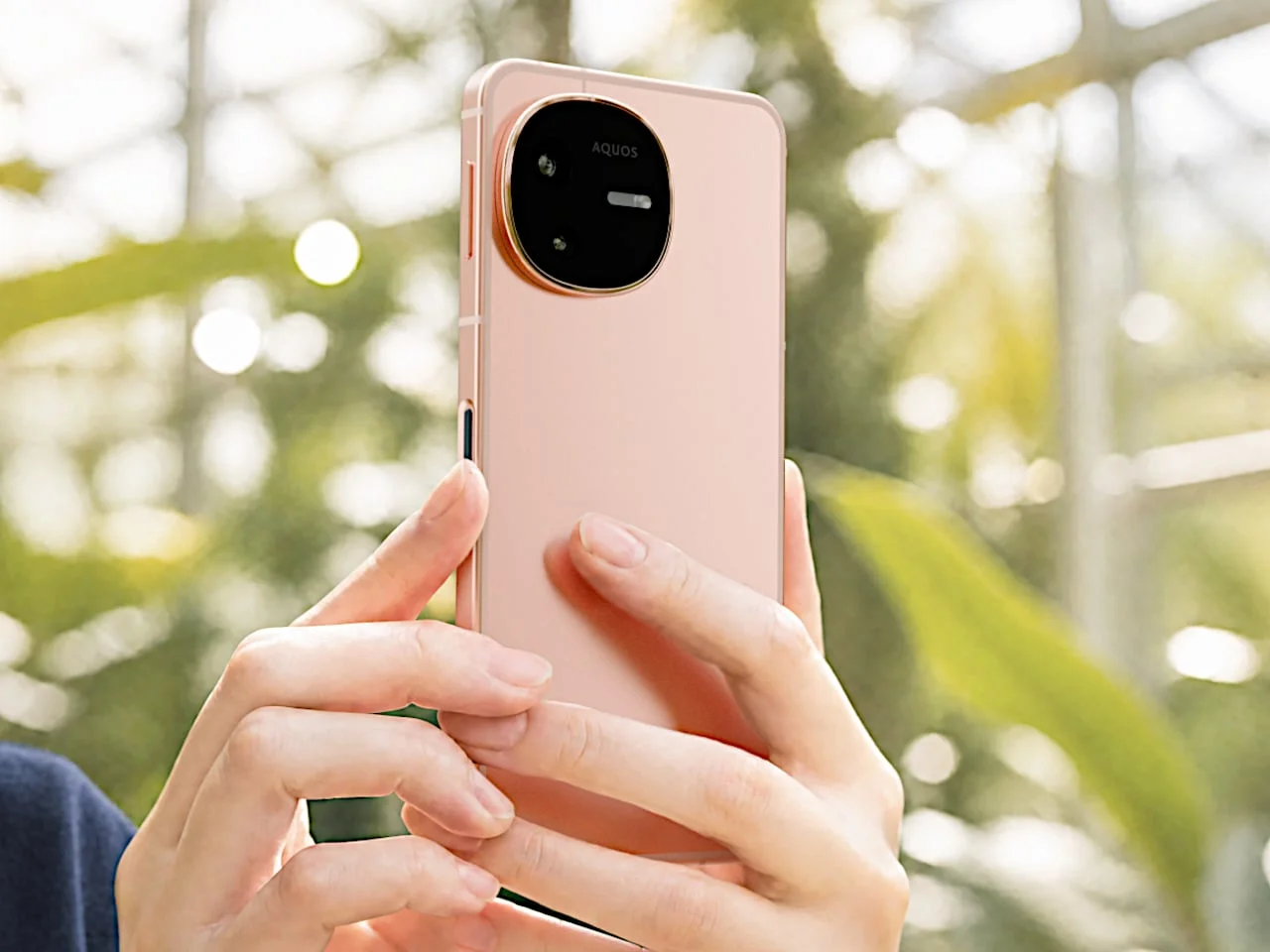
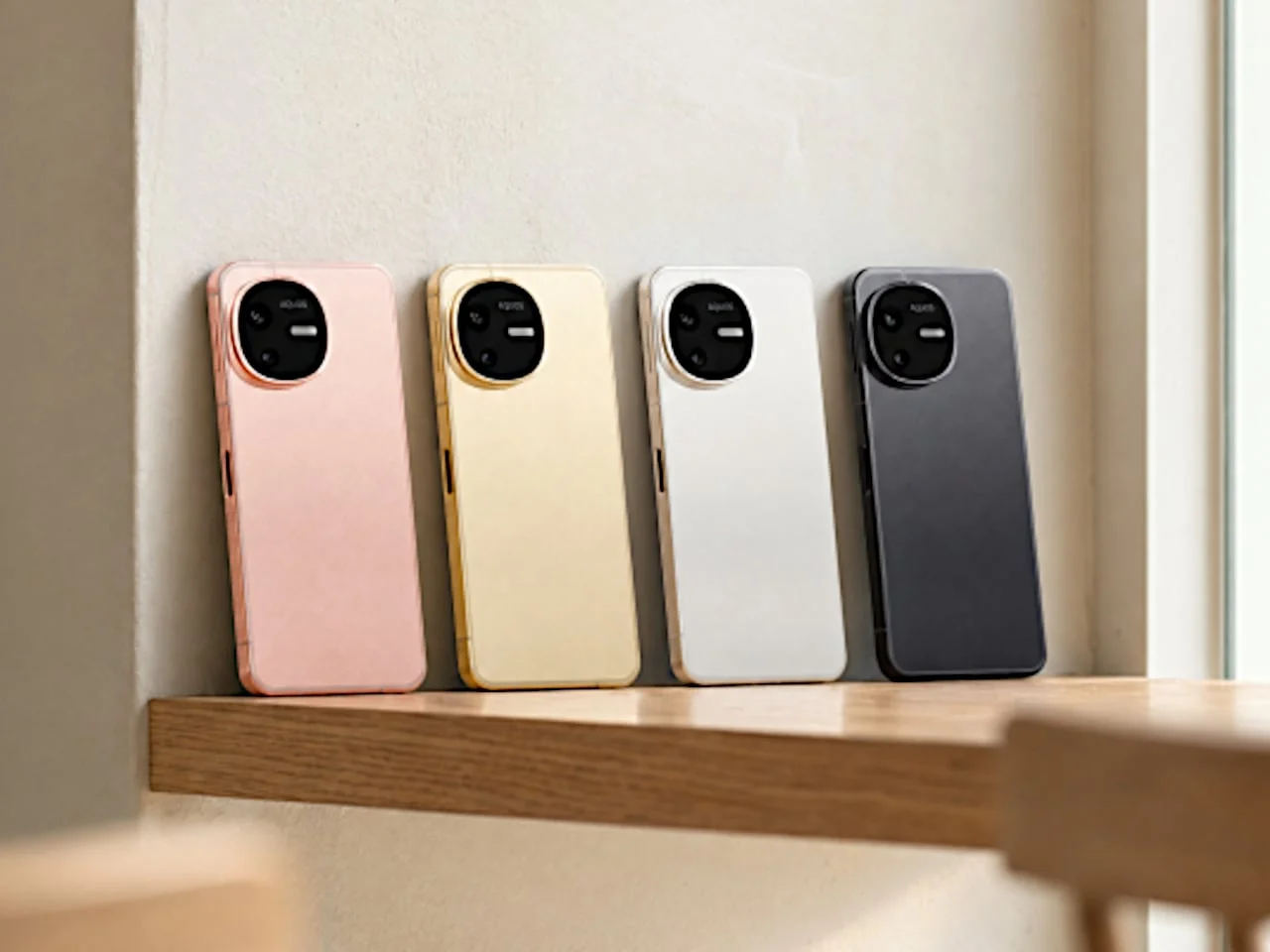
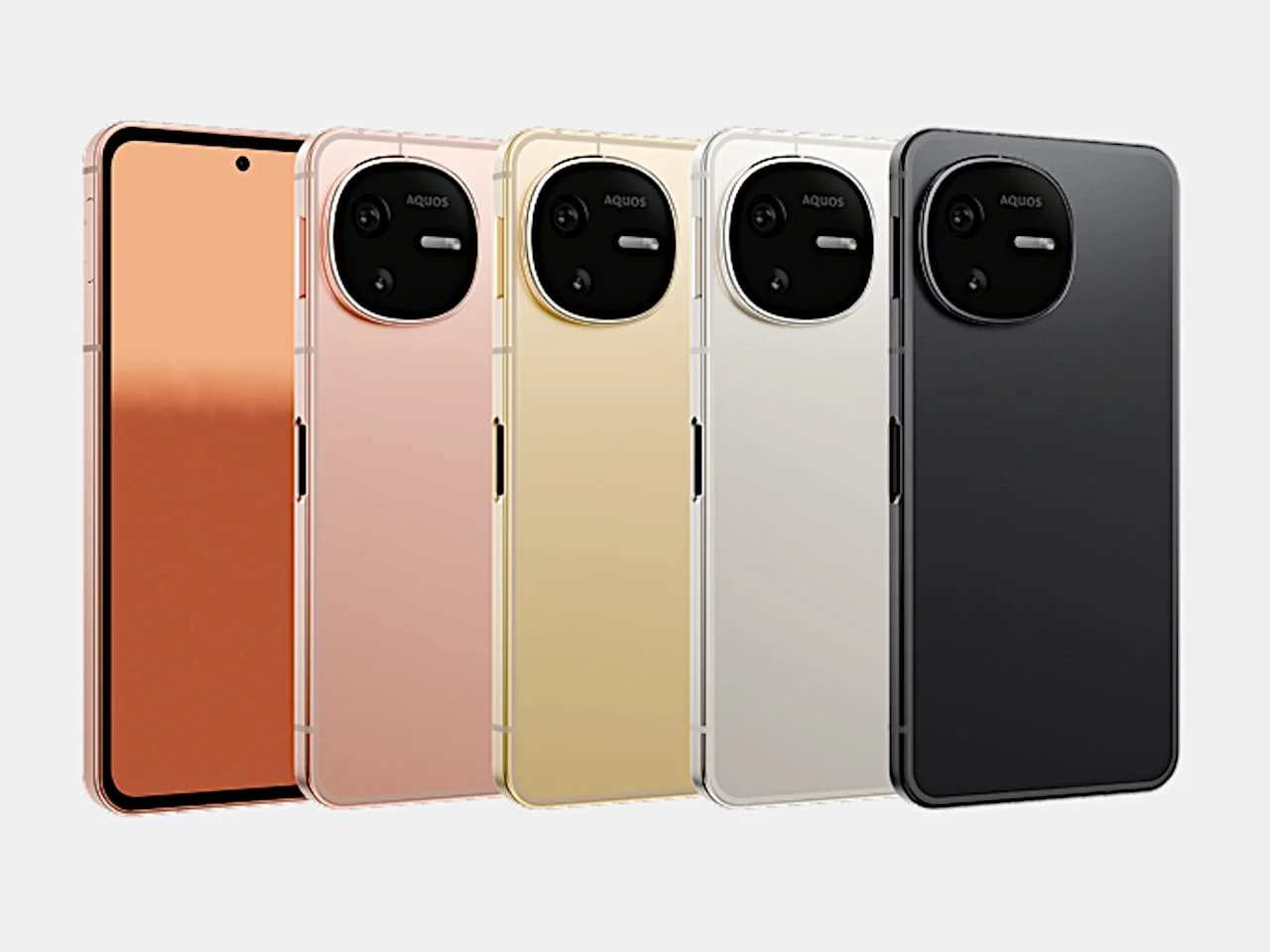
Copper gives the aluminum shell a warm, pinkish tone, while Gold, Silver, and Black take a quieter route. A blasted finish contrasts with the polished aluminum ring around the cameras, adding texture without bringing in a second material. The rounded-square black island holds two lenses and the horizontal light, grouping those elements into one block rather than scattering them across the back. Here's the thing: camera bumps have become the default place for phone makers to show off, so putting the light inside that same island is a sensible choice. It makes the light read as part of the camera system instead of an afterthought.
I'd rather see a deliberate island than a random strip of LEDs, and this one looks intentional. If you're choosing a color, Copper is the option most likely to get attention on a desk, for better or worse. The quieter finishes are the safer bet if you want the phone to disappear into your daily routine.
Akarium: light in place of sound
That island houses Akarium, Sharp's light-and-sound feature for incoming calls, notifications, and quiet evenings at home. Set the phone screen-down on a nightstand and the small light stays visible without washing out the whole display. Assign different colors to individual apps, or pair the ambient glow with nature sounds while you wind down. This is the part most people overlook (and it's the reason the concept is more than a gimmick): a light on a nightstand is far less intrusive than a screen lighting up the ceiling.
The trade-off is information density. A light can tell you that something arrived, but not what it said, so you'll still reach for the phone for details. That said, for many people the real question isn't "what's the message?" but "do I need to look right now?" A glow answers that without a buzz or a flash. Quiet, mostly. The interesting design problem is how much meaning one light can carry before it turns into noise.
Display and cameras
Flip the phone over and the 6.2-inch Pro IGZO OLED takes over. Sharp advertises peak brightness of 3,000 nits, but that's a peak figure, not the sustained output of a white screen, which is rated at 1,500 nits. The distinction matters when comparing panels. Peak numbers are marketing's favorite figure, and they're easy to overstate. Sustained brightness is what you actually feel on a sunny afternoon, so I'd treat the 3,000-nit number as a ceiling rather than an expectation. The practical goal is simpler: reading a map or framing a shot outdoors without hunting for shade.
Two 50.3MP rear cameras cover standard and ultrawide views, with optical stabilization on the main lens. The ultrawide adds all-pixel phase-detection autofocus, aimed at keeping moving subjects sharp. Spec sheets rarely show how a camera handles a kid sprinting toward the lens, so the autofocus claim is the one to test yourself. The camera software can remove background people, reduce shadows, and mask readable signs. That last one is more useful than it sounds. You can share a photo without advertising the street address behind you. Background removal and similar editing tools have become common across phone makers, and they're only as good as their results in messy, real-world scenes.
Battery, durability, and availability
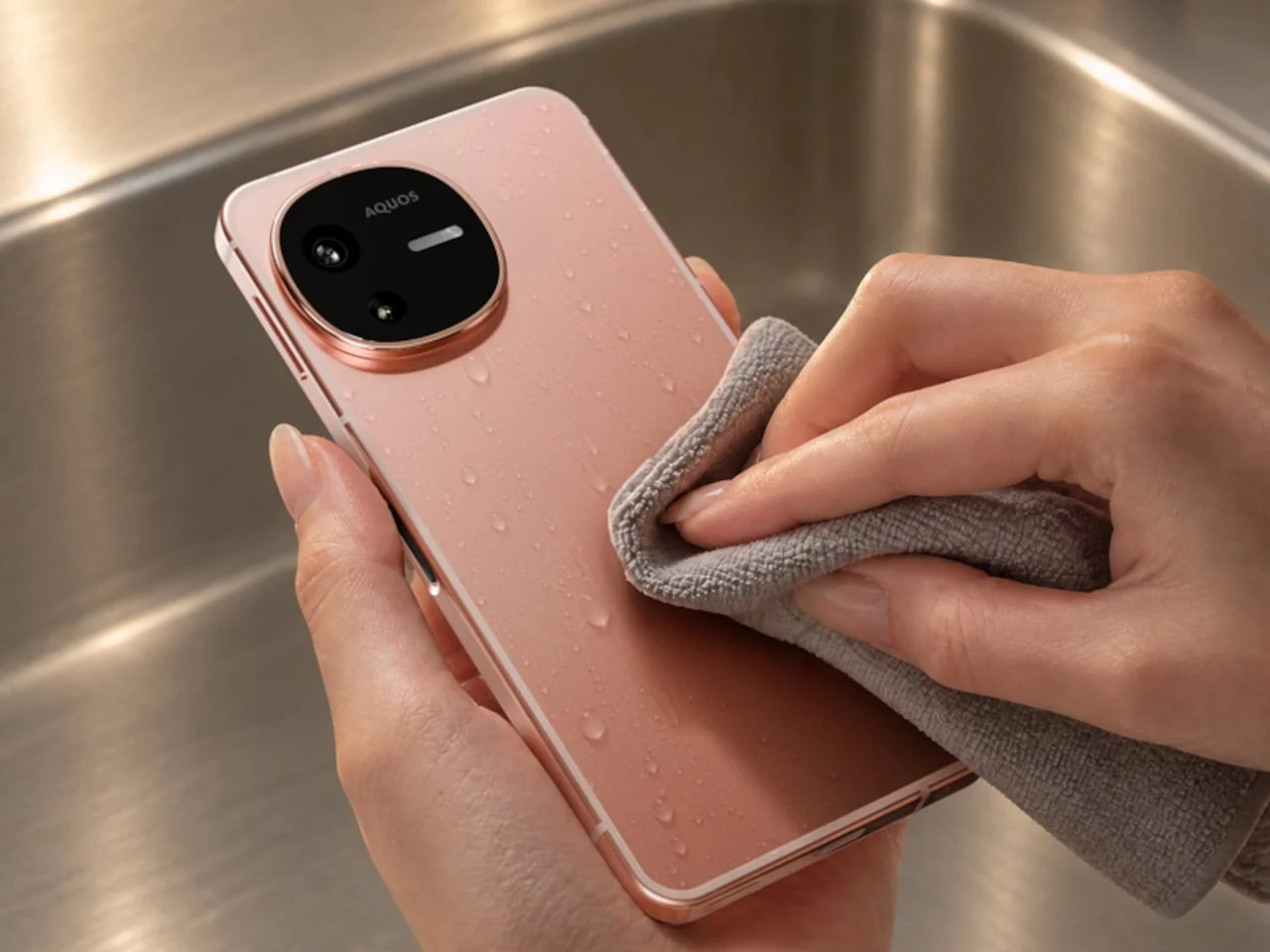
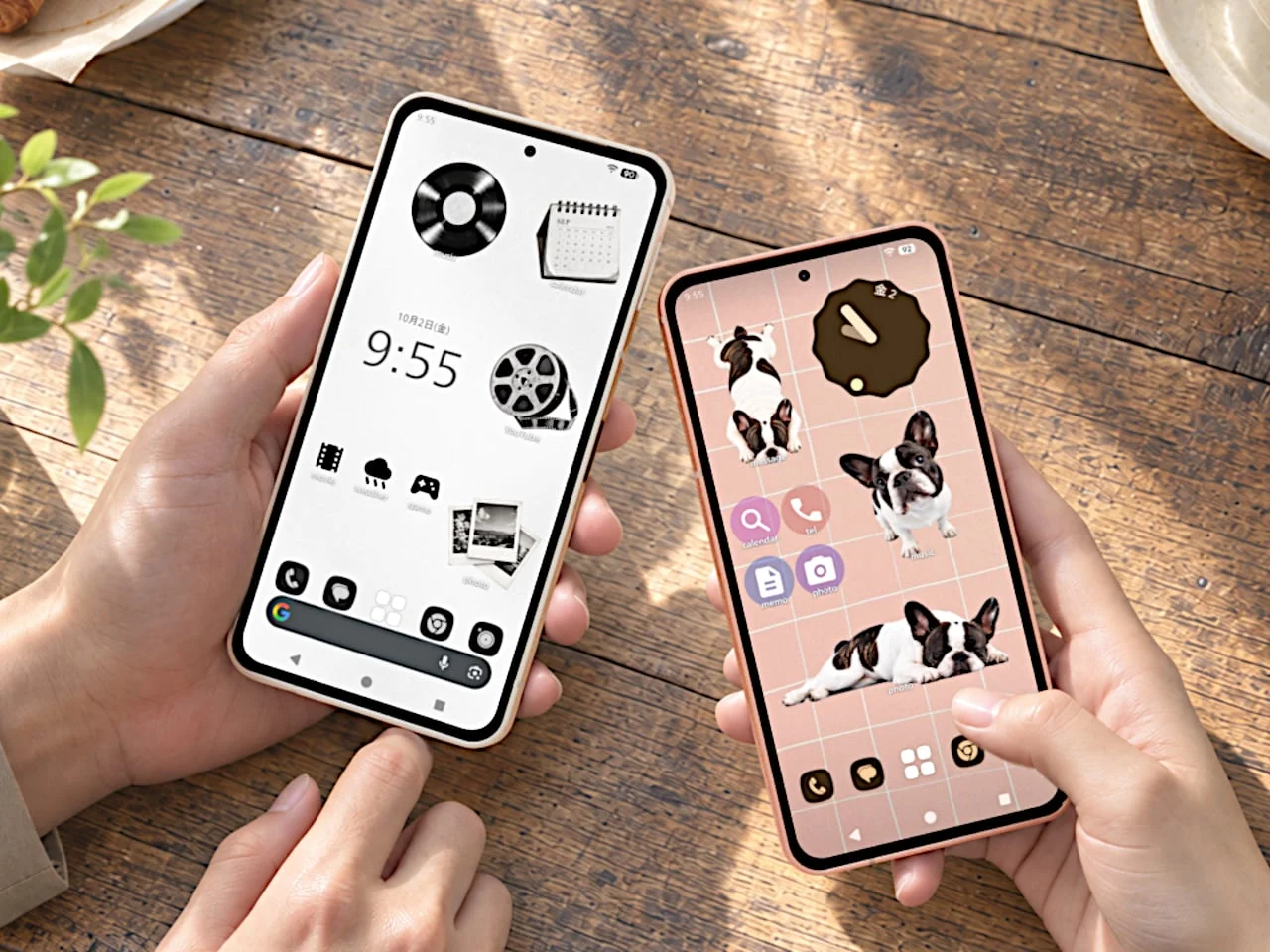
The 5,000mAh battery is rated for roughly two days between charges under Sharp's stated usage pattern. Two-day ratings depend heavily on how you use the phone, so treat it as a best-case signpost rather than a guarantee. Sharp also promises six years of security updates from release and up to four Android version upgrades. Those commitments matter more for how long you keep the phone than any single spec, and a handset you hold onto for years is worth more when it keeps getting patches. IPX9 water resistance and IP6X dust protection arrive without the rubber-armored shell you'd expect on a rugged handset. That's an unusual pairing, and it's worth checking whether the metal body suits how you actually use the phone.
The AQUOS sense11 reaches Japan on November 26, 2026, starting at ¥94,600 (about $594). US availability hasn't been confirmed, so anyone importing one should check network compatibility and support first. Imports are rarely as simple as they look, since band support and carrier compatibility can vary. Check before you buy, and check again before you rely on it for work. And if you're tempted to slip the metal body into a case, pick one that leaves the light exposed. Cover it and you lose the feature that sets this phone apart.
What this means for you
The sense11 is a bet that phones can communicate through their backs. Whether that bet pays off depends on whether people actually use ambient light instead of reaching for the screen. Here's my skeptical take: a light is a clever answer to a real annoyance, but it's a narrow one. Most of us still want the details, and a glow can't deliver them.
If you're the kind of person who keeps your phone face-down on a desk or nightstand, this design speaks directly to your habits. If you mostly care about camera performance or long battery life, the light is a side feature, and you should judge the phone on the spec sheet and your own testing. Either way, the number that will matter most is how long the software keeps getting updates. The light is the interesting part. The support window is the part that will decide whether this phone is worth keeping.


Discussion
Sign in to join the discussion.