Choosing the Right Window Treatments: A Guide to Curtains and Blinds
Published Oct 13, 2026Reads 547Desk Natasha Brinsmead
Explore how to enhance your space with the perfect window treatments, balancing style and functionality through curtains and blinds.
When planning any renovation or building project, there's a key aspect that often gets sidelined: soft furnishings. While we tend to focus on structural and aesthetic elements, the impact of thoughtfully chosen window treatments can greatly enhance not just the look but also the functionality of a space.
Given the plethora of window treatment options available today, navigating the selection process can feel overwhelming. With trends shifting frequently, and the unique characteristics of each room to consider, choosing the right window solution requires careful thought. You need to assess not only the type of window but also how the treatments will harmonize with your personal style.
The two main categories you'll typically consider are curtains and blinds. Each has its own strengths and weaknesses, which we'll explore in detail to help you make an informed decision.
Curtains: A Timeless Classic
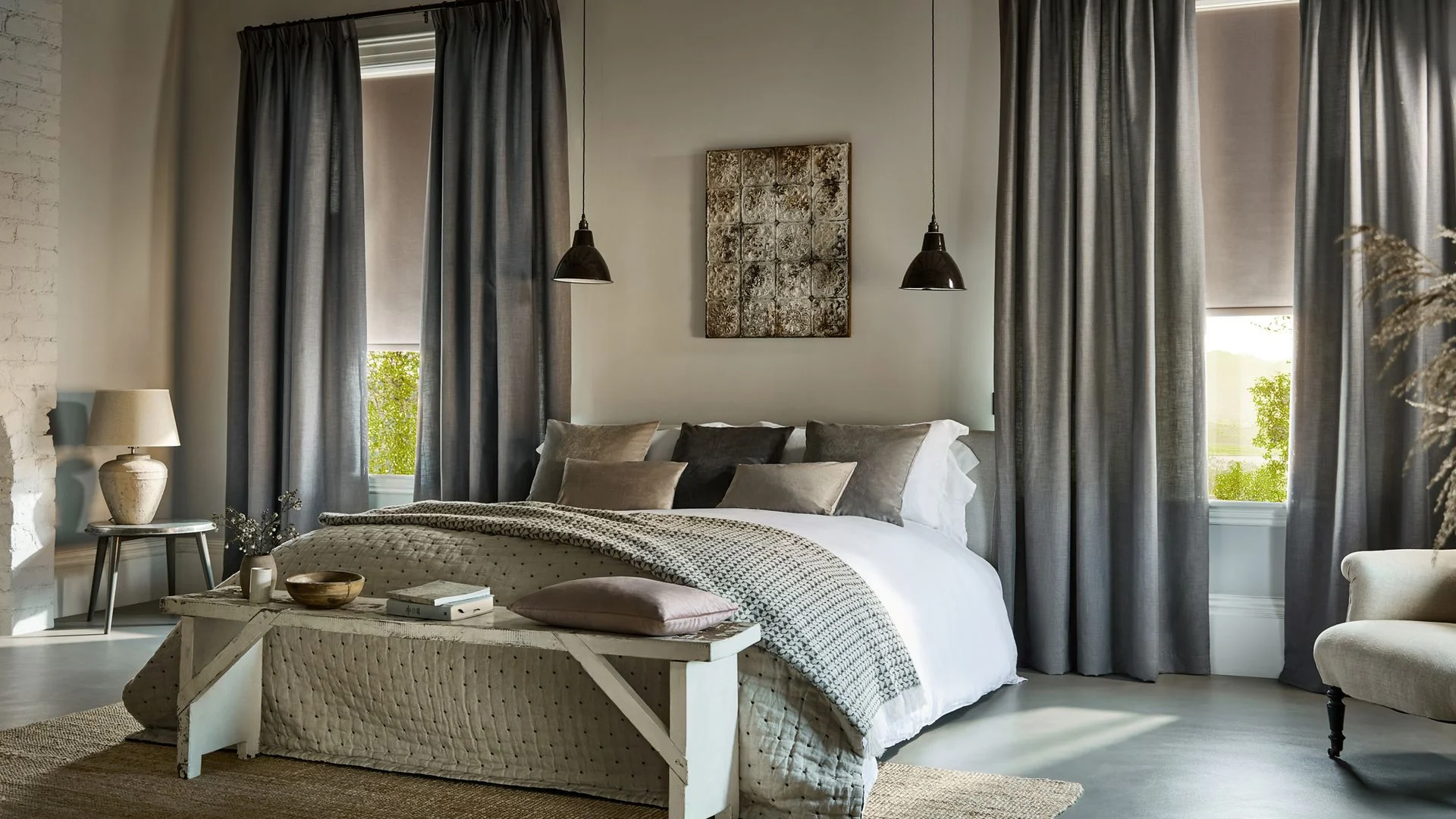
Curtains often remain the first choice for many when considering window treatments. They offer a multitude of benefits, from providing warmth and texture to ensuring privacy and blocking unwanted light. Chloe Dacosta, the design manager at Blinds2Go, emphasizes their enduring popularity: "Curtains allow for creativity through layering fabrics, colors, and patterns, which means they can either be a striking feature or blend into the background depending on the desired effect."
Interior design consultant Matthias Silverton points out that curtains also serve practical purposes. "When it comes to blocking out light and retaining warmth, they’re hard to beat. Thermal-lined curtains are particularly effective against winter drafts, helping to keep spaces cozy while also lowering energy bills."
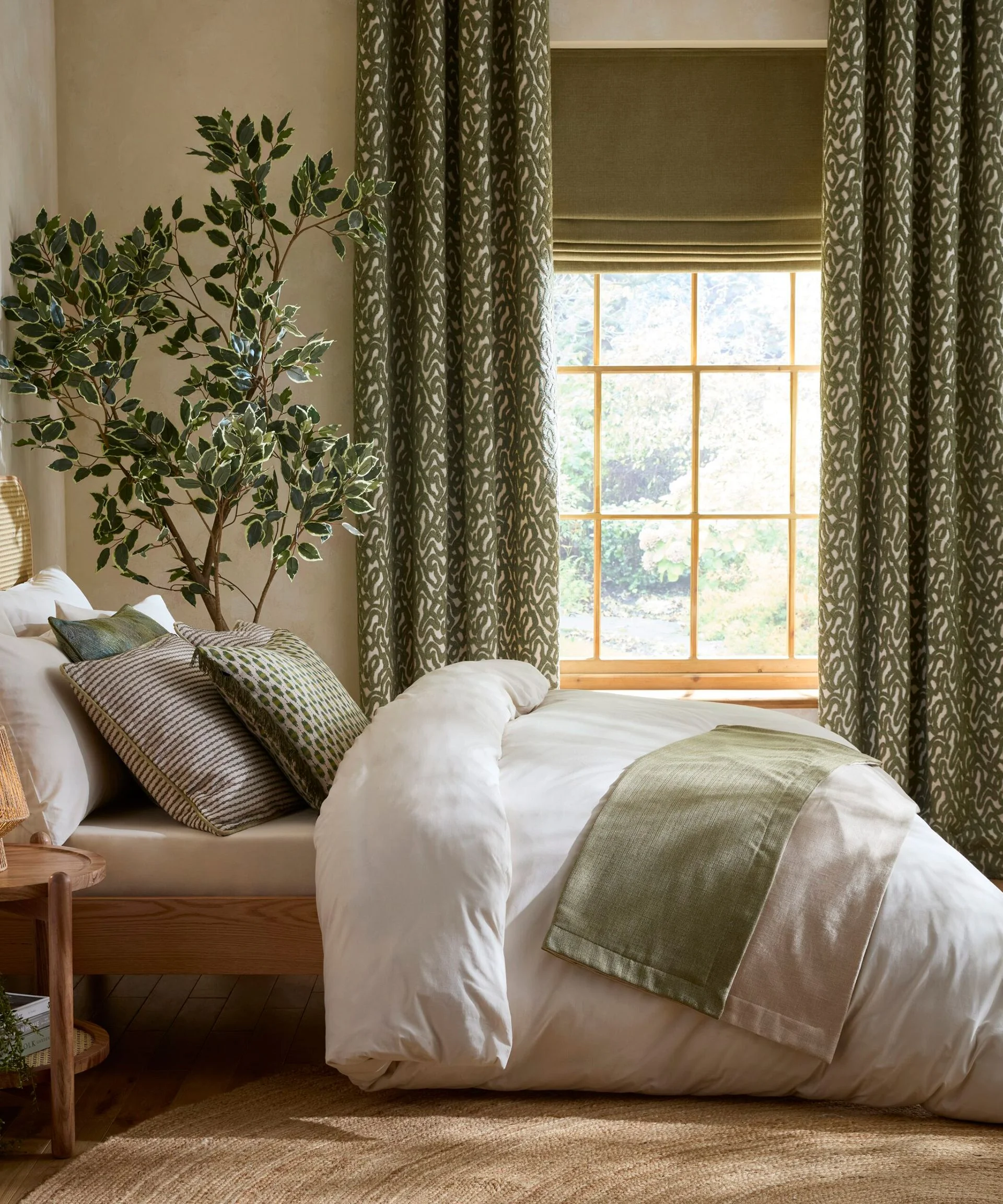
But when and where should you consider curtains? As Debbie Leigh from ILIV notes, they excel in rooms where a sense of comfort and intimacy is needed, like bedrooms and cozy living areas. Their flowing fabric can add a grand appearance to rooms when hung correctly.
Curtains add warmth and intimacy—ideal for bedrooms and living rooms.(Image credit: ILIV)
That said, curtains aren't right for every situation. If you're looking for privacy without sacrificing natural light—especially in urban settings—layering may be necessary. Silverton advises that sheer under-curtains can help prevent prying eyes from seeing into your home, although this may not be a practical solution in high-humidity spaces like bathrooms, where moisture can wreak havoc on fabric.
Blinds: Structure and Flexibility
On the flip side, if you're after a sleeker look, blinds could be the solution you’re after. Dacosta describes blinds as a more structured and versatile option, suitable for many rooms. "They enable you to control light levels without having to open the whole window covering, which is great for bedrooms and home offices alike."
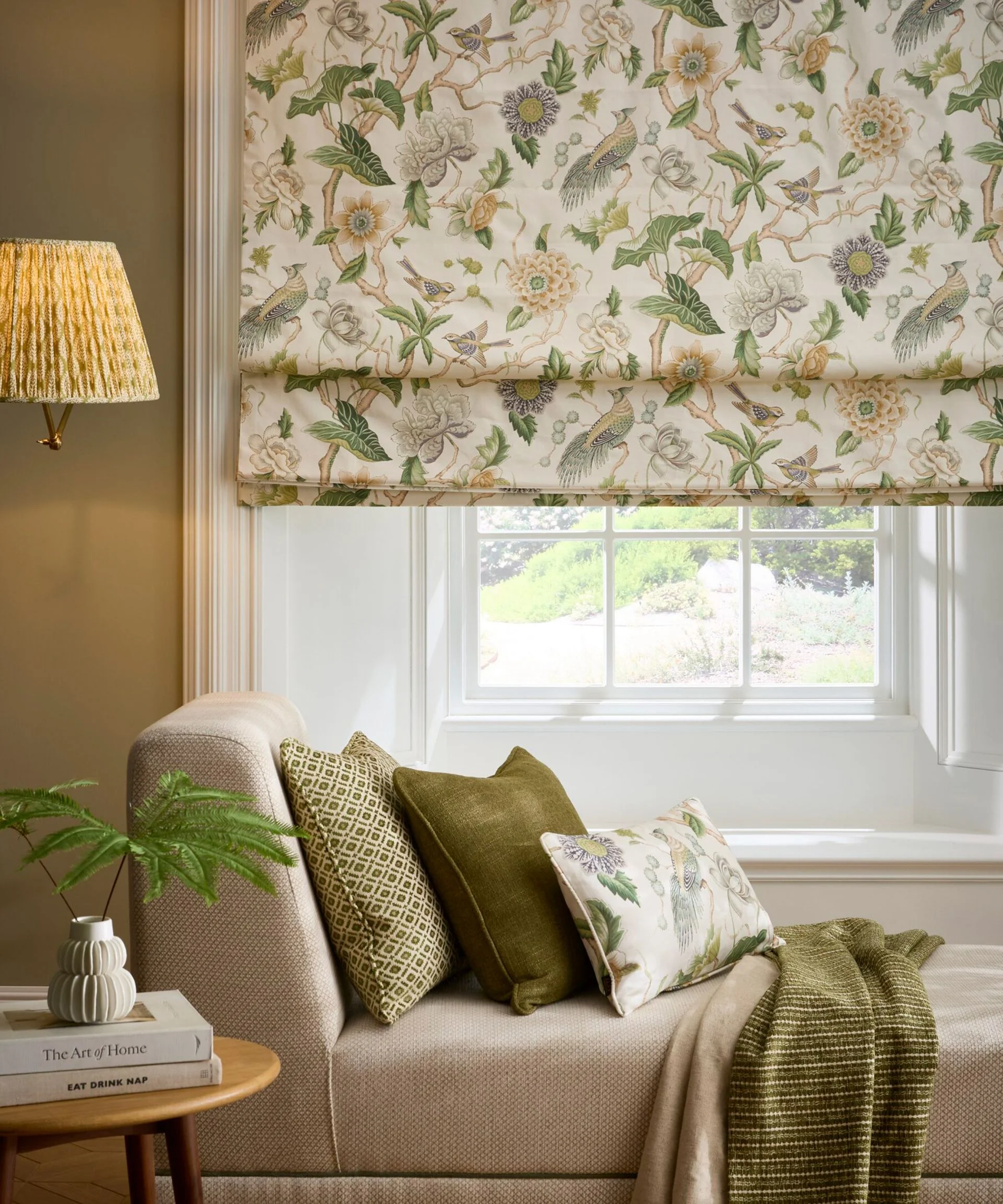
Blinds can lend a sophisticated tone to your space while also simplifying the treatment of light. Silverton adds that they allow for easy adjustment to maintain privacy while still letting in natural light—an appealing choice for street-facing windows.
Blinds provide balance, allowing light control without sacrificing privacy.(Image credit: ILIV)
However, no option is without its drawbacks. If your aim is to create a cozy, dramatic look, full-length curtains may serve you better than blinds. Furthermore, blinds typically don't match the thermal insulation qualities of curtains, which means you might feel a chill if your goal is to minimize drafts.
As you weigh your options, keep in mind that the right choice hinges on your specific needs, the character of your space, and your style preferences. The right window treatment can elevate a room—don’t overlook this vital detail in your design journey.Wrapping up this discussion on window treatments, it's clear that the choices you make can significantly impact both aesthetics and functionality. Shutters, while appealing as a permanent fixture, might not be the best fit for everyone, especially if you're in a rental. If you're bound by strict landlord regulations that restrict alterations, options like no-drill blinds or existing curtain rails offer a practical alternative without compromising on style.
But here's the thing: while shutters can enhance the look of a space, they don't always provide complete darkness for those who need it. Matthias's point about their light-blocking limitations is crucial. Many homeowners assume that shutters will create a blackout effect, but that rarely holds true. If you're seeking total darkness, investing in curtains with blackout lining and a snug fit is usually the way to go.
### The Case for Layering
That brings us to window stacking—a clever concept that melds various treatments for a more dynamic appearance. This technique not only provides an opportunity to mix and match styles, but it also allows you to achieve a versatile environment. Debbie Leigh's advice highlights how combining curtains and blinds can achieve depth and versatility, responding to both practical needs and aesthetic desires.
Consider layering for your living room, especially to balance privacy with thermal efficiency. Choosing the right combination can help block out drafts in the winter while keeping the sun's harsh rays at bay in the warmer months. Should you opt for shutters, remember to implement strategies to manage temperature fluctuations effectively.
Ultimately, your choice of window treatments should reflect your lifestyle, aesthetic preferences, and practical needs. Whether you lean toward the permanence of shutters or the flexibility of layered solutions, understanding the strengths and limitations of each option will guide you toward the right decision.


Discussion
Sign in to join the discussion.