Transform your kitchen scraps and garden waste into nutrient-rich compost this autumn with these straightforward steps and tips.
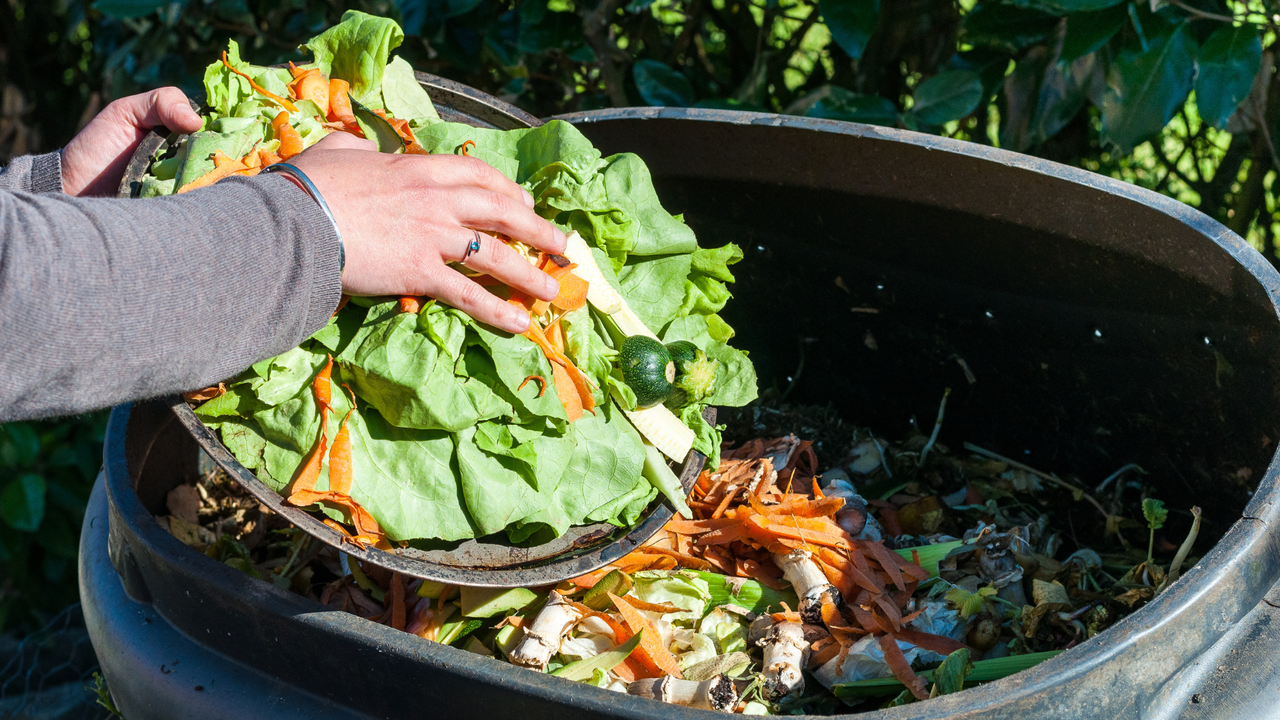
Composting at home is not just an eco-friendly practice; it’s a rewarding way to improve your garden's health. Beyond reducing household waste, composting provides you with a sustainable, peat-free alternative to commercial fertilizers, while saving costs on soil enhancers. Whether you have a sprawling garden or just a few pots on your balcony, you can compost effectively.
Getting Started with Composting
To kick off composting, you first need to know how to layer and care for your compost. A well-structured compost heap accelerates the decomposition process.
- Layering: Start with a foundation of straw, twigs, or paper at the bottom of your compost bin. Alternate layers of green materials (like vegetable scraps and grass clippings) and brown materials (such as dried leaves and cardboard) to create a balanced mix.
- Nutrient Boost: Adding a nitrogen-rich feed or well-aged manure can enhance the nutrient profile of your compost, speeding up the decomposition process.
- Moisture Management: Compost needs just the right moisture. Water it lightly, ensuring it’s damp but not soaking. Rainwater or a gentle hose is ideal.
- Aeration: Turning your compost regularly—about once a month—introduces air into the mix, which is vital for the decomposition process.
- Covering: To prevent excess moisture from heavy rains, keep your compost covered, especially if you’re using a compost bin.
Choosing the Right Compost Bin
The type of compost bin you choose can significantly impact your composting success. Metal or wood bins are durable choices. However, plastic bins, often referred to as ‘Dalek’ bins, are convenient for smaller spaces and offer easier access.
A well-ventilated bin that can be placed directly on soil is ideal, as it allows beneficial organisms to enter. For those without a traditional garden setup, even a kitchen compost bin can serve as a suitable alternative for small-scale composting.
What to Compost?
An effective compost system balances green and brown materials. Ideal greens include vegetable peels, grass clippings, and soft plants, while browns comprise dried leaves, cardboard, and twigs. It’s essential to avoid adding meat, dairy, or processed foods to prevent odors and pests.
“Aim for a mix: about 25-50% greens, and balance that with your browns,” advises compost experts. This approach not only improves aeration but also helps you achieve the desired rich, crumbly texture.
Turning Compost: Necessary or Not?
There's a divide among gardeners regarding the necessity of turning compost. Many argue that it’s crucial for aeration, which helps prevent compaction and unpleasant odors. However, some believe sorting proper layers reduces the need for turning. Depending on your composting style, take either route for best results.
If you prefer turning, utilize a pitchfork for outdoor compost heaps or kitchen utensils for smaller indoor bins. Compost aerators can also facilitate the process for larger setups.
Timeframe for Compost Maturity
Composting times can range from several months to a year. Factors like material types, moisture levels, and ambient temperature influence how quickly your compost matures. You’ll recognize readiness through a crumbly texture and a pleasant earthy aroma.
Maintaining Moisture Levels
Proper moisture is vital for the decomposition process. In dry spells, you might need to add water occasionally, ensuring not to oversaturate the mixture. Fresh grass clippings and kitchen scraps can also help maintain moisture levels while contributing to nutrient density.
Types of Composting Technologies
For those pressed for time, consider using a compost tumbler—these drum-shaped containers allow for easy turning and composting within weeks. Alternatively, worm composting systems can quickly convert kitchen scraps into nutrient-rich compost and liquid fertilizer without significant hassle.
As you embark on your composting journey, remember that patience pays off. Implementing these expert-driven techniques will yield high-quality compost to enrich your garden soil over time.
Interested in more sustainable gardening ideas? Check out our guides on organic gardening and ways to create an eco-friendly garden.
This article is a refined version initially featured on Gardeningetc, connected to Homebuilding & Renovating.


Discussion
Sign in to join the discussion.