Explore six winter-flowering shrubs that bring fragrance and colour to quiet gardens, with growing tips to help you choose the right fit.
Winter-flowering shrubs earn their space when the garden is between seasons: summer’s show is over, and spring bulbs haven’t arrived. The best choices add flowers and fragrance now, then contribute structure or foliage for the rest of the year. That makes them more than a seasonal fix; they can strengthen the overall garden design.
There’s no single shrub that suits every plot. Check the mature size, soil and light before you buy. These six options offer different combinations of scent, colour and growing habit, so the right one depends on the conditions you can provide.
1. Winter honeysuckle (lonicera)
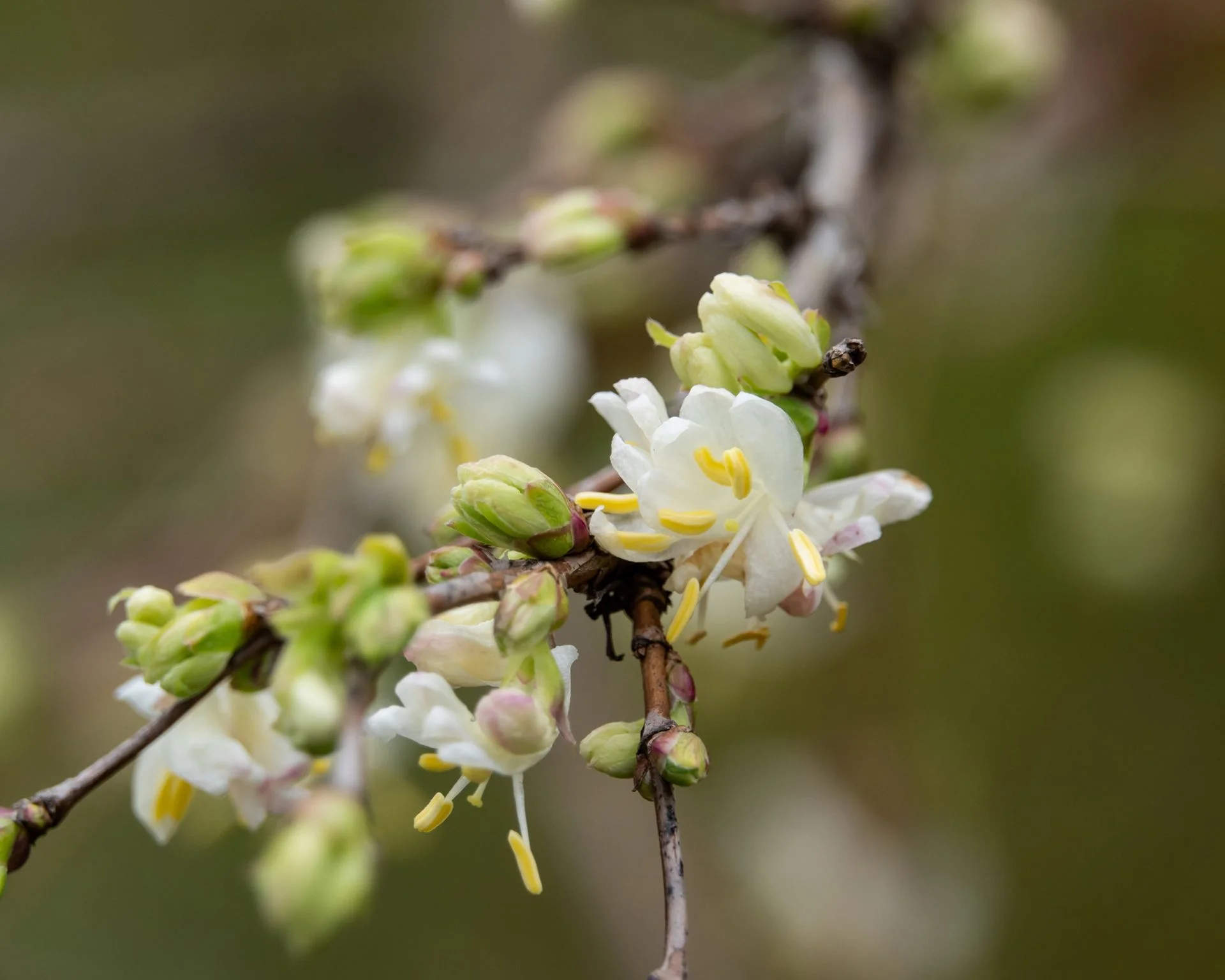
Winter honeysuckle’s main appeal is its perfume. The shrubby, deciduous kinds carry pairs of small cream flowers along bare branches, often when the garden has little else to offer. The trade-off is that they can look unremarkable later in the year. Mature shrubs can still earn their keep as natural supports for small-flowered summer clematis, climbing dicentras or canary creeper.
Most loniceras tolerate ordinary garden soil, provided it doesn’t dry out completely or stay waterlogged. Climbing varieties can reach 2m and need both room and a sturdy support for their twining stems. Their roots can sit in shade, but flowering is usually better when the upper growth gets sun and isn’t covered by overhead shade. Shrubby forms prefer full sun; good soil preparation and regular feeding help them perform.
Lonicera x purpusii ‘Winter Beauty’ (available from Dobies) is a strong option if fragrance is the priority. Its intensely scented cream flowers begin opening in early December and can continue through April. It also flowers well while young, which gives it an advantage over varieties that need time to mature. For a compact plot, consider training it against a wall as one of the best climbing plants for walls; a cool north- or east-facing wall can suit it.
Prune deciduous fragrant shrubs such as ‘Winter Beauty’ just after flowering. Cut the finished shoots back to within 5–10cm of the older wood.
2. Viburnum
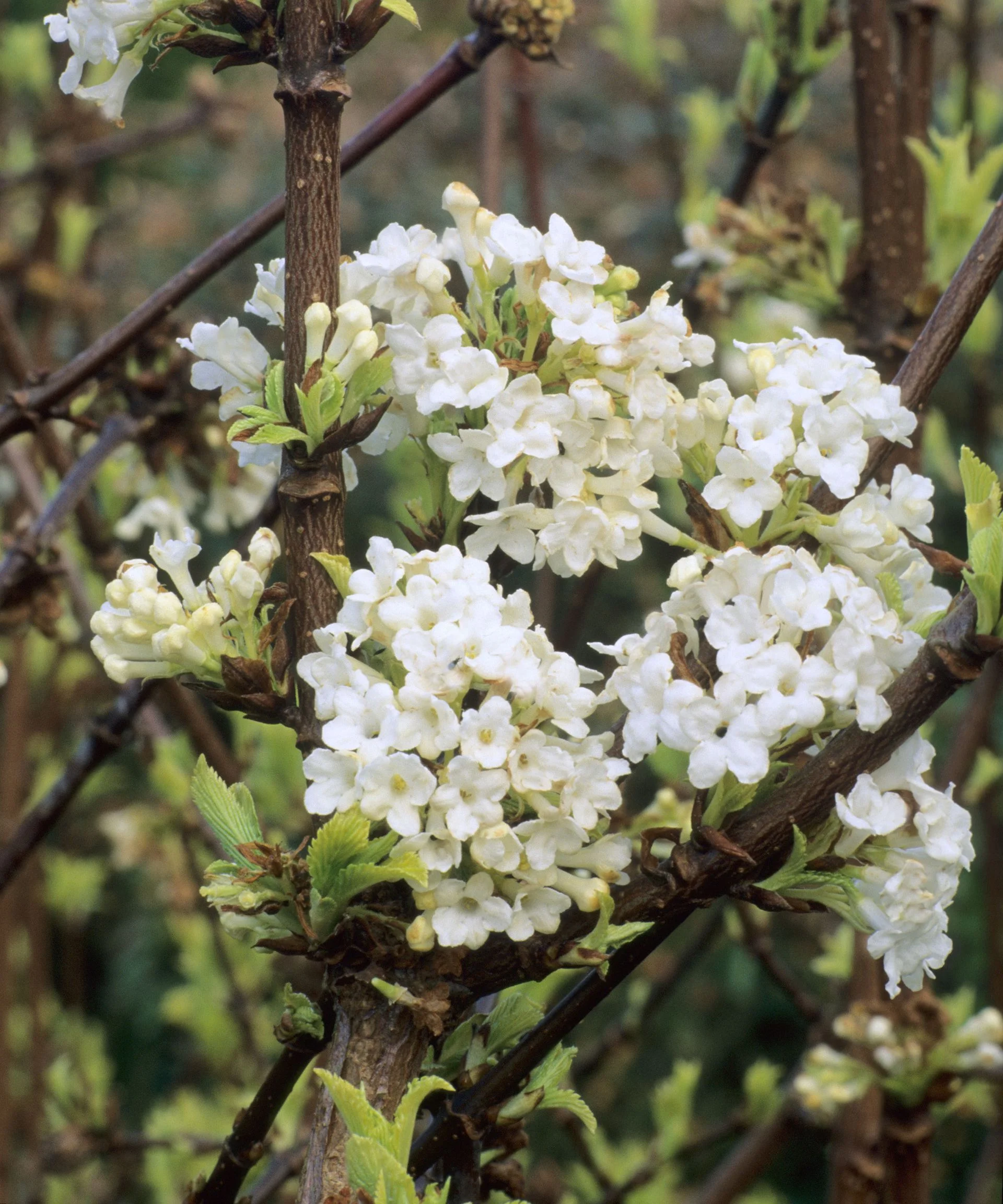
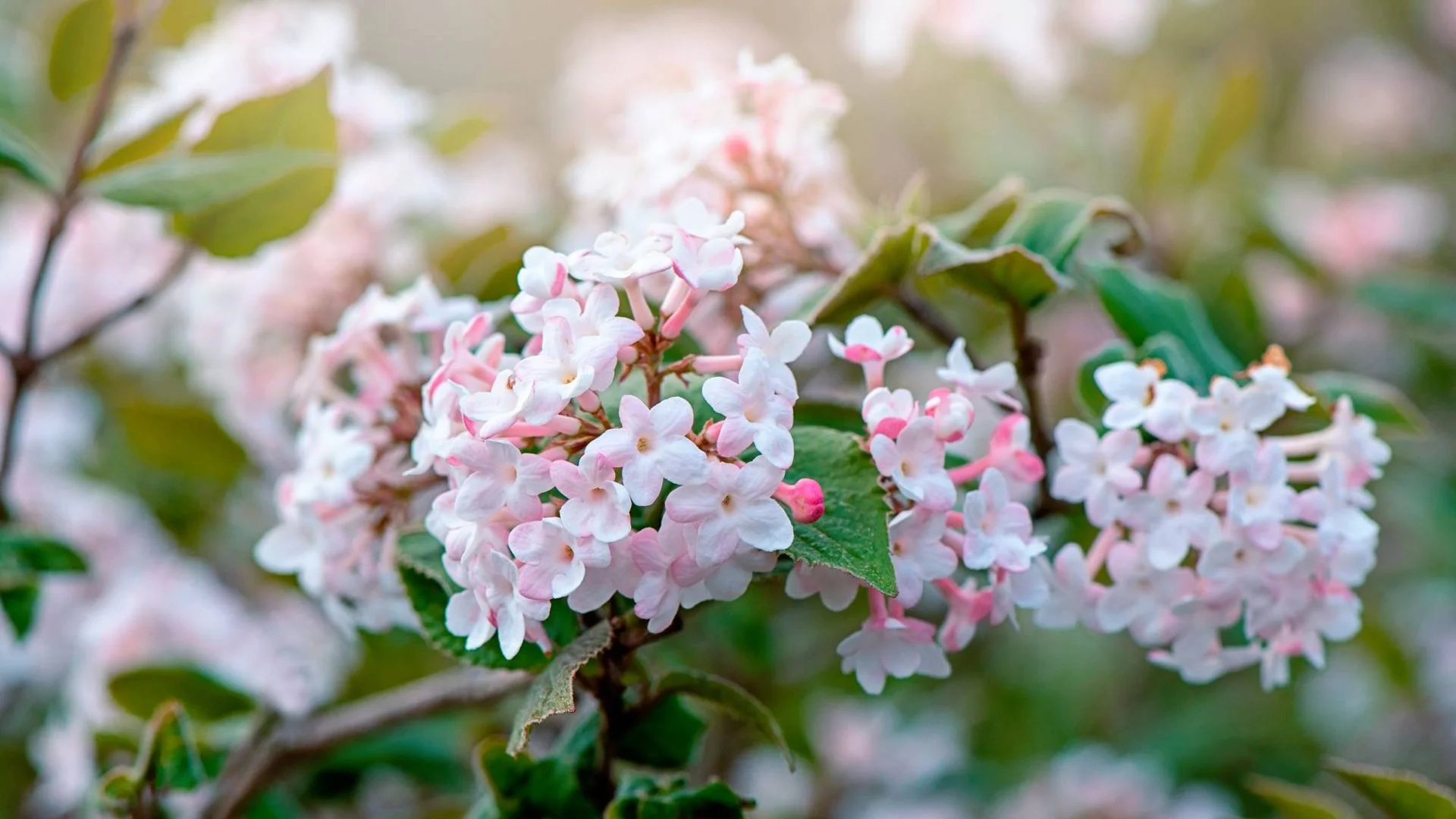
Viburnum offers a longer seasonal sequence than its winter flowers suggest. Fragrant clusters emerge on bare woody stems; pink blooms fade towards white, then give way to small, rounded purple berries in summer. In autumn, the green leaves turn orange and yellow. It’s a substantial shrub, though: allow for a mature spread and height of about 3m.
Viburnums prefer deep, fertile soil that holds moisture while draining freely. They’ll grow in either alkaline or acidic ground, and clay soil is acceptable. Place fragrant varieties somewhere sunny and sheltered, where the scent can collect rather than blow away. Beside a door or along a cottage garden pathway is a practical choice.
Viburnum farreri ‘Candidissimum’ has white flowers rather than the pale pink more often associated with the group. Its spring foliage is a fresh pale green, and the scented flowers can last for up to eight weeks in winter; its fruit is pale yellow. V. x bodnantense ‘Deben’ takes another route: pink buds open into white flowers with a faint pink tint.
3. Hamamelis
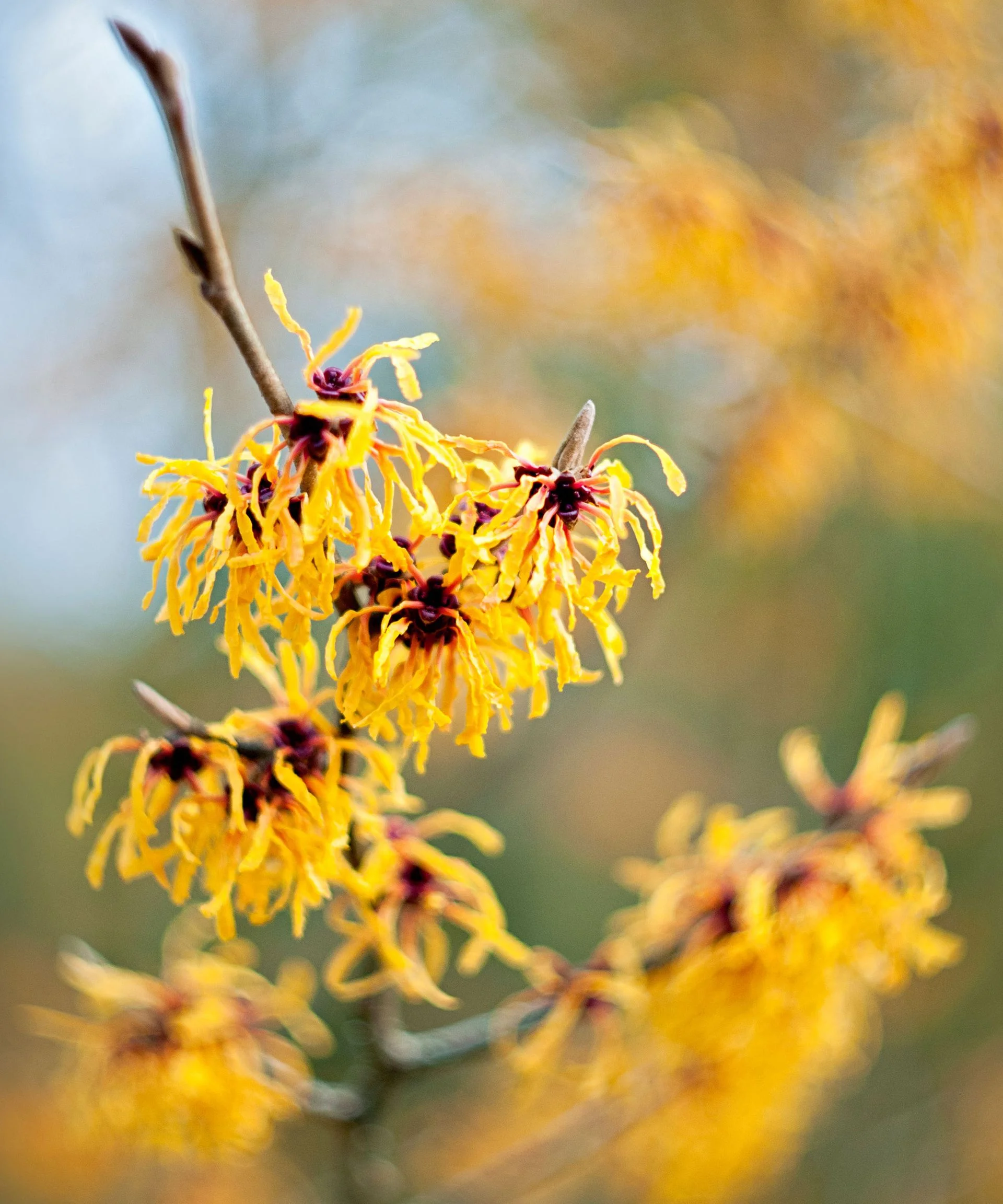
Witch hazel brings an unusual shape to the winter garden: its red, orange or yellow flowers look like fine, spidery ribbons. Because hamamelis is deciduous, the blooms appear against bare stems and are easy to see in midwinter. Their delicate scent tends to be most noticeable on sunny days.
Hamamelis x intermedia ‘Pallida’ (available from Crocus) has bright yellow, strongly scented flowers. Hamamelis x intermedia ‘Diane’ (available from Thompson & Morgan) produces scented red blooms. Their dark colour can disappear against a dark background, so plant ‘Diane’ in front of an evergreen shrub to make the flowers stand out.
Many hamamelis varieties reach 4m, which rules them out for some smaller gardens. Hamamelis vernalis ‘Quasimodo’ is a more compact choice and one of the best trees for small gardens. Slow-growing and dense, it reaches about 1m and carries saffron-yellow flowers from January to March. Give it fertile, very well-drained soil and sun or dappled shade.
Shop for winter flowering shrubs
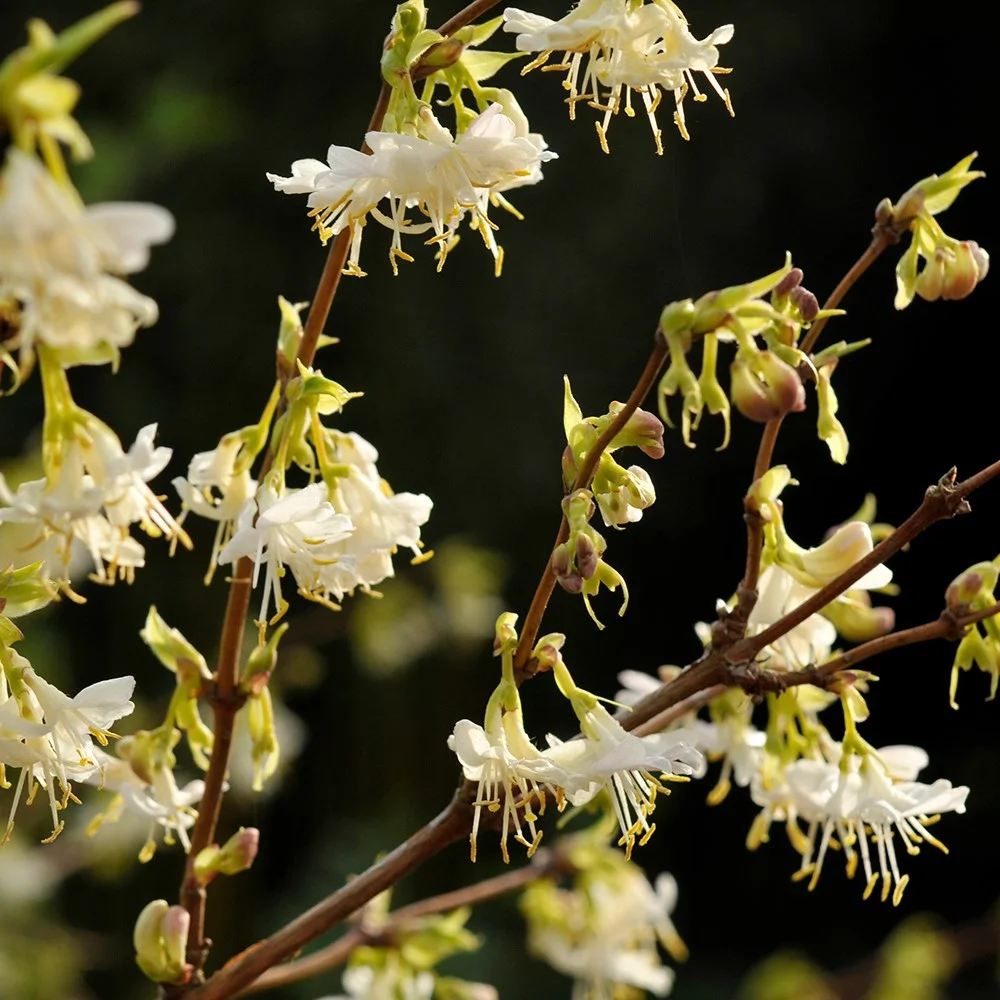 2 litre pot
Winter honeysuckle will boast pretty white, scented flowers which are sometimes followed by red berries.
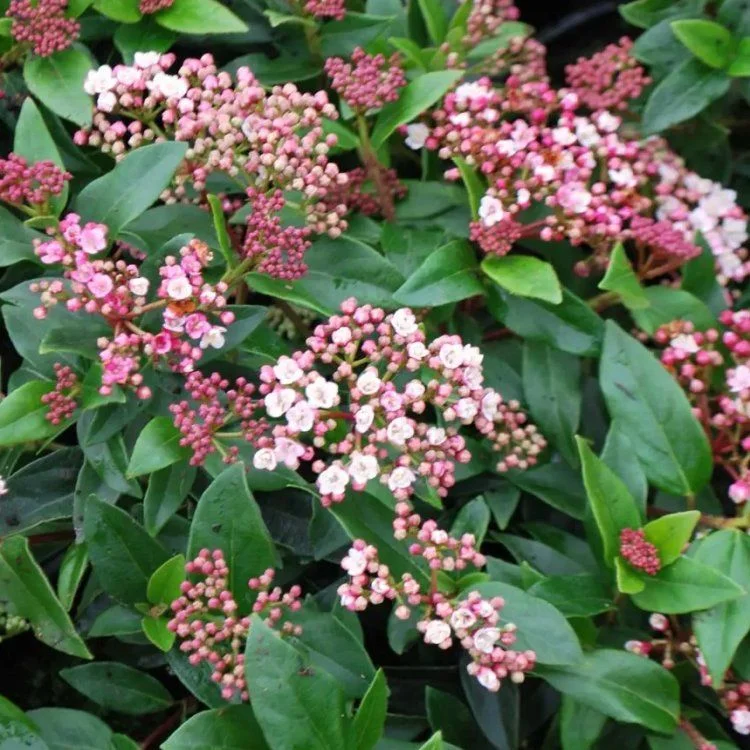 Extra-large blooms
This shrub is perfect as a stand-alone plant, in mixed border plantings or as hedging in your garden.
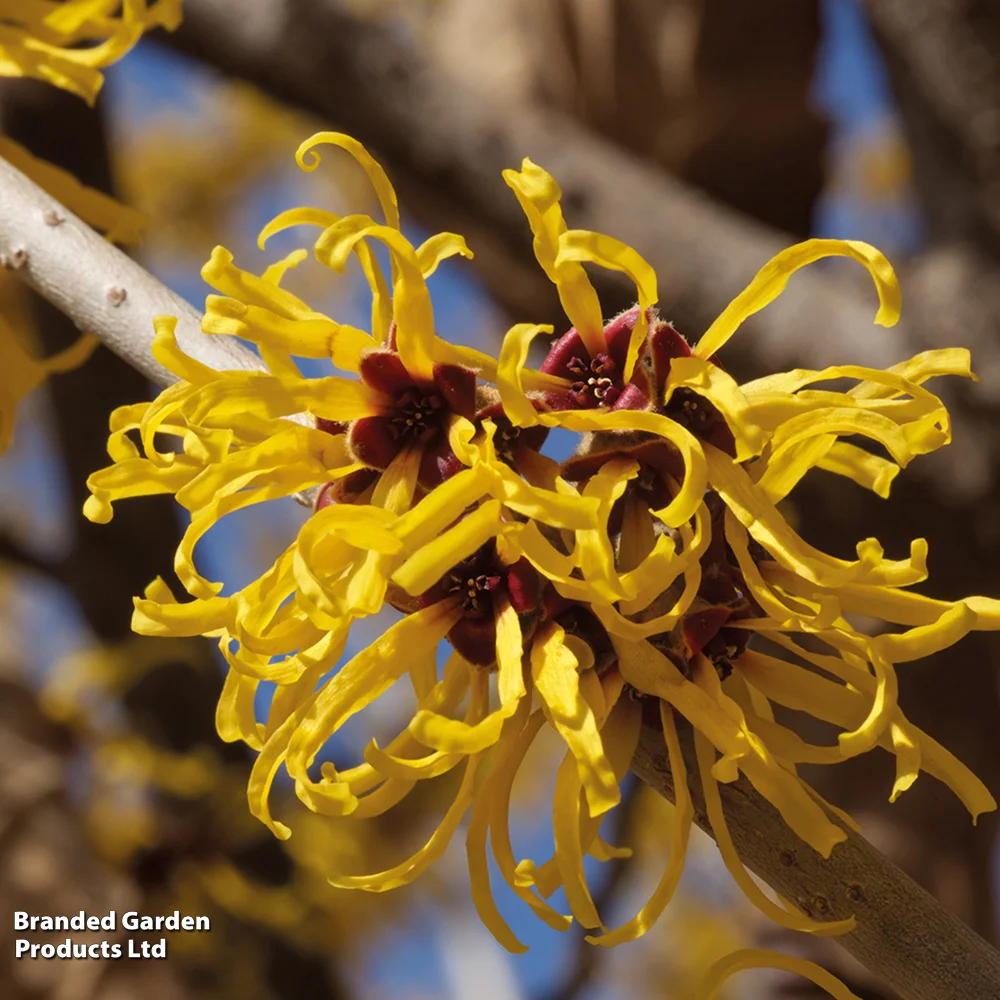 Witch Hazel
Bringing bold yellow colours to your winter garden, witch hazel also provides great foliage during spring and summer.
4. Acacia (wattle)
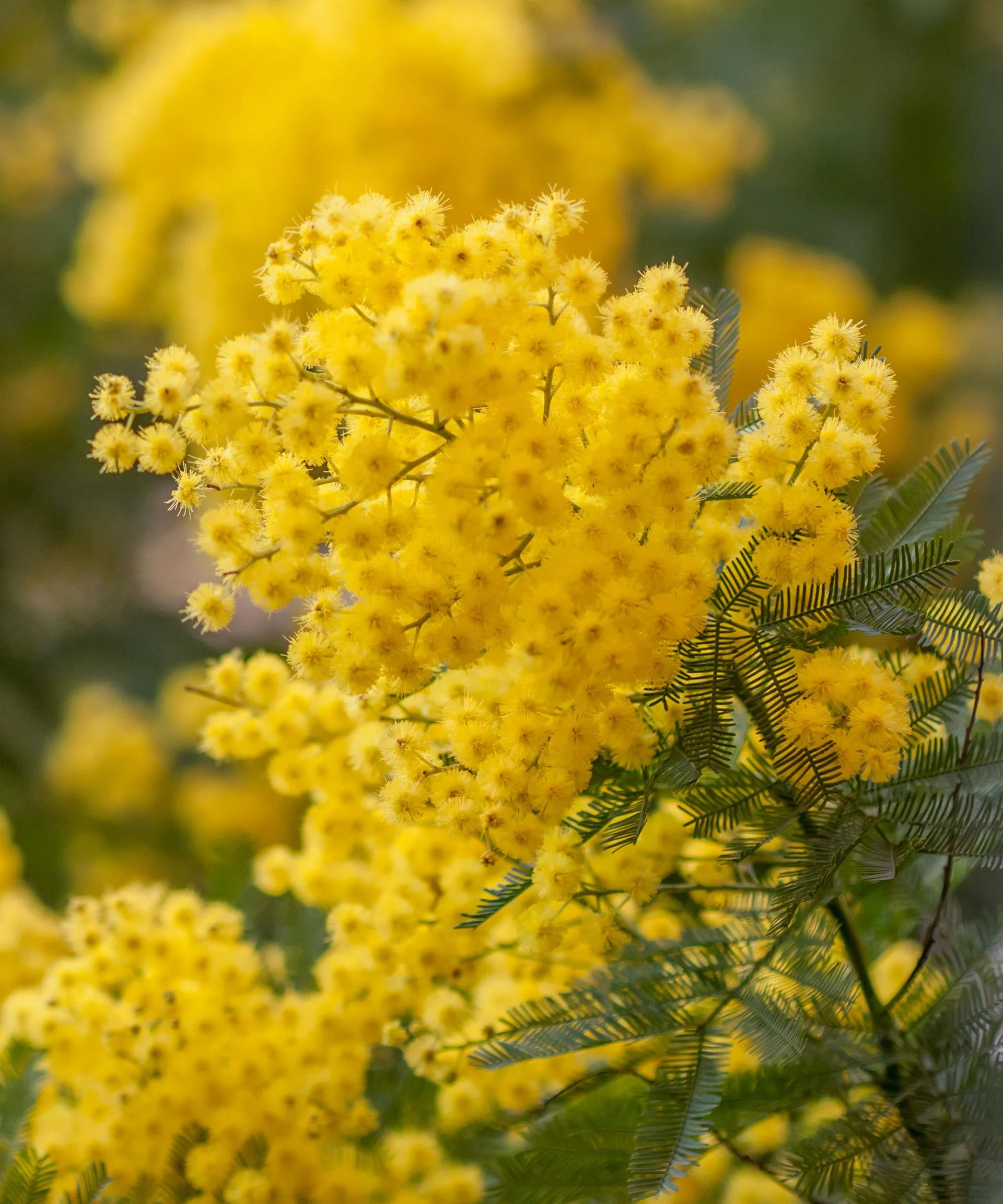
Acacia dealbata, better known as florist’s mimosa or silver wattle, covers itself in fuzzy, fragrant yellow flower clusters in February or March. Its evergreen foliage is finely divided, and the flowers often arrive around Valentine’s Day. They also offer nectar to bees emerging from hibernation.
Hardiness is the catch. Silver wattle can take temperatures down to about −7°C, but it won’t survive reliably across every part of the UK. Light soil gives it more frost protection than heavy ground.
Gardening expert Anne Swithinbank points to its rapid growth: “The secret weapon of this Australian native is speed of growth. Capable of putting on several feet a year, a plant will grow rapidly into a small tree of around 9m, although in the wild it will easily double that.”
In colder areas, keep silver wattle in a pot so you can move it under cover for winter. After flowering, pot it into a slightly larger container each year. Once it reaches the largest pot you can manage, refresh the surface or prune the roots to renew the compost and encourage new root growth.
For container growing, Swithinbank recommends “a 50:50 mix of John Innes No2 and a soilless multipurpose potting compost.” Water thoroughly. Once established, feed every two weeks with a balanced liquid feed until the end of July, then let the plant harden before winter. Don’t allow it to dry out in autumn, when flower buds are forming. If pruning is needed, do it after flowering.
Compost and feed for your shrubs
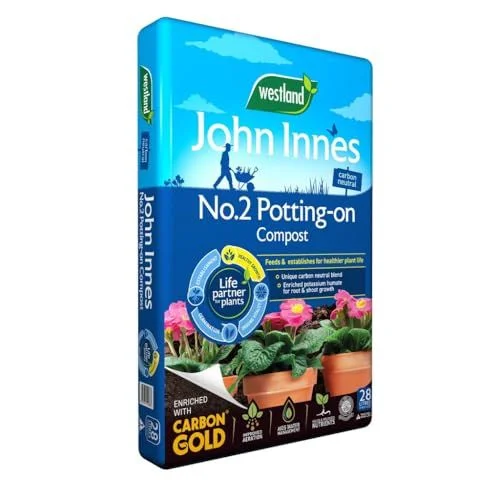
A peat-free compost recommended by gardening experts for your winter-flowering shrubs.
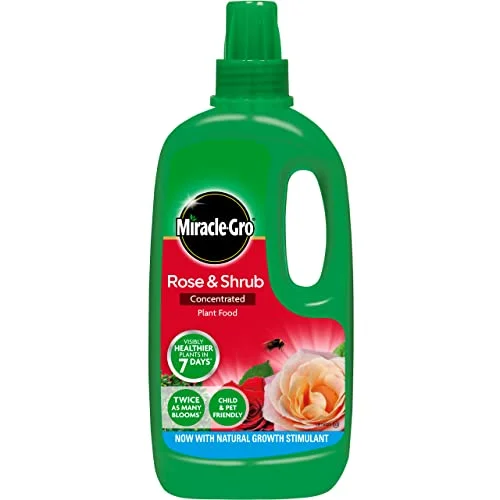
Keep your shrubs well fed to ensure maximum growth and blooms during winter.
5. Oregan Grape (Mahonia)
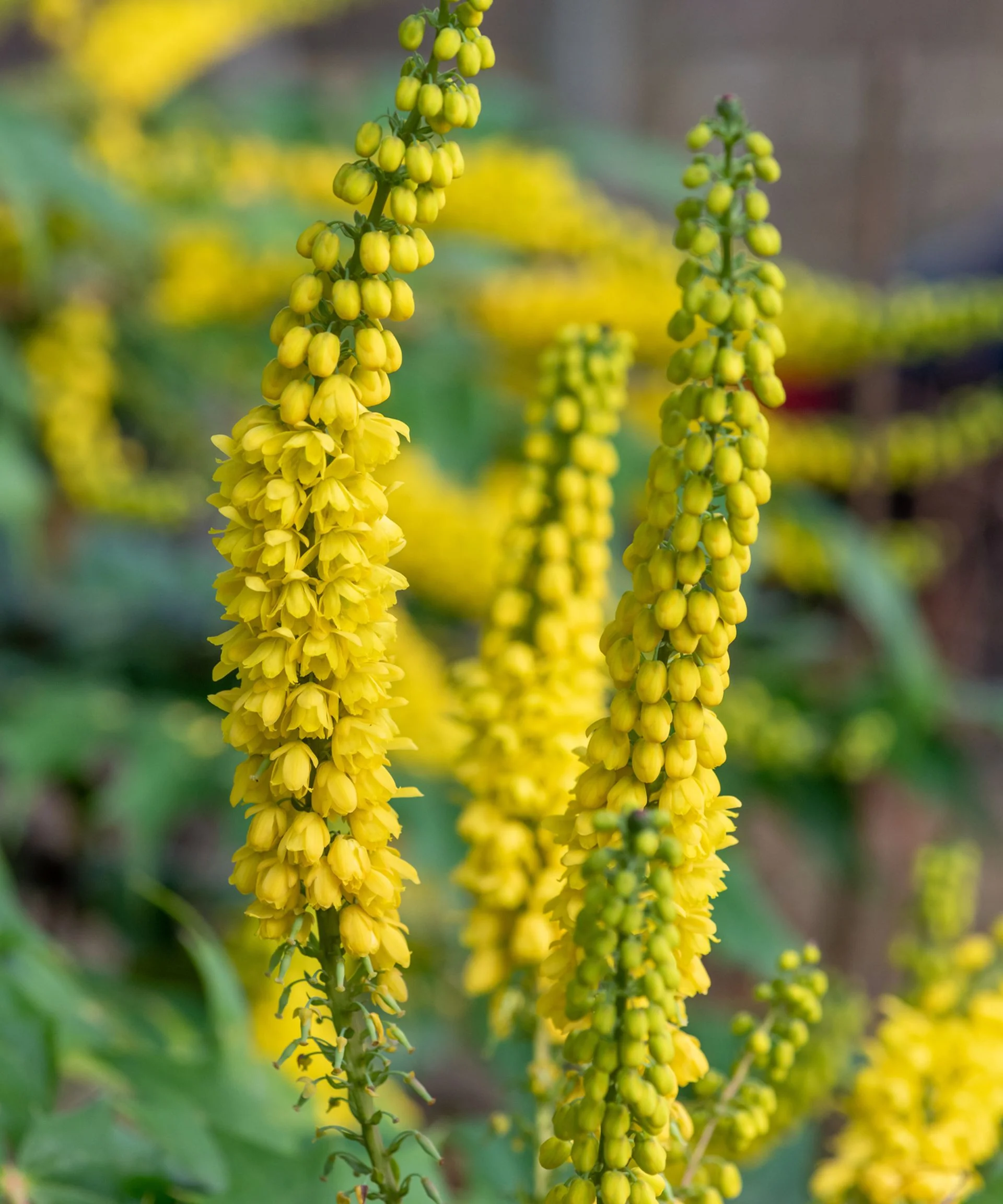
Mahonia earns attention in winter twice over: its yellow flowers bring colour, and their strong fragrance can catch you as you pass. Glossy evergreen leaves give the shrub structure through the colder months, sometimes taking on reddish tones in autumn and winter. Berries provide food for wildlife, which makes mahonia worth considering for eco-friendly gardens.
Shade is no problem for this frost-hardy shrub, though mahonia can grow in sun too. The ground should stay moist, and a windy position can bruise the leaves. Its spiny foliage may scratch, so keep it away from paths and take care when weeding around it. An occasional mulch is generally enough. Rust and powdery mildew can occur, but are uncommon.
Mahonia grows slowly, but it will spread with time. In a small garden, prune when necessary. For Mahonia ‘Winter Sun’ (available from Crocus), wait until spring after flowering, then shorten overlong or leggy stems to a side shoot.
6. Daphne
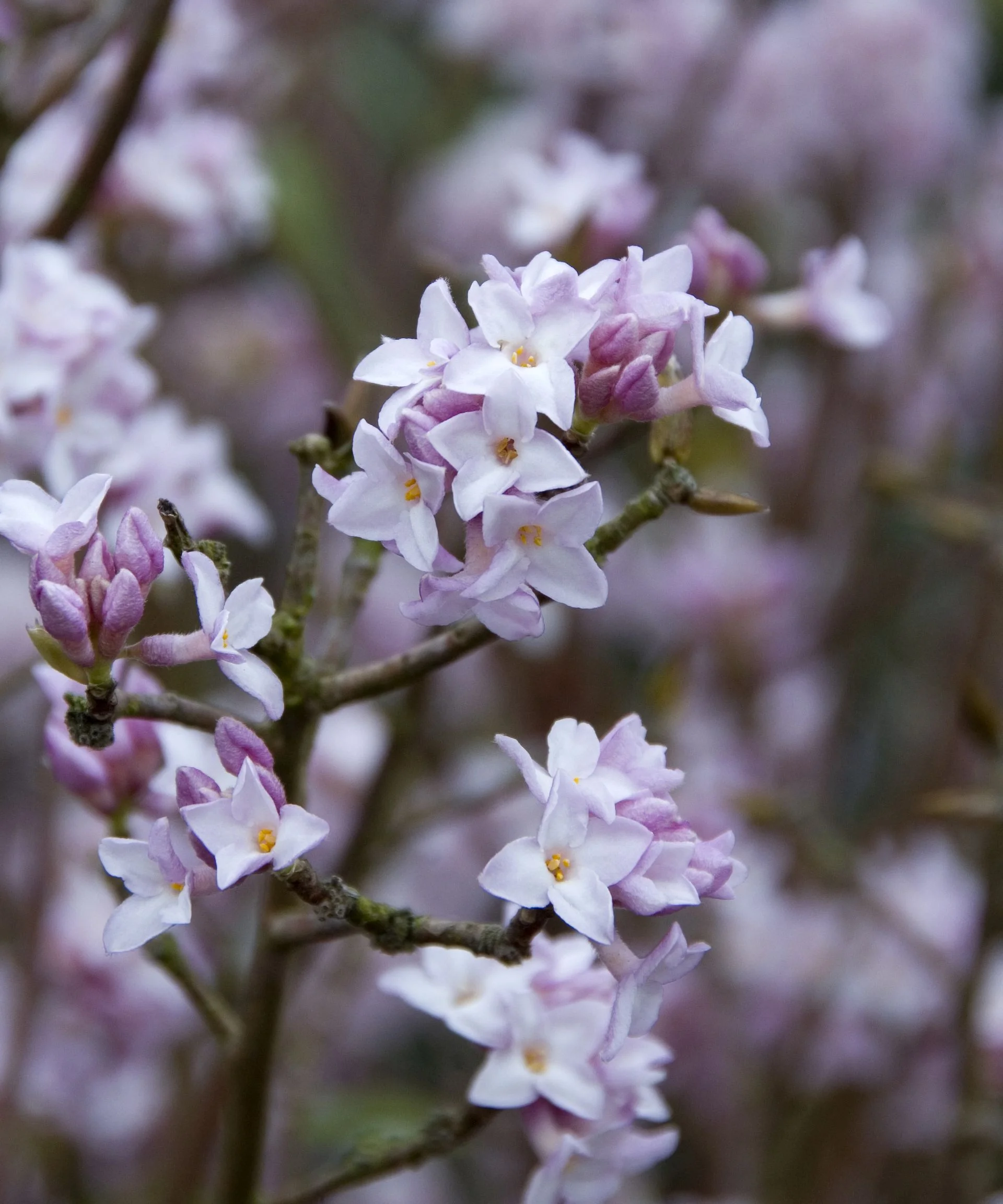
Daphne: fragrant flowers, with a few planting caveats
Daphne earns its place in a winter garden through scent and versatility. Most varieties stay compact and tidy: some reach around 2m, while many remain under 1m and suit containers. Gardening expert Graham Rice also points to smaller, sun-loving types as evergreen accents in raised beds, among alpine plants and dwarf bulbs. The fast-growing, hardy Daphne bholua 'Jacqueline Postill', available from Gardening Express, is one option. Plant daphne in spring or autumn, checking the needs of your chosen variety. Most want soil that drains well but doesn’t dry out; waterlogged roots are a reliable way to make them unhappy. Sun suits many, though some tolerate dappled shade. For a raised garden bed or planter, choose a deep pot and soil-based compost such as John Innes No. 3. Pruning is usually unnecessary, and some daphnes can die back after a cut.Sweet box: winter scent for shade
Sarcococca, often called sweet box, is a compact evergreen with small, vanilla-scented flowers that can perfume a garden in midwinter. It handles light shade, and most species are hardy; S. saligna is the exception and needs shelter in cold gardens. It’s an undemanding plant about soil, growing in loam, clay, chalk or sand across acidic, neutral and alkaline conditions. Routine pruning isn’t needed. In late spring, remove only frosted or dying shoots, cutting back to healthy buds, then mulch around the base with well-rotted compost. You can also try making your own compost. The ‘Purple Stem’ form has purple-tinted stems and leaf stalks alongside reddish-white flowers, and it’s content in shade. It’s available from Thompson & Morgan.Camellia: spectacular blooms, particular soil needs
Camellias bring glossy evergreen foliage and showy flowers to a season when few shrubs are in bloom. The display is striking, but the growing conditions matter: camellias need acidic soil, ideally with a pH of 5.5 to 6. In borderline soil, mix leaf mould into the planting hole and mulch with composted bark or pine needles. Pots are another good route; use soil-based ericaceous compost and water with rainwater collected in a water butt. These slow-growing shrubs need little repotting and don’t require pruning to encourage flowers. They prefer shade, though early morning sun can damage blooms, so avoid east-facing positions. In the ground, they need acidic soil; in containers, they can suit more settings. Their upright form works against a wall, as a hedging plant, as a standalone shrub, or among other shade-loving woodland plants. There are thousands of varieties. For earlier flowers, look to the Sasanqua group: camellia sasanqua 'Pink', from Thompson & Morgan, can begin blooming in October.Winter jasmine: a bright sign that spring is coming
Winter jasmine trades the familiar summer jasmine’s perfume for a longer cold-season display. Jasminum nudiflorum, available from Crocus, flowers from November through March. Its yellow blooms aren’t strongly scented, but the plant can reach about 3m high and wide, making it well suited to training over a porch or letting it spread across a wall. It grows in sun or partial shade. In China, it’s known as Yingchun, or “the flower that welcomes spring”—a fitting name for a shrub that peaks toward winter’s end.Choosing a spot for winter-flowering shrubs
Start with the mature height and spread, not the size of the plant in its pot. A shrub that seems modest at planting can soon overwhelm a small space. Containers can keep growth contained, while a wall can make room for plants that might otherwise spread too far. White forsythia, for example, can grow against a sunny house wall, where its bare branches carry almond-scented flowers in February and March. You can also use a winter shrub as a support for a summer-flowering climber. Lonicera x purpusii ‘Winter Beauty’ flowers from December to March and has little to offer the rest of the year; clematis ‘Comtesse de Bouchaud’ could grow through it in summer. For another source of cold-season colour, trees with winter berries can suit small gardens and provide food for birds and other wildlife. The practical takeaway is to match each shrub to its site before planting. Winter flowers can brighten a quiet garden, but the best choices also fit the available space, soil and light.The original version of this article previously appeared on Gardeningetc, a sister website to Homebuilding & Renovating.



Discussion
Sign in to join the discussion.