Finger plates add period detail while protecting doors from marks and wear. Here’s how to choose, fit and care for them.
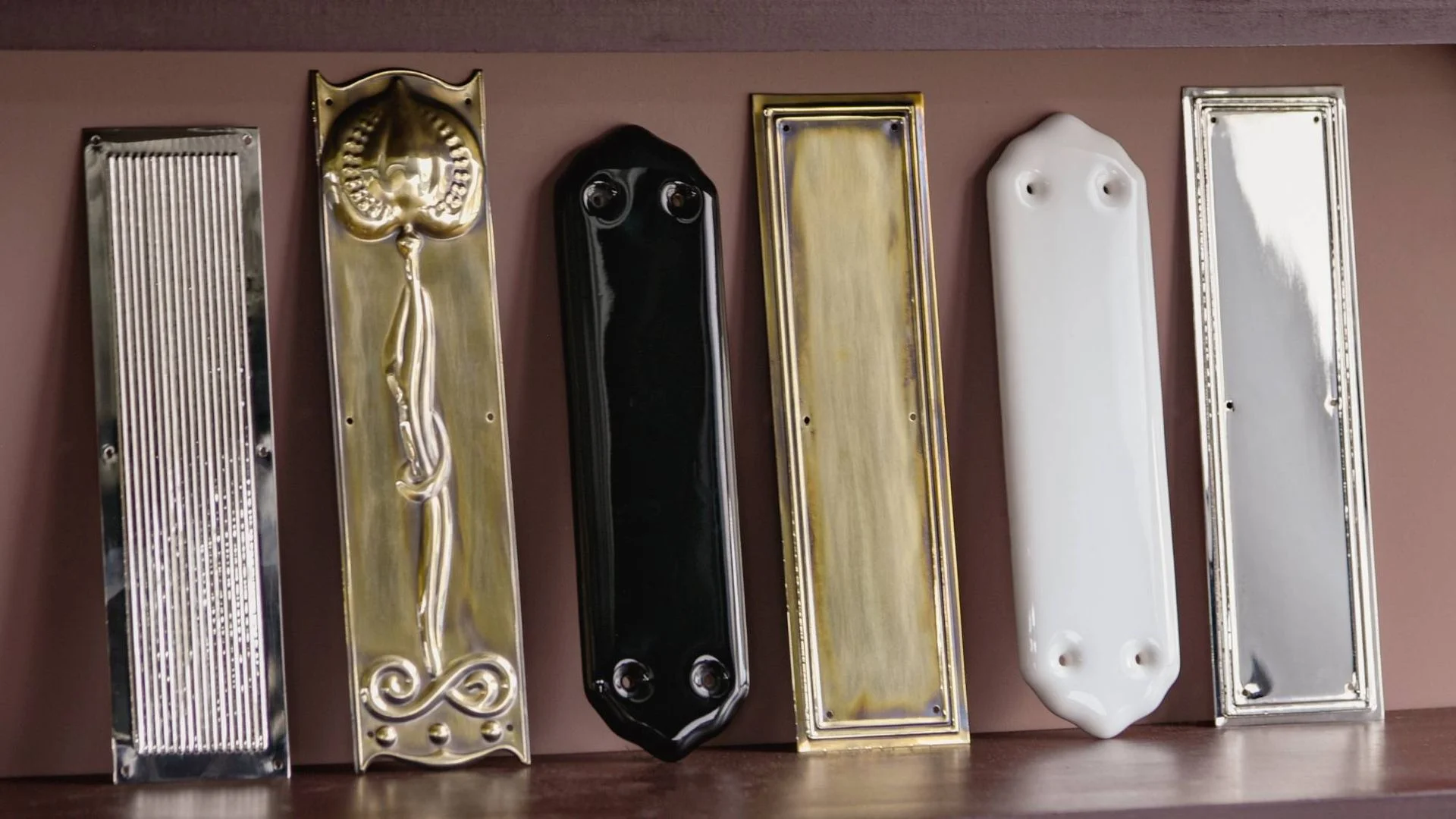
Finger plates are a small detail with two jobs: they give an interior door more character and protect the paint or wood where hands repeatedly push it open. Their return fits the current appetite for layered, expressive interiors, but the practical case makes them useful well beyond period homes.
Also called push plates, finger plates sit on the door near its handle, covering the area most likely to be touched. Traditional versions were often made from brass or ceramic, sometimes with floral or other ornate decoration. That combination of function and ornament is part of their appeal in a Victorian renovation, where bare doors can feel unfinished. The same protective role applies to modern doors, too. Repeated contact with skin oils, sweat and friction can leave marks and wear the surface over time. For a guide to choosing door hardware, see this overview of hardware.
Why the detail is returning
Sarah Willshaw, managing director of Willow & Stone, connects renewed interest in finger plates to the maximalist interiors trend. “People want to put lots of design back into their homes, and finger plates provide a way to express your taste and add detail,” she says.
That decorative role has a long history. Willshaw points to the late 19th-century aesthetic movement and its phrase “art for art’s sake”: even a functional object could carry an elaborate design. Thin pressed brass made detailed plates relatively inexpensive to produce, she says. Common motifs include leaves, flowers and organic forms such as tulips.
Brass also has a practical attribute. Its copper content can help limit the spread of germs, according to Willshaw, adding a useful dimension for households with young children or people planning a home for a young family or a lifetime home. That doesn’t replace regular cleaning, but it helps explain why brass was a familiar choice for an object handled so often.
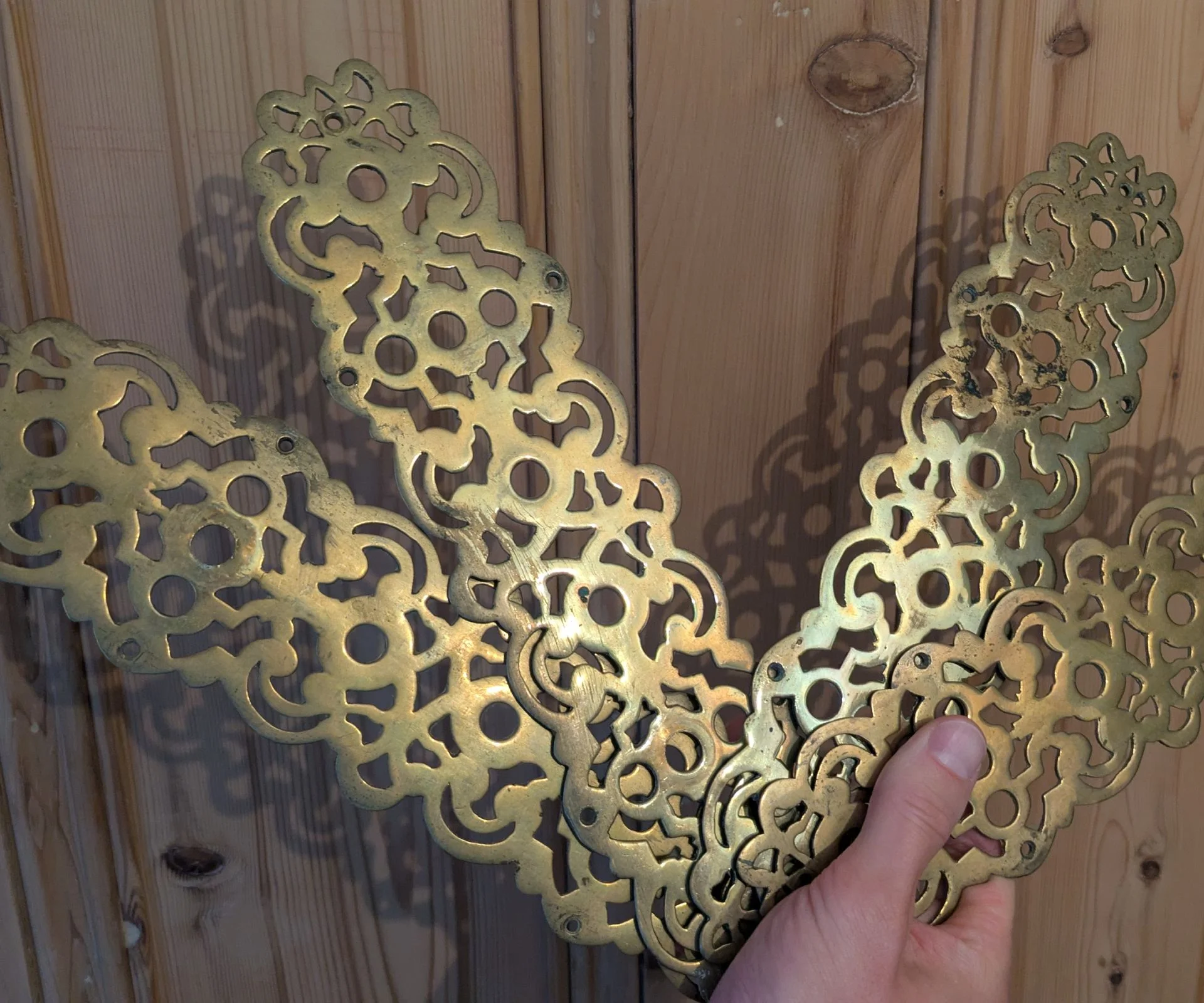
Match the plate to the door and room
The right choice depends on the door’s proportions and the surrounding finishes, says Beth Dale, hardware buying manager at B&Q. Start by checking the plate’s size against the door and handle. A plate that overwhelms the door can look awkward; one that’s too small may miss the area that needs protection.
Fixing method matters as well. Screw-mounted plates provide a more traditional, permanent fitting, while adhesive-backed models can suit situations where drilling isn’t wanted. Dale recommends considering the other metalwork in the room: matching the plate to the handle, hinges and related details creates a coordinated finish, while mixed finishes can support a more eclectic scheme.
For a period room, a patterned brass or ceramic plate can reinforce the architecture. Contemporary interiors can use plain rectangles or designs with restrained bevelled edges. The aim is to make the hardware feel considered, whether it blends in or acts as a small focal point.
A kick plate protects a different part of the door. Fitted low down, it guards against scuffs and knocks from shoes, bags, pets and everyday traffic. Dale suggests them for doors to utility rooms, kitchens, garages and boot rooms, as well as doors that people often push open with a foot while carrying shopping or laundry. Ideas for utility rooms can help identify where that extra protection might be useful.
Finding original and reproduction designs
Original finger plates can be fragile, so they may take time to find. Antique shops and online marketplaces such as eBay are possible sources for vintage brass examples. Reproductions are easier to source and can offer the look of an older pattern with a more predictable fit.
Willow & Stone’s Art Nouveau design, for instance, draws on an original pattern and is made at a foundry in the West Midlands. For more contemporary doors, modern-home schemes can pair well with simpler plates. A wide range of finishes and shapes is available from retailers such as B&Q.
Simple finger plates
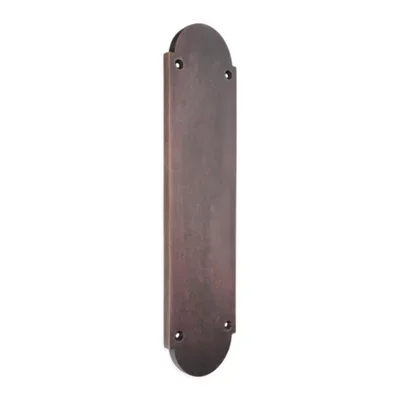 Aged Bronze
An aged bronze-effect fingerplate with a screw fixing installation required
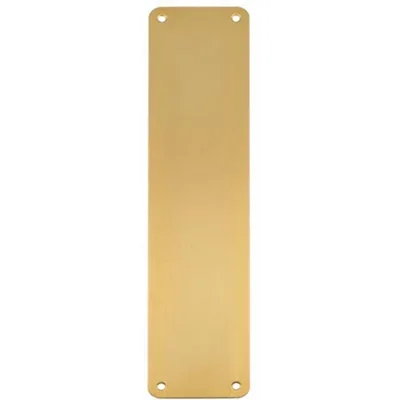 Modern Brass
This simple brass fingerplate could suit a more modern door
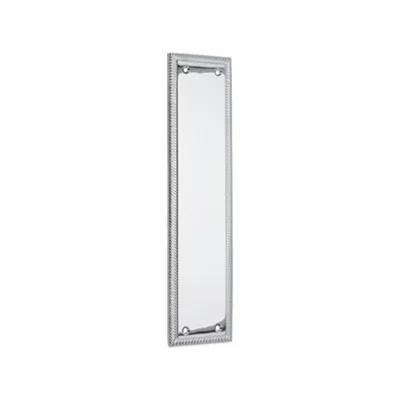 Chrome
A polished chrome fingerplate with a detailed edging
Traditional finger plates
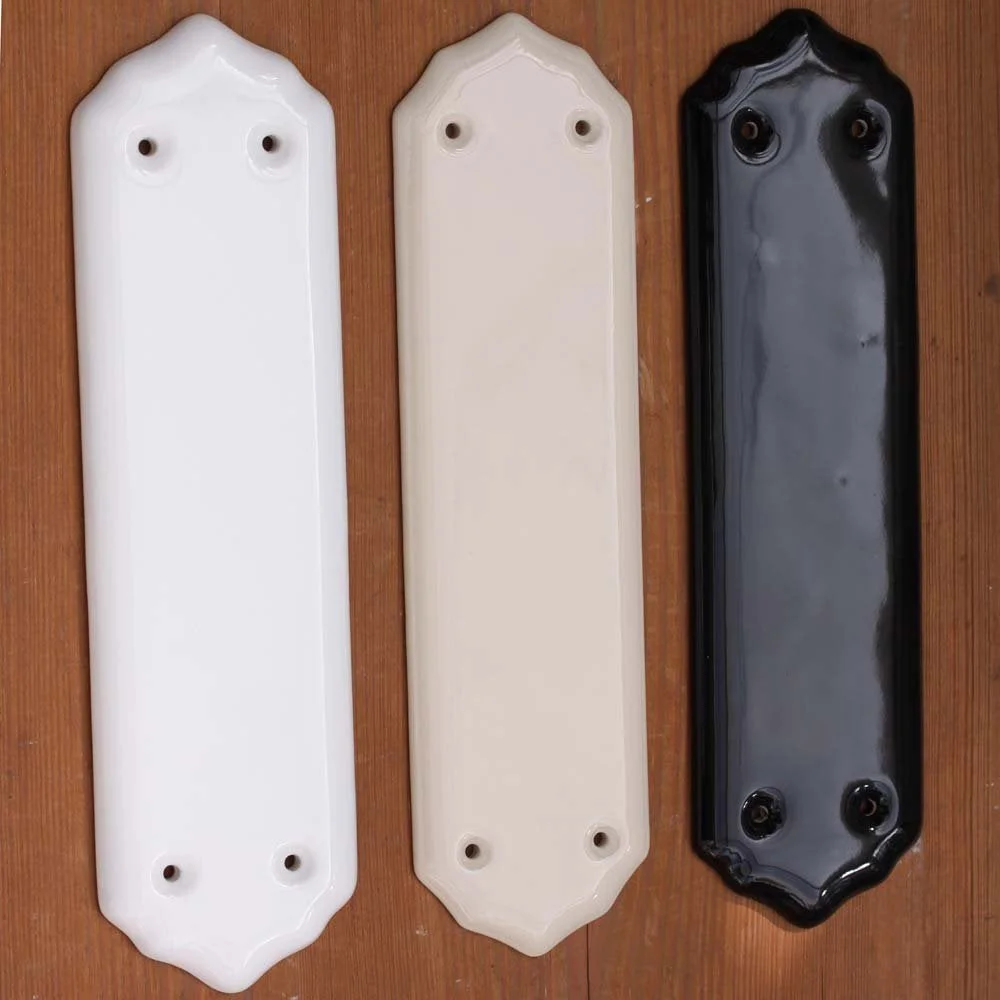 Ceramic finish
These ceramic fingerplates come in a range of colours and have a simple finish
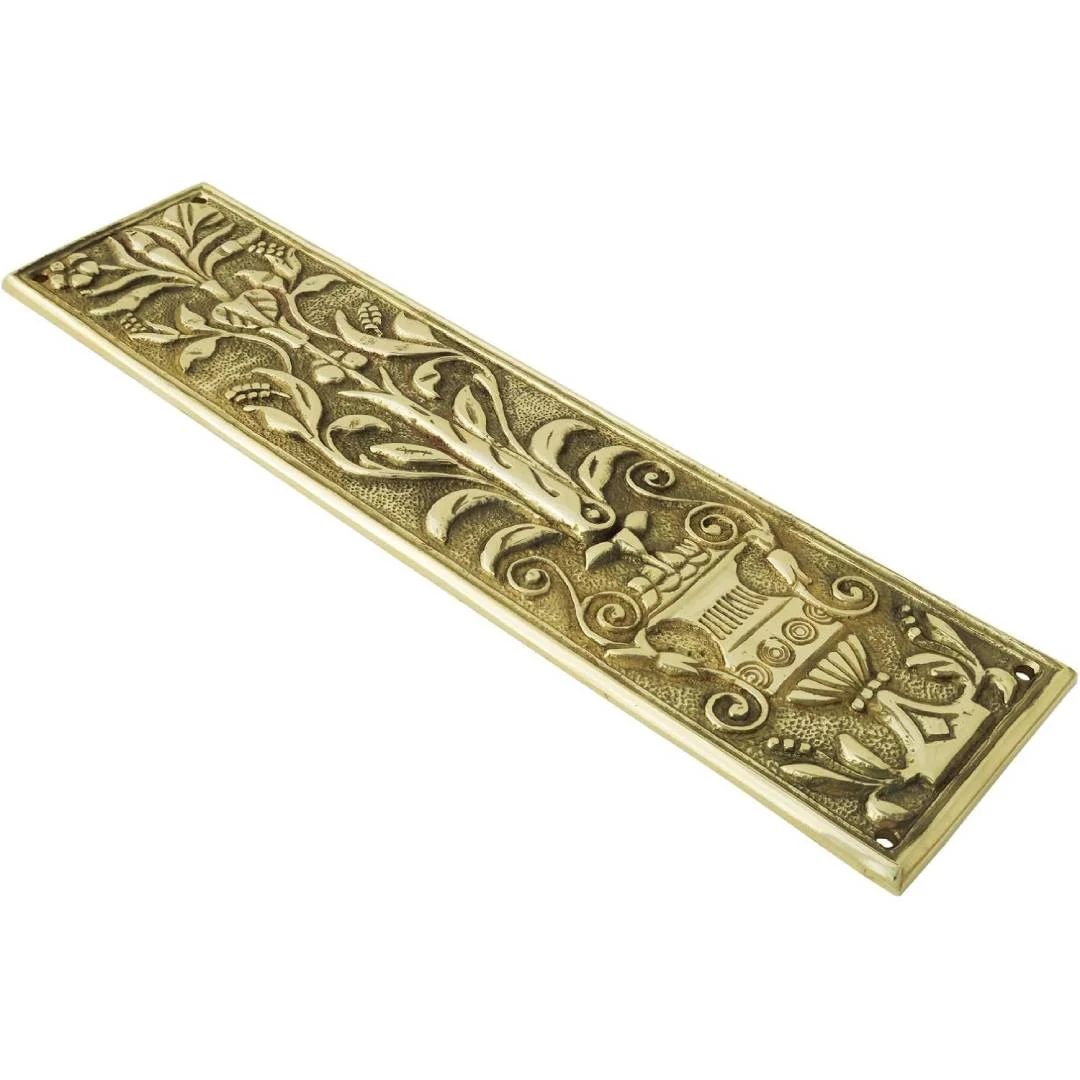 Ornate Brass
This solid brass features an ornate design with flowers and a vase
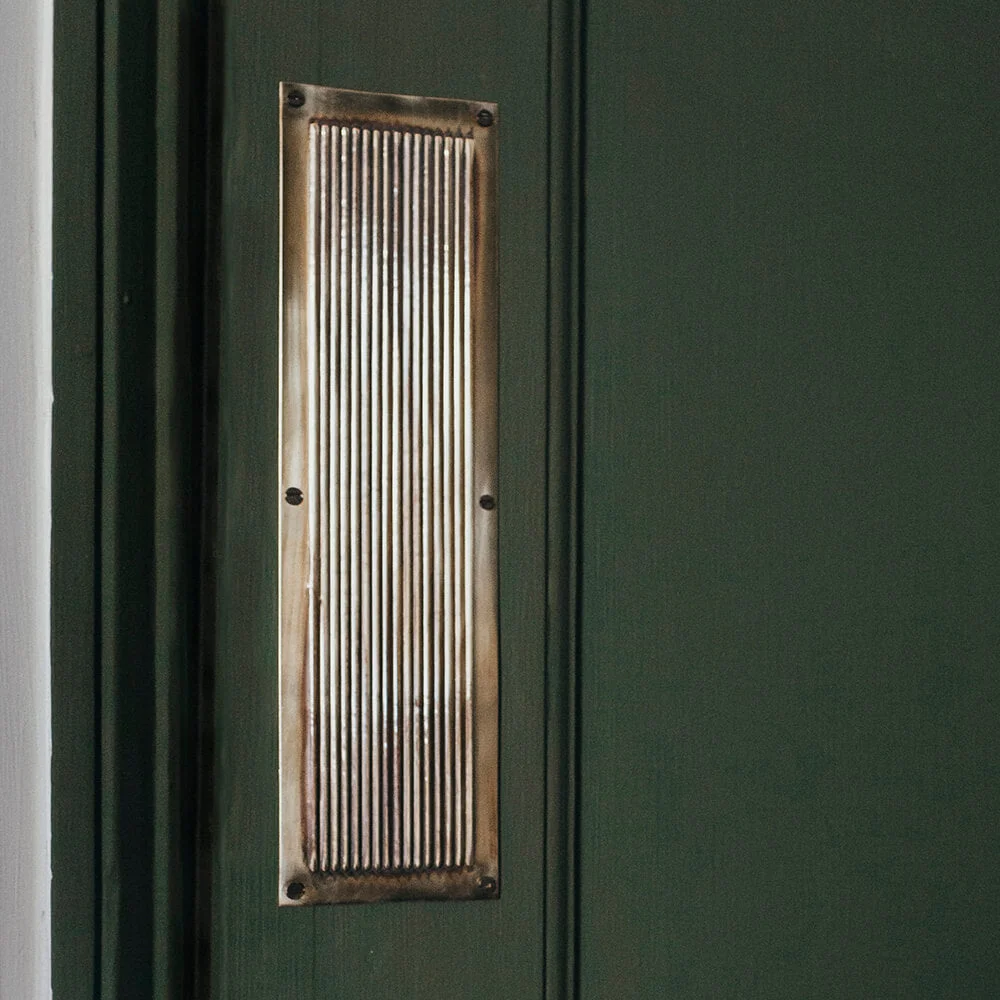 Polished brass
This polished brass fingerplate has a ridged finish but less detail around the edges
Fitting a finger plate
Placement comes first. On an internal door, the plate usually sits on the lock stile, above the handle, where a hand naturally pushes. Consider the heights and ages of the people using the room, and keep plates on both sides at roughly the same position. For more on choosing internal doors, the door’s construction and layout can inform the hardware decision.
“Position the finger plate on the door where the door is pushed open, and check that it sits comfortably alongside the handle without interfering with its operation,” Dale advises. Mark screw positions with a pencil. In one late Victorian home renovation, the plate was centred on the lock stile, with its bottom edge aligned to the top of the middle rail.
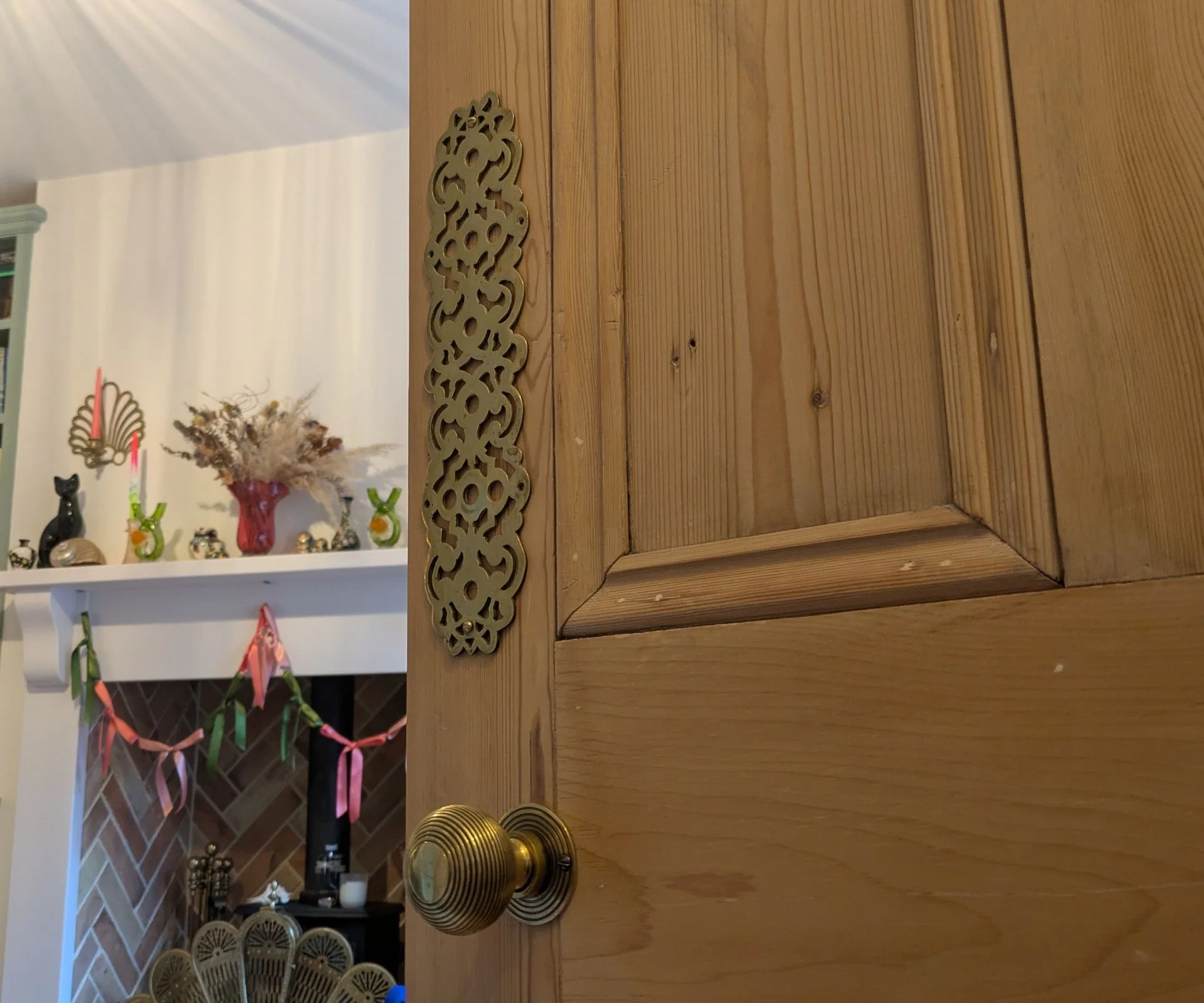
Preparation depends on the mounting system. For screw-fixed plates, drill small pilot holes if needed, using a wood bit narrower than the screws. A cordless drill can make this simple. Check whether screws are included; small antique brass screws were chosen for the renovation described here to match the plate.
Adhesive-backed plates need a clean, dry surface without dust or grease. With a screw-mounted plate, line it up over the pilot holes and tighten the screws carefully; overtightening could damage the door. For adhesive models, peel away the backing, align the plate and press it firmly into place. Follow the maker’s directions on suitable surfaces and the time needed for the adhesive to bond before using the door.
Once installed, occasional cleaning will help keep the finish presentable. Brass can be maintained with an appropriate product, such as brass polish from B&Q.
Materials and period detail
Brass became common in the Victorian era for both its appearance and its copper content, which Willshaw says can help combat germ spread. Bevelled glass also appeared in late Victorian interiors, while ceramic plates offered a smoother, often less lavish finish. Ceramic examples were commonly used in upstairs bedrooms, where householders might choose less expensive fittings. Today, makers also use stainless steel, nickel and porcelain.
The broader design lesson is that door hardware can do more than finish a room. Finger plates protect a surface people touch every day, and their material, shape and finish can reinforce the style of a home. Pair a restrained plate with a contemporary scheme, or let an ornate brass or ceramic design carry some of the room’s detail. Either way, the best choice starts with the door’s proportions and the spot that actually needs protection.
For more ways to build visual detail into a room, see guides to pattern-drenching mistakes and oversized lighting ideas.


Discussion
Sign in to join the discussion.