Dropping the planning permission requirement could make home-rate EV charging easier to access, though local authority approval will still be needed.
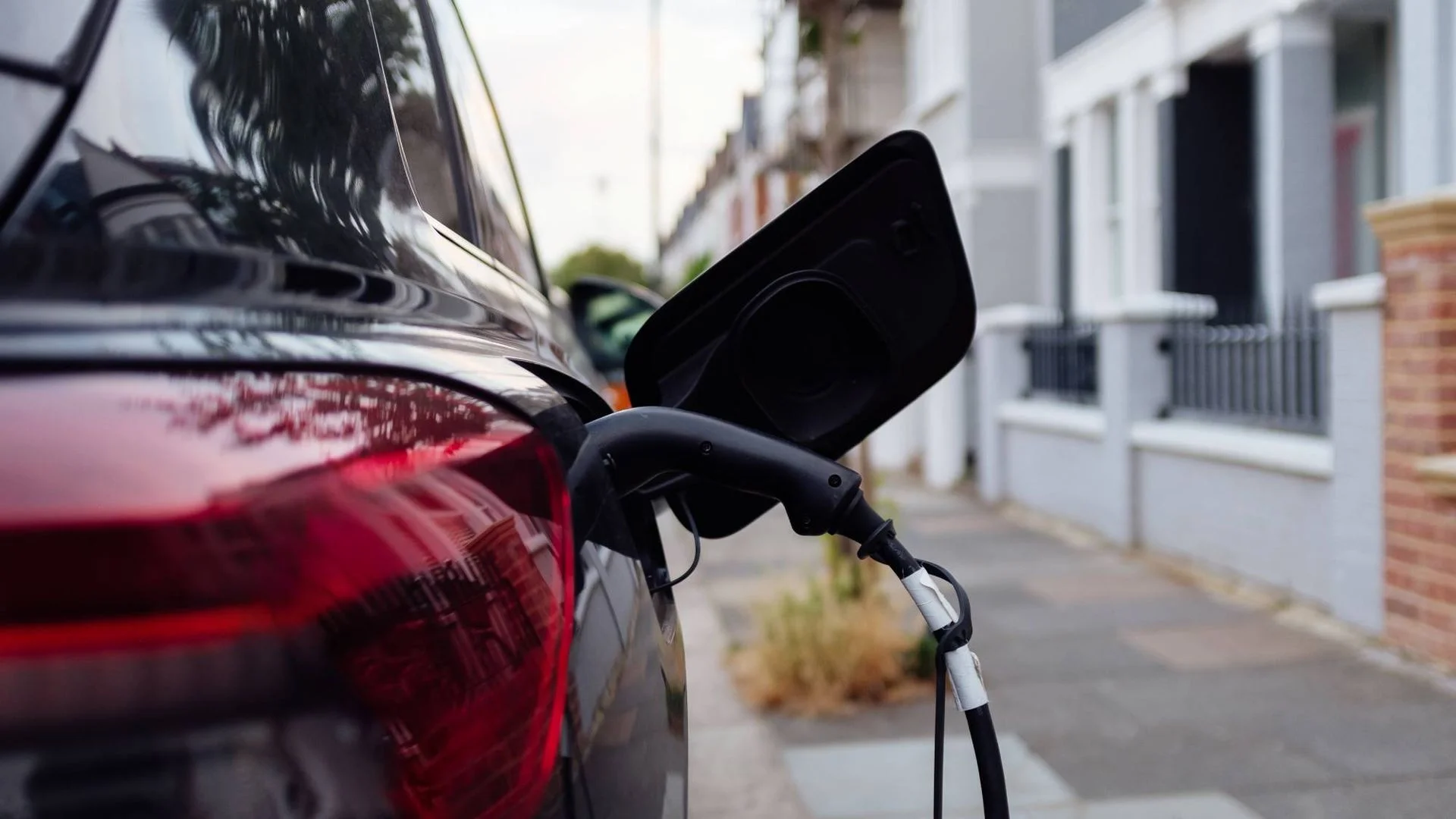
For drivers without a driveway, a route to cheaper home charging may be opening up. Removing the planning permission requirement for cross-pavement EV charging could make it easier to connect a street-parked car to domestic electricity rates, although local authority approval will still be required. That distinction matters: the change removes one hurdle, but it doesn’t turn the pavement into an extension of a private driveway.
Cross-pavement systems, such as cable gullies, let residents run a charging cable between their home and a vehicle parked on the road. The change removes the planning permission fee, but it doesn’t give homeowners permission to start work whenever they choose or leave a cable lying across the pavement. A cable route has to work for pedestrians as well as the person charging a car, so the practical details still matter.
Highways approval remains part of the process
Local authorities, particularly their highways departments, will still need to approve proposed work. That means access will depend in part on how councils handle applications and make these systems available in practice. A simpler national planning rule can reduce a cost, but it can’t guarantee that every resident will find the local process quick or straightforward.
For councils, the task is to weigh the household’s charging needs against the safe use and upkeep of the pavement. Cross-pavement charging also raises practical questions about where a gully can go and how a cable reaches the parked vehicle. The policy change doesn’t answer those questions; it leaves them within the approval process.
The change brings cross-pavement charging closer to the permitted development rules that already apply to installing an EV charger at a house or garage, as Homebuilding & Renovating reported earlier this year. For households that have had to rely on public charging, the prospect of paying domestic electricity rates could make owning an EV more affordable. The planning permission fee for a cross-pavement solution, such as a cable gully, will no longer apply.
That could narrow a gap between people who can park beside their home and those who can’t. The benefit depends on more than the planning fee, though: residents still need a suitable place to park, a route that their council will approve, and access to a charger and home electricity supply.
Potential savings are substantial
The government says drivers could save up to £300 on the cost of installing home charging because the planning requirement is being removed. It also estimates that access to cheaper domestic electricity could reduce EV running costs by as much as £1,750 a year. Those are two different kinds of saving: one is an upfront cost, while the other depends on the cost of charging over time.
The figures are estimates, not a guarantee of what an individual household will save. The actual benefit will depend on a driver’s charging needs and whether the local authority approves a workable installation. Still, the potential difference between public and domestic charging costs gives the policy a clear appeal for people who currently lack a private parking space.
Buses and Local Transport Minister Simon Lightwood said: “We’re saving drivers up to £300 off the cost of installing home charging by cutting unnecessary red tape.
“The EV transition is in full swing – sales are up 36% on last year and over 190,000 have saved thousands making the switch in the last year alone.”
The policy arrives amid rising EV uptake. The source reports that September 2026 set a monthly record, with nearly 100,000 electric car sales registered. That growth makes the question of who can charge conveniently harder to sidestep: more drivers considering an EV will have to judge whether charging fits their living arrangements, not just whether they can afford the vehicle.
Vicky Edmonds, CEO of EVA England, said the change could affect whether people without driveways consider buying an EV. “This might look like a small planning change, but for someone without a driveway, it could make the difference between being able to afford an electric car and ruling one out altogether. Removing the need for planning permission for cross-pavement charging is a really welcome and meaningful step towards a fairer transition.”
Edmonds said the organisation’s research found that 60% of petrol and diesel drivers without off-street parking would never consider an EV. Connecting a street-parked car to cheaper home electricity could change that, she said, while adding that local authorities and landlords will need to make the options practical to access. The finding points to charging access as a barrier in its own right, alongside the purchase price of a car.
Here's the thing: a cheaper route to home charging only helps if people can actually use it. If you're working in this space, the local approval process is where the policy’s promise will be tested. A change in planning rules is a useful start. Practical access is the harder part.
Home charging could also feature in a property’s sales details. Dickson Abegunde, strategic partnerships director at Zoopla, said an EV charger could add value to a home and improve its prospects with buyers. Zoopla was the first property website to let buyers search for homes with EV charging.
That property angle may matter to some sellers and buyers, but it doesn’t resolve the problem facing residents who can’t charge at home today. A search filter can make charging provision easier to spot when choosing a property; cross-pavement approval determines whether a resident can make use of home charging where they already live. And yet, together, these developments show how charging access is becoming part of the housing conversation.
More policy changes are under consideration
Two further consultations will examine ways to make EV home charging easier. One will consider whether landlords and freeholders should face mandatory requirements that make it harder to refuse a tenant’s request to install a charger. That question affects people who may have a suitable parking arrangement but don’t own the property or control decisions about its fixtures.
The consultations close on 16 December 2026. Their outcome, alongside local approval processes, will help determine how quickly residents without off-street parking can put cross-pavement charging to use. The planning change is a concrete step, but it’s only one part of the access problem.
What the change means for drivers
For drivers, the immediate point is modest but useful: the planning permission fee will no longer be part of the cost of a cross-pavement charging installation. The wider promise is the chance to charge at home despite parking on the street. Whether that becomes a routine option will depend on how councils handle approvals and whether the proposed system works for residents and pavement users.
This is more significant than it looks for households whose charging choices have been shaped by where they can park. But the savings figures shouldn’t obscure the remaining steps. Until approval and installation are practical locally, cheaper domestic electricity remains a potential benefit for these drivers, not an automatic one. A meaningful opening. Not a finished route.



Discussion
Sign in to join the discussion.