A windowless bathroom can feel welcoming and stay dry with the right ventilation, layered lighting, reflective finishes and moisture control.
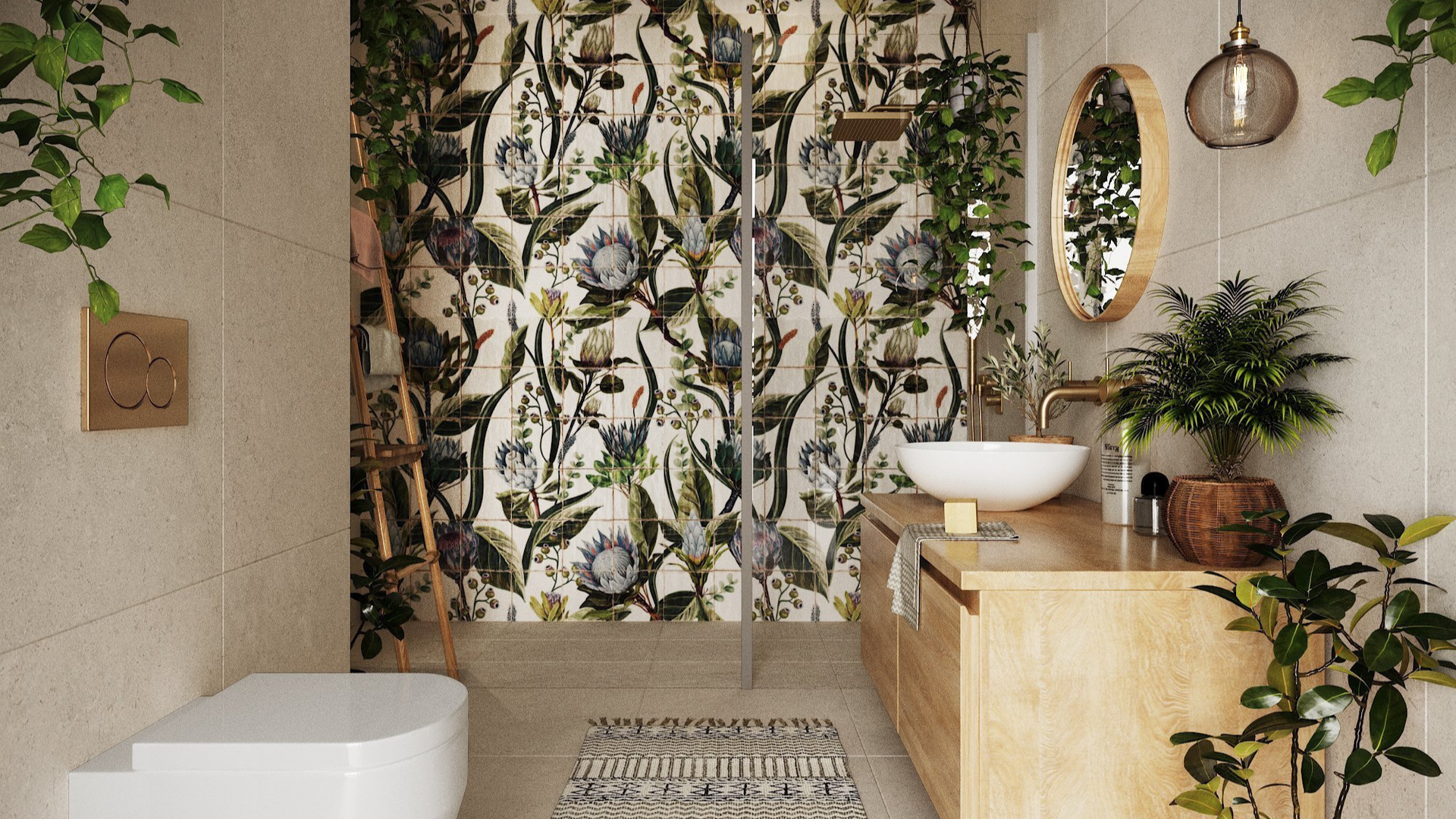
A windowless bathroom succeeds when its design handles moisture first and makes the most of the light it has. That applies whether you're planning a compact en suite or an understairs toilet: ventilation, lighting, colour, durable surfaces and odour control all shape how the room looks and performs.
The practical details matter as much as the finish. A fan that moves damp air outside, lighting that works for both daily tasks and a calmer evening mood, and surfaces built for repeated exposure to water can make a small, enclosed room feel considered rather than compromised.
Move damp air out of the home
Without a window, steam has no natural route out. An extractor fan is essential, and a humidity sensor can take the guesswork out of switching it on: the fan responds as moisture rises and keeps running until levels fall. Pyramid Eco founder Michael Zohouri recommends running the fan for at least 20 minutes after a shower, and longer if the room still feels damp. The fan also needs enough capacity for the room’s size.
Noise and energy use can make a fan tempting to switch off, but leaving moisture behind raises the risk of condensation and mould. Airflow depends on more than the fan itself. Check that there’s a suitable gap beneath the bathroom door so fresh air can replace what the fan extracts, and confirm that the ducting vents outdoors. If it empties into the loft, damp air is simply being moved elsewhere in the house.
These checks are especially important in a room with no window to help clear lingering humidity. Ventilation should be part of the design from the start, not an afterthought once condensation appears.
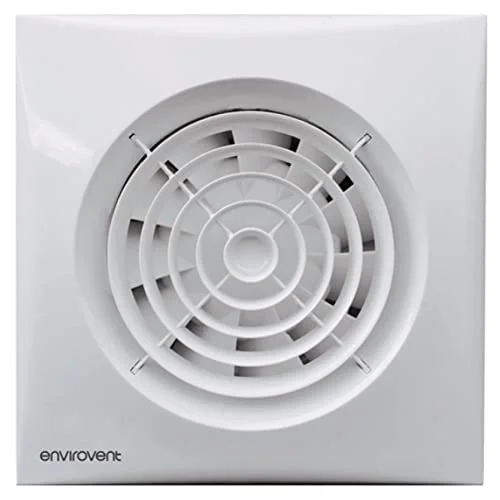
Thanks to its high extraction rate, quiet design and timer feature, we voted this fan the best option in our buying guide.
Build a lighting scheme in layers
With no daylight to rely on, a single ceiling fixture can leave the room flat or create harsh shadows. Buster + Punch founder and creative director Massimo Buster Minale recommends combining ambient light with task lighting. Flush, IP44 wet-rated ceiling lights or spotlights can provide an even base level; wall lights above or beside the mirror help with everyday grooming while softening shadows.
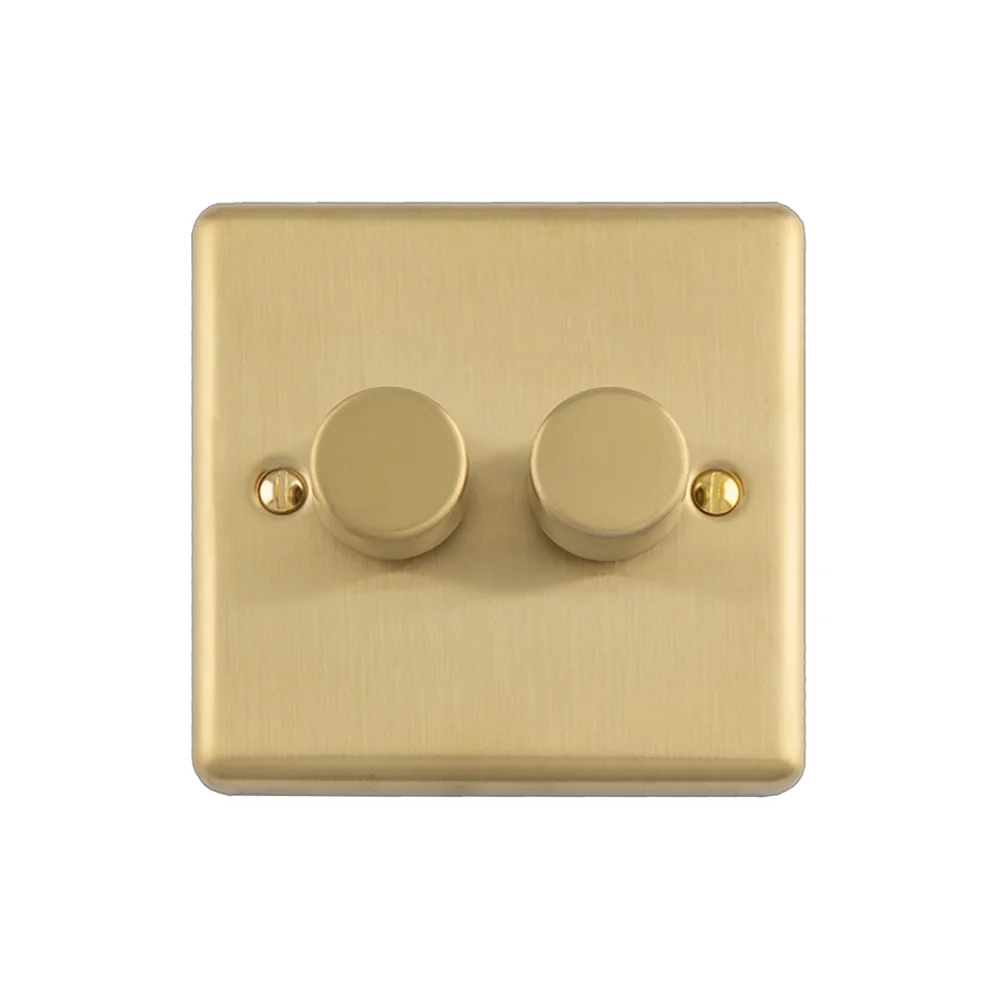
A dimmer adds flexibility, letting you adjust brightness to suit the time of day and the atmosphere you want. The key is to give each source a clear job: general illumination across the room, focused light at the mirror and, where practical, softer settings for a more relaxed feel.
 400W
This brushed brass twin dimmer by Ellis & Co gives separate control over two lighting circuits.
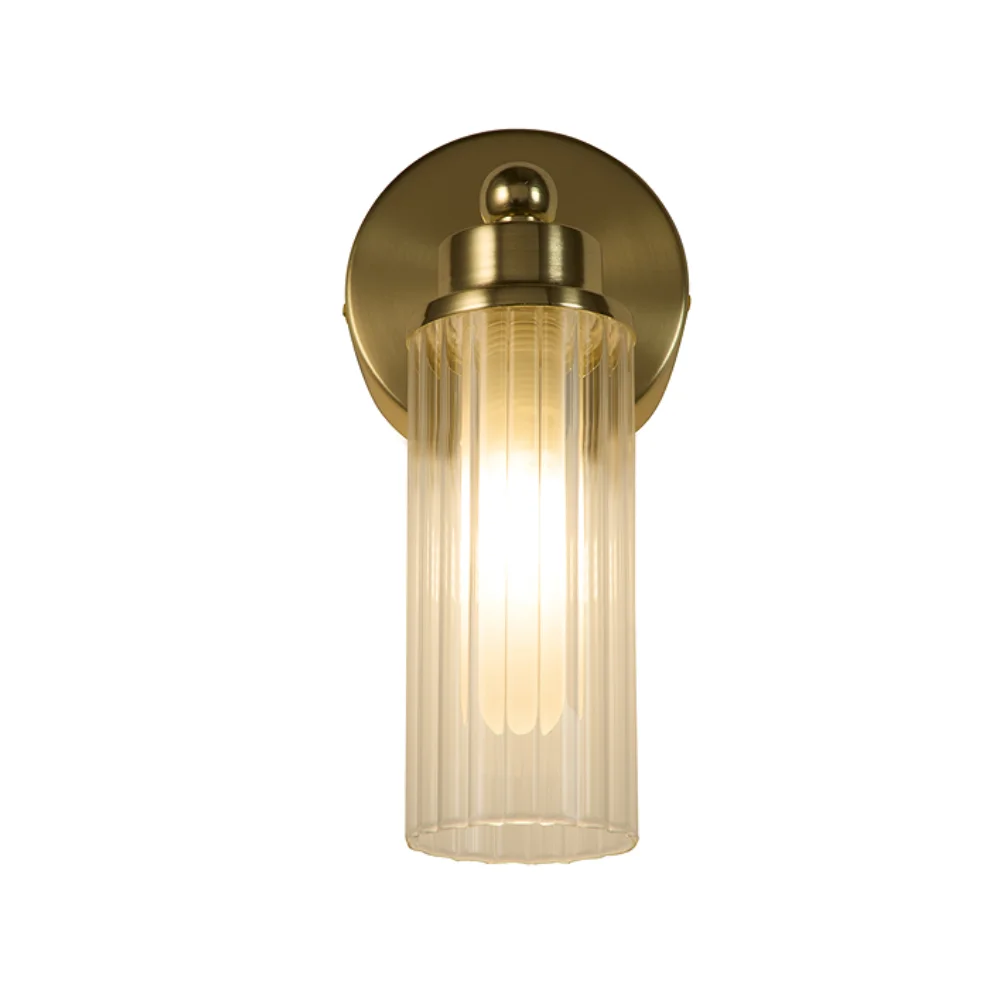 IP44
A ribbed-glass wall sconce with an IP44 rating, suited to bathroom use.
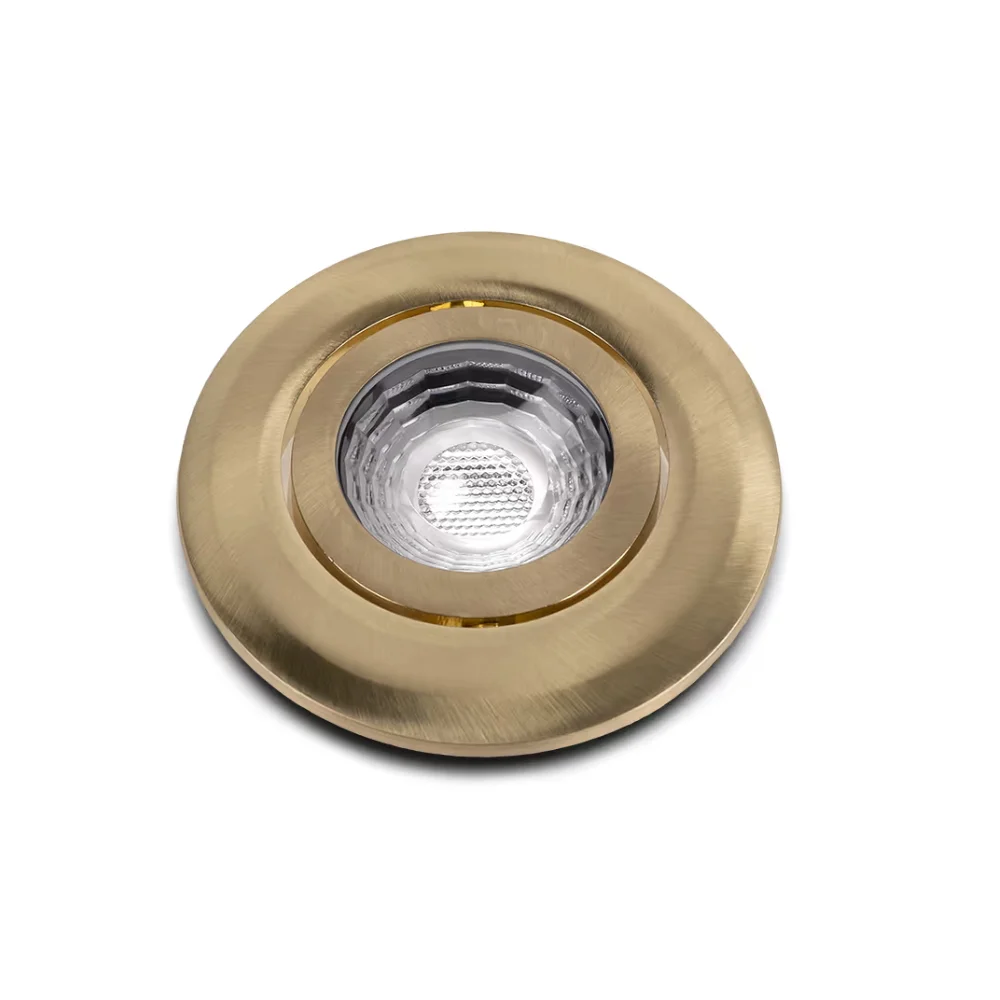 Warm white
These adjustable brushed brass spotlights are fire-rated, dimmable and designed for bathroom use.
Choose colour and finishes to shape the room
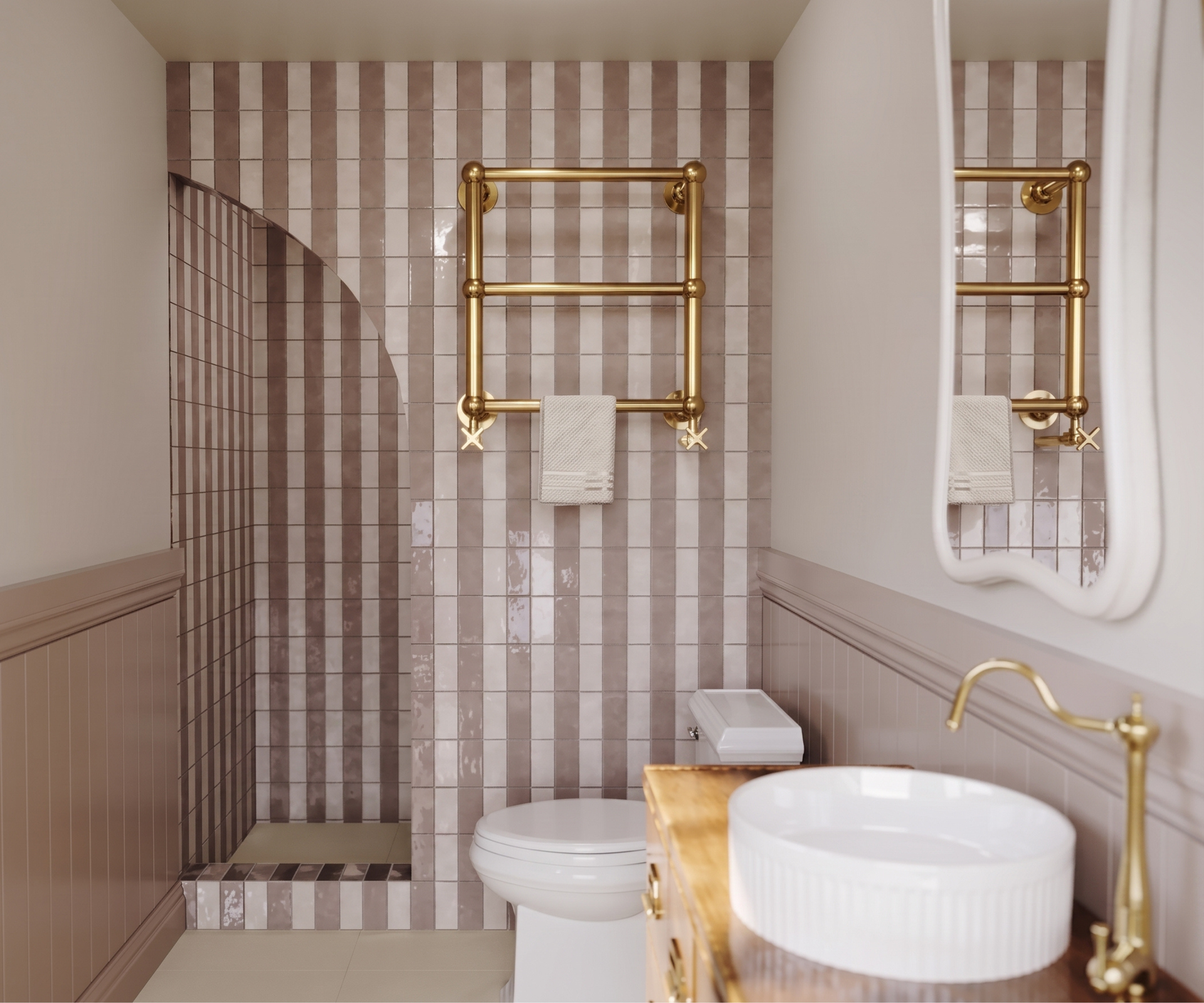
White walls aren’t an automatic fix for a room without natural light. Interior designer Katie Malik says an all-white scheme can read as cold and clinical in these conditions. Creamy whites, warm off-whites, pale greige and subtle blush tones offer a softer base, while muted sage, powder blue and pale earthy shades add colour without overwhelming a compact space.
Paint sheen can help make limited light work harder. Malik suggests moisture-resistant satin or soft-sheen paint, which reflects more light than a flat finish. Large-format tiles can also make a small room feel less visually busy by reducing the number of grout lines. Running the same tile across floor and walls can further soften the boundaries between surfaces.
A large mirror is another practical tool. Set it where it can catch the room’s artificial lighting, and it will help spread that light while giving the space a greater sense of depth.
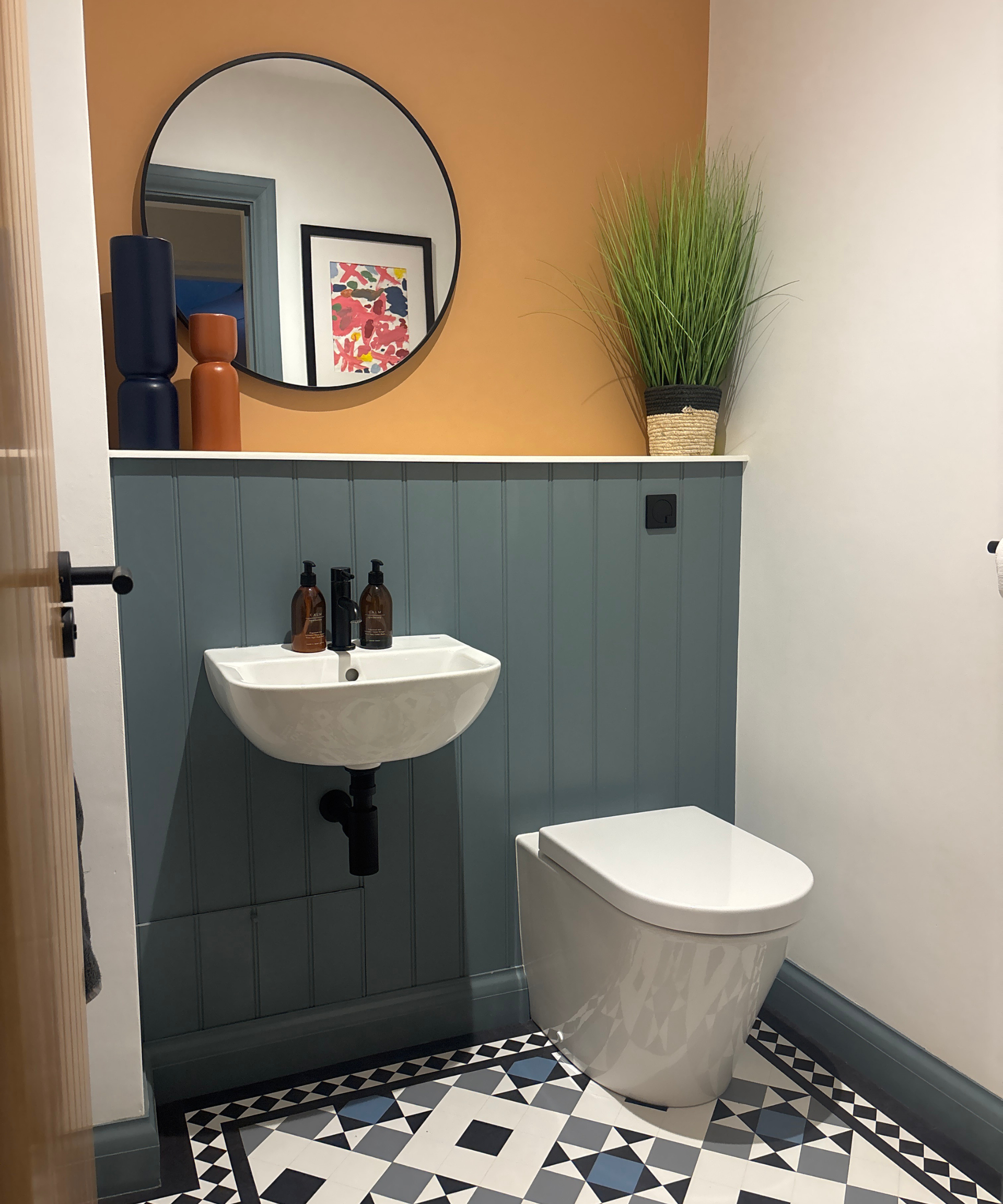
Future content director Laura Crombie’s downstairs bathroom shows how colour and pattern can work without a window. Its blue patterned floor, half-height blue panelling, mustard upper wall and circular mirror demonstrate that a small room doesn’t have to default to pale, uniform surfaces.
Specify materials for repeated moisture
Good ventilation reduces damp, but material choices still need to account for regular exposure to water. Pyramid Eco’s Michael Zohouri recommends porcelain tiles for floors and shower walls because they absorb little water and are easy to clean. For the ceiling, use paint made for bathrooms to help prevent mould spots.
Tile alone doesn’t make a shower wall waterproof. Water can pass through grout and joints, so areas exposed to regular splashing need a proper tanking system behind the tiles. It’s a detail that can be hidden once the room is finished, but it has a direct bearing on how well the enclosure stands up over time.
Vanity units need similar care. Standard MDF can swell and deteriorate if water gets into its edges. Choose furniture designed for bathrooms, and check that any exposed edges are sealed. These choices help the room cope with daily use, especially when damp air takes longer to clear.
Keep odours from lingering
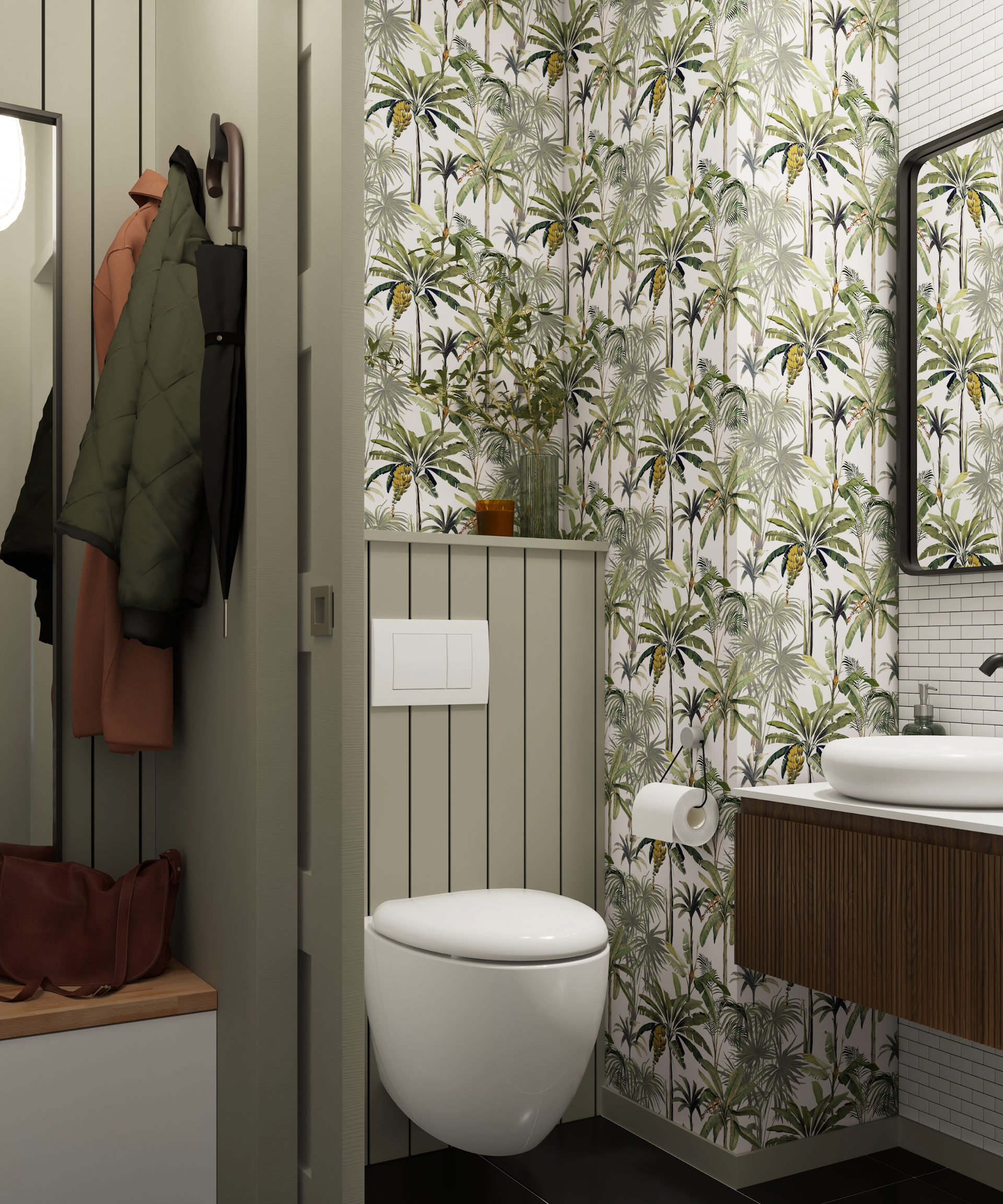
Smells can hang around when ventilation is weak and there’s no window to open. The extractor is the first line of defence, but everyday habits also affect how fresh the room stays. Zohouri points to items that remain damp: towels, bath mats, shower curtains and even silicone around the bath. Move towels to a better-ventilated spot to dry, rather than leaving them in a closed bathroom.
After showering, spread the curtain out so it can dry, and use a squeegee on the shower walls to remove standing water. The routine takes little time and reduces the moisture left in the room.
A windowless bathroom can be both practical and expressive when airflow, lighting and materials are planned together. Get those fundamentals right, then use colour, tile and reflective surfaces to give the room its own character.



Discussion
Sign in to join the discussion.