A 96 × 54-pixel sleeve display uses touch-sensitive electronic fibers, with researchers reporting little change after washing and bending tests.
When the interface becomes part of the garment
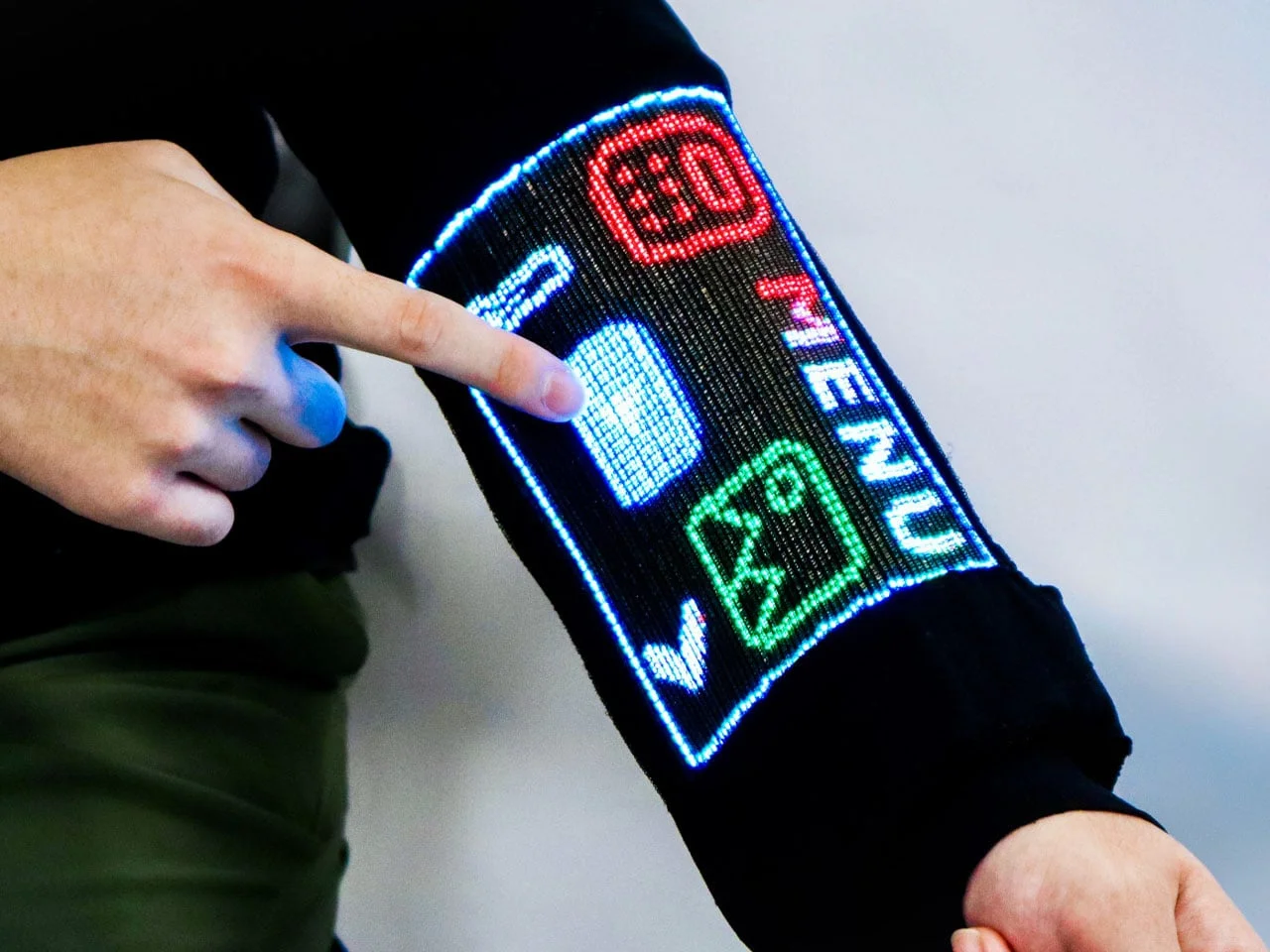
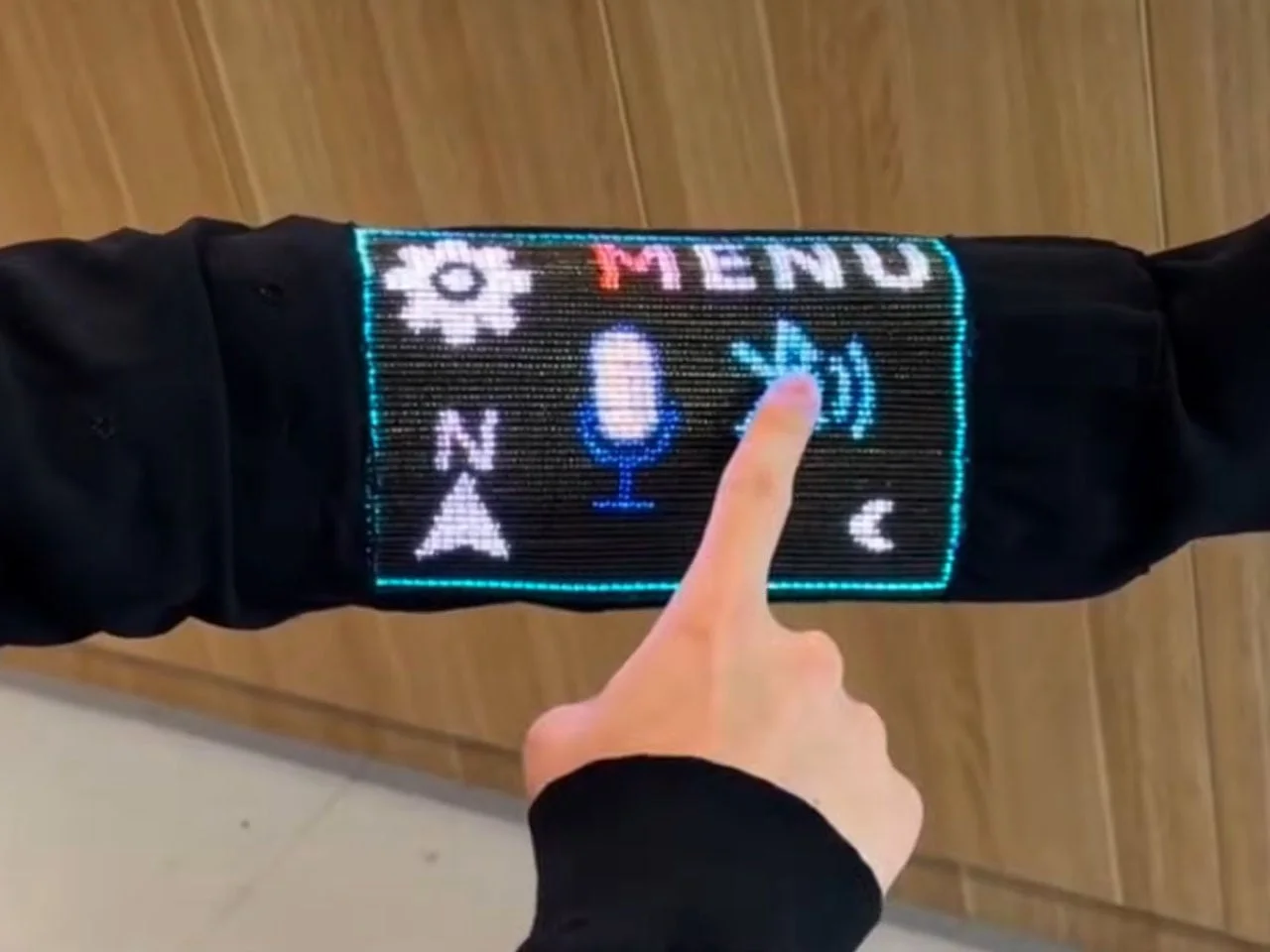
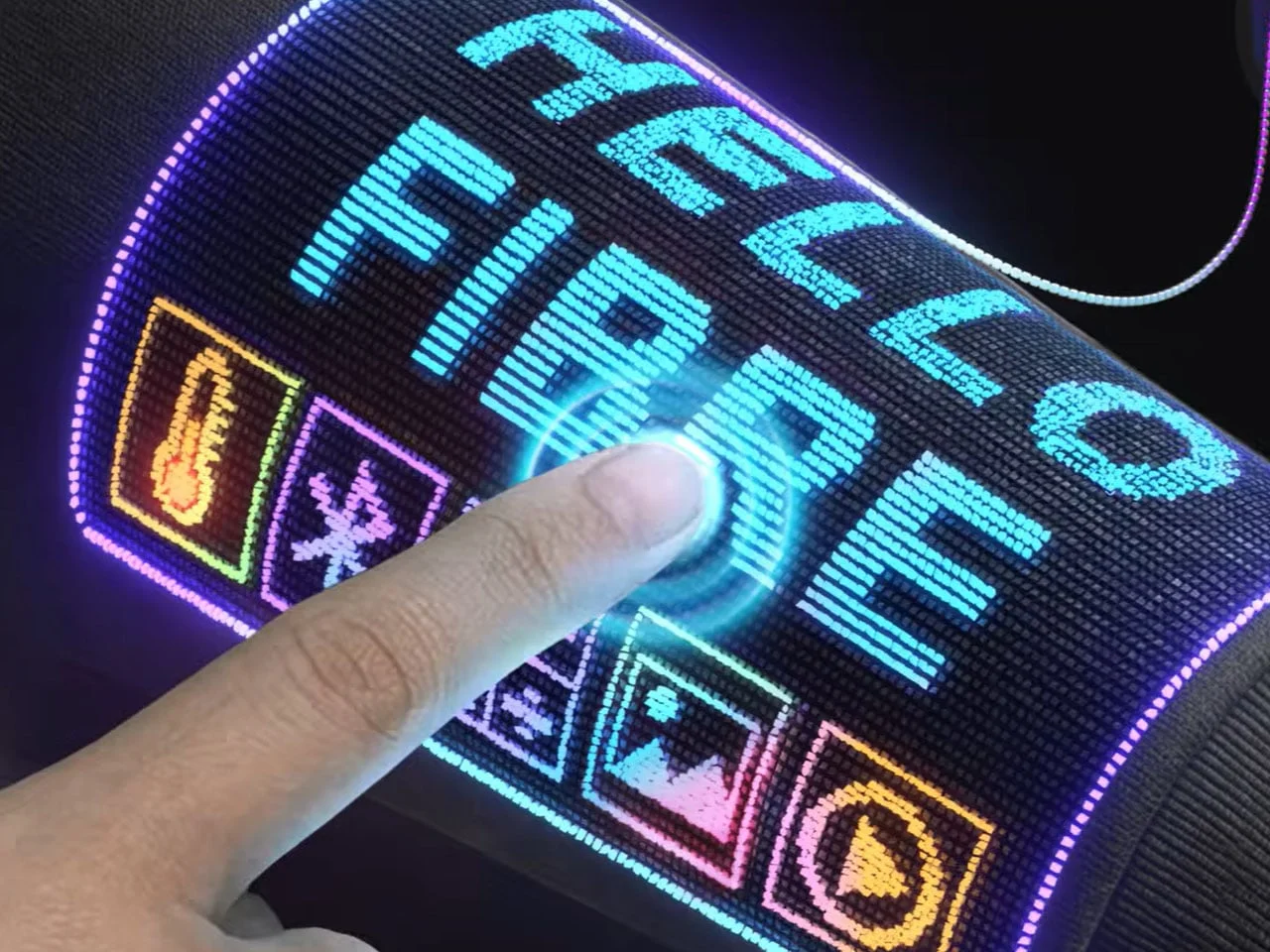
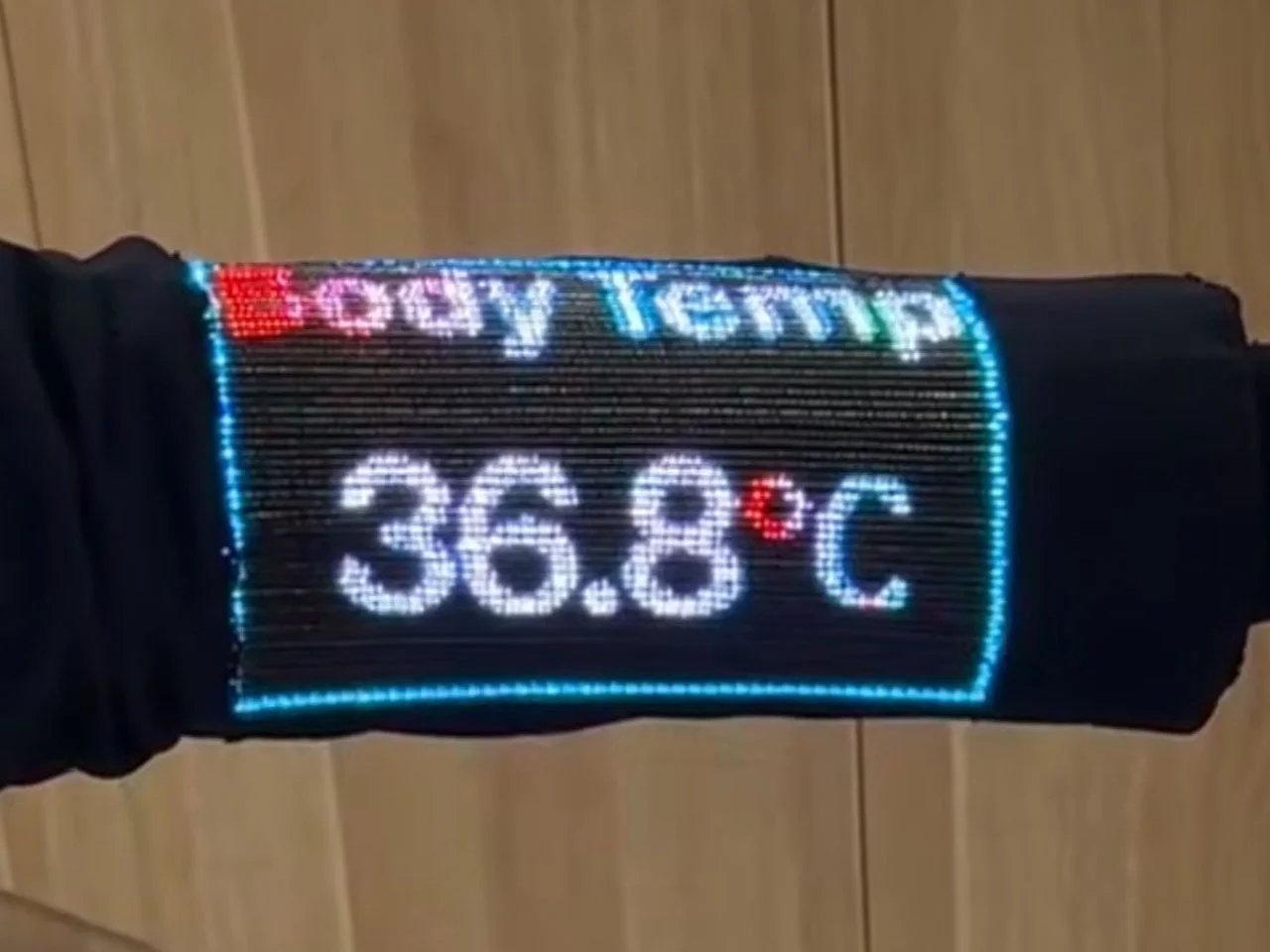
A touchscreen woven into a sleeve points to a different direction for wearable electronics: instead of attaching a conventional display to clothing, the interface is built from electronic fibers. Researchers at the National University of Singapore say their prototype can display images and video, register touch, and present information such as body temperature. That combination makes the fabric itself part of the device, rather than a holder for a separate gadget.
The distinction matters. A screen mounted on clothing has to contend with the stiffness, weight, and awkward placement of a rigid component; a fiber based interface raises a different set of questions about how electronics can bend, breathe, and move with the wearer. The NUS prototype is an early demonstration of that approach. It doesn't establish that garments are ready to replace phones or watches, but it does show how an interface might be distributed across material people already wear.
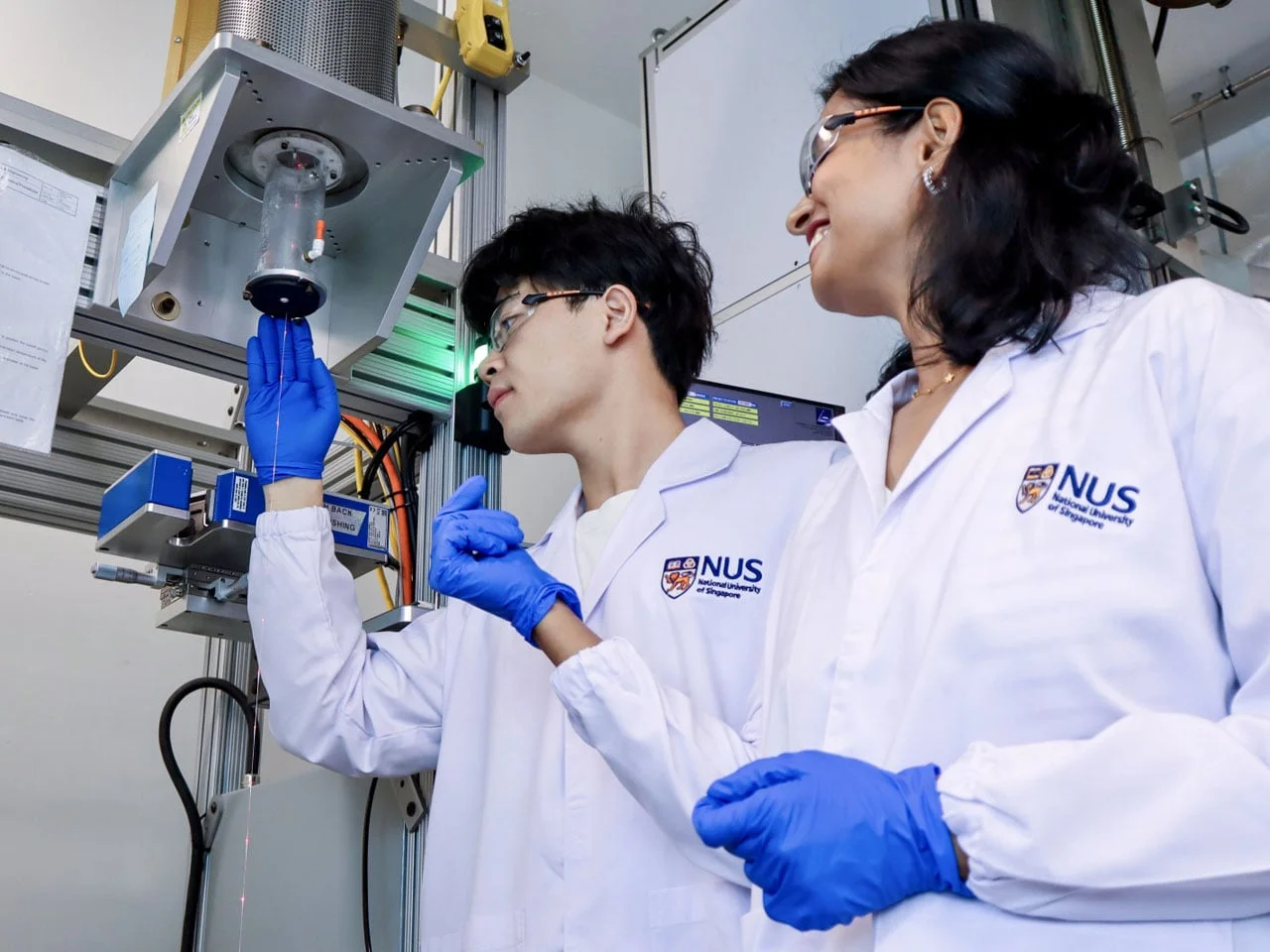
The team, led by Assistant Professor Tural Khudiyev of the Department of Materials Science and Engineering at NUS’s College of Design and Engineering, integrated 54 specialized fibers into a garment sleeve. The research was published in Nature on 21 October 2026. The team describes the work as the first touchscreen built into a garment. That claim frames the project as a materials and interface experiment as much as a product concept.
Designers: NUS
A display made from fibers
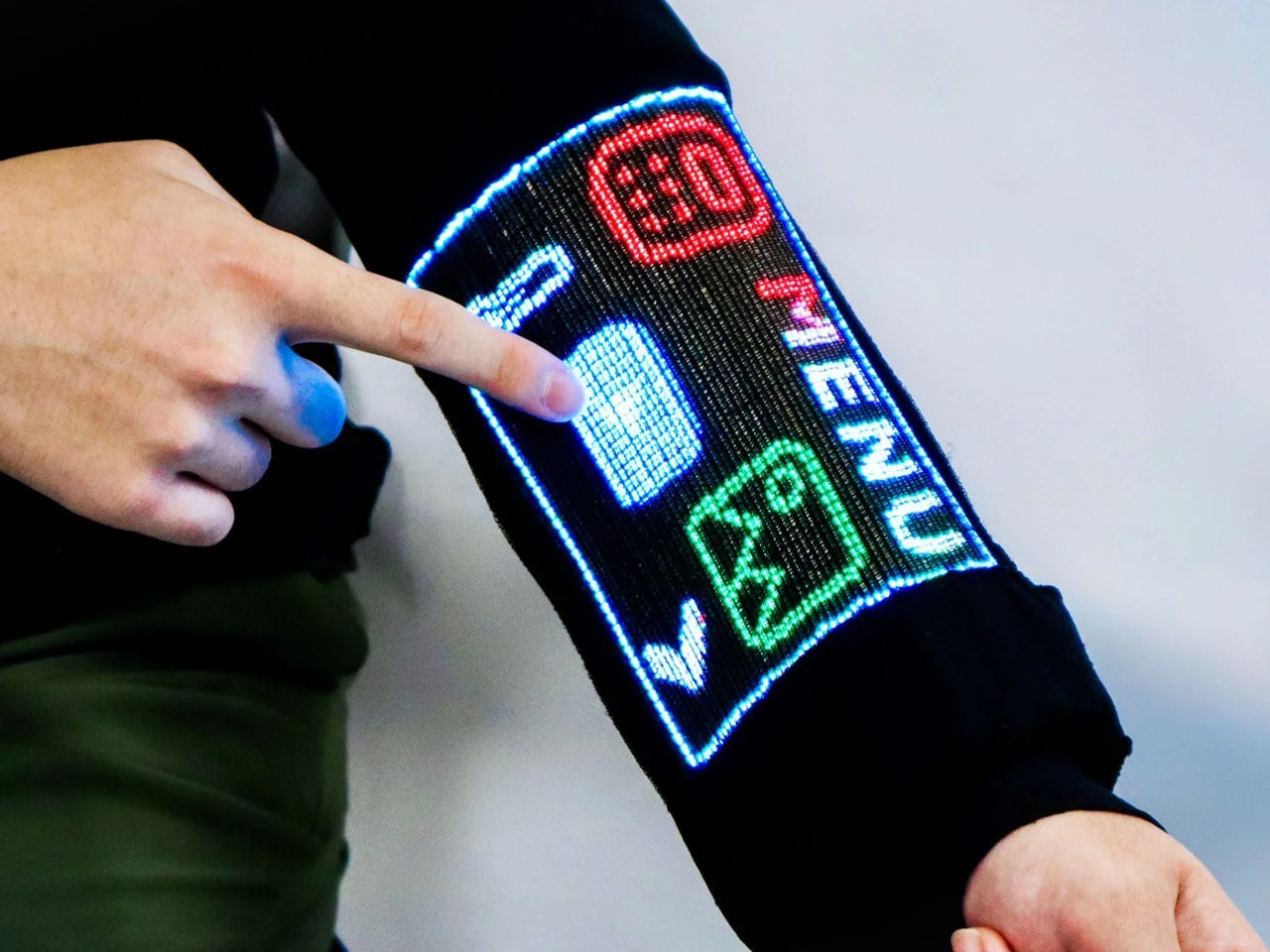
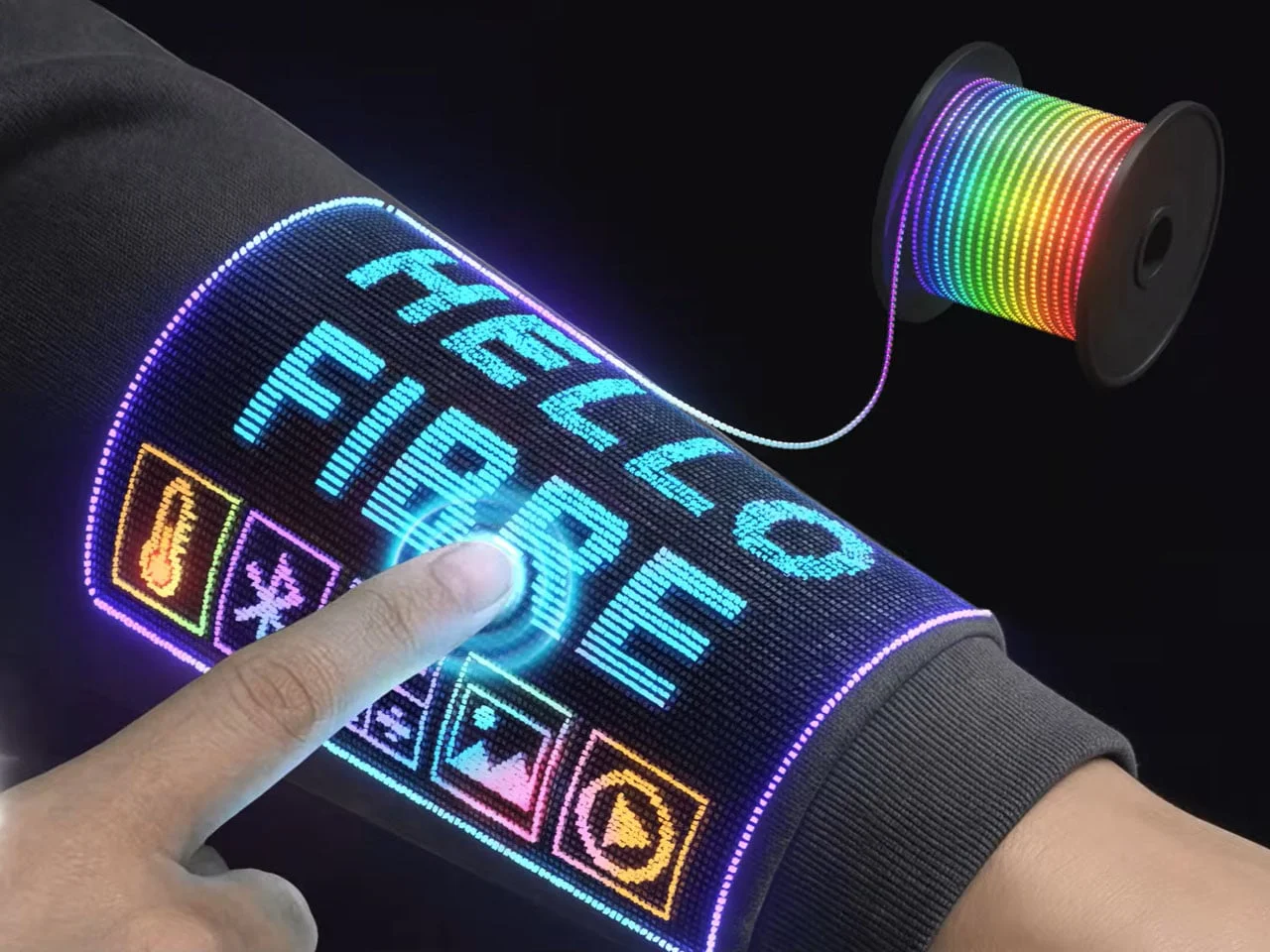
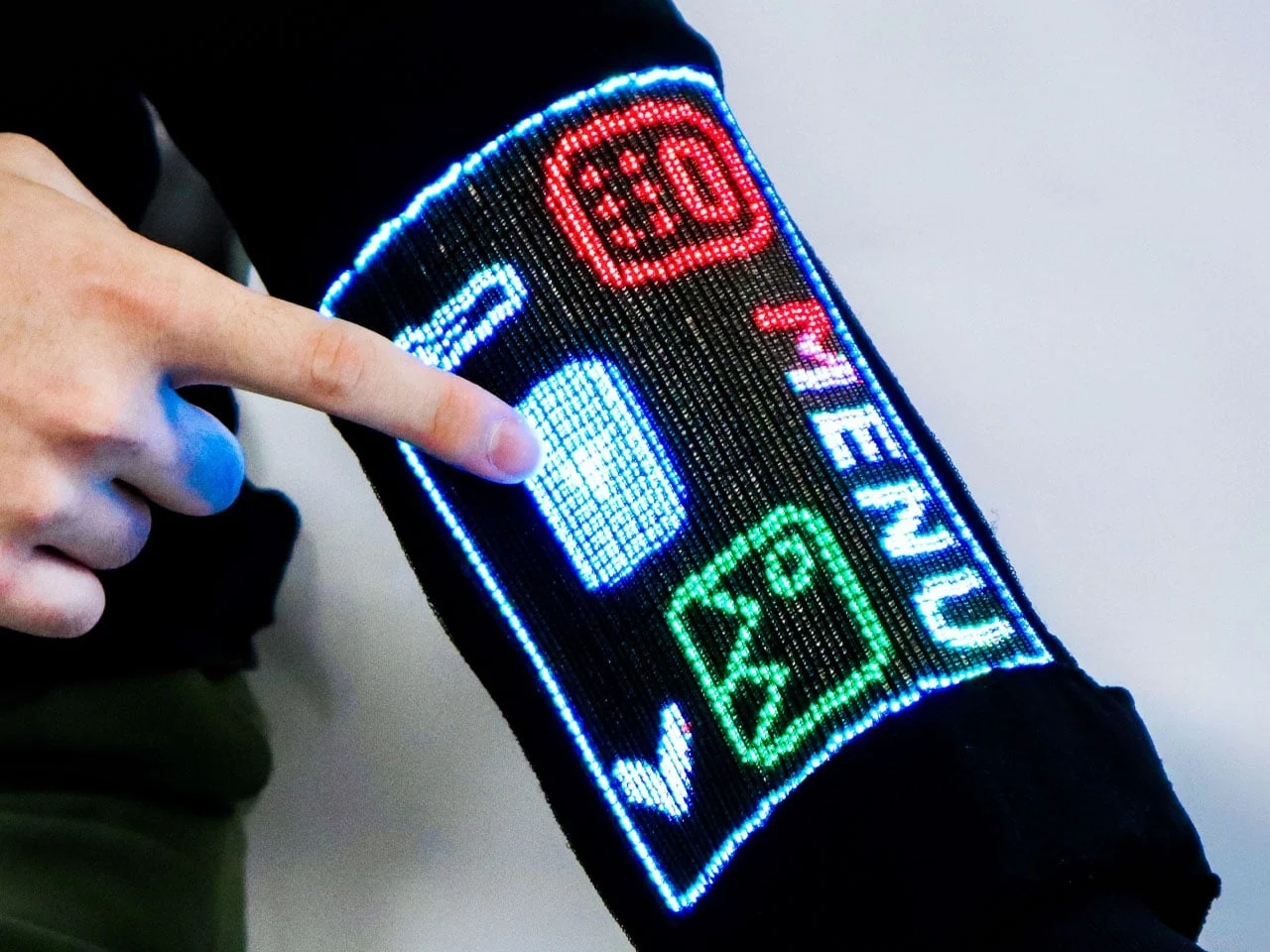
The sleeve’s interface has a resolution of 96 × 54 pixels. It can show images, play videos, respond to finger input, and handle calculations. Users can also pair its touch-sensitive layer with another Bluetooth device or interact through voice commands. These functions suggest a small control surface for selected tasks, not a general purpose display.
That resolution sets a clear ceiling on what the sleeve can communicate visually. It may be enough for a simple icon, a short status message, or a basic reading, while detailed text and video would be harder to use. The numbers here are underwhelming by phone standards, but phone standards aren't necessarily the right measure for an interface intended to sit on fabric and offer quick glances.
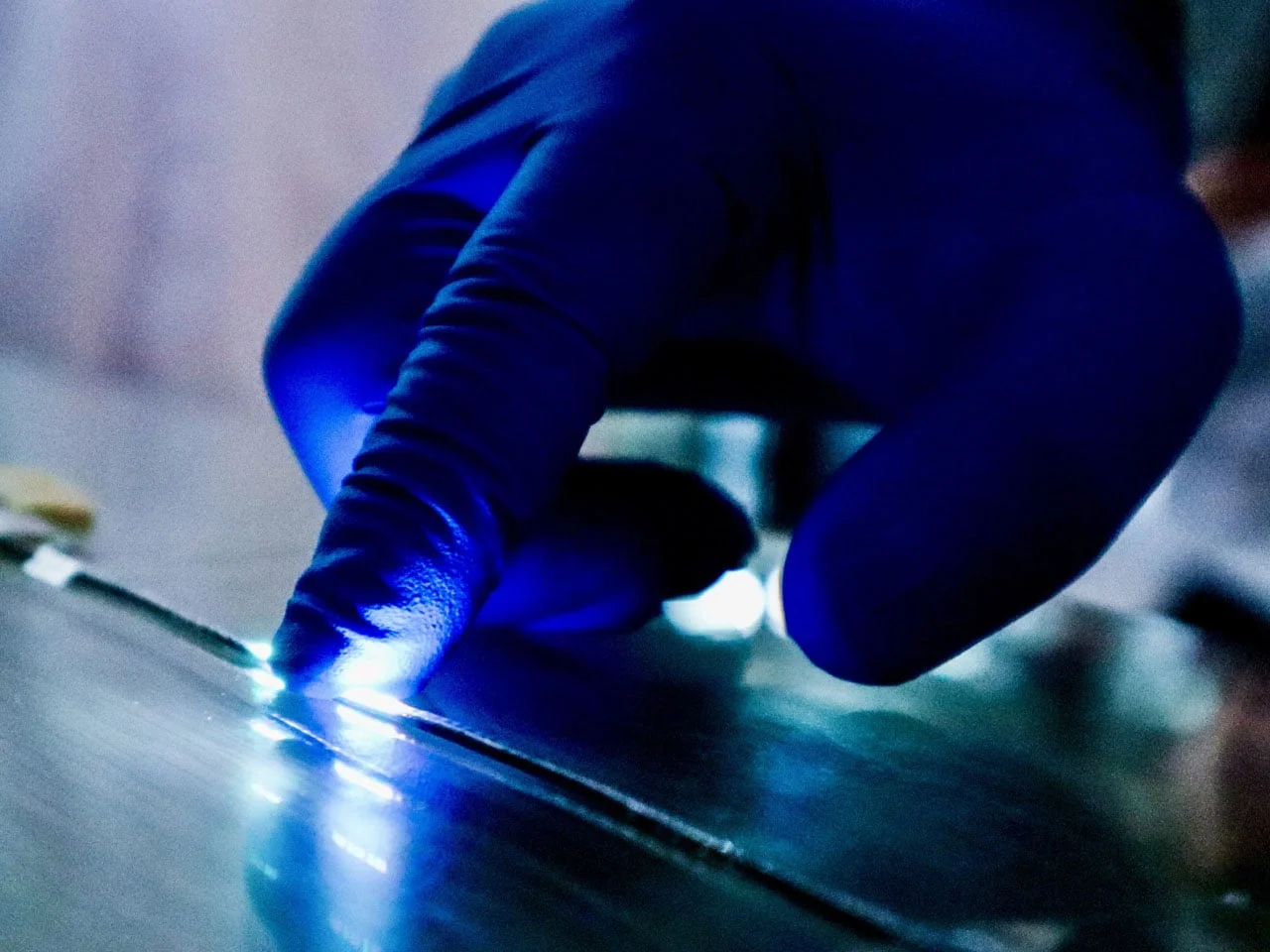
There’s no separate screen embedded in the cloth. The fibers themselves combine display and sensing functions, while a touch-sensitive layer detects inputs and activates the relevant pixels. The setup is designed to bring some mobile-device functions onto clothing and could show readings such as body temperature. Here's the thing: putting information on a sleeve only helps if it remains legible in ordinary movement and if the wearer has a reason to check it there.
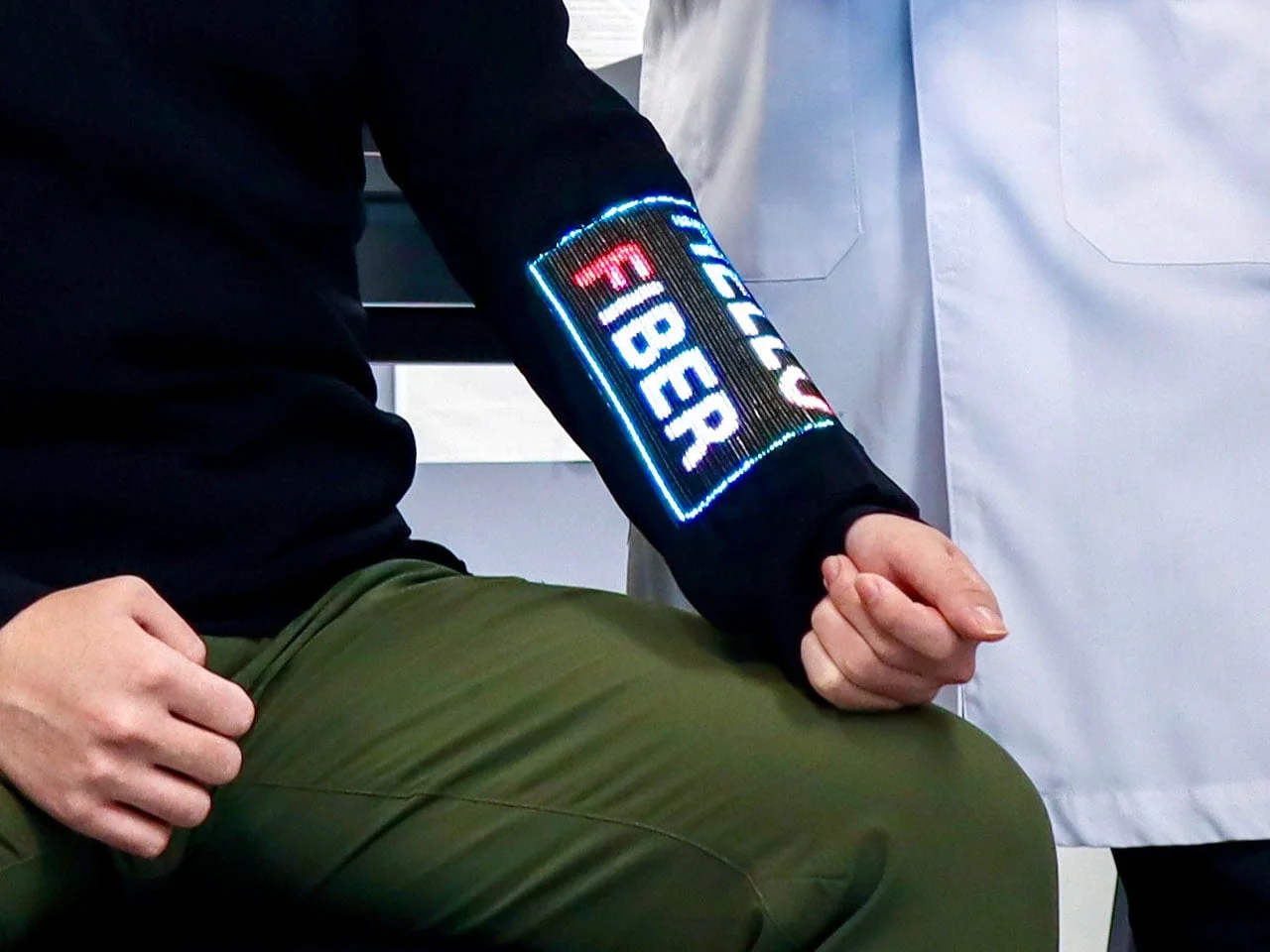
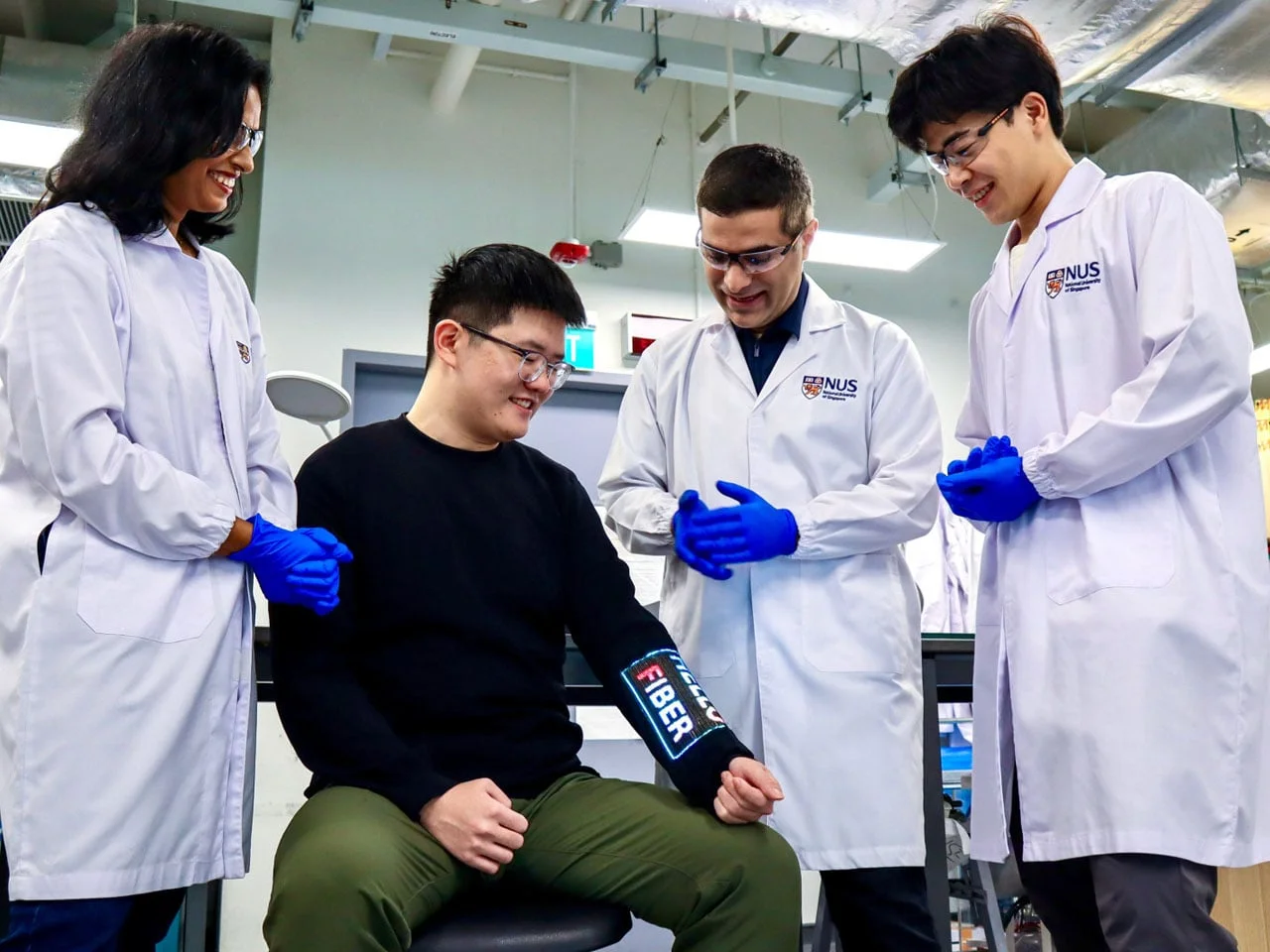
Khudiyev said the team built the graphical interface from “electronic building blocks in fibre form” with functionality integrated into the fibers. The current display is low resolution, so it won’t deliver detailed video. Its more practical near-term role may be presenting simple information, including physiological readings, without requiring a user to check a separate device. A glanceable status display is a narrower ambition than a phone screen, and potentially a more credible one for this form factor.
If you're working in this space, the useful question is what information benefits from being visible on clothing at all. A body temperature reading may be relevant in some contexts, but the source doesn't explain how the prototype measures it or how often readings update. That distinction matters: displaying a measurement and producing a dependable measurement are separate capabilities.
Durability and practical limits
Wearable displays need to withstand the routines of clothing care. The researchers report that the prototype’s display and touch response changed little after 50 machine-washing cycles and 1,000 bending cycles. They also describe the garment as flexible and breathable. Those tests address two obvious obstacles for electronics in clothing: repeated deformation and washing.
Still, the reported cycles are a useful laboratory signal, not a complete account of long term use. The source doesn't describe how the sleeve performs after extended wear, how its electronics are powered, or what maintenance would involve. And this is the part most people overlook: durability isn't only about whether the display still lights up after washing; the garment also has to remain comfortable and practical enough that someone wants to wear it.
That said, the reported results make everyday wear a more plausible use case, though they don’t establish when a product might reach consumers. The team has announced no release date. For now, the prototype’s clearest promise is an interface that can be worn and checked at a glance, with health monitoring among the possible applications. This is more significant than it looks as a materials demonstration, even if the consumer proposition remains unproven.
What the prototype could mean
The immediate implication is a change in where an interface can live. A sleeve could, in principle, place a small amount of information where the wearer can see it without reaching for another device. But the value depends on the task: a simple alert or reading could suit a low resolution surface, while browsing, messaging, and detailed media demand much more space and clarity.
Similar systems typically have to balance visibility, comfort, durability, and the complexity of their electronics. This prototype gives some evidence on flexibility and washing, but the source leaves practical questions open, including power and the experience of using touch controls on moving fabric. The next step for the idea isn't simply adding more pixels; it's showing that the interface solves a routine problem without making the garment cumbersome.
For now, the sleeve is best read as a research prototype that expands the design vocabulary for wearables. If the approach can deliver useful information while retaining the qualities of ordinary clothing, it could make a display feel less like an accessory and more like part of the material. A promising direction. Still an early one.
The post Your next touchscreen device will not be made from plastic, it will be woven into the sleeves first appeared on Yanko Design.



Discussion
Sign in to join the discussion.