Mori uses light, movement and touch to offer screen-free company. Its appeal will depend on whether its quiet presence lasts beyond the novelty.
A Home Robot That Asks for Little
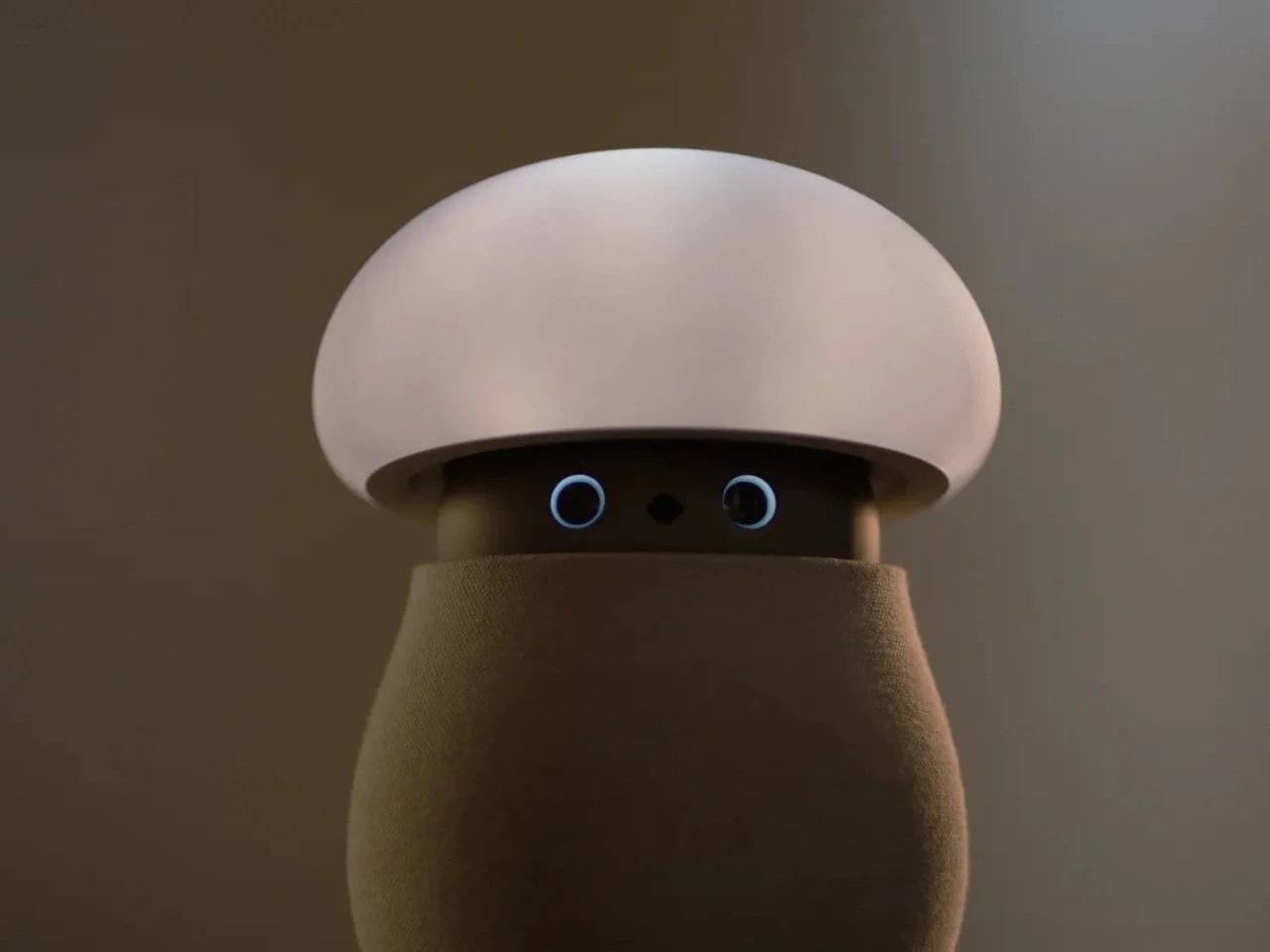
OKA’s Mori makes a case for a home robot by asking for little in return: no conversation, no screen, just a small presence in the room. Shaped like a mushroom with glowing eyes, it uses light, sound and movement to invite a pause. That restrained approach feels more suited to a bedside table than another device competing for attention. Here’s the thing: Mori’s appeal depends on whether a quiet object can feel companionable without demanding that its owner keep engaging with it.
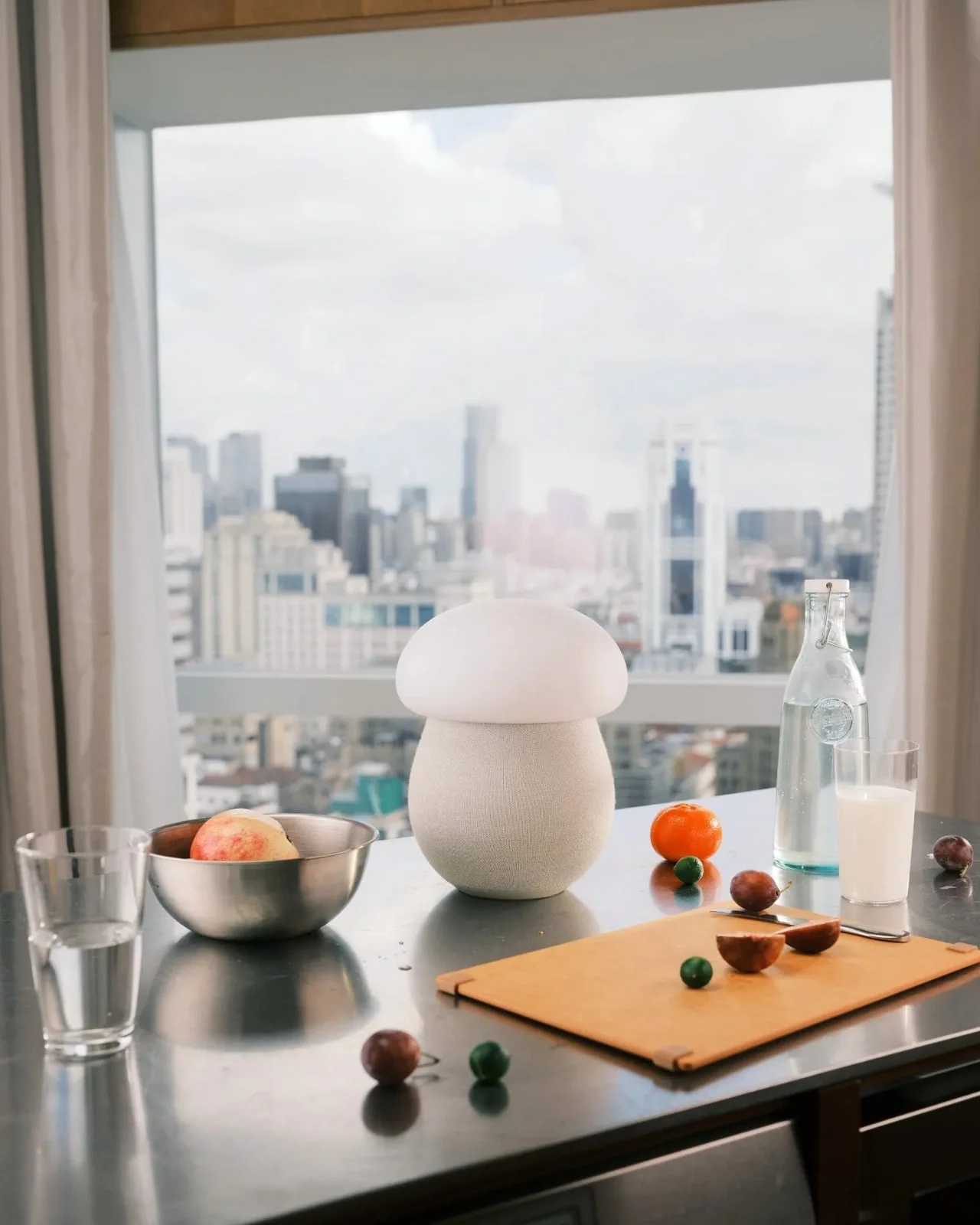
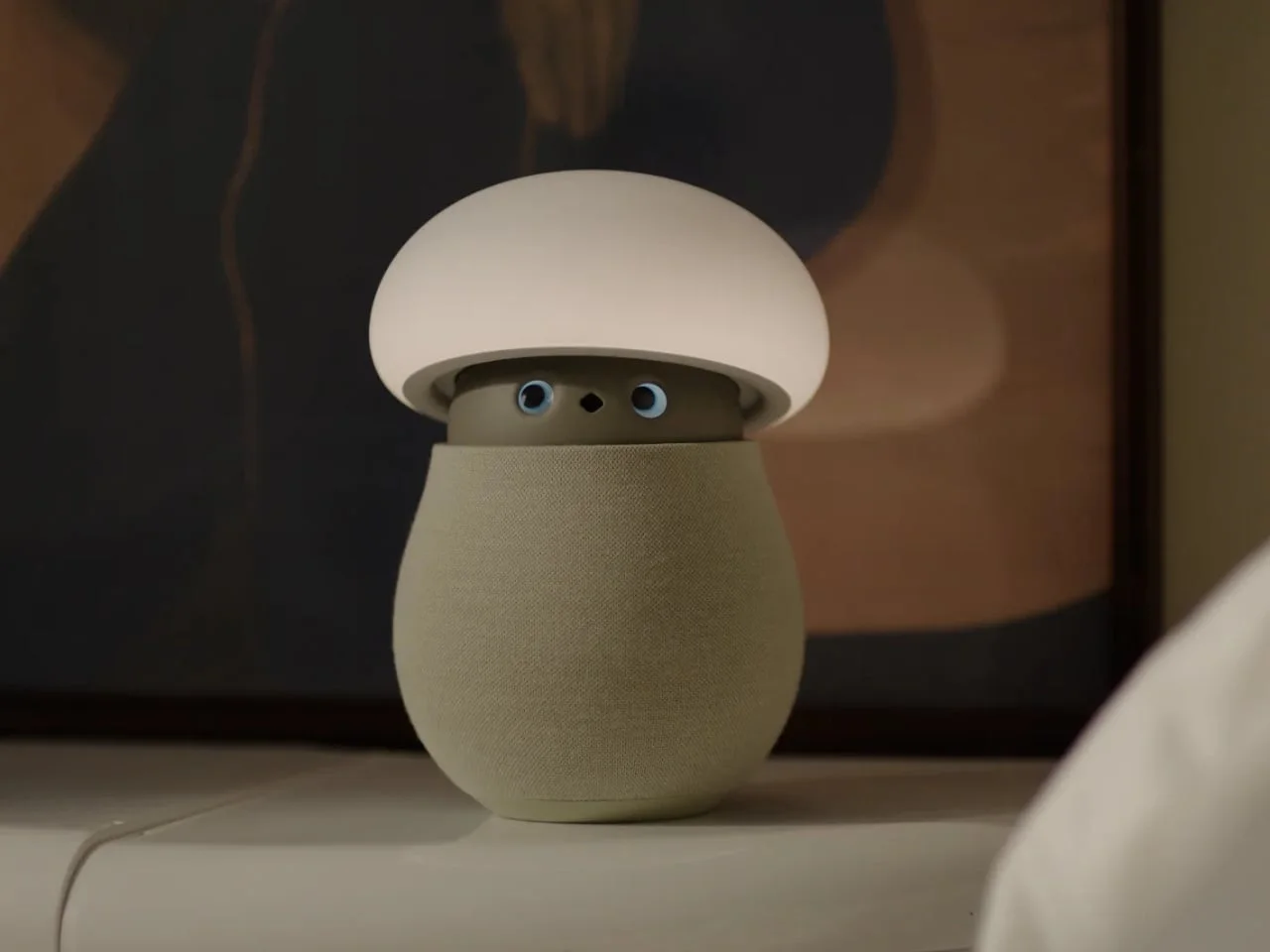
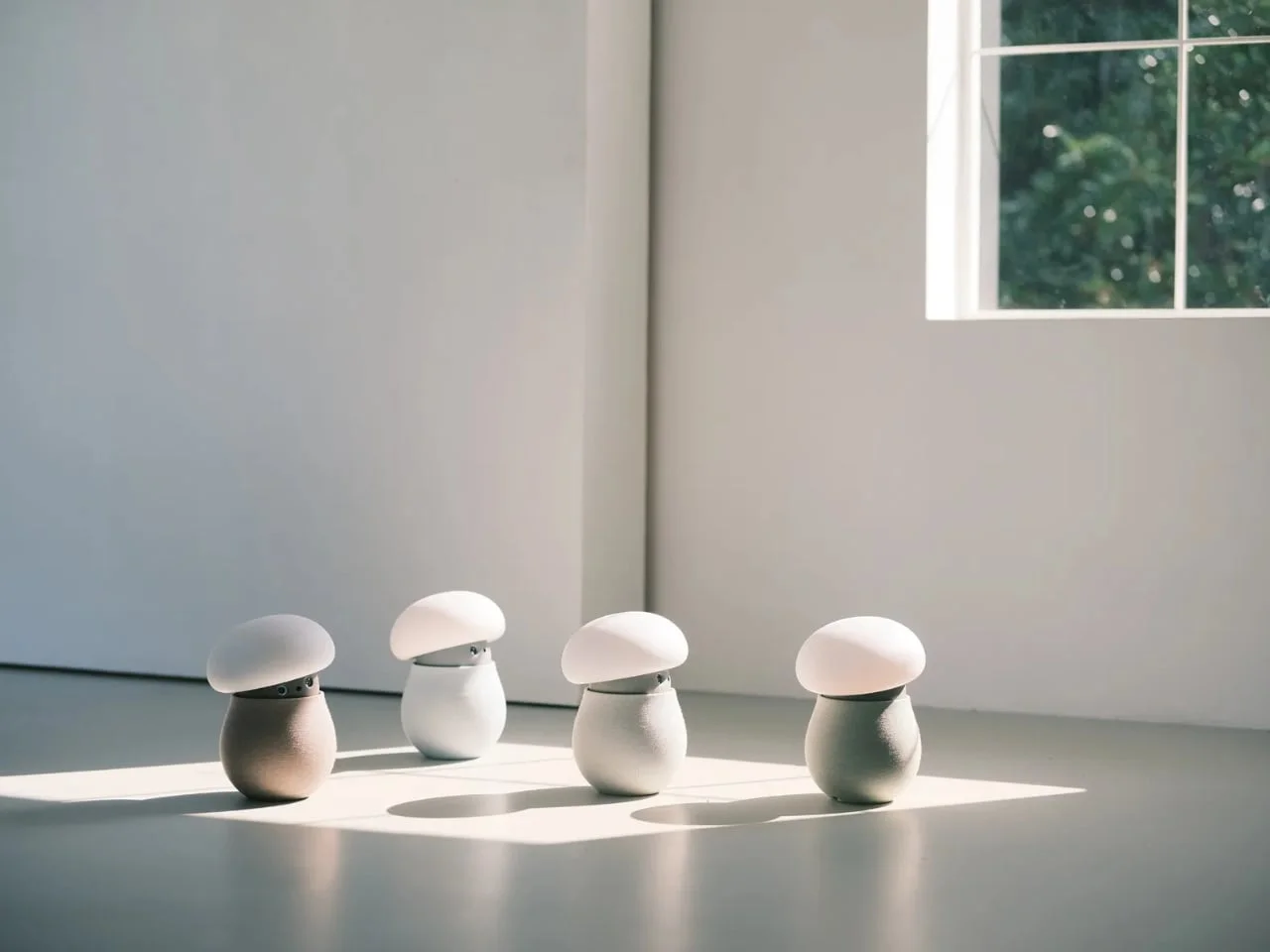
Mori stands just under 12 inches tall at its maximum height. Its broad, illuminated cap sits above a rounded body wrapped in fabric made with 25 percent real wool. Two eyes are set beneath the cap, giving the robot the look of a compact lamp with a character of its own. It’s an approachable form, and that matters: a household robot has to fit into a home before anyone cares what its AI can do. A familiar scale and soft materials also help frame the device as part of a room, rather than a machine that needs its own dedicated space.
Designer: OKA
Designed to Share a Room
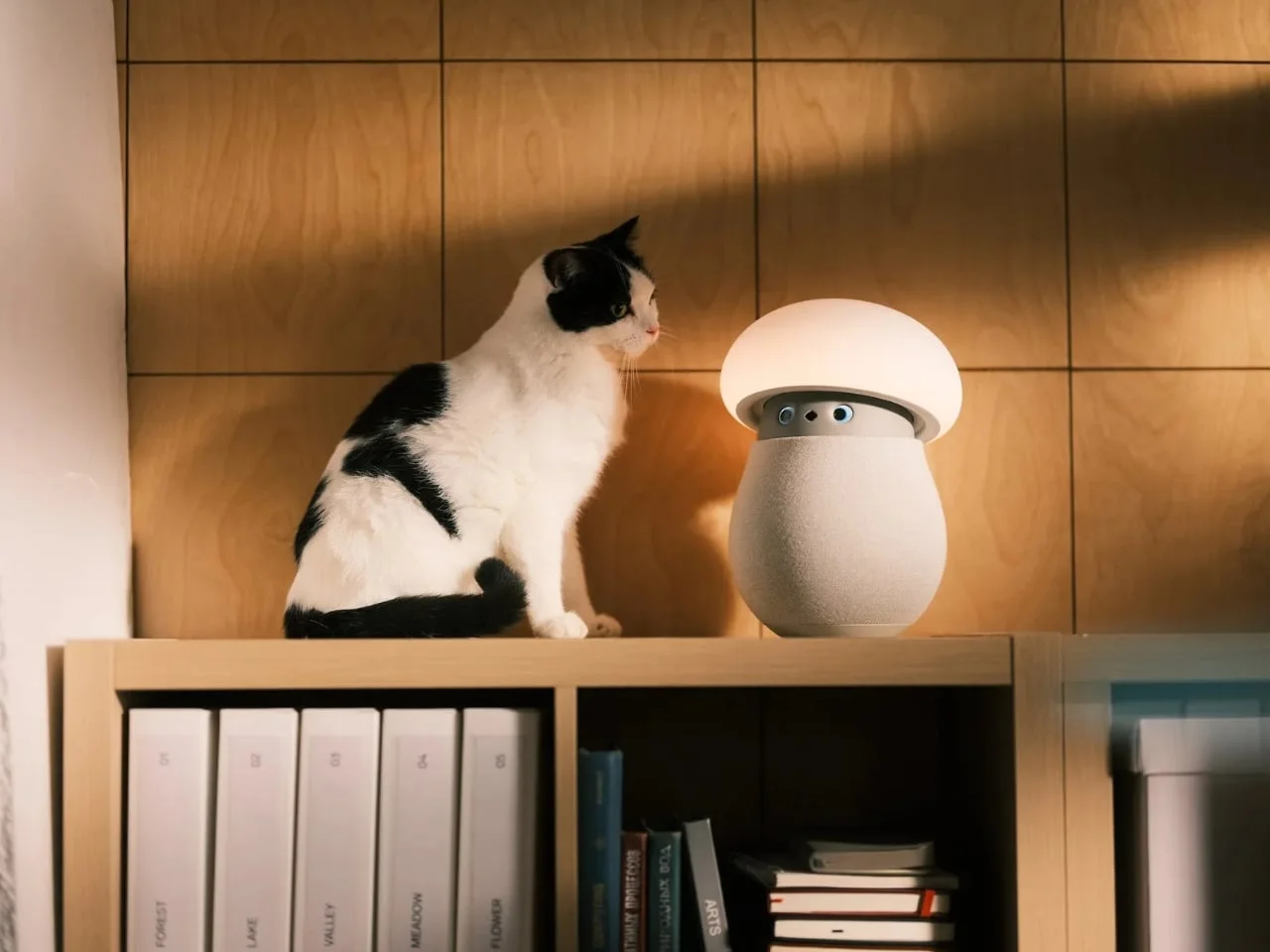
That home-first thinking comes from OKA cofounder Hua Wang, who said he spent a decade designing mechanisms that brought people back to their phones. Mori reflects a different goal: a robot that can live among furniture without becoming a large, intrusive machine. Its design suggests that a companion doesn’t need to hold a user’s attention constantly to feel present. That shift is more significant than it looks: the product’s success may depend as much on what it leaves out as on what it can do.
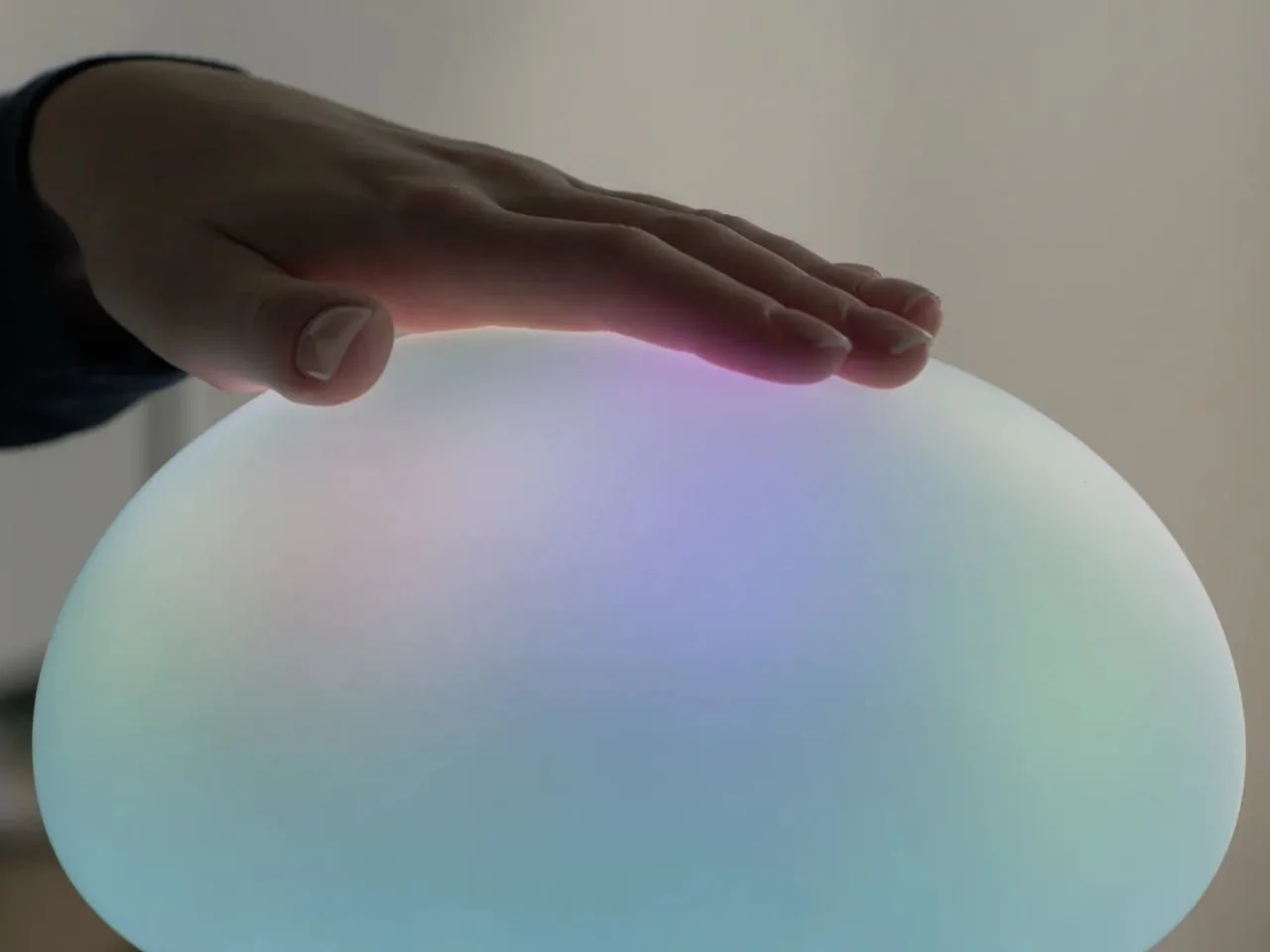
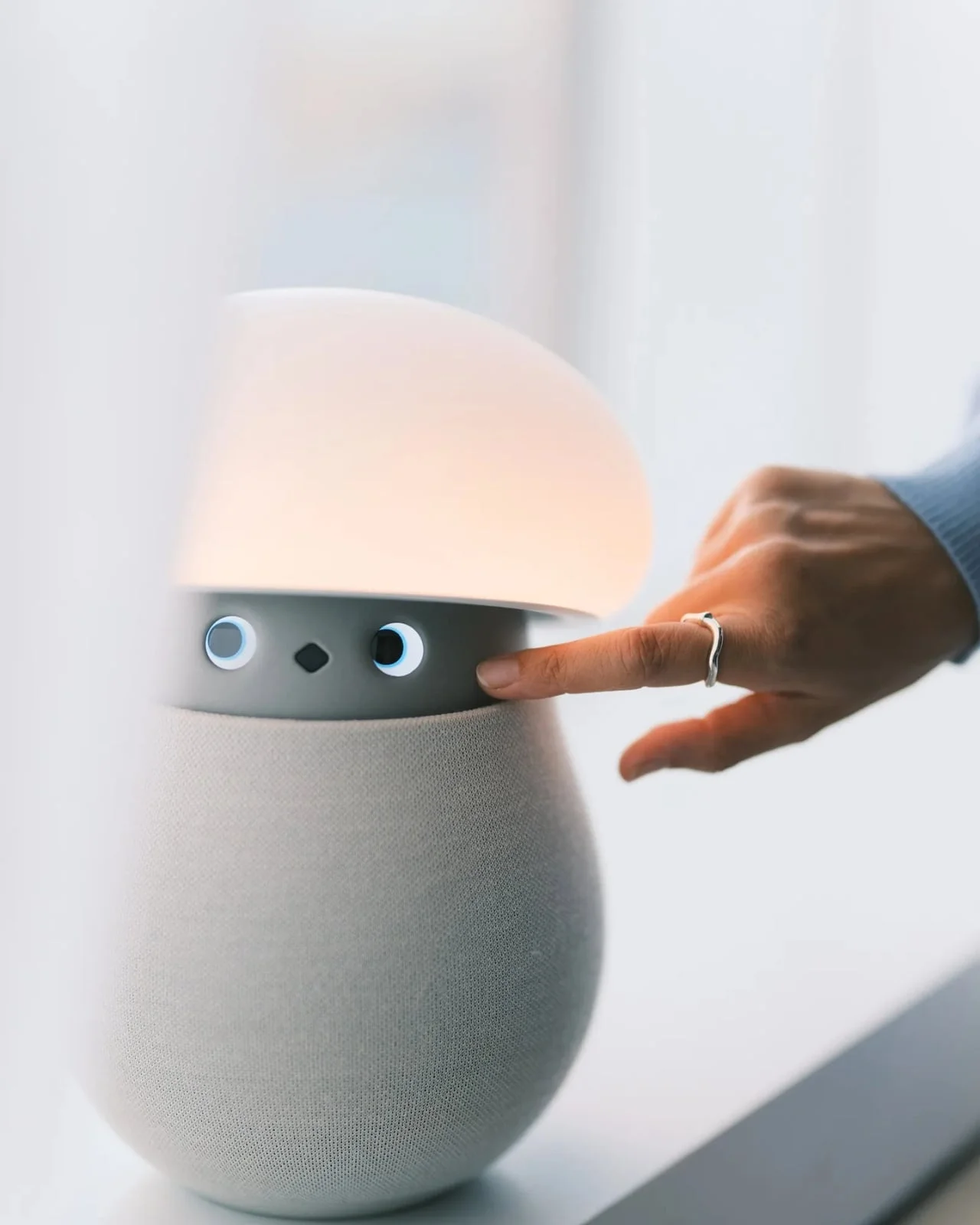
Interactions rely on touch and simple gestures. OKA says placing both hands on Mori’s base starts a guided breathing session. Patting its head retracts the cap and turns the robot into a lamp. Light and natural soundscapes accompany those moments. The controls suit the product’s purpose: a physical gesture can begin a break without the detour through an app, menus and settings. If you’re working in this space, that interaction model is a useful reminder that fewer steps can make a device feel more immediate, especially when the intended task is a brief pause rather than a long session.
Presence Without Conversation
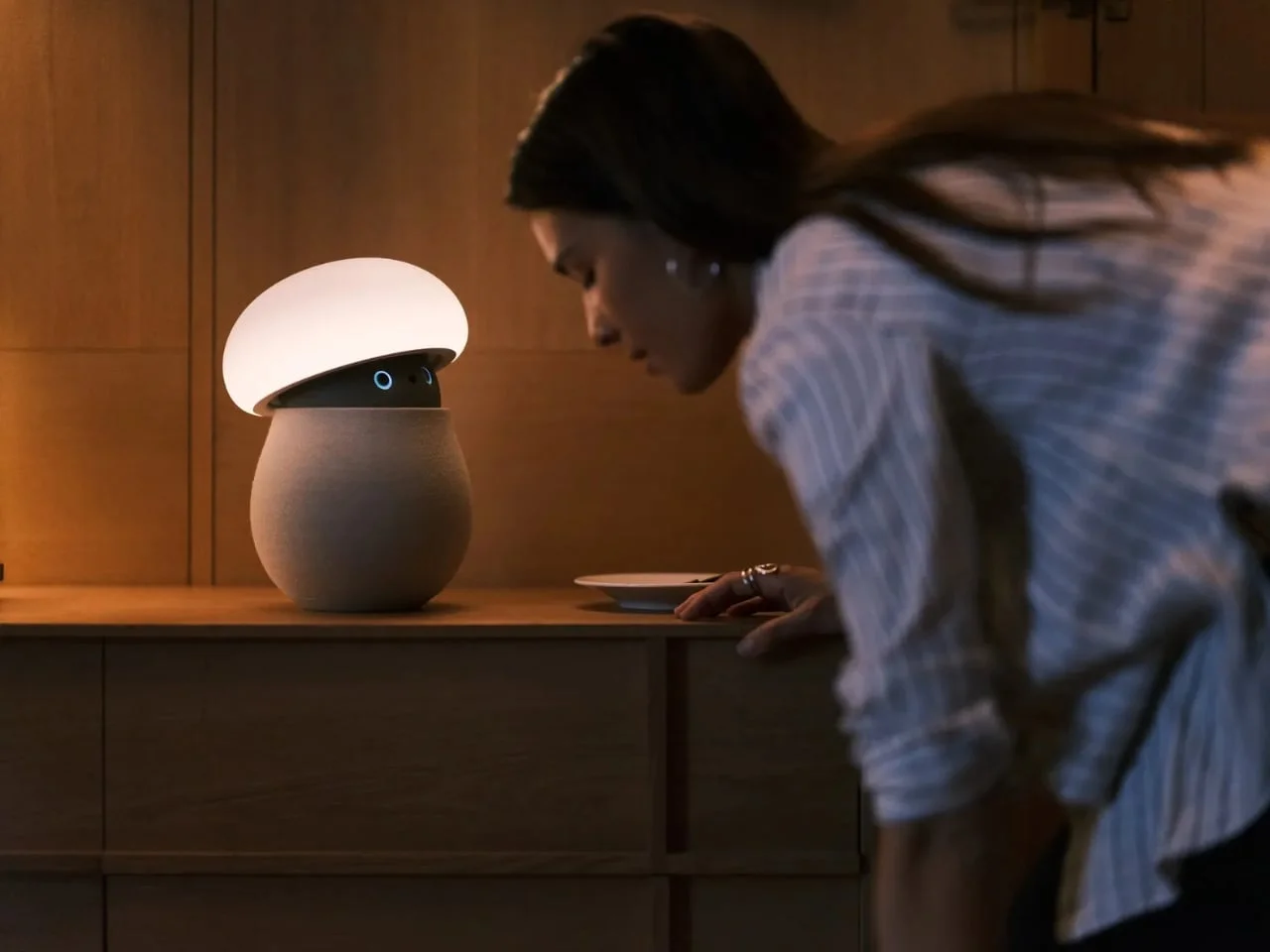
Mori communicates without words. Its expressions, sounds, lighting and movement carry the interaction, leaving owners to read its personality rather than answer it. For a bedside companion, that limit could be an advantage; a robot that never speaks can’t turn every encounter into a conversation. The lamp mode also reduces most companion reactions, giving users a quieter setting when they want one. A deliberate lack of speech makes the relationship less demanding, though it also puts more weight on small changes in expression and movement to keep the robot from feeling static.
There’s a practical question behind those expressive eyes: Mori senses people in the home. OKA’s privacy policy says its core AI runs locally and camera and microphone inputs are processed on the device. Raw audio and image frames are discarded after processing, though recognition information may remain locally so Mori can distinguish users. The policy also permits collection of account, device and diagnostic information. Local processing is a useful design choice, but prospective owners will still want to review the permissions and data terms (and this is the part most people overlook). The distinction between discarded raw inputs and retained recognition information is relevant to how people assess a sensing device that lives in a private room.

The Test After Novelty
OKA says Mori becomes more individual through repeated interaction. That claim will take time to assess. Repeated gestures might deepen a sense of familiarity, or settle into a predictable routine. The design challenge is to offer enough variation to keep Mori engaging without making it feel needy. Its quiet premise only works if the robot remains pleasant company after the initial novelty fades. A convincing demonstration will need to show how those interactions change over time, since an appealing first impression can’t establish whether a companion remains worthwhile in ordinary use.
First Access orders cost $649 before taxes and shipping. The price includes two years of the Nature Time subscription; OKA says core functions won’t require a paid plan and the included subscription won’t automatically convert to a paid one. That’s a substantial ask for a companion whose value depends on how it behaves day to day. Mori’s form already makes a convincing case as a lamp. Its longer-term test is whether the animated presence earns its space when no one is actively interacting with it. For buyers, the practical question is whether the breathing sessions, light and changing expressions become part of a routine, or remain features that are interesting mainly at first.
What Mori’s Approach Could Mean
Mori points toward a different measure of usefulness for home robots: not how many tasks they can perform, but whether they fit into daily life without adding friction. That’s a compelling premise, though the product still has to justify its price through repeated use. A quiet device can avoid the fatigue associated with alerts and screens, yet it also has fewer obvious ways to demonstrate value. The balance is delicate.
And yet, the concept’s restraint may be its strongest argument. If Mori can make a short breathing break feel natural and offer a calm presence the rest of the time, it could give people a reason to keep it nearby. If its responses become repetitive, the polished form may carry most of the experience on its own. A lamp with personality. Whether that’s enough is the question OKA will have to answer in people’s homes.
The post Mori the Mushroom Robot Offers Company Without Saying a Word first appeared on Yanko Design.



Discussion
Sign in to join the discussion.