AYN’s Odin 3 Portal pairs a 120Hz OLED with ergonomic controls, active cooling and up to 1TB of storage, starting at $399.
A large-screen Android handheld
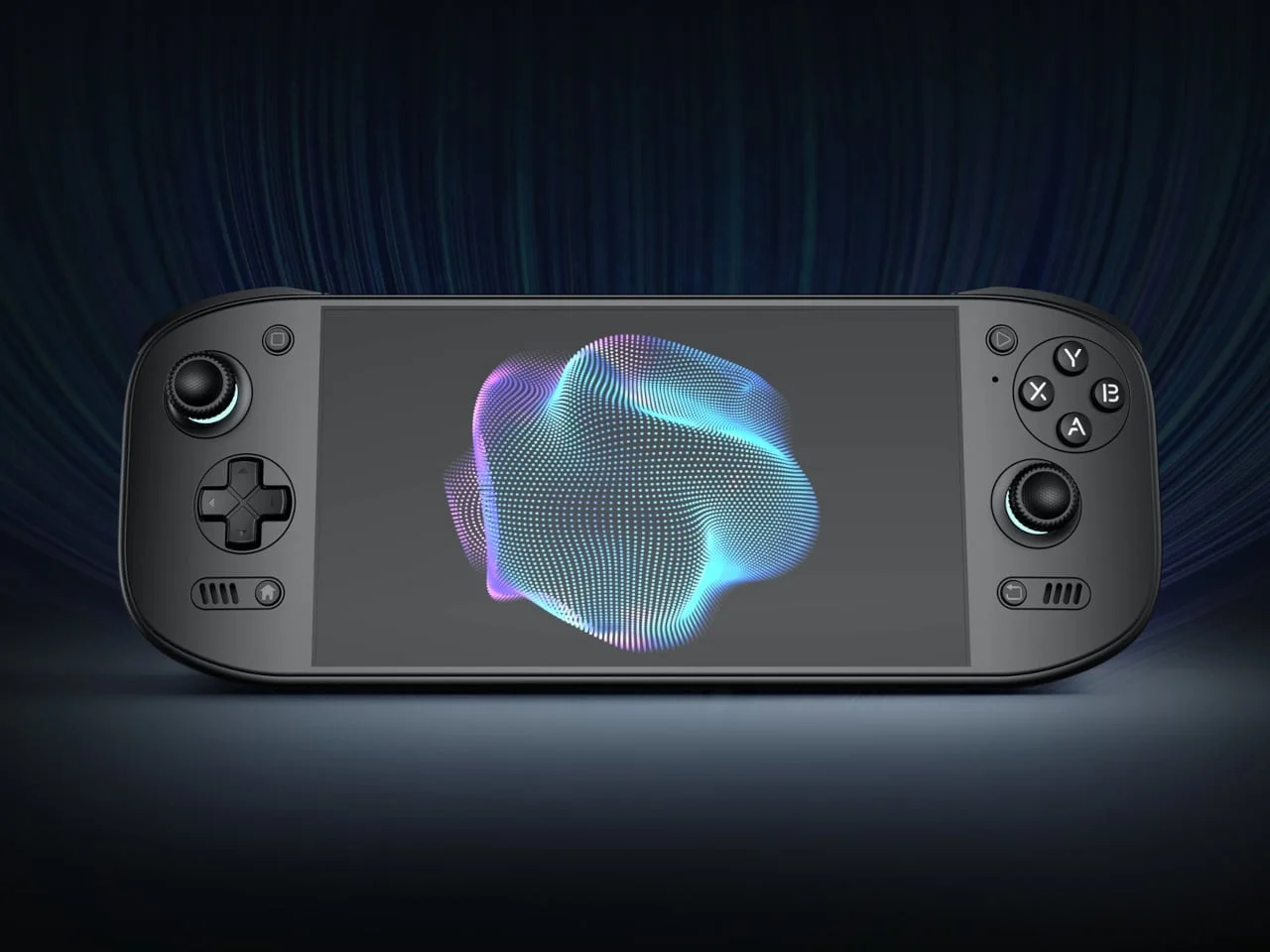
AYN’s Odin 3 Portal makes its case through a useful pairing: a generous 7-inch display on the front, with sculpted grips and physical controls shaped around the hands. It’s an Android handheld available for preorder, with launch pricing from $399 and shipping expected to start in early November 2026. Those details place it in a familiar category of portable gaming devices, where screen size, ergonomics, and the ability to run Android software all shape the pitch.
The Portal’s design puts the screen and controls on one broad front surface, then uses the rear casing to give the hands more support. That’s a sensible approach for a device likely to be used for longer sessions than a phone, but a larger display also makes the overall shape and weight harder to ignore. This is more significant than it looks: a handheld’s comfort is part of its everyday performance, because awkward grips can limit how long people want to play.
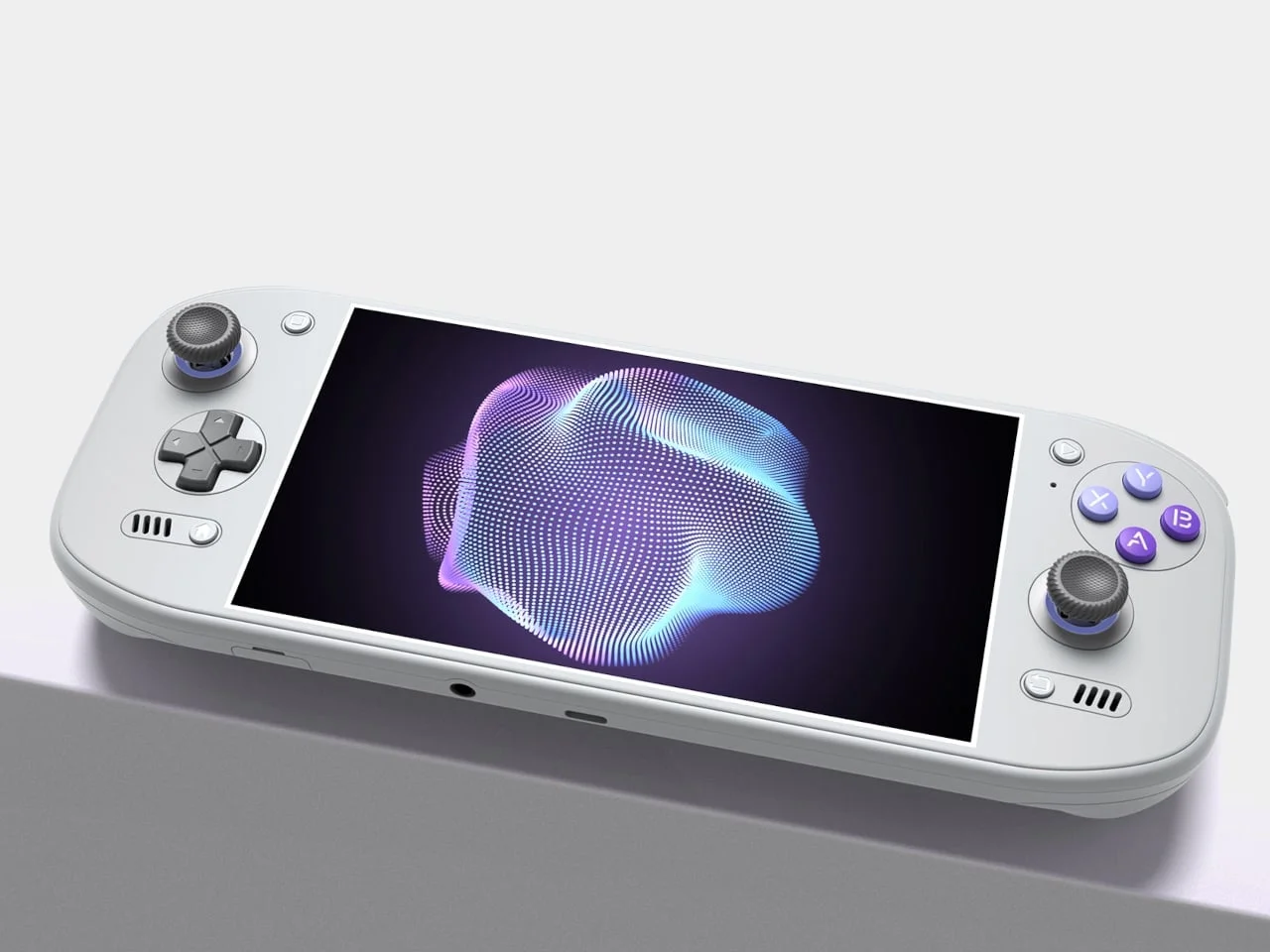
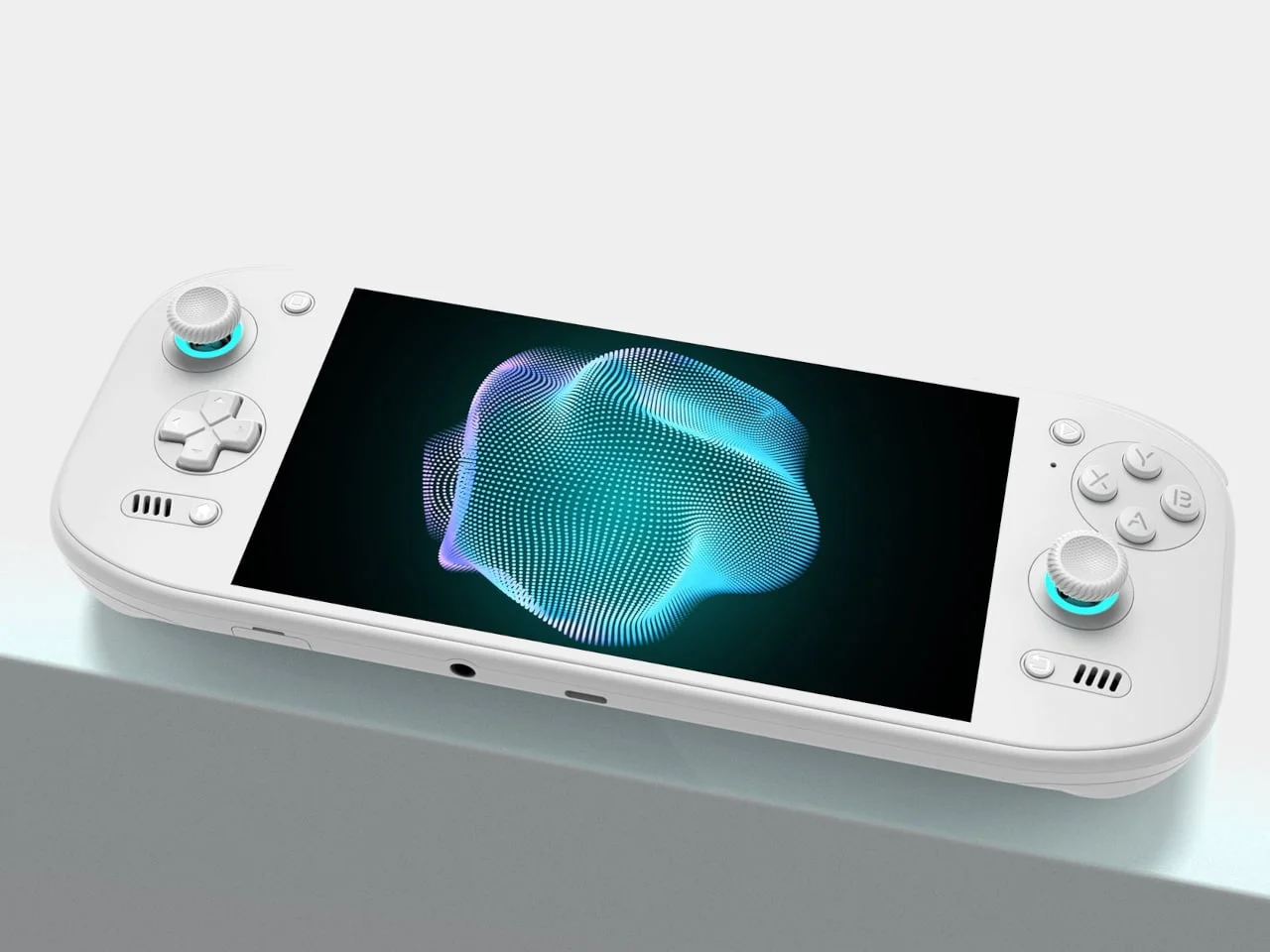
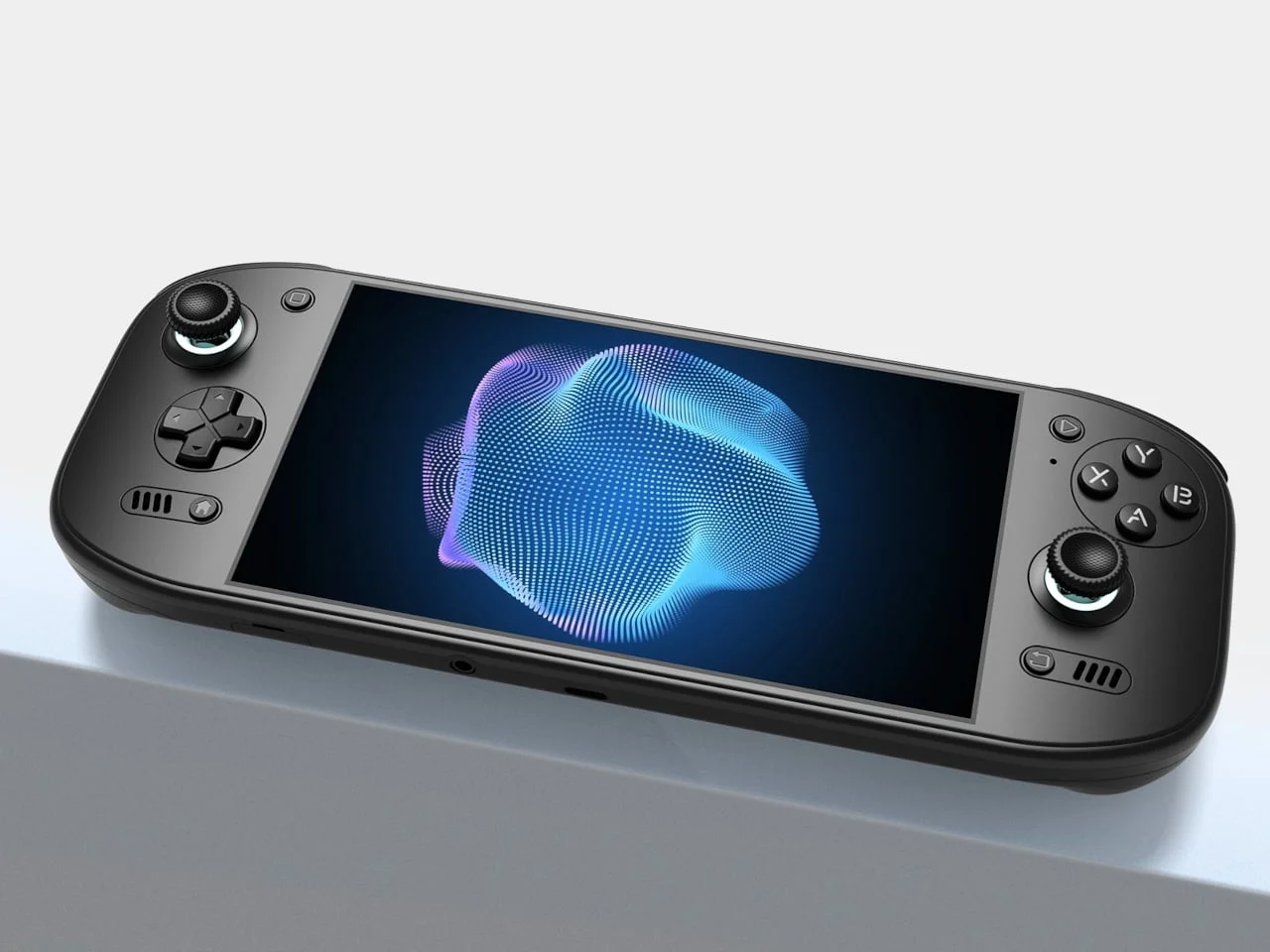
Its glass-covered front creates a broad, flat surface across the screen and control areas. Black visually blends the display into the body, while White and Cold Grey make the panel’s edges more apparent. The Cold Grey model’s purple buttons add a retro note without copying a specific console’s look. These finish choices affect the device’s visual character, though they don’t change the practical trade-offs of a screen that occupies much of the front.
Designer: AYN
Controls and display
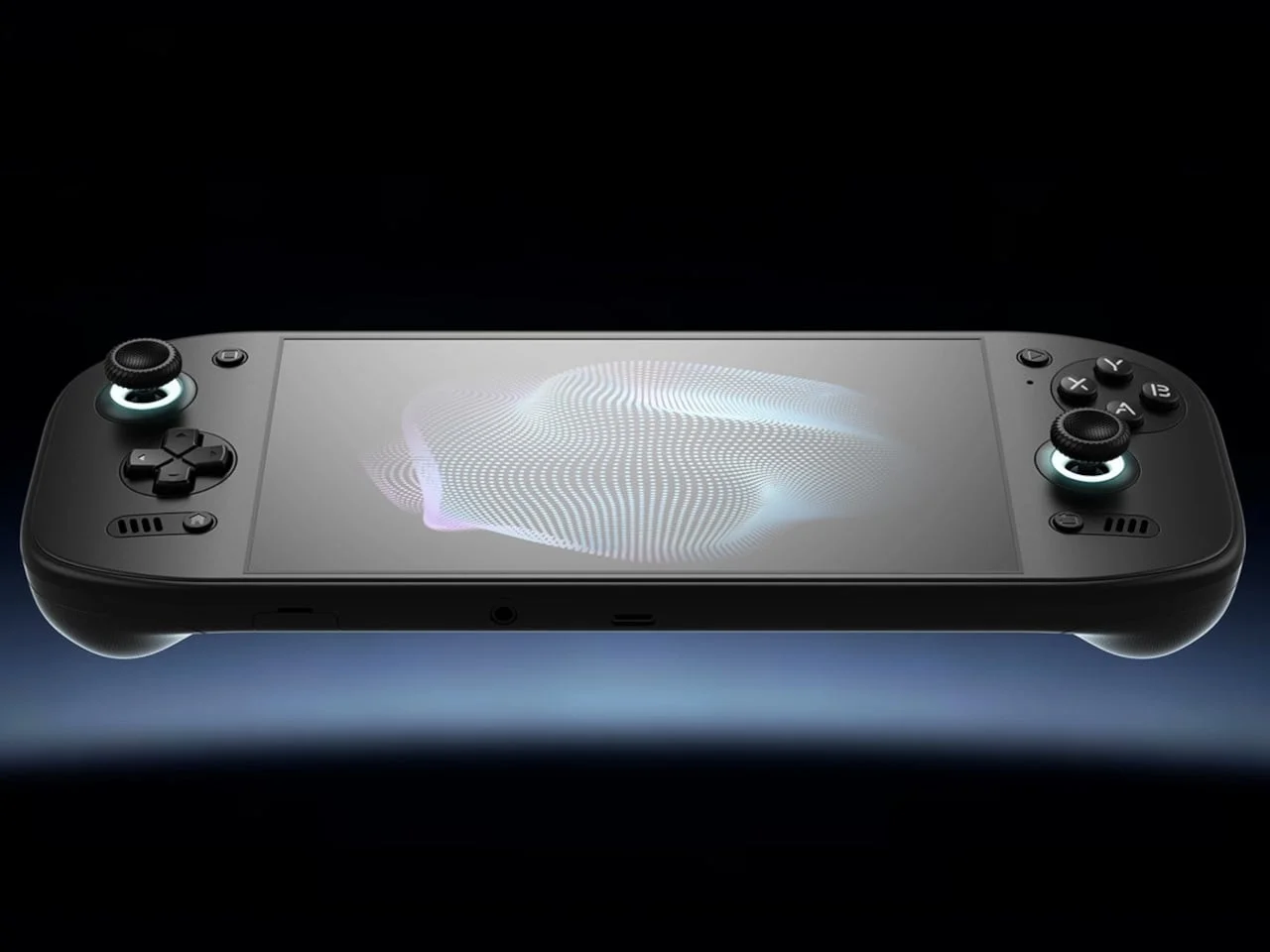
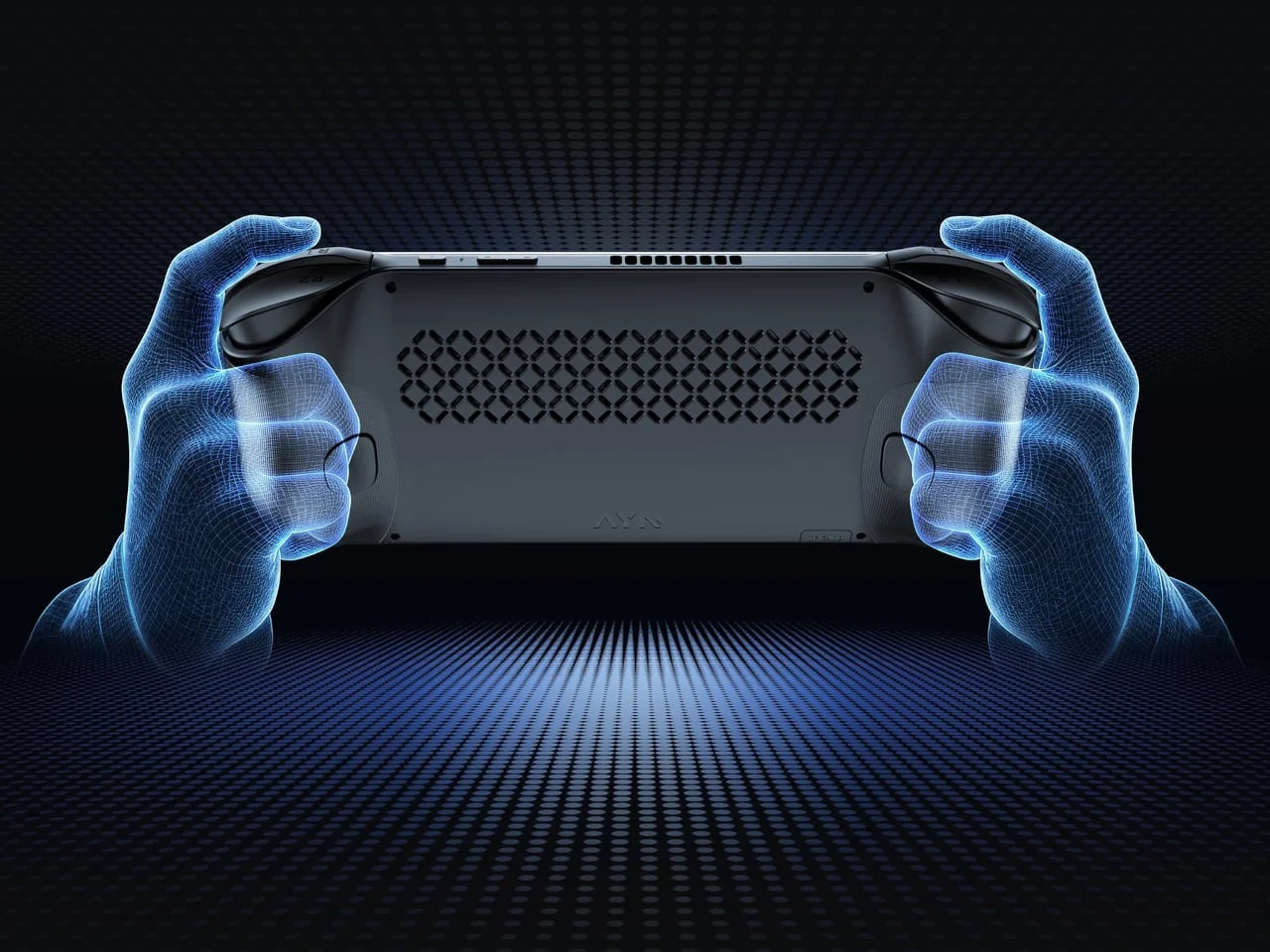
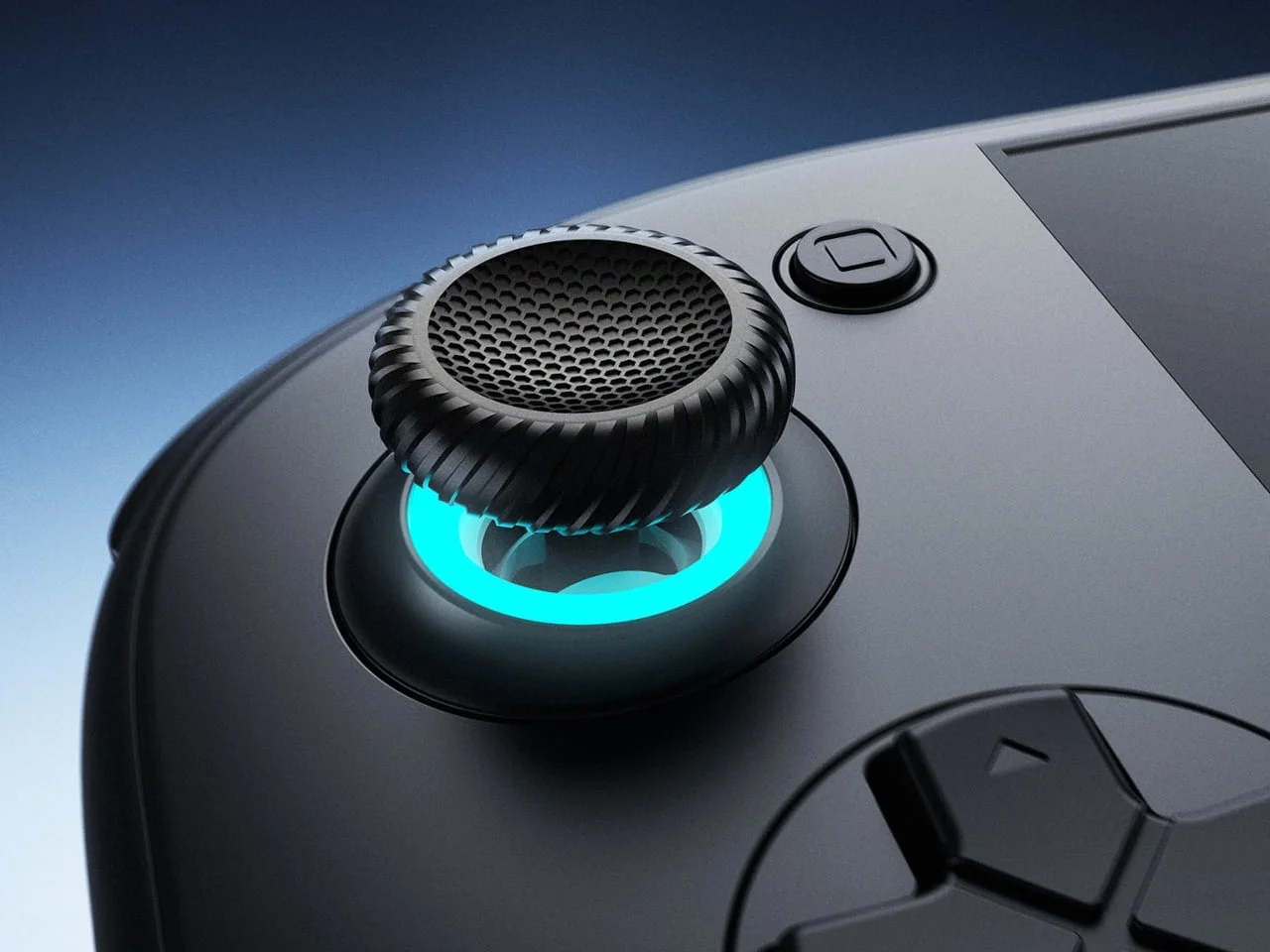
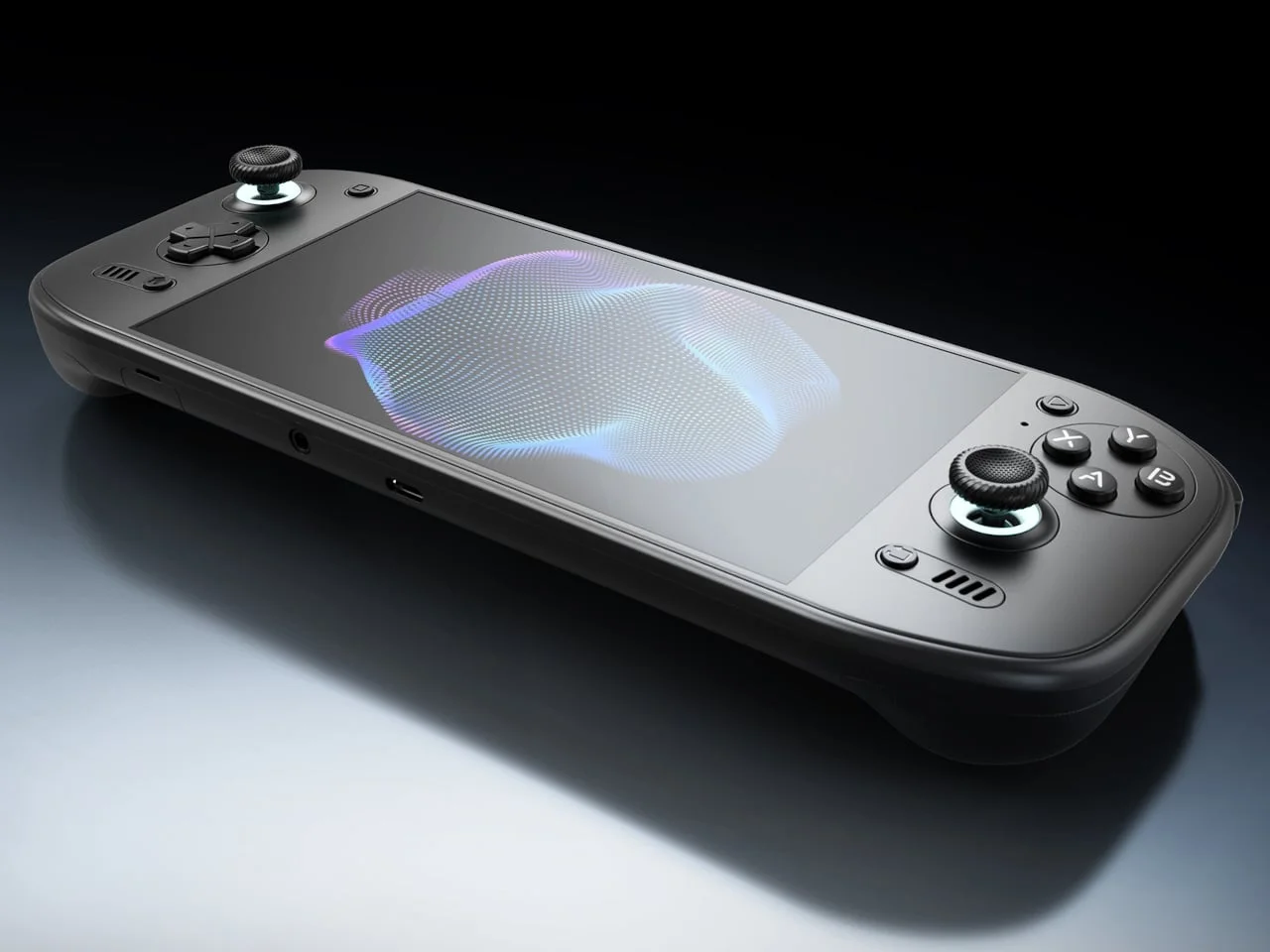
The rear casing curves outward to support the palms, with textured shoulder buttons positioned for the index fingers. Full-size Hall-effect sticks have ridged edges, and a dome-shaped D-pad sits beneath the left stick. Those choices point to comfort and control as design priorities, though fit will vary with hand size and play style. The layout can be assessed from its shape, but real comfort depends on how the grips meet different hands and whether the controls fall naturally under the thumbs.
Hall-effect sticks are a familiar feature in gaming hardware, where magnetic sensing is used instead of the contact mechanism found in conventional stick designs. Their inclusion signals attention to the controls, though the description alone doesn’t establish how they feel in play or how they’ll hold up over time. If you’re working in this space, the practical question is whether the stick height, spacing, and grip contour suit the games you actually play.
The 1920×1080 OLED runs at up to 120Hz, giving compatible games the option of smoother motion on a screen larger than many handheld displays. That refresh rate is a capability, not a promise that every game will reach 120 frames per second. Performance and battery use will depend on the title and selected settings. A high refresh ceiling can make fast movement look clearer when a game can sustain it, but it also gives buyers a specification to interpret carefully rather than a guaranteed experience.
Here’s the thing: a large, high-refresh display only pays off when software and hardware can make good use of it. For games that run at lower frame rates, the OLED’s size and contrast may matter more than the maximum refresh rate. The panel is the Portal’s most visible feature, but it’s only one part of how the device will feel day to day.
Hardware, battery and configurations
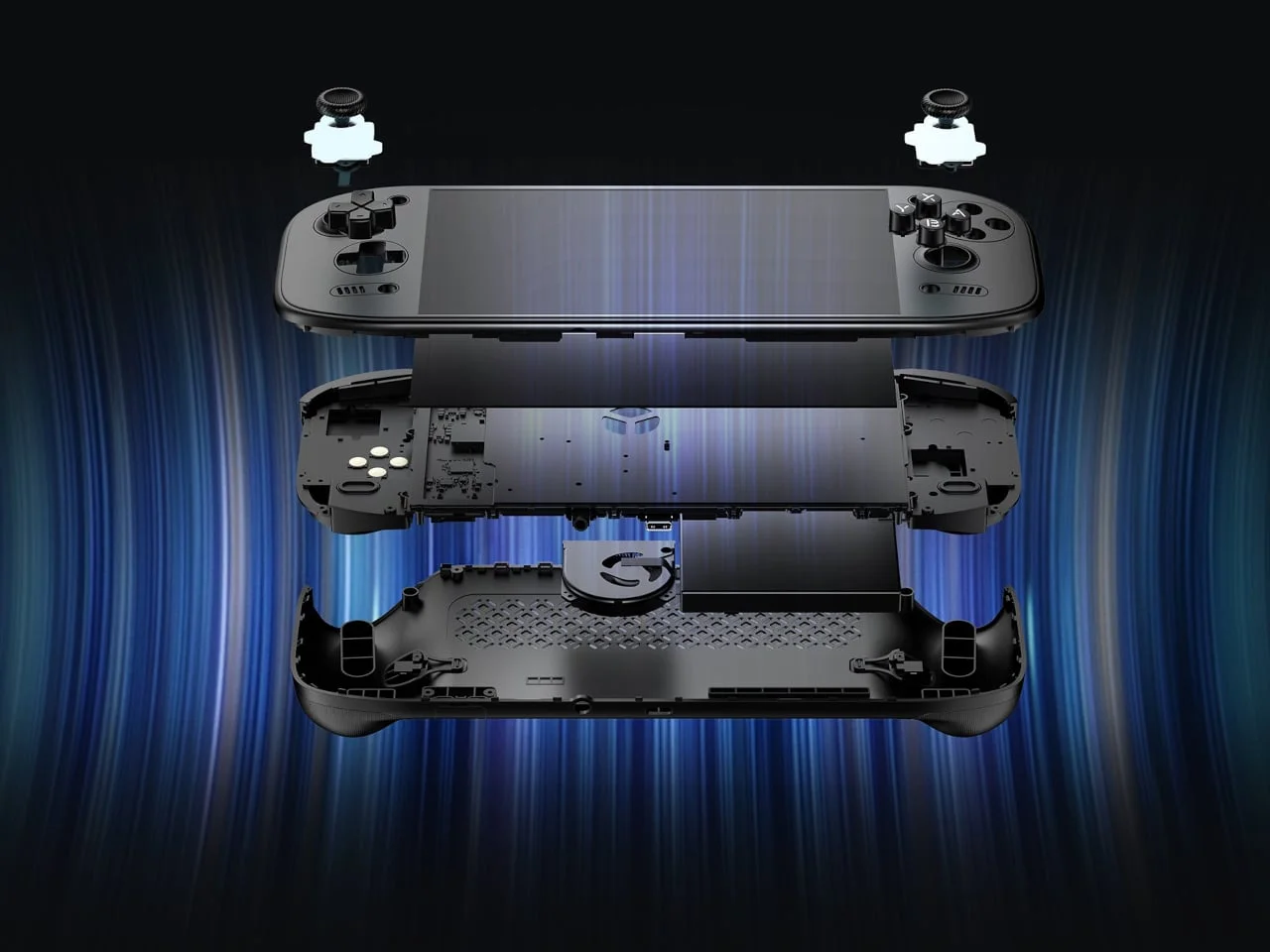
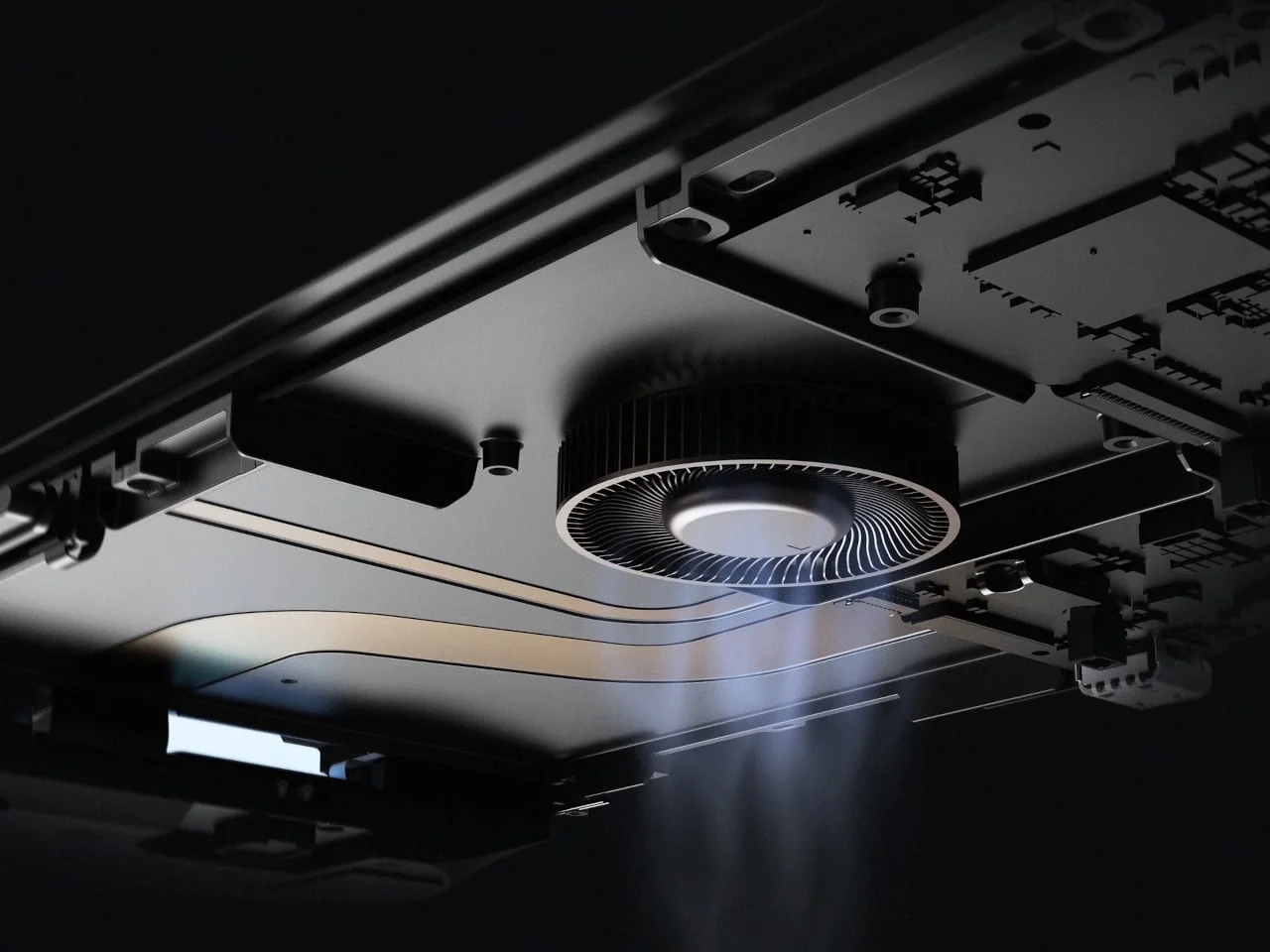
Qualcomm’s Dragonwing Q8 processor runs Android 15, with active cooling managing heat. A large grille on the back gives the fan room to move air; covering it against a cushion could impede that airflow. Active cooling is a practical response to heat in a compact device, though it introduces a fan and makes the placement of the rear vents relevant during use.
The 9,000mAh battery supports 60W charging, but capacity alone doesn’t determine how long a session lasts. Game demands and display settings affect runtime. That said, a large battery and fast charging address different parts of the ownership experience: capacity can provide more room for a session, while charging speed matters when it’s time to plug in. Neither specification establishes real-world endurance on its own.
At about 15.9 ounces, the Portal also carries noticeable weight for a device meant to be held through extended play. That weight may be manageable for some players and tiring for others, particularly if they tend to play while lying down or holding the device without support. A 7-inch screen and sculpted grips make a clear design statement; the hands still get the final vote.
Configurations range from 128GB of storage and 12GB of RAM to 1TB and 16GB. A microSD slot lets buyers expand storage later, and AYN says no games come preinstalled, so users will need to bring their own library. That last detail matters for anyone expecting a device to arrive ready with games: the Portal’s hardware is a platform, while the software and game collection are up to the buyer.
The base model starts at $399; the 1TB version costs $669. Both share the same screen and processor, making the higher price a choice about built-in memory and storage. With microSD expansion available, the main trade-off is how much space to have onboard from day one. Buyers who already manage a digital library may value the flexibility, while people who want a simpler setup may prefer more built-in capacity.
What the design says about the trade-offs
The Odin 3 Portal brings together a large OLED, physical controls, Android software, active cooling, and a substantial battery. Each choice supports a particular use: the display gives games more room, the grips aim to make that size comfortable, and the cooling system has to move heat away from the processor. The combination sounds considered, but its appeal will depend on how those parts work together in actual use.
(and this is the part most people overlook) Specifications don’t tell you whether the weight stays comfortable, whether the fan is noticeable, or how often you’ll need to charge during the games you play. Those are the questions that turn a compelling product listing into a useful daily device. Hard to judge from a spec sheet.
For now, the Portal’s clearest case is its combination of a 7-inch, 120Hz OLED and hand-focused controls, starting at $399. Its configuration ladder gives buyers a choice between lower upfront cost and more onboard memory and storage, with microSD expansion as another option. The expected early November 2026 shipping date gives prospective buyers a stated timeline, but the product’s real strengths will be clearer when people can use it for extended sessions.
The post AYN Odin 3 Portal Handheld Pairs a Flat Glass Front With Sculpted Grips first appeared on Yanko Design.

Discussion
Sign in to join the discussion.