Create a room focal point with textured wall panelling, a styled fireplace or glazing that frames a garden or patio view.
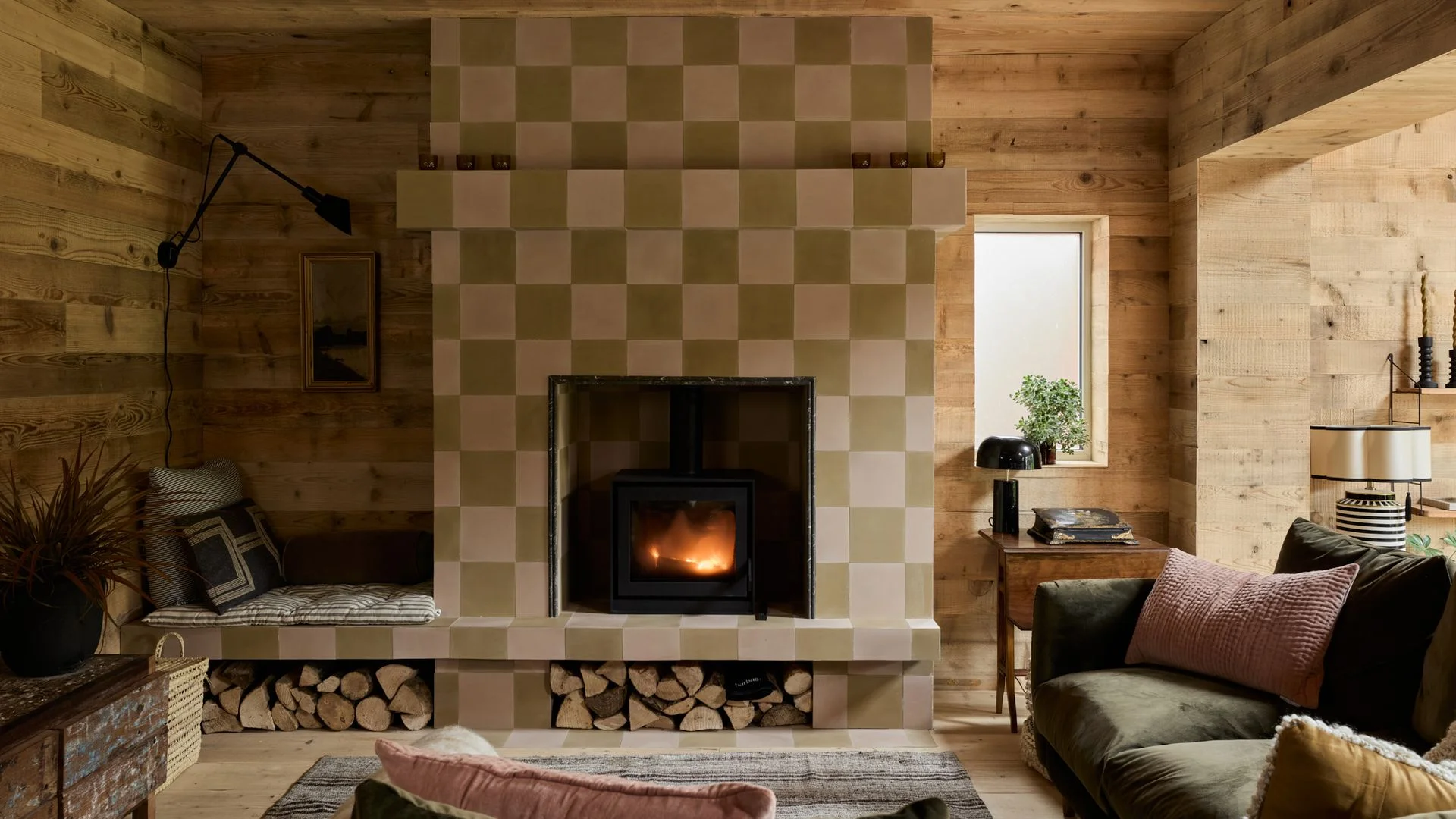
A room doesn’t need period details to have a point of view. What it needs is something that gives the eye a place to land: a fireplace, a stretch of textured wall, a distinctive light or a view framed by glass. Older homes may already have exposed beams, fireplaces, mouldings or original windows to work with. In newer houses—and older ones stripped of their original character—you may have to create that interest yourself. The useful part is that a focal point doesn’t depend on a particular house style. A few considered choices can give almost any room more personality.
Give a wall some presence
Wall panelling can shift a room’s character quickly, whether you choose formal period-style panels or rougher boards with a cabin feel. It’s also one of the current interior design trends with a practical advantage: the wall itself becomes the feature.
Ian Tomlinson, managing director of Chaunceys Timber Flooring, says timber cladding is gaining attention for the warmth, texture and character it brings indoors. Full-height panelling makes a stronger statement; half-height treatment keeps the effect more restrained. Both, he says, remain enduring options.
Tomlinson also points to demand for natural finishes in wall panelling, including reclaimed timber with visible knots and grain. Oak and lightly stained woods suit softer, contemporary schemes, while wider boards and vertical layouts can make a room feel taller and more open. That can work in compact rooms as well as open-plan spaces.
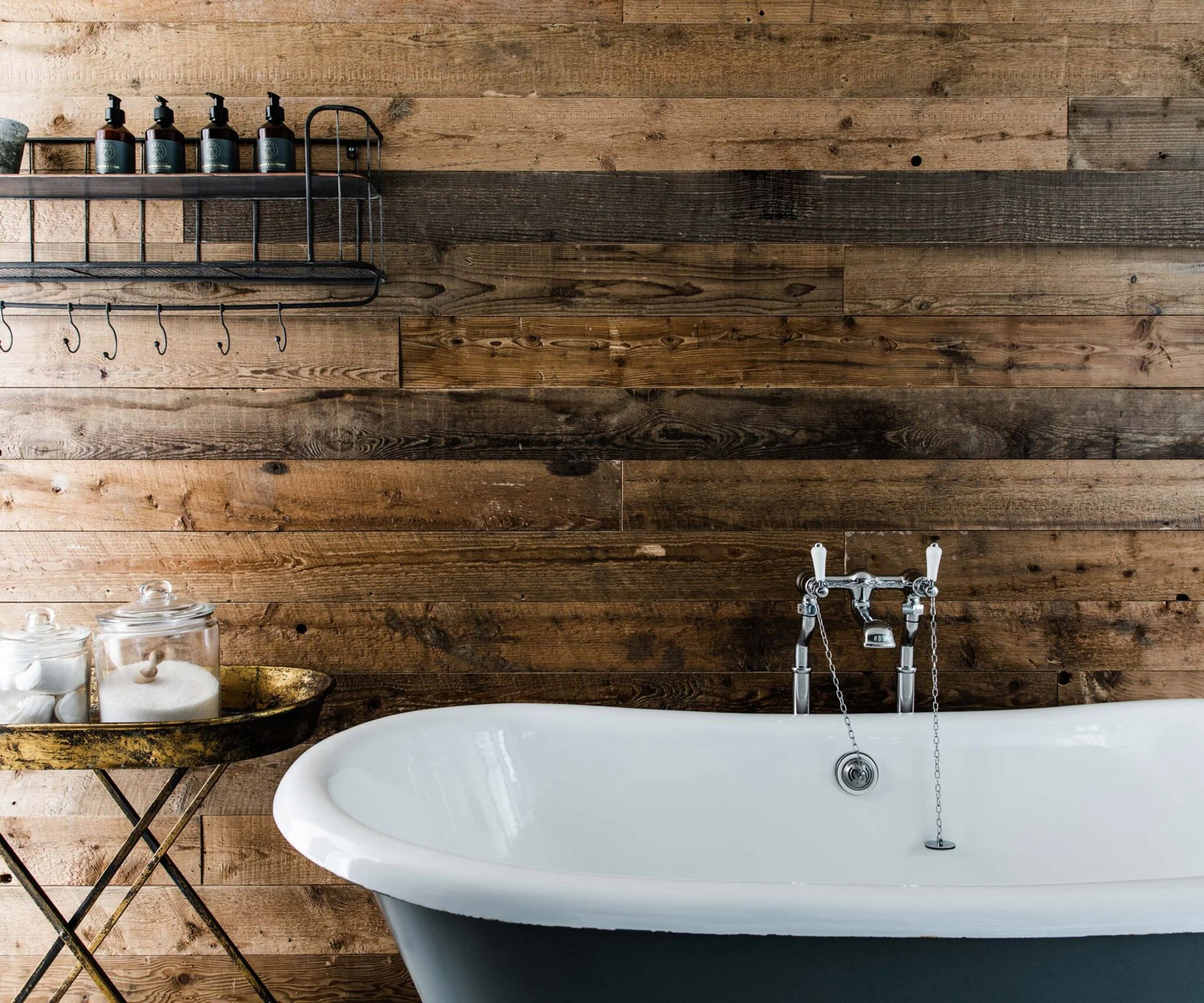

These walnut slats bring a modern look and instant character to a wall. Their “echo elimination” design is also intended to help with soundproofing.
Make a fireplace the room’s anchor
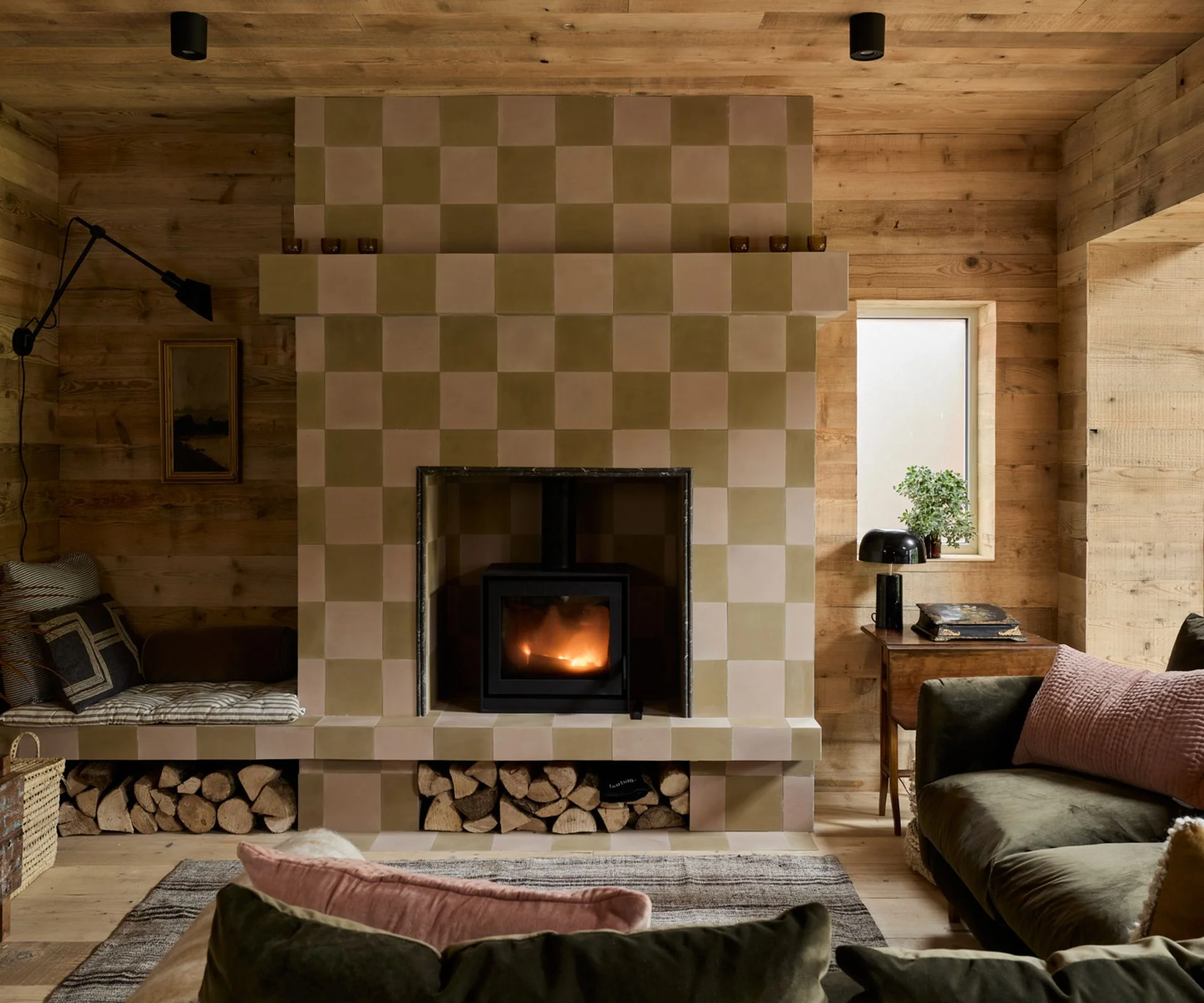
A fireplace can bring a room warmth and atmosphere even when there’s no working fire. The surround and styling do much of the visual work; browse these fireplace ideas for possibilities.
No chimney? You can still create the look with a ready-made surround fixed to the wall, or build one yourself. Arrange logs, flowers, candles or other ideas for an empty fireplace inside, and the feature can read as intentional even without a fire.
If your home already has a fireplace opening, bring it back into focus with a surround that suits the house’s period, or renovate the structure that’s there.
Frame a view with glass
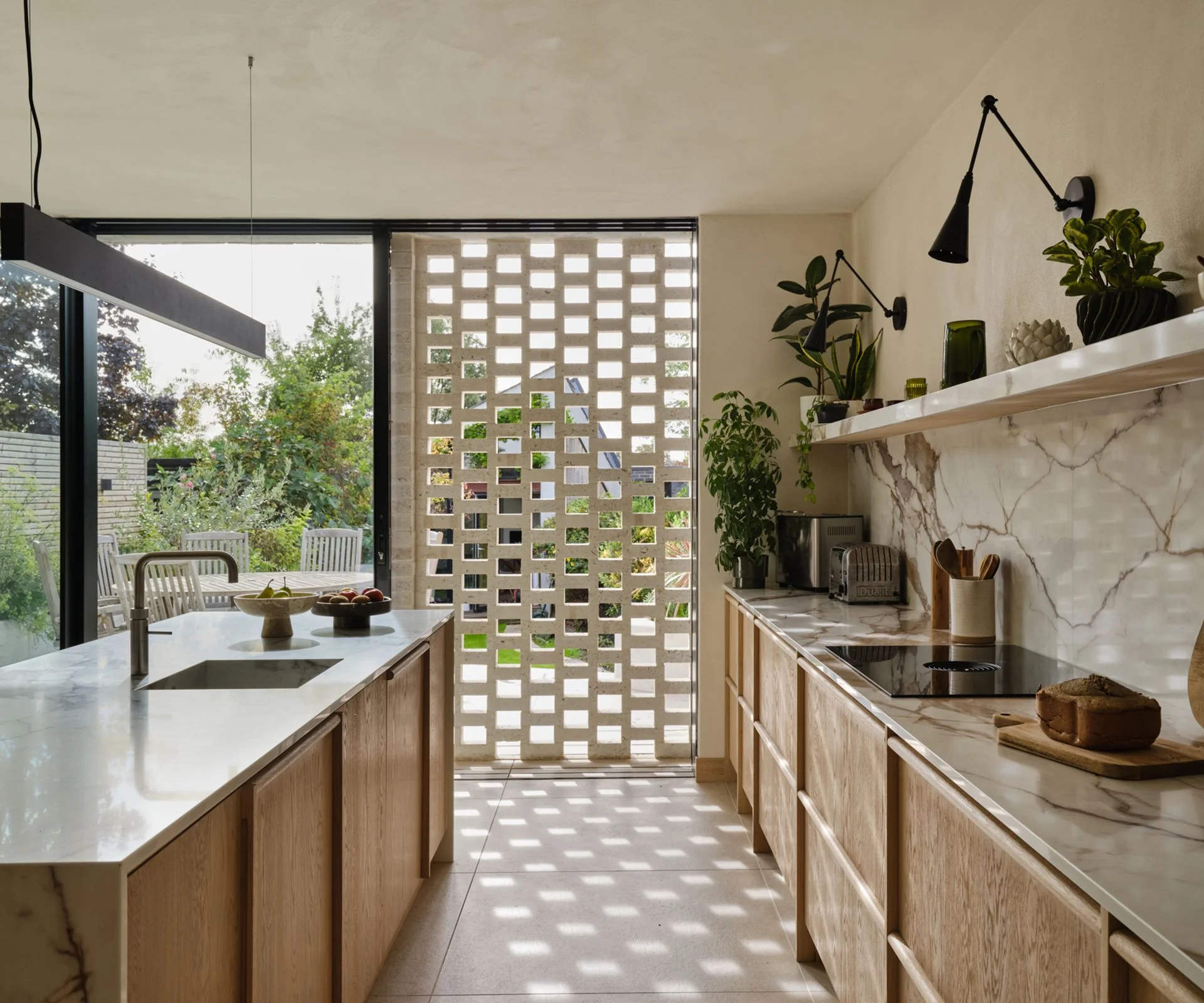
A view can do the work of a decorative feature, especially when a room lacks strong architectural details. It doesn’t have to be a sweeping landscape, either. A well-framed patio or garden can provide a scene that feels almost like artwork. This guide explains how to use glazing to frame a view.
The right solution depends on the room and what lies beyond it. Options include high-level clerestory windows, broad expanses of slimline sliding doors, fixed picture windows or a circular window. The point is to make the view feel composed, rather than incidental.
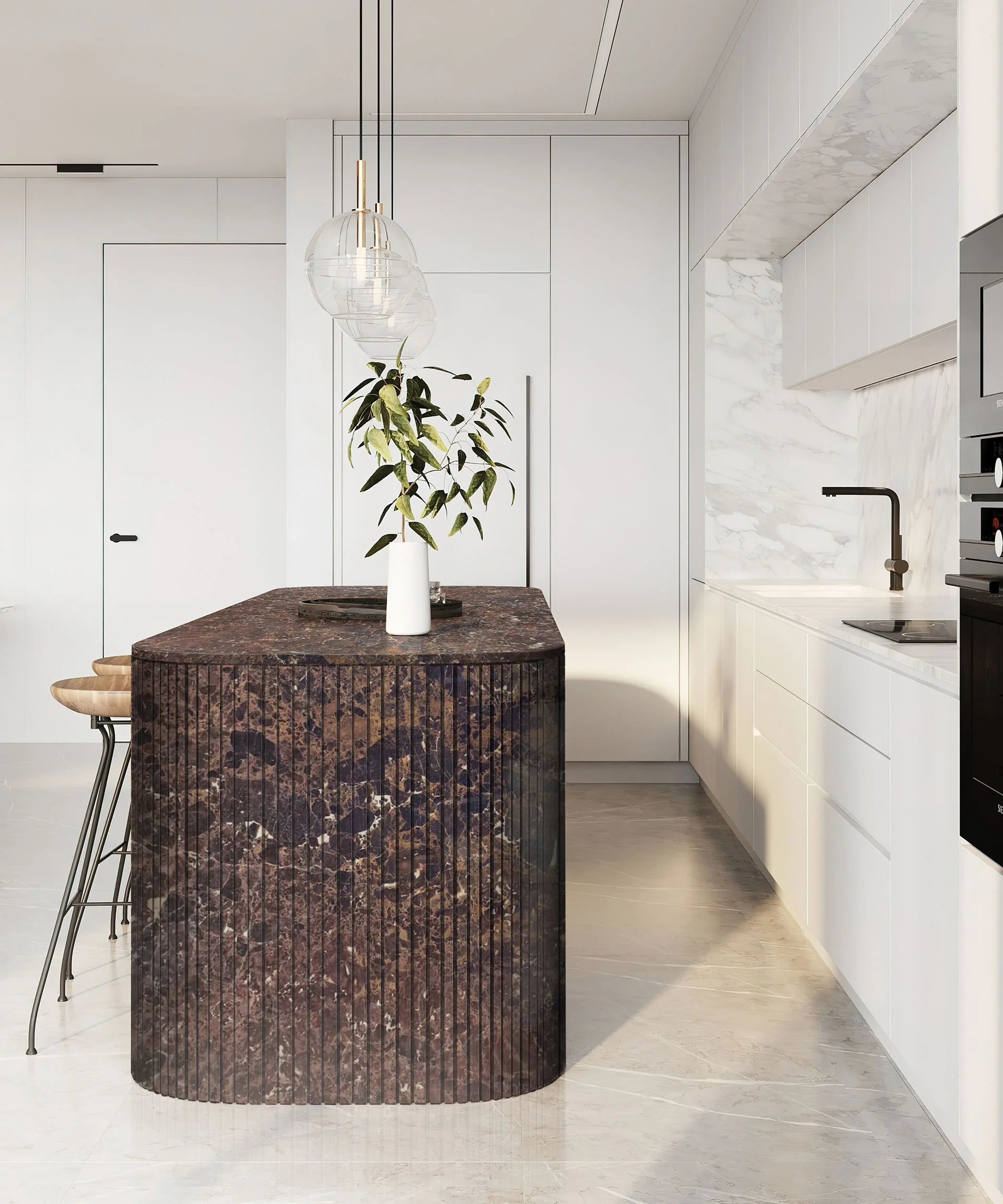
Let the kitchen island carry the focus
Kitchens are already full of competing details, so adding another feature without a plan can make the room feel crowded. An island is a useful way to concentrate the activity: it can add worktop space and storage, house appliances and become the room’s visual centre. See these kitchen island ideas.
For a more striking island, Oli Webb, director at Cullifords, recommends using distinctive natural stone. Its colour, texture, veining and individual markings can make an island, splashback or worktop the feature. Keeping nearby cabinets simple lets the stone stand out.
Use tile as a feature, not just a finish
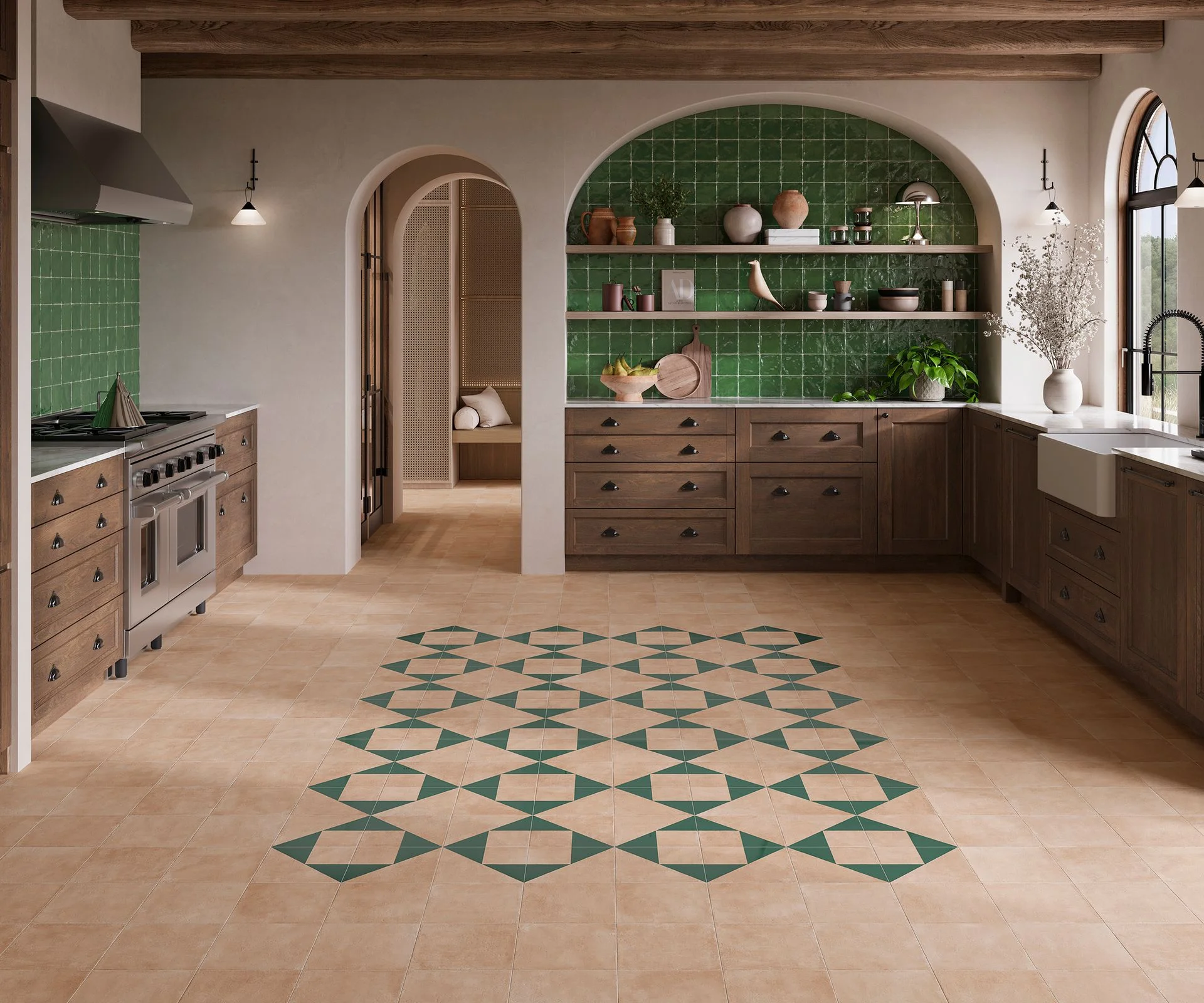
Tile can be the main event rather than a neutral surface behind the rest of the room. A patterned floor or tiled wall can give a new home some of the character it may lack; this account explains how to add character to a new home.
Richard Skeoch, company director at Hyperion Tiles, says homeowners are taking tiled surfaces beyond kitchens and bathrooms. He’s seeing them in hallways, bedrooms, boot rooms, fireplaces and living areas. The question, he says, is shifting from where a hard-wearing finish is needed to where tile might add something to the design.
In those unexpected locations, tiles can bring colour, texture or pattern. A tiled fireplace or feature wall can give the room a clear point of focus.
Choose lighting that earns attention
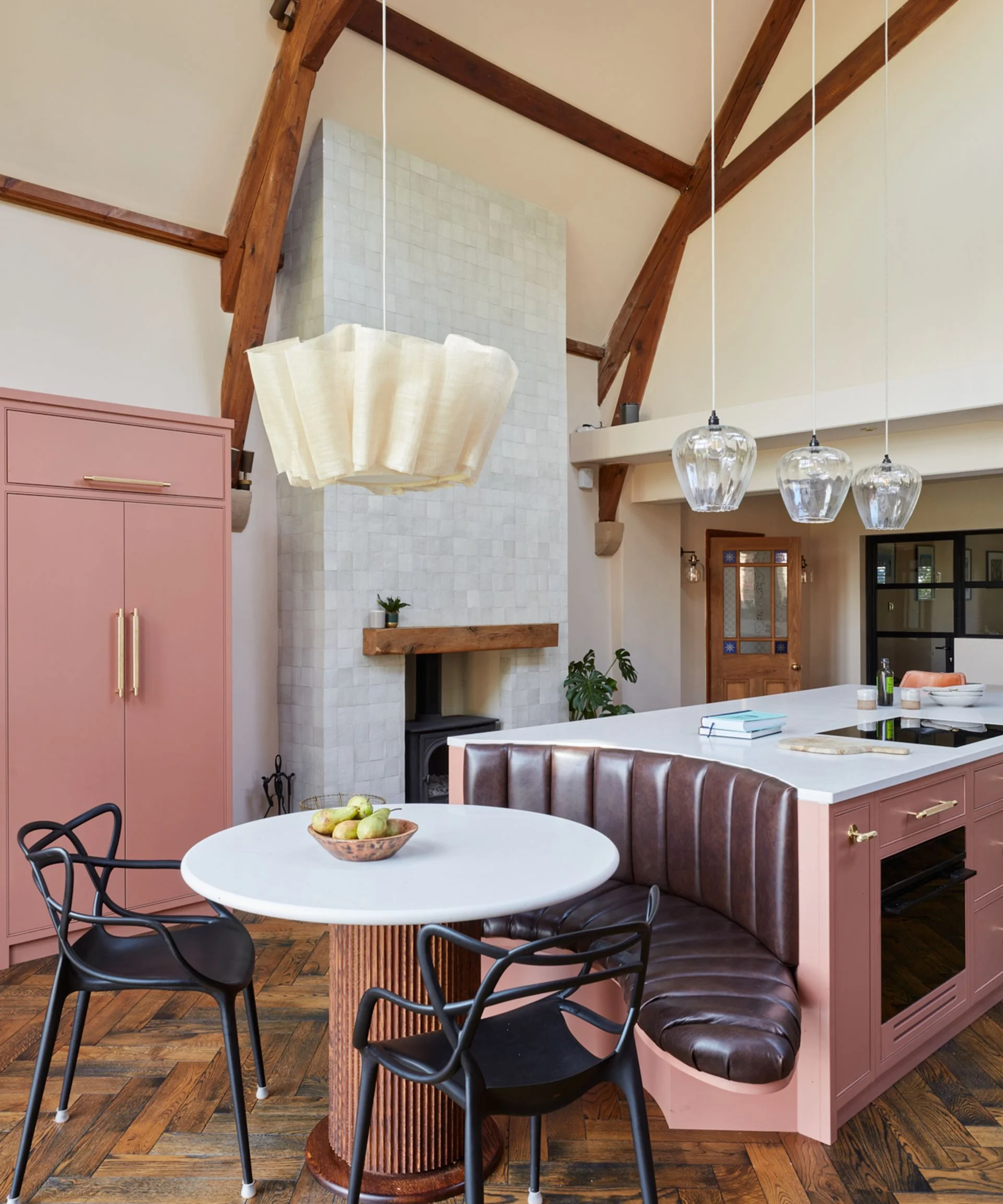
Lighting has to work practically and shape the mood, but the fitting itself can also become a focal point. Good lighting design makes both jobs possible.
An oversized light can draw attention to a chosen spot and create a stronger play between light and shadow. It can also work in a room with a low ceiling, where a distinctive fitting gives the eye something else to notice.
Shop statement lighting
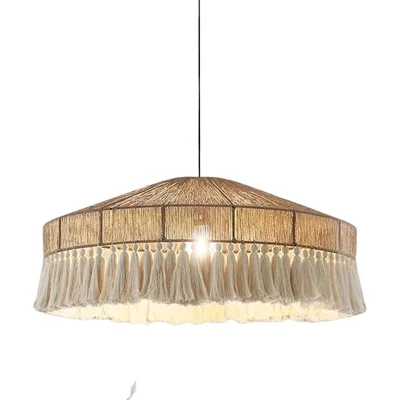 Laid-back vibes
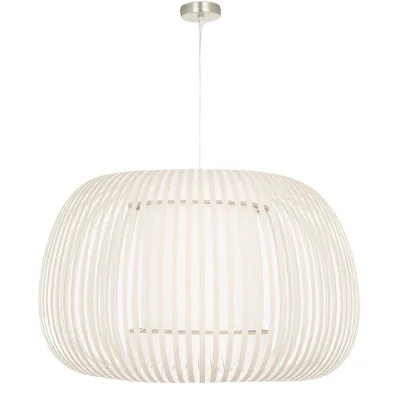
This woven pendant brings an informal statement above a dining table, where it can hang low to create an intimate feel, or beside a sofa for a softer pool of light.
 Multiple colour options
This pendant’s ribbon-like form is designed to create interesting light effects. It comes in several colours and finishes.
 Matching items
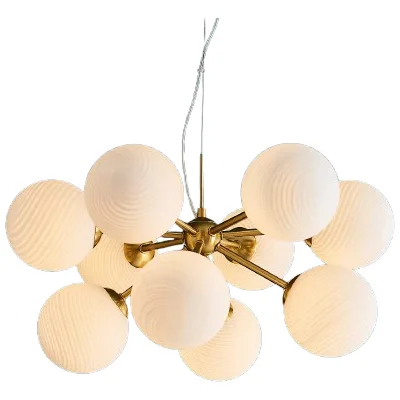
Ten opal glass globes with a swirl finish make this dimmable fitting a natural eye-catcher. You can adjust the hanging height to suit the room.
Make room for a home bar
A kitchen or dining room can also take a cue from home bar ideas. A bar isn’t a necessity, but it gives you room to have fun with the design—and can become a talking point when guests come over.


Discussion
Sign in to join the discussion.