A dehumidifier can’t fix cold glass, hidden leaks or poor airflow. Five causes can explain why condensation keeps returning.
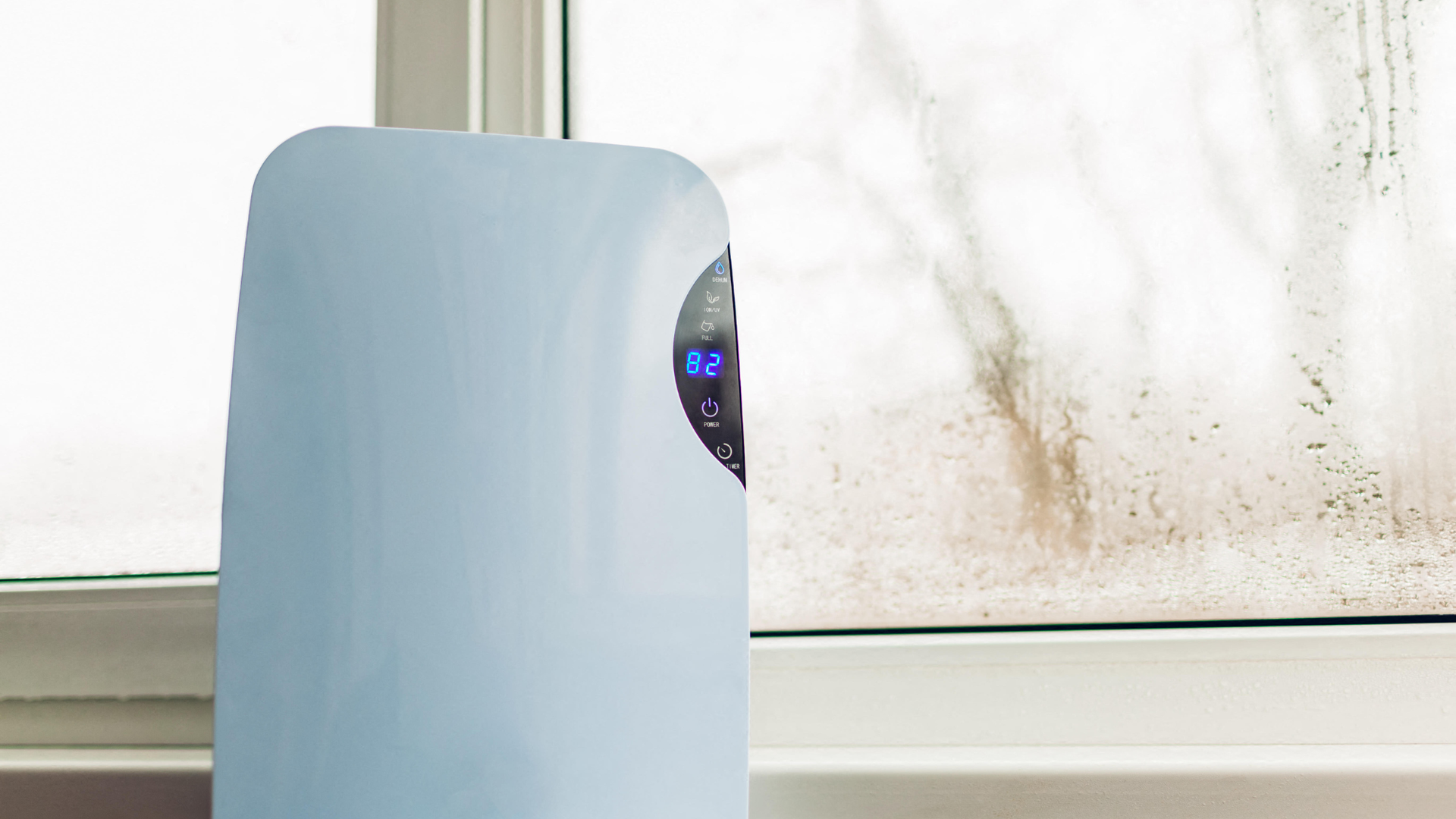
Window condensation that survives a dehumidifier often points to a mismatch between the appliance and the cause. The machine can lower moisture in the air, but it can’t repair a leak, warm cold glass or clear an obstructed filter. Finding where the water comes from is the first step toward stopping it.
Check for a continuing source of moisture
A dehumidifier can manage excess humidity, but persistent damp calls for an inspection of the home itself. Simon Trenerry, technical manager at Safeguard Europe, recommends looking for a hidden leak, water entering through a wall, or new plaster and screed that are still drying. In new homes, that drying process can take months. Rising damp is another possibility.
Look for mould or mildew, a musty smell, peeling wallpaper and lifted flooring. If the source isn’t clear, a professional survey can help identify it.
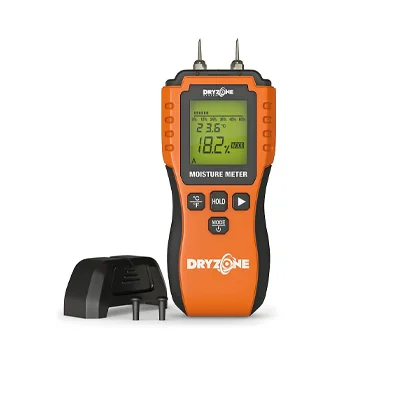
This pocket-friendly moisture meter will help you identify damp and condensation issues in wood and building materials.
Cold glazing can outweigh lower humidity
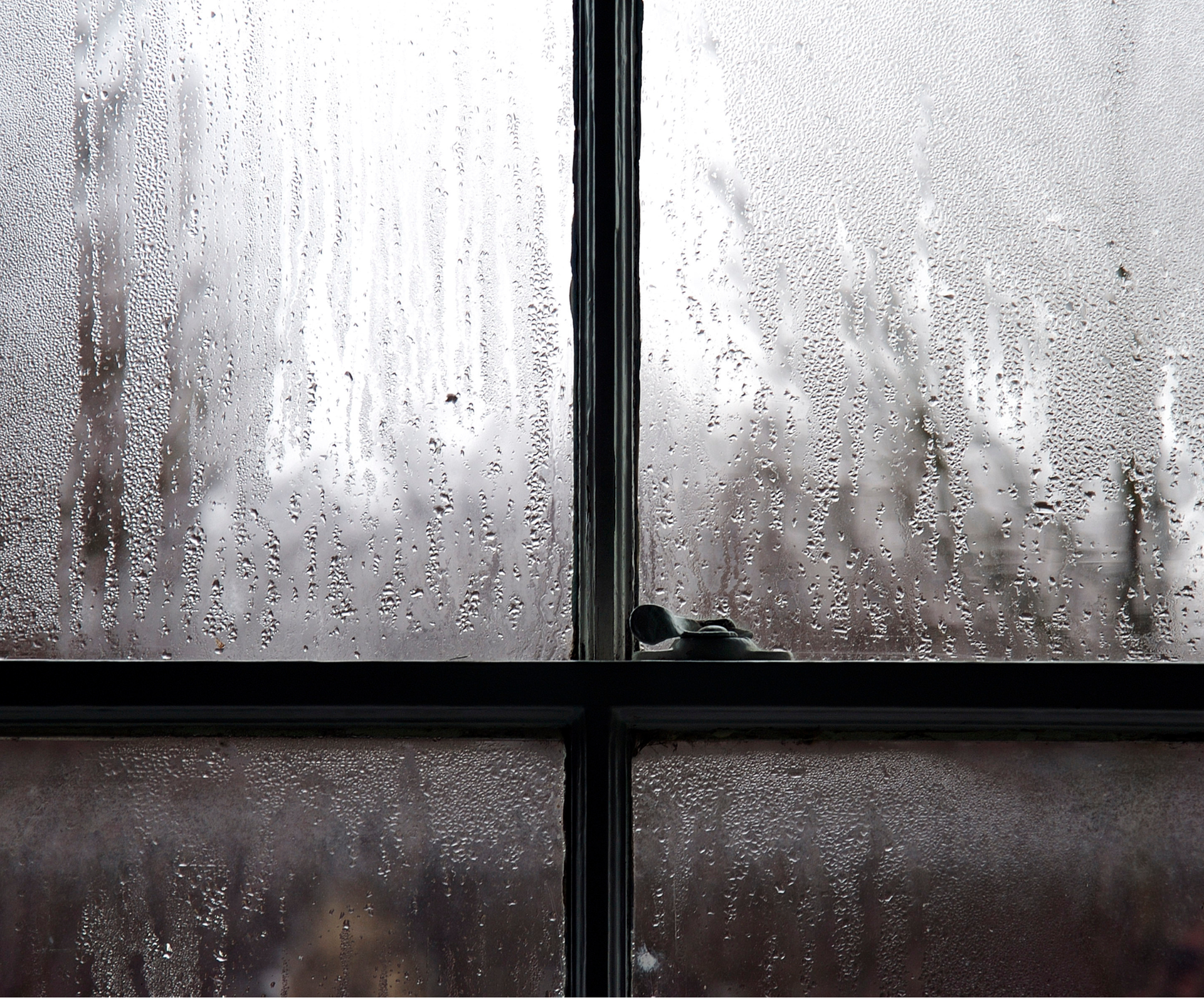
Single glazing, older double glazing and aluminium frames without a thermal break can become cold enough to collect condensation on winter nights, even when room humidity is reasonable, Trenerry says. A dehumidifier reduces moisture in the air; it doesn’t raise the glass temperature. Replacing inefficient glazing with modern, thermally efficient windows is the long-term remedy.
Make sure the unit can do its job
Several practical issues can limit a dehumidifier’s effect. Chris Michael, founder of Meaco, says a unit may simply be too small for the room. Check the manufacturer’s recommended capacity before choosing a model.
Placement matters too. Put the appliance in the room where condensation is a problem, or leave internal doors open so air can circulate, Trenerry advises. Running time is another factor: a few hours may not be enough to control moisture throughout the day and night.
Check the filter if performance has dropped. A dirty or blocked filter can prevent the appliance from working properly; switch the unit off before inspecting or changing it.
Timing can be as important as runtime. Martyn Fowler, founder of Elite Renewables, points out that people sleeping in a closed bedroom continue adding moisture to the air overnight. Check humidity levels in the morning as well as later in the day.
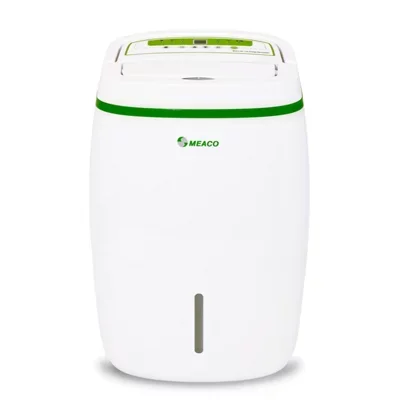
Our favourite dehumidifier for tackling damp and condensation, this 20L unit is energy-efficient, easy to use and doubles as an air purifier.
Reduce cold air trapped behind curtains
Heavy curtains and closed blinds can hold a pocket of cold air against the window, making morning condensation more likely, Trenerry says. Open them when you get up and, where practical, leave a small gap at the bottom overnight. A low, steady bedroom temperature, open trickle vents and airing the room each morning can also help.

Look for condensation around the edges
Where water appears can help narrow down the cause. Fowler says the edges of double-glazed units are often colder than the centre, so moisture may form in a strip around the frame while the middle stays dry.
A dehumidifier can reduce airborne moisture but won’t remove that cold spot. If the pattern persists, inspect the glazing and window seals. The practical takeaway: treat the appliance as one part of moisture control, then address the building conditions that keep bringing condensation back.
For more context, see how dehumidifiers work and guidance on the best type of dehumidifier for cold rooms.



Discussion
Sign in to join the discussion.