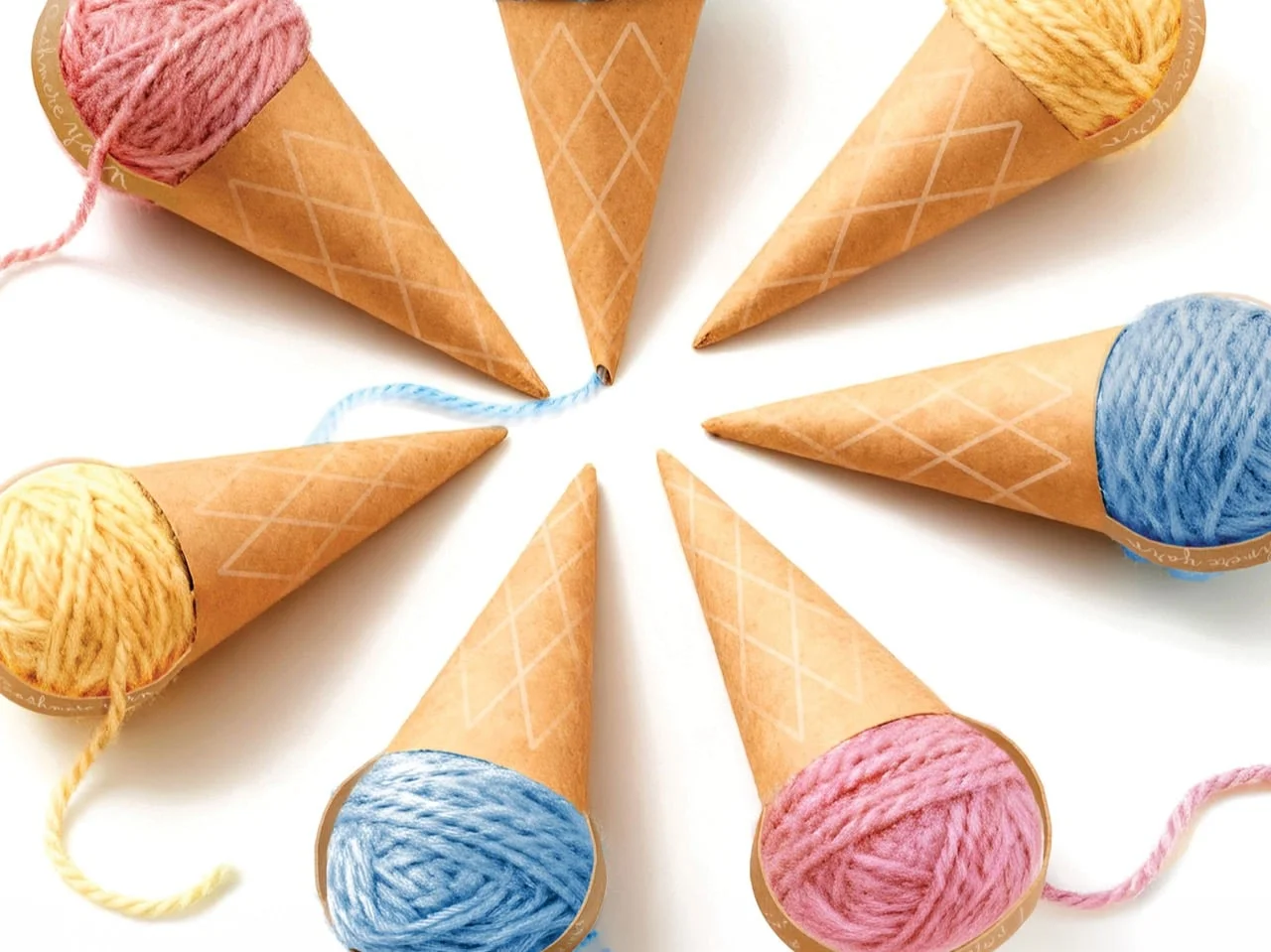
YUTO’s paper cone keeps yarn in place while you knit, with space for needles and a design that resembles a waffle cone.
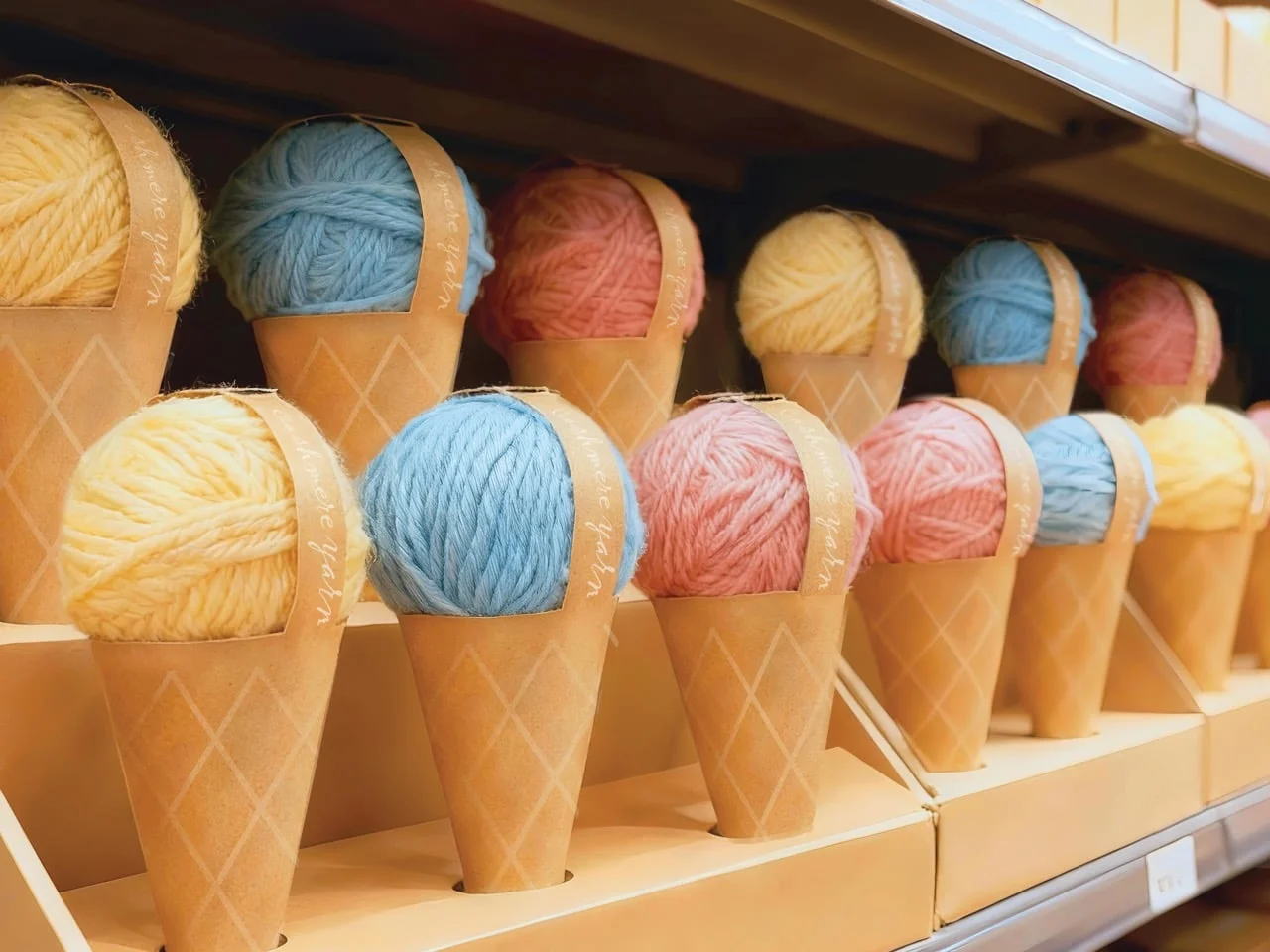
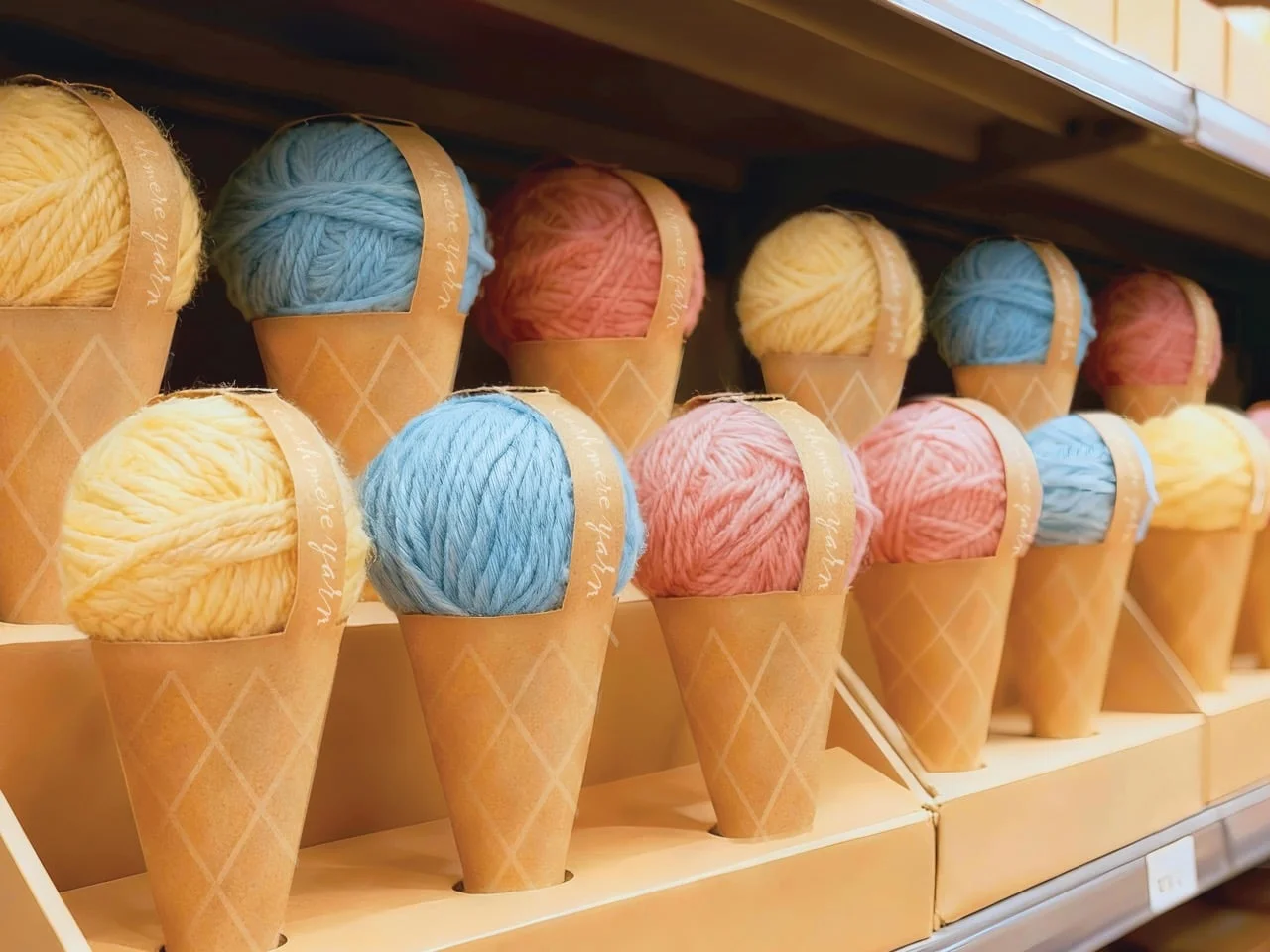
Packaging that stays useful after checkout
Yarn packaging usually becomes waste as soon as the skein reaches home. Shenzhen-based ShenZhen YUTO Packaging Technology has a more useful idea: a folded paper cone that holds a yarn ball and feeds its strand through an opening at the tip. It’s designed to stay in use during knitting, taking on some of the work normally done by a separate yarn bowl. That shift gives the package a job beyond protecting and presenting the product on its way to the customer.
For knitters, a rolling ball of yarn can interrupt work, tangle the strand, or simply become annoying to keep track of. A container that controls how the yarn unwinds addresses a small but familiar problem. It won't replace every bowl or storage method, and the design’s value will depend on how well it holds up during use. Still, turning packaging into a working accessory is a clearer proposition than asking buyers to recycle or discard it after opening.
The concept earned a Red Dot: Best of the Best award in the 2026 Design Concept competition. It was created by a YUTO team led by Li Xingguo and Ding Zhiyong, alongside Yang Li, Li Xiang and Ding Qiqi. YUTO, a Shenzhen-listed packaging company with more than 50 manufacturing centers worldwide, has also developed other single-sheet paper packages, including a mortise-and-tenon toolbox and a wine package. The yarn cone remains a concept, so its award doesn't mean it's headed to store shelves. That distinction matters: design recognition can identify a promising direction, but it doesn't establish a production plan, price, or everyday performance.
Red Dot: Best of the Best recognizes leading entries in each category. The award sits below the Luminary, which in 2026 went to Toyota’s four-legged walk me chair. A yarn package appearing alongside concepts such as a flying car and a rollable laptop gives YUTO's modestly scaled design an unusual place in the competition. It also makes the award useful as a prompt to look at what design competitions value: not only dramatic new machines, but small changes to objects people handle every day.
A package built to stay on the knitting table
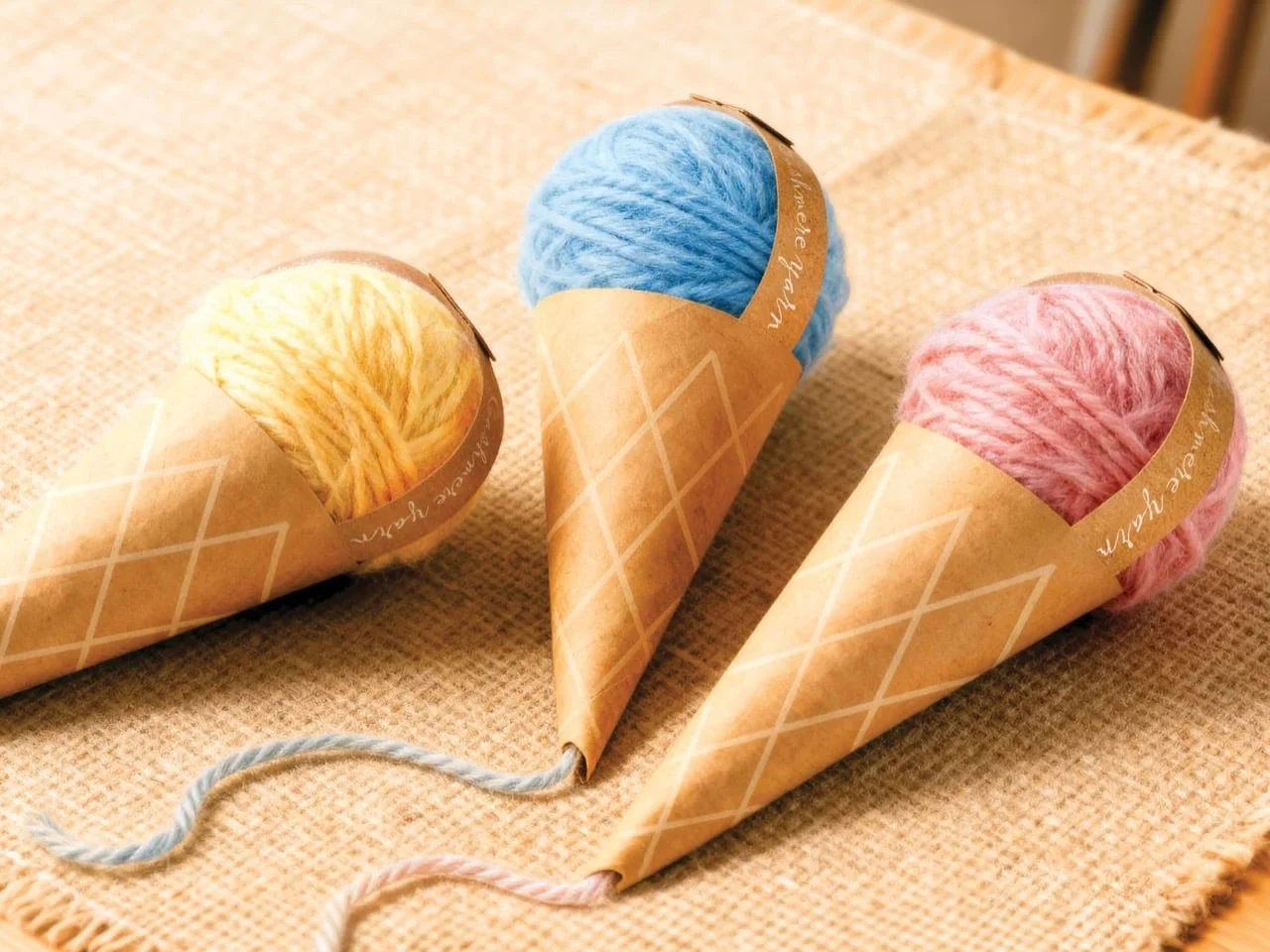
The cone folds from one sheet of paper. A locking structure at the top holds the yarn ball in place through shipping and handling, while an outlet at the narrow end lets the strand pull through as the knitter works. The arrangement is meant to keep the ball from rolling away, much like the slot in a conventional yarn bowl. The one-sheet construction also makes the package's form part of its function: the shape organizes the yarn, guides the strand, and gives the needles a place to rest.
Red Dot's description says the package can also serve as a support stand and a needle holder. That gives the needles a place beside the yarn, extending the package's usefulness beyond the first project. The idea is appealing because knitting often involves managing several loose objects at once, but the description doesn't establish how the holder performs with different needle types or sizes. A useful concept, then, with practical details still to prove.
YUTO's images show the cones resting on their sides or standing upright in a row; the pointed base itself isn't designed to balance vertically. That matters because the cone's stability will shape how easily it fits into a real work area. A package that can sit near a chair or on a table may help keep supplies together, but the product still needs to work around the habits and space of the person knitting.
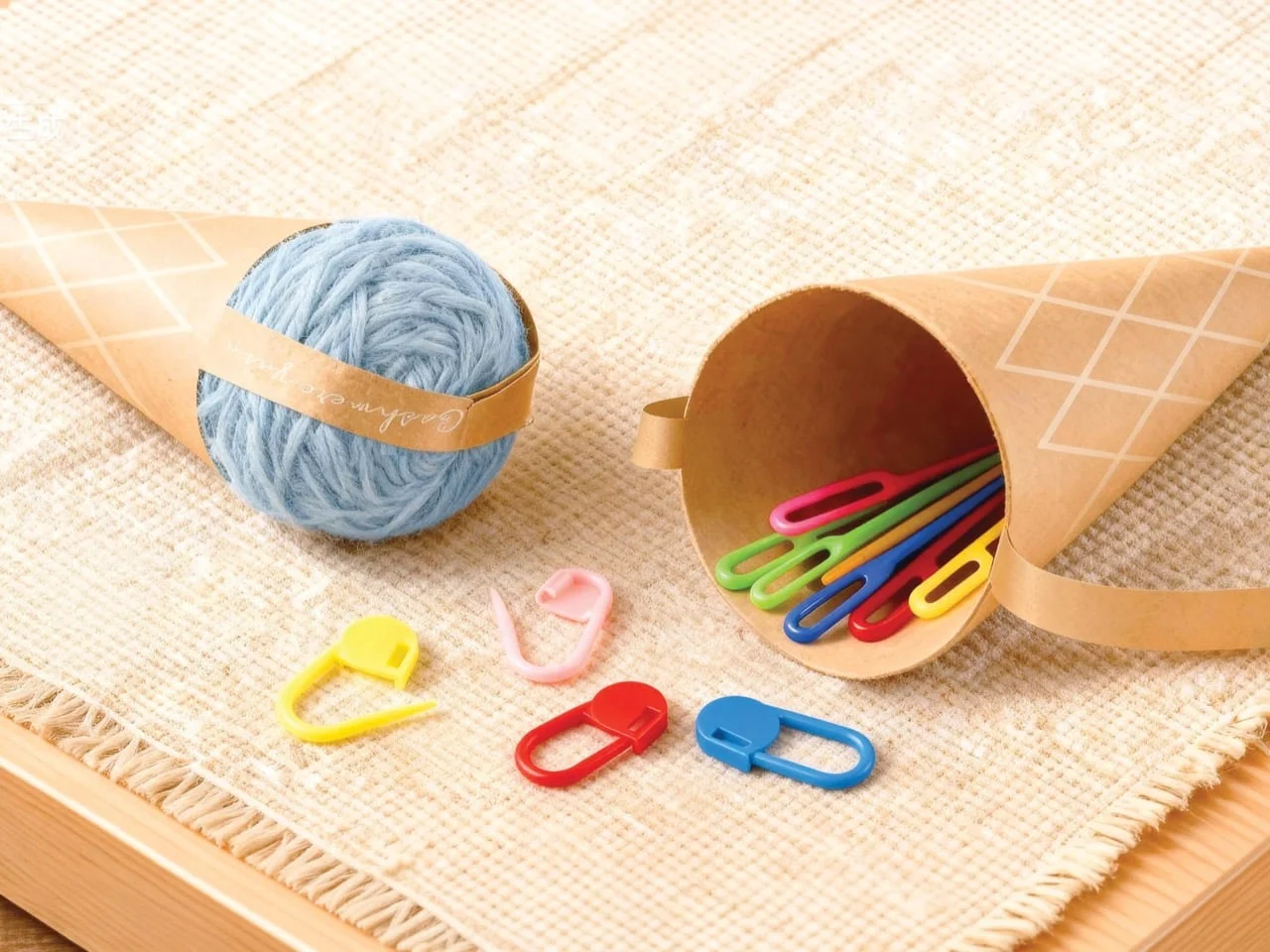
Dessert styling puts the yarn on display
A white diamond pattern over kraft-colored paper gives the cone its waffle effect. With the top left open, the yarn becomes the visual centerpiece: its real color and texture stand in for an illustrated product label. A curved band with flowing script lettering completes the look of a small ice cream or gelato display. The yarn tail emerging from the tip adds to the dessert resemblance, though it's a reminder that this cone is strictly for crafting. The humor is direct, and the package's silhouette makes the intended joke easy to read without extra explanation.
The approach recalls Naoto Fukasawa's Juice Skin juice boxes, which borrow the appearance of banana and strawberry skins. YUTO's design uses the same kind of visual misdirection to make an everyday package more memorable, while giving the contents room to provide the color. Here's the thing: that visual trick works because it depends on the actual yarn, not a printed picture of it. The material becomes part of the display, so the package can look different depending on the yarn inside.
That choice has a practical tradeoff. Showing the yarn may help shoppers understand its color and texture, but the concept's images don't answer how exposed yarn would be protected during storage or handling. Nor do they tell us whether the cone is meant to be reused across multiple balls. A package can be charming in a product image and still need careful choices about durability and protection before it works on a shop shelf.
Michaels' 2026 Creativity Trend Report found that searches for knitting, crochet and embroidery rose 136% over six months. For yarn makers, the cone's display-ready form could suit the growing visibility of craft supplies online, though the concept has no announced retail launch. If you're working in this space, the broader point is that packaging can shape how a hobby product is presented and used after the sale. The numbers here are underwhelming as proof of future demand: a search increase says something about attention, but it doesn't tell us whether shoppers would pay more for a yarn package with built-in utility.
What the concept would need to prove
This is more significant than it looks. The cone links three familiar packaging jobs—containment, display, and carrying the product through use—without adding a separate accessory in the concept as shown. That's a tidy design argument. Yet its success would depend on whether the paper stays firm as the ball unwinds, whether the opening guides the strand without catching it, and whether the holder suits the needles people actually use. Those are ordinary product questions, but they decide whether a clever package earns a place on the knitting table.
(And this is the part most people overlook.) Packaging that remains useful can reduce the sense that the customer is buying an object destined for the bin, but the concept alone doesn't show how long the cone lasts or what happens when the yarn runs out. The strongest case is practical as much as visual: packaging that keeps the yarn contained and the needles close at hand after checkout. A small idea. Its test comes in use, not on a display stand.
The post This award-winning yarn packaging looks good enough to lick (please don’t) first appeared on Yanko Design.


Discussion
Sign in to join the discussion.