An 800W plug-in solar system may save about £105 a year, but actual payback depends on price, position and how much power you use.
Plug-in solar panels can lower electricity bills, but their lower purchase price doesn’t guarantee a quick return. The deciding factor is how much of the electricity they produce your household uses while it’s being generated. That makes the payback calculation less straightforward than dividing the kit’s price by a headline annual saving.
Estimates for an 800W system costing around £500 suggest annual savings near £105 in some circumstances. Yet those figures depend on installation, location, daylight and household routines. With experts putting plausible payback periods anywhere from about four years to more than 15, buyers should treat projections as a guide rather than a promise.
What a plug-in system costs and may produce
Many plug-in systems are designed for self-installation, so a professional installation bill may not be necessary. A wall-mounted unit could still require help from a handyman, particularly if you don’t have the tools or experience to drill into brick. Equipment prices vary by size and seller: a single panel can cost around £500, while a two-panel system may start above £800. The figures here refer to legally compliant products.
Uswitch solar expert Alvaro Iturmendi cited external research from Carbon Brief, published in April 2026. It estimated that an 800W plug-in system priced around £500 could generate approximately 400kWh of usable electricity per year in a realistic setup, or about 820kWh in an optimal position.
At an electricity price of 27p per kWh, Iturmendi said that output could translate to roughly £105 in annual bill savings. He described average production as around 1-2kWh per day. Those averages conceal large swings: a well-positioned panel can generate considerably more on a bright summer day, while winter output can be modest.
Jon Skinner, founder of Glow Homes, cautioned that the evidence base is still limited. The figures are estimates, and real-world results will depend on where the system sits and how it performs through the year. Solar panels need daylight, not direct sunshine, but that doesn’t mean they produce the same amount in every season. Skinner warned that on a gloomy December afternoon, generation may be barely enough to make a cup of tea.
That seasonal variation matters because a yearly average can make a system appear more consistent than it feels in daily use. Output may be strongest when household demand is low, then fall during darker months when lights and heating-related electricity use may rise. The fit between generation and consumption is central to the financial case.
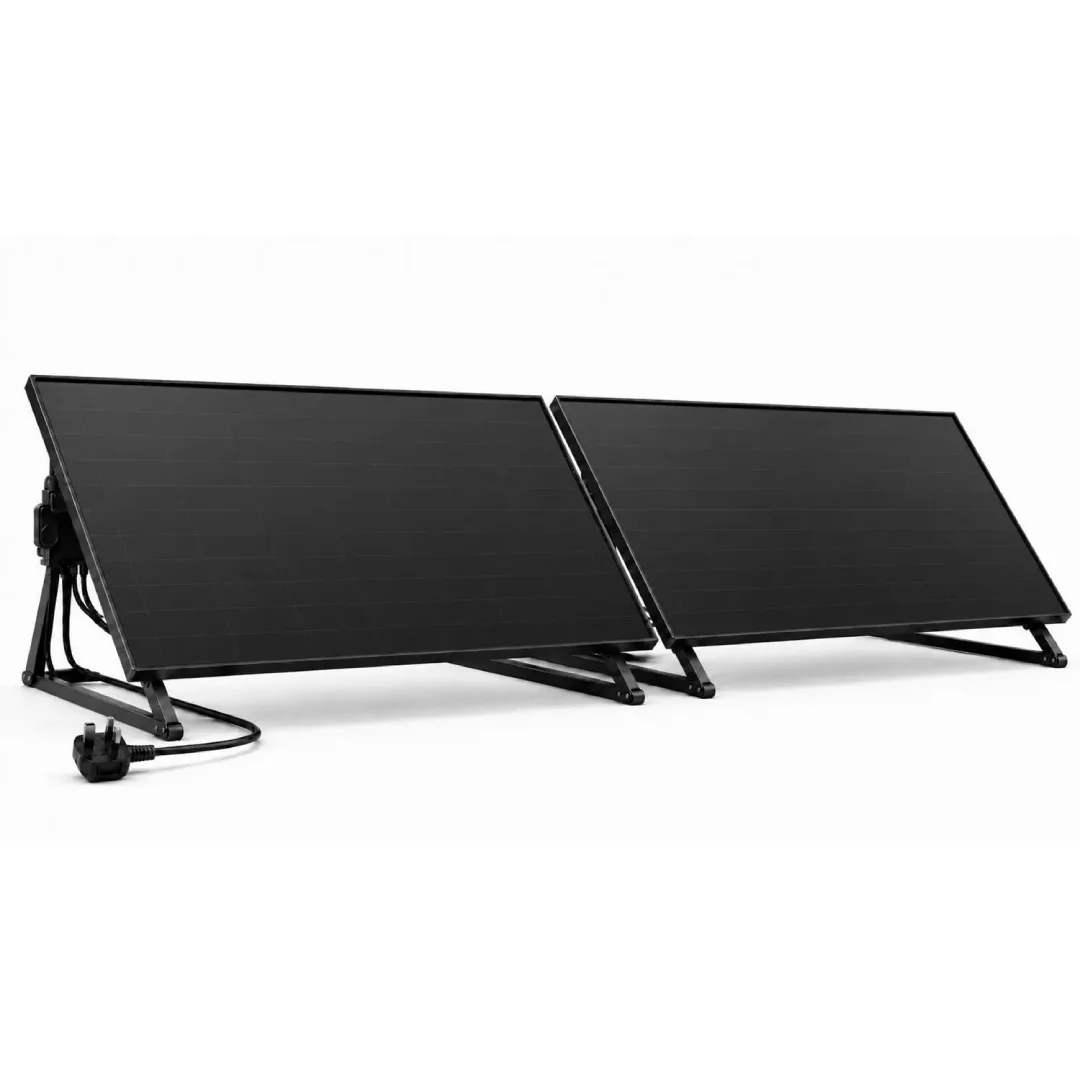
A dual panel kit for those with larger gardens or extra space to maximise on plug-in solar panel energy generation
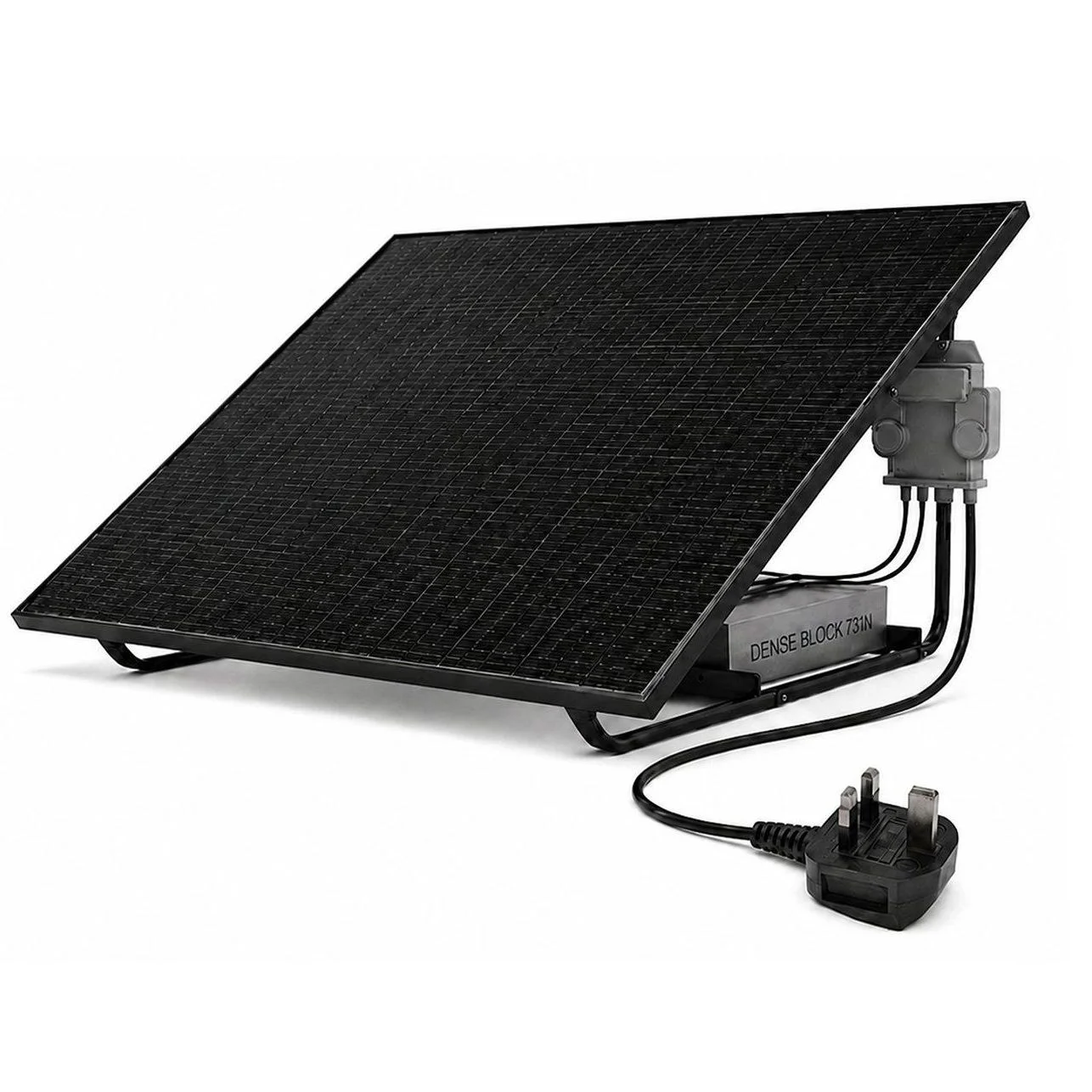
A smaller single panel model that comes with a ground mount and is suited to those with smaller available outdoor space
Payback depends on the price you pay and power you use
A simple calculation gives a useful starting point. If a system costs £500 and cuts bills by about £100 a year, it would take roughly five years for the savings to match the purchase price. After that, the household could begin to make net savings, assuming the equipment continues to perform and the annual savings hold up.
Iturmendi put the likely range at around four to seven years, depending on system cost and how much generated electricity is consumed. That range assumes a relatively favourable relationship between price, output and use. The broader estimates from Skinner show how quickly the calculation shifts when those conditions change.
Skinner said systems priced between £500 and £1,200 might deliver annual bill savings of £70 to £110. On those assumptions, payback could take from five years to well over 15. A £1,200 system saving just £70 each year would need more than 17 years to recover its cost.
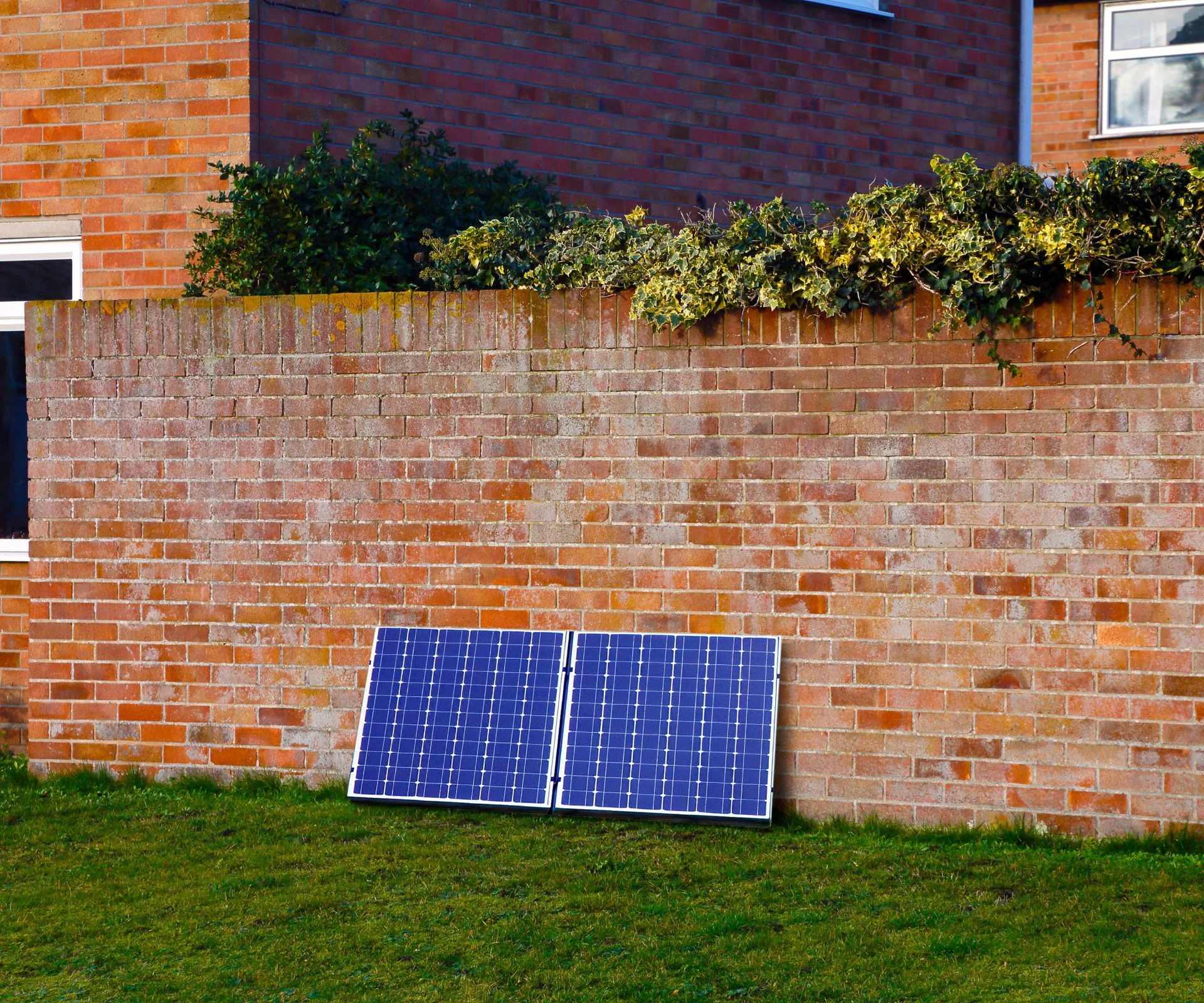
Self-consumption is the catch in the savings estimate
Households don’t save the full value of the electricity their panels generate. They save the value of the electricity they use directly, while it’s available. If nobody is home during the day, the panels are shaded, or they face a poor direction, some of the projected benefit may never appear on the bill.
Skinner highlighted another constraint: plug-in panels aren’t currently approved for use with a solar battery or the Smart Export Guarantee. That limits the options for storing surplus production or receiving payment for exported electricity. For a household whose daytime demand is low, the gap between total generation and usable generation could make a significant difference to payback.
This is why the system’s sticker price alone says little about value. A smaller, lower-cost kit used consistently during sunny hours could make more financial sense than a larger system whose output often goes unused. Buyers should consider where the panels will sit, whether that spot receives useful daylight, and which appliances can run during periods of generation.
Where plug-in solar may fit
Skinner remains positive about plug-in solar for some households, especially renters and flat owners who can’t install a full rooftop system. Portability may also matter to people who expect to move: a panel that can go with its owner offers a different kind of value from a fixed installation. In those cases, reducing bills may be one part of the decision, alongside access to solar power where a roof installation isn’t practical.
But buyers focused on a fast financial return should run the numbers against their own circumstances. Use a cautious generation estimate, account for the proportion of electricity likely to be consumed immediately, and compare that saving with the full equipment cost. The available figures don’t yet provide a precise, dependable forecast for every home, so real performance will become clearer as more systems build a track record.
Plug-in solar looks most compelling when the purchase price is restrained, the panel has a good position and household routines allow people to use its output. For everyone else, the practical takeaway is simple: estimate the electricity you’ll consume, not just the electricity the panel might generate. That’s the figure that determines whether the payback arrives in a few years or stretches beyond the system’s useful financial life.



Discussion
Sign in to join the discussion.