A sensor reading, room size, settings, temperature or poor placement can limit a dehumidifier’s performance. Here’s what to check.
Start with the reading, not the machine
A dehumidifier that runs without lowering humidity may be mismatched to the room or working under conditions that limit extraction. Before assuming it’s faulty, check what the machine is measuring, how much moisture it can handle and whether its setup suits the space. A display that appears unchanged can point to a measurement problem, a capacity limit or a steady supply of new moisture.
Check the reading before judging performance
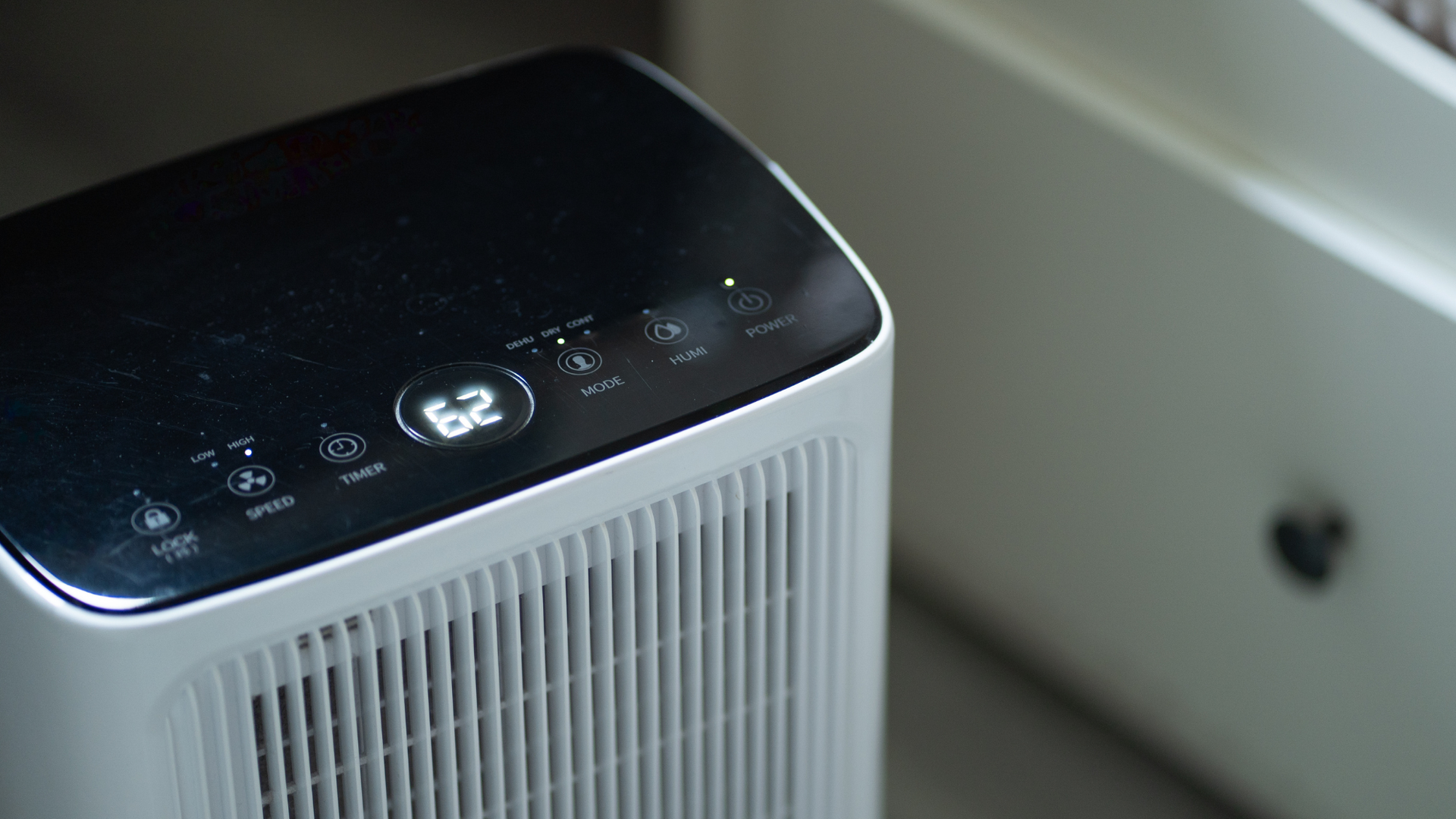
A built-in humidity sensor measures the air around the unit, which may not reflect conditions across the room. Martyn Fowler, founder of Elite Renewables, points out that air beside a radiator can differ considerably from air near a cold window. That means the reading is local, not a room-wide verdict. Treat the display as a guide, and compare it with a separate hygrometer placed away from heat sources and windows. You can also use typical household humidity levels as a reference.
Give the comparison time and keep the instruments in a similar part of the room, without placing them directly beside the dehumidifier. If the separate meter shows a change while the built-in display does not, the sensor’s position or the way the unit samples nearby air may explain the mismatch. If both readings stay high, look next at capacity, settings and temperature.
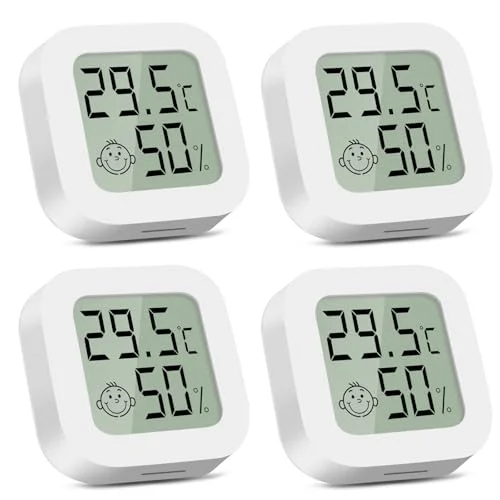
Keep an eye on your humidity levels with this four-pack of hygrometers – one for every room.
Match extraction capacity to the space
Every dehumidifier has a limit to the moisture it can remove per hour. A unit in a hallway with several rooms open may face more damp air than it can process. Fowler suggests testing it in a single room: if humidity drops there but not when the rest of the home is open, capacity may be the issue. This is a useful comparison because it changes one condition at a time: the machine stays the same, while the volume of connected space changes.
Chris Michael, founder of Meaco, says to check the machine’s extraction rate against both room size and the moisture your household produces. Capacity is a buying consideration that can also explain disappointing results after installation. Cooking, bathing and drying laundry can all add moisture to indoor air, so a unit’s stated rate needs to be considered alongside how the space is used. The numbers here can be underwhelming if they’re read as a guarantee of what the appliance will remove in every home.
If you're working in this space, the practical point is to test the dehumidifier in the room where damp is most noticeable, with doors closed, before deciding it cannot cope. A change under those conditions suggests the surrounding space or ongoing moisture load is affecting performance. No change sends the investigation toward settings, temperature or the source of the damp.
Review the target humidity and room temperature
A target humidity set too high can stop a machine from running long enough to remove excess moisture, says Simon Trenerry CSDV, technical manager at Safeguard Europe. Michael recommends aiming for 55% relative humidity. If condensation is the main concern during colder weather, a 45% RH target may be more appropriate. These figures are settings to consider in context, not proof that every room will reach the same result. A separate hygrometer can help track the result. See also this guide to condensation.
Temperature matters too, especially with compressor models. In cold air, moisture can freeze on the cooling coil, forcing the machine to pause extraction while it defrosts. The unit may still be powered on, but that pause can make progress look slow. Fowler advises checking the unit’s stated operating range. For rooms that rarely rise above 10°C, such as garages, conservatories and utility rooms, a desiccant dehumidifier may be a better fit than a compressor model. More guidance is available on choosing a dehumidifier for cold rooms and why a dehumidifier can freeze up.
Here's the thing: changing the target can help only if the room and machine are otherwise a reasonable match. A lower target may keep a unit running longer, but cold operating conditions can still interrupt extraction. Check one factor at a time and compare readings over a consistent period. A clearer diagnosis.
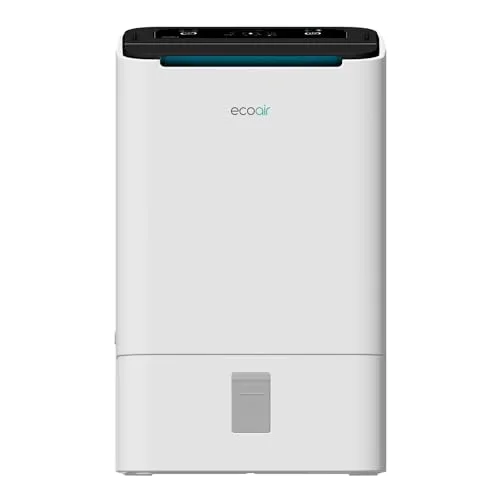
Extracting up to nine litres per day, this desiccant dehumidifier is ideal for cold spaces and features an antibacterial charcoal filter as a bonus.
Give the unit room to draw air
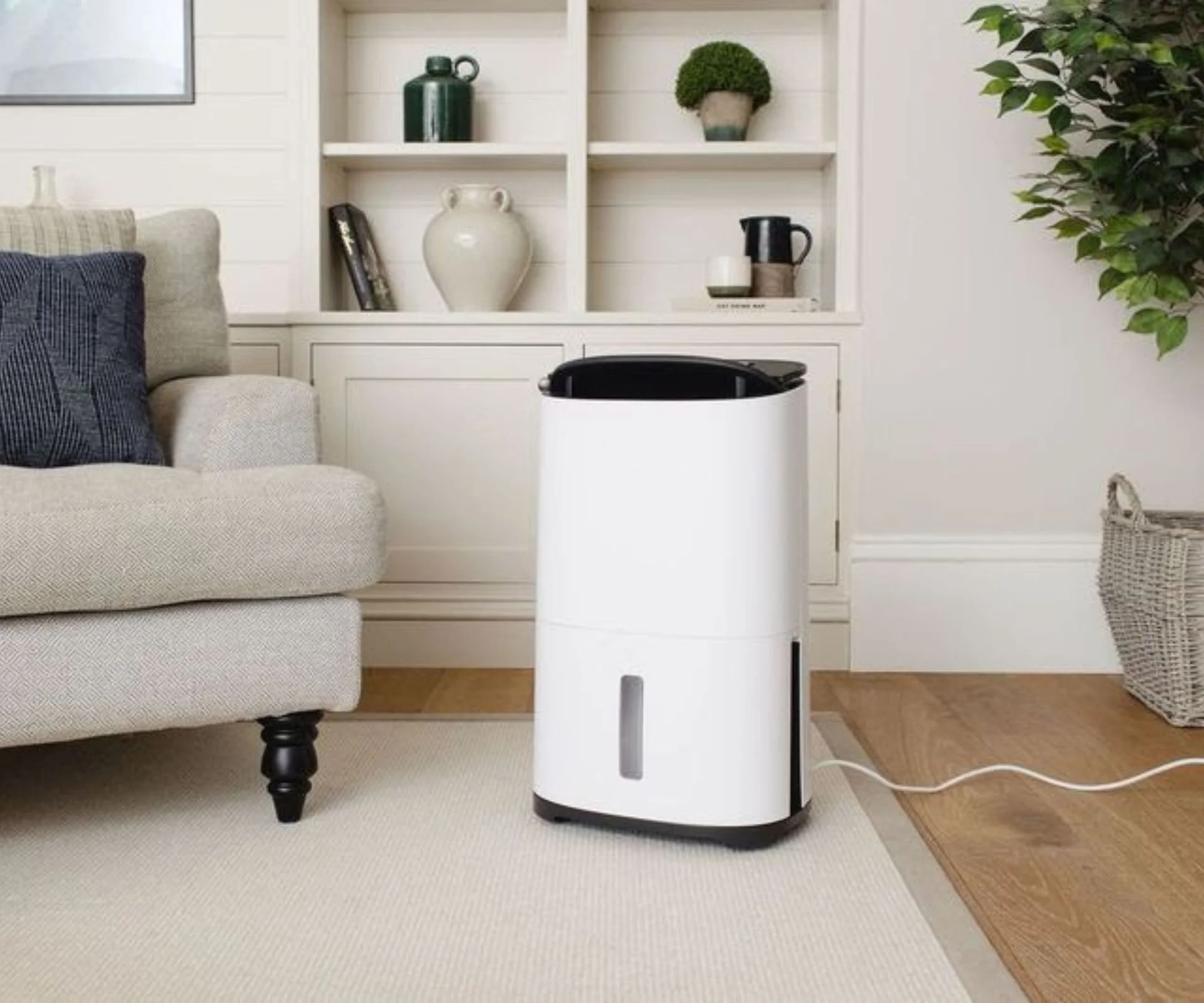
A machine tucked behind furniture, pushed into a corner or placed against a wall may not take in enough air. Trenerry recommends leaving 20 to 30cm of clearance around it, though some models are designed to sit closer to surfaces. Airflow is part of the appliance’s working conditions: restricting the intake can limit how much room air reaches the components that remove moisture. Follow the placement guidance for the specific unit; the Meaco Arete range, for example, can be positioned near surfaces.
Keep windows and external doors closed while the dehumidifier runs, Trenerry advises. Otherwise, it’s continually drawing in outside air, which can add to the volume of air it has to treat. Ventilate separately in short bursts. That said, closing the room during operation won’t solve a leak or another persistent source of moisture.
When the readings stay high
These checks can explain weak results, but persistent damp points to a moisture source that a dehumidifier alone won’t address. Look for whether the problem returns quickly after the machine has run, or remains concentrated in one area; those patterns can help distinguish a general humidity issue from moisture entering or being produced in a particular place. What this means for you is that a dehumidifier is one part of managing damp, and its performance is easier to judge once the room’s conditions are understood.
This is more significant than it looks: if moisture keeps entering the space, a machine may appear ineffective even while removing water from the air. Similar systems typically work best when the moisture load is within their capacity and the air can circulate freely. For more context, see how dehumidifiers work or read the review of the ProBreeze 20L Premium Dehumidifier.



Discussion
Sign in to join the discussion.