Frozen garden taps can split and hide leaks. Draining, leaving the tap open and fitting an insulated cover takes minutes for about £5.
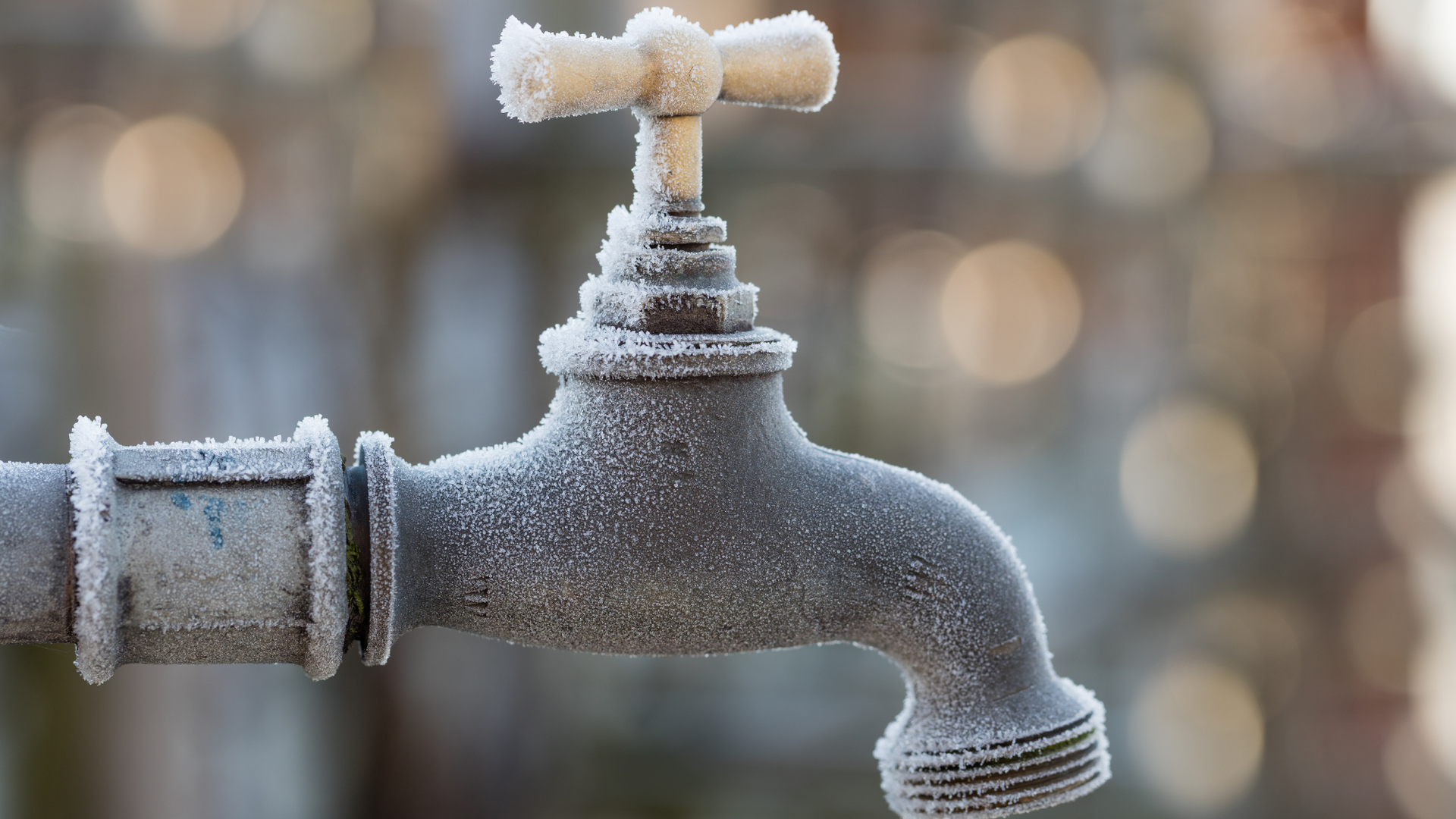
Garden taps rarely cross your mind once the heating goes on, but they're one of the cheapest things to neglect. Water trapped inside an outdoor tap expands as it freezes, and the damage often stays hidden until the thaw. That's the trap: the tap looks sturdy, works fine in the autumn, and gives no warning that anything is wrong. Protecting it takes about ten minutes and a few pounds, which makes the cost of skipping it hard to justify once you've seen what a burst pipe does to a kitchen ceiling.
Five steps to winterise an outdoor tap
Martin Mackie, Plumbing and Drainage Trade Group Manager at Aspect, lays out the process. Start by removing any hose attachments from the spout. Water left in fittings can freeze and crack a connector or the tap itself. Store the attachments somewhere dry so they're ready when spring arrives. It sounds fussy, but the hose connector is often the weakest point of the whole assembly. Ice forming in a small fitting has very little room to expand, and that's usually where the crack starts.
Next, locate the shut-off valve and cut the supply. Mackie says it's usually under a kitchen or utility sink, where the mains enters the house. It often has a small blue or lever handle on the pipe feeding the outside wall. Turn it clockwise to close it. This is the step people skip most often, and usually because they can't find the valve in the first place. If you've never traced the outdoor pipe back inside the house, spend five minutes doing it now rather than in the middle of a cold snap, when you'll be fumbling under a sink with a torch in your teeth.
Then open the outdoor tap and drain whatever water remains. A bucket or water butt will catch it, and you can put it to use in the garden. Expect a little sputtering as air enters the line and pushes the last of the water out. (And this is the part most people overlook: the water sitting in the tap body after the valve is closed is exactly the water that freezes first.) Draining it fully is the difference between a tap that's protected and one that's merely turned off.
Leave the tap open rather than shutting it off completely. If any water does freeze, the open tap gives it room to expand. A closed tap gives the ice nowhere to go, and the pressure builds inside the body and the pipe behind it. Leaving it open is one of those instructions that feels counterintuitive until you understand the physics, and then it's hard to argue with.
Finish by fitting an insulated cover over the tap. Mackie considers this the step that cuts the risk of a burst pipe most directly. The cover doesn't add heat, so it can't stop freezing on its own. What it does is slow heat loss from the metal and the water inside, which buys you time during the coldest stretches. Think of it as a jacket rather than a heater.
Why it's worth the effort
Plumbing expert Joe Horton makes the case plainly. "Water expands when it freezes, which puts pressure on the walls of the pipe and can cause cracks and splits. Outdoor taps are particularly vulnerable as they are constantly exposed to freezing temperatures throughout the winter."
The trouble is that the real damage rarely shows up on schedule. "The real damage tends to go unnoticed until the ice thaws and water starts to escape; even the smallest leak can cause major damage, especially if the pipe is hidden inside walls, under floors, or behind cupboards," Horton says. Winterising the tap guards against burst pipes, hidden leaks and the water damage that follows. That last part is where the real money goes, because the pipe is often the cheap bit and the repair is not.
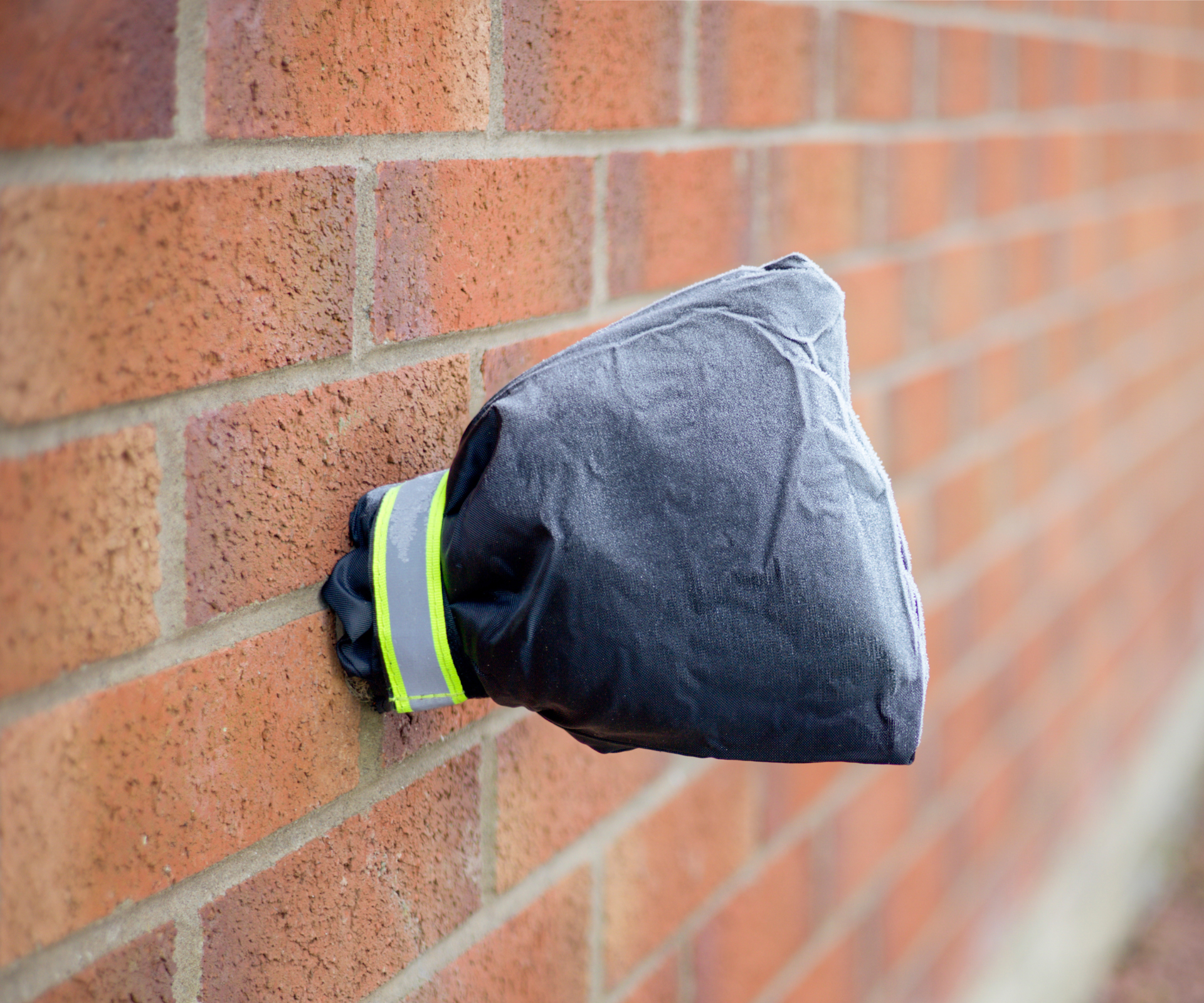
Insulated covers run about £5, and the fitting takes around ten minutes. Here's the thing: if you can still reach the tap during cold spells, a thermal cover keeps it usable while still shielding it from frost. You won't have to remove it every time you need a hose, which is the main reason people end up leaving the tap bare. Either way, the maths isn't close. The real question is whether you'll remember to do it before the first hard frost arrives.
What the cover won't fix
A jacket isn't a guarantee, and it's worth being clear about that. Insulation slows heat loss, but it doesn't stop freezing in a sustained cold snap, especially if the tap sits in an exposed spot with no shelter. If the tap was never drained properly, the cover is protecting water that's already in the wrong place. That's why the sequence matters: the cover is the last step, not the first, and skipping the earlier ones undermines it.
There's also a maintenance gap that most guides ignore. A tap that's been winterised still needs checking when you bring it back into use in spring. Open it gently, look for drips at the spout and around the body, and make sure the valve turns freely. A small leak at this point is far easier to fix than the one that's been running under a floorboard since February. Treat the spring check as part of the job, not an optional extra.
What this means for you
If you're managing a home, the lesson here is less about one tap and more about routine. Cold snaps arrive without much warning, and the first hard frost of the season tends to catch people who meant to get round to it. Set a reminder for the autumn, ideally before the forecast turns, and treat the outdoor tap like the boiler service: boring, cheap, and easy to put off until it isn't.
If you're working in this space, whether as a tradesperson, a landlord or a property manager, the same logic applies at scale. Hidden water damage is the expensive kind because it's discovered late, and the people paying for it are often not the people who skipped the job. A short checklist, handed out at the start of winter, is cheap insurance against callbacks. It's not glamorous advice, but it's the kind that actually gets followed when it's written down and kept simple.
I'd argue the bigger issue is psychological. The tap feels too minor to matter, and that's exactly why it gets neglected. Ten minutes and a few pounds is a tiny price against a burst pipe, yet most people only act after the damage has already happened. That's not a knowledge problem. Most people already know tap maintenance matters. It's a habit problem, and habits are harder to fix than plumbing.

Discussion
Sign in to join the discussion.