Explore the pros and cons of stamped concrete driveways, including costs, maintenance requirements, and installation insights, to make an informed decision.
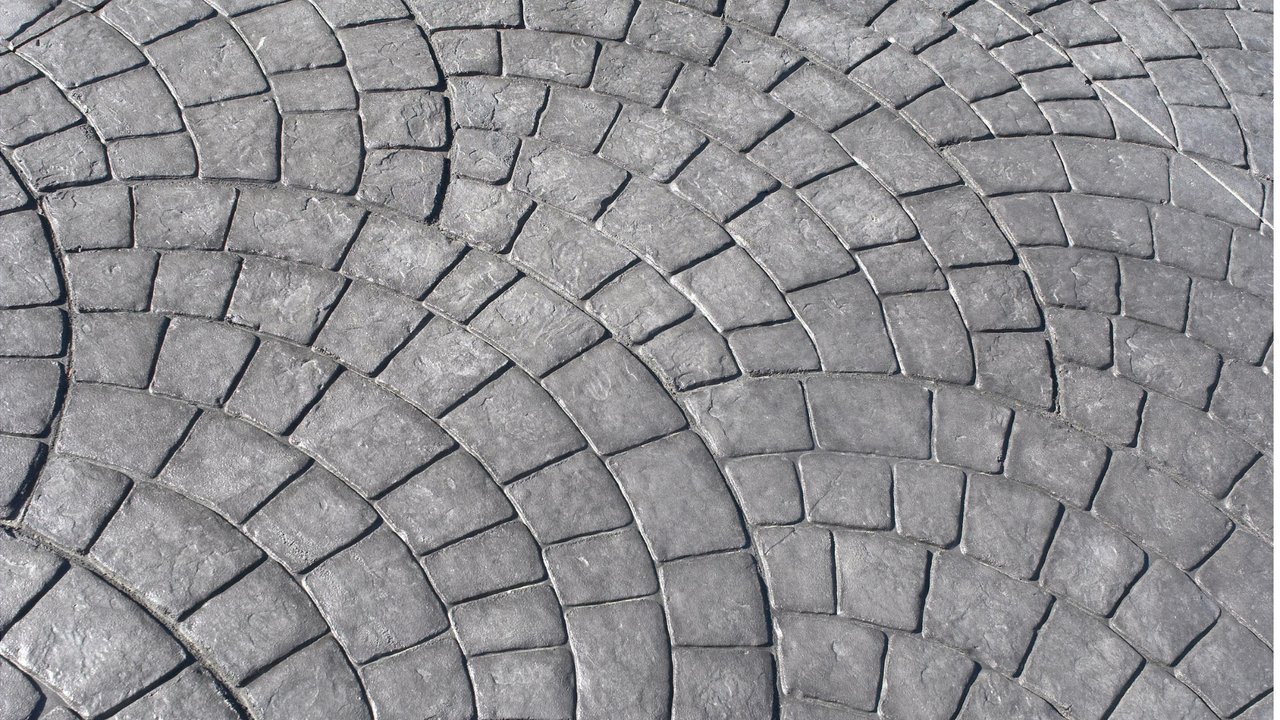
Stamped concrete driveways have gained popularity due to their aesthetic appeal and low maintenance needs. Mimicking the elegant look of brick or cobblestone, they offer a visually striking alternative at a reduced cost and with less upkeep. However, before committing to this choice, it's vital to consider potential limitations and installation challenges. While many homeowners admire the appearance of these driveways, it’s crucial to assess not just the immediate benefits but the long-term implications as well.
Understanding Stamped Concrete Driveways
Essentially, a stamped concrete driveway involves pouring wet concrete onto a prepared base, followed by imprinting a design and applying color to resemble materials like cobblestone, slate, or brick. With stamping techniques that have evolved significantly over the years, the variety in patterns—such as herringbone or European fan—caters to diverse architectural styles, making it a versatile option for many homeowners. But the question remains: does the style justify the process? Depending on the creativity of the design and the skill of the artisan, stamped concrete can either harmonize beautifully with a property or stand out awkwardly.
Advantages and Disadvantages of Stamped Concrete Driveways
Pros
- Visual Appeal: Available in a multitude of designs and hues, stamped concrete enhances the curb appeal of any property without the complexities of traditional paving. This offers a unique opportunity for homeowners to express their aesthetic preferences.
- Durability: When executed with precision, stamped concrete can endure for over 20 years, an impressive lifespan when compared to other paving options. It’s important to consider that not all installations are equal; a poorly executed job can lead to a much shorter life.
- Minimal Maintenance: Being a continuous surface eliminates worries about shifting bricks or weed growth, significantly reducing upkeep efforts. This ease of maintenance can be appealing to busy homeowners or those who prefer spending time enjoying their property rather than maintaining it.
- Simple Cleaning: Cleaning is straightforward, typically requiring just a pressure washer for effective maintenance. While this might sound trivial, efficient cleaning processes save both time and labor in the long run.
Cons
- Environmental Concerns: For those pursuing eco-conscious choices, be aware that stamped concrete is resource-intensive and can exacerbate urban heat effects. This raises questions about sustainability in home improvement choices.
- Potential Drainage Issues: Standard stamped concrete may not meet sustainable drainage regulations, necessitating additional drainage systems. Homeowners should consider regional weather patterns which may amplify these issues.
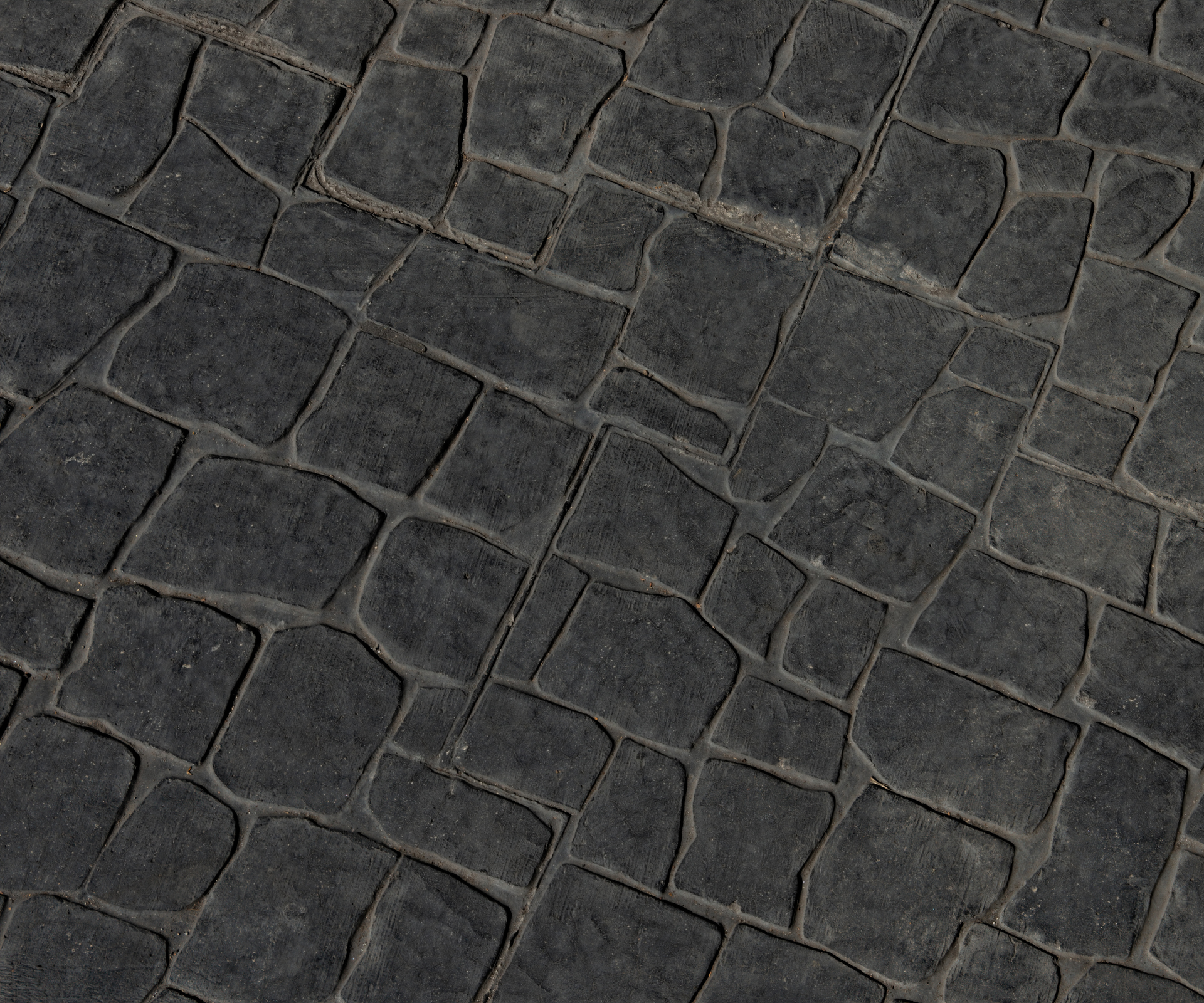
- Risk of Damage: Over time, improperly installed concrete can crack, and color may fade, impacting the driveway's overall appearance. These issues can detract from the property’s value, contradicting the initial investment made.
Installation Procedure for Stamped Concrete Driveways
Should you choose to pursue a stamped concrete driveway, expect an involved installation process. According to installation experts, steps typically include the following:
- Removing the existing surface.
- Reconstructing the driveway foundation.
- Pouring a uniform concrete mix.
- Applying color hardeners or integral color for desired shades.
- Stamping the selected pattern into the wet concrete.
- Sealing the surface.
- Allowing time for the new surface to cure.
This project requires a skilled tradesperson's involvement, emphasizing the complexity compared to simpler alternatives like gravel driveways. Indeed, insufficient expertise can lead to significant problems—it doesn’t just look bad but can also result in costly repairs.
Longevity of Stamped Concrete Driveways
An appropriately installed stamped concrete driveway is recognized for its long lifespan, often exceeding 20 years. However, regular maintenance, especially applying a protective sealant every few years, is essential for preserving its condition and preventing cracks or fading. You’ll also need to routinely clean the driveway, steering clear of abrasive chemicals that could harm the sealant. Oil spills should also be avoided, as they can cause staining. This level of care may seem simple but is often overlooked by homeowners, leading to regrettable outcomes.
Many professionals cite the low maintenance required as a significant advantage over traditional methods like block paving or natural stone, where individual units may shift or joints may succumb to weeds. Thus, you might find that stamped concrete serves not only as an aesthetic choice but as a more practical one as well.
Cost Considerations for Stamped Driveways
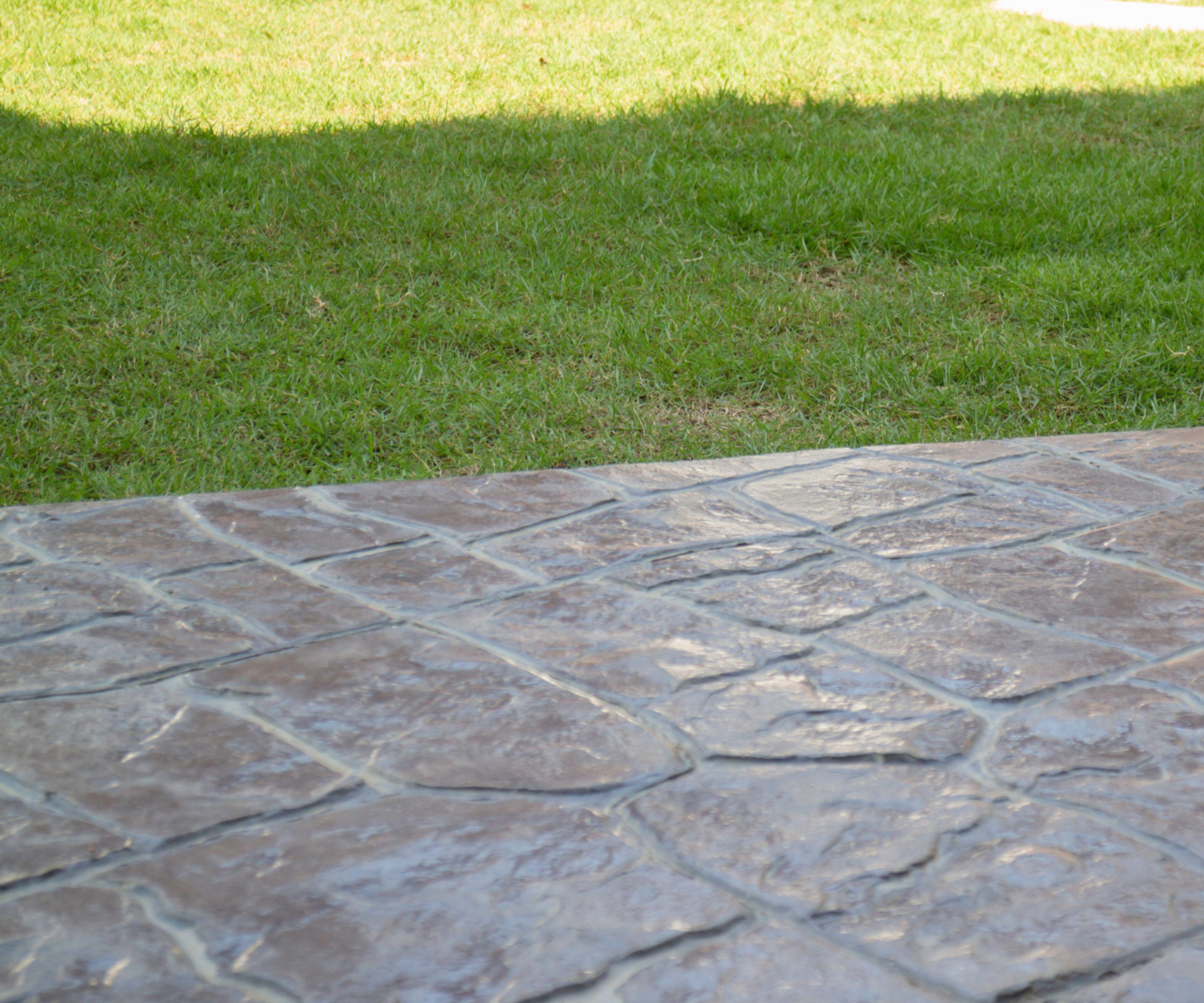
The expense for installing a stamped concrete driveway varies based on project size and complexity, with typical costs ranging from about £80 to £130 per square meter. If you decide to incorporate additional color, expect to pay an extra £7 to £12 per square meter. Budgeting for potential upsells can be wise since unexpected costs sometimes arise during installation. And this is the part most people overlook—having a clear understanding of your total budget can guide better decision-making and prevent unpleasant surprises.
Ideal Scenarios for Stamped Concrete Driveways
If you're upgrading or replacing your driveway, stamped concrete can serve as a visually pleasing and cost-effective solution compared to more expensive materials. It’s particularly suited for flat driveways, as sloped installations may present drainage challenges.
If you're working in this space, remember that the appeal of a stamped concrete driveway is clear, blending aesthetics with long-term durability and minimal maintenance—as long as drainage and potential for cracking are managed adequately. This makes it a compelling option, though not without its considerations.
Implications and Future Outlook
The trend toward stamped concrete driveways shows no signs of slowing down, driven by both visual appeal and low maintenance needs. However, consumers are becoming increasingly aware of sustainability in home improvement projects. As a result, the future may bring less resource-intensive alternatives that can replicate the look of stamped concrete while mitigating environmental impact.
Moreover, advancements in installation techniques and sealant technologies could lead to higher longevity and lower maintenance efforts. Homeowners must navigate the potential environmental trade-offs while balancing aesthetics and durability. Therefore, as you explore options, approach each choice thoughtfully. While stamped concrete offers compelling advantages, evaluating the broader implications can help you make a more informed decision.
For more detailed guidance, consult our expert resources on driveway building regulations and discover insights from our specialists regarding the nuances of transforming a garden space into a driveway.


Discussion
Sign in to join the discussion.