Transforming Open Spaces: Creating a Welcoming Entry Without a Traditional Hallway
Published Aug 25, 2026Reads 551Desk Gabriella Dyson
Design a cozy entryway that feels inviting and organized using strategic furniture, color, and lighting, even in open spaces.
Many of us know the feeling of stepping into our homes and being immediately immersed in a living space, with no distinct entryway to separate the outside world from our personal sanctuary. It can be disorienting, and often leads to clutter, especially when there’s no proper place to hang a coat or take off shoes. However, you don't have to compromise on the concept of an arrival zone; it’s all about how you use the space available.
What if I told you that a truly inviting entrance doesn’t necessarily require four walls and a dedicated door? Crafting an effective hallway hinges on creating that all-important "you’re home" sensation. This can be achieved in various layouts through careful choices in flooring, furnishings, and lighting.
To tackle this design challenge, we reached out to interior designers for their insights on how to simulate a hallway effect in a space that opens directly into another room. Their strategies ranged from strategic furniture arrangements to mastering illumination.
1. Establish a welcoming atmosphere, not a hallway clone
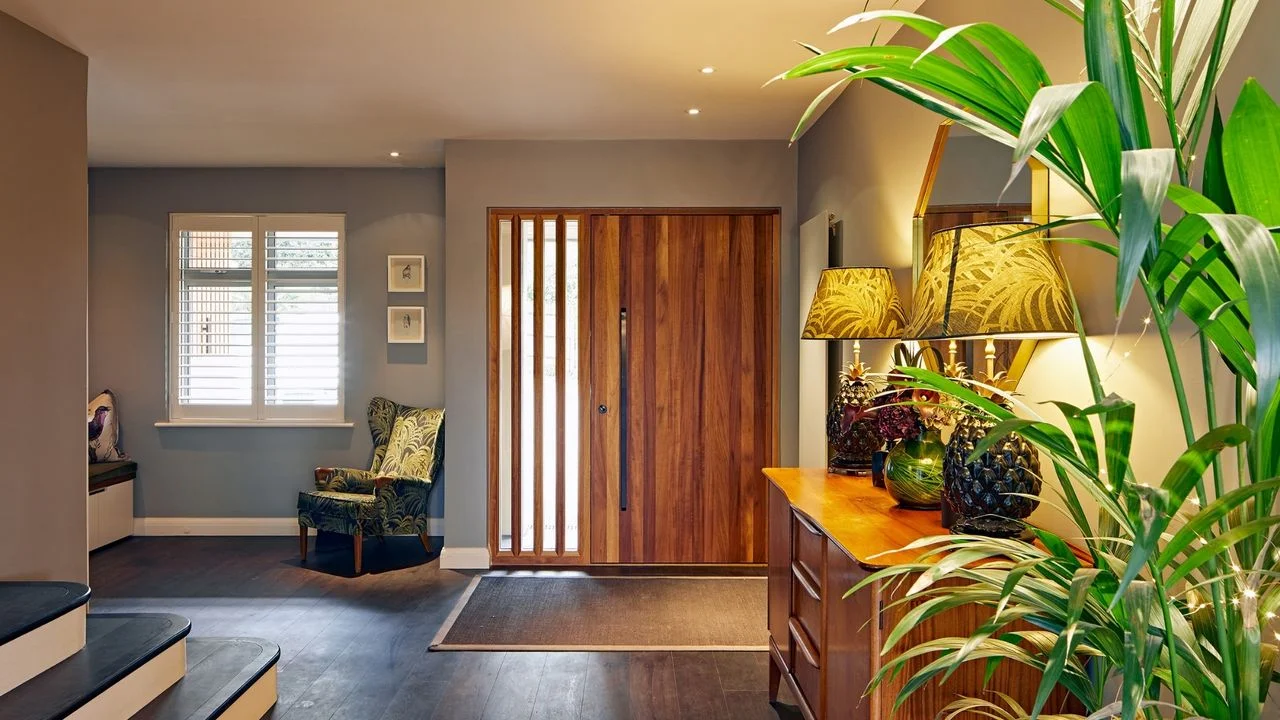
Abigail Ahern, a seasoned interior designer, emphasizes the value of generating "a sense of arrival" rather than simply replicating a conventional hallway. She suggests setting the stage with a spacious rug or runner to delineate the entrance. Following that, anchoring the area with a console table or a slim bench provides an immediate visual and functional point of focus. For storing coats and bags, vertical solutions like hooks or wall-mounted shelves can keep everything tidy, while baskets underneath can organize shoes.
Ahern points out that color plays an essential role in highlighting this space. Opting for darker hues or textured wall treatments like paneling can create an unmistakable boundary between the entry and living spaces. Lighting, too, has a transformative effect. A strategically placed lamp can invite and warm the entryway, making it feel intentional and inviting.
It’s crucial to remember that this approach doesn’t aim to deceive anyone into thinking a hallway exists where it doesn't. Instead, it’s about a set of design choices that carve out a niche significance in your home.
2. Incorporate a console table for a focal point
According to Kate Palmer, the creative director at The Painted Furniture Company, a console table can cleverly create the illusion of an entrance where one doesn’t exist. A well-chosen console tailored to the room's dimensions serves not only as a drop-off point for keys and mail but also enhances the aesthetics. Place a decorative mirror above it for practicality and to give the illusion of spaciousness. Accessorize the tabletop with a stylish bowl or a delicate vase to inject personality into the area.
This dual-purpose furniture piece does its work beautifully. A console table offers that immediate visual anchor as you enter, guiding your gaze and providing a surface to deposit belongings. Positioning this table near the front door helps it feel naturally integral to the space, rather than an odd addition.
3. Shift flooring materials to define the entrance
Alex Heslop, a trend expert from Flooring Superstore, notes that changing the flooring can effectively signal a transition area without needing walls. By employing different tiles or laying down patterns, you can shape a clear entryway that connects yet distinguishes itself from the wider living area.
Foot traffic will register the texture underfoot long before the brain processes the spatial change. Moreover, a durable material like tile is well-suited for handling the wear and tear of wet shoes or umbrellas, transitioning gracefully into softer flooring beyond the entry.
4. Consider a runner for visual clarity
Nick Acaster, Managing Director at Rugs Direct, advocates for the use of a runner right inside the entry. This simple addition visually demarcates the space, guiding your journey further into the home. It conveys that first stretch of flooring its unique identity.
Choose a runner that either contrasts with the existing flooring for a more noticeable boundary or harmonizes with the color palette of the room for subtlety. Whatever your choice, attention to the size of the runner is paramount; aim for a layout that showcases a bit of surrounding floor for a polished look.
5. Strategically place furniture for an informal room divider
Joe Burton from The Brick Tile Co explains that when faced with a large room, furniture can act as a gentle divider, crafting a more pronounced entry. Utilize a low bookshelf or console table positioned at an angle to let light flow while subtly framing the entrance.
The intent should be to intercept the visual continuity without compromising the view to the space beyond—enough to signal you've crossed into a different zone, fostering a unique atmosphere as you finish up the transition.
6. Introduce a storage bench for comfort and utility
Debbie Leigh from ILIV suggests that a soft-sided storage bench placed by the door can cultivate a small welcome space. This allows you to easily sit while putting on shoes and provides a convenient storage solution for everyday items that might otherwise clutter your living area.
When arranging your space, keep it inviting and open to facilitate movement, while thoughtfully choosing textured upholstery and complimentary decor emphasizes that satisfactory entrance experience.
Creating a cozy entryway doesn't have to be a daunting task. With these insights in hand, you've got the tools to develop an inviting arrival area that reflects your style and functionality without the need for traditional boundaries.
Wrapping Up: Intelligent Design Choices Matter
As we consider the importance of thoughtful design, it’s clear that renovations, even in transitional spaces like hallways, can significantly impact a home’s functionality and style. Many homeowners often overlook these areas, but they offer unique opportunities for storage and aesthetic improvement.
The takeaway from our exploration is simple: investing in practical yet stylish features transforms your space. Whether you're contemplating built-in storage solutions that cleverly utilize vertical spaces or introducing soft lighting to enhance ambiance, the right choices can make a world of difference.
"For those looking at their hallways with fresh eyes, every detail matters," says Peter Legg from Där Lighting. This sentiment highlights a crucial aspect of interior design: utility doesn’t have to sacrifice style. A combination of functional elements, like dimmable lighting and purposeful furniture, along with creative touches such as a door curtain or unique decor, can completely revolutionize how an entryway feels and operates.
What this means for you is that with thoughtful planning, even a small hallway can become a welcoming corridor that gracefully transitions guests into your home. Emphasizing storage without sacrificing aesthetics doesn’t just eliminate clutter; it creates a space that feels more organized and inviting.
So, if you're venturing into your next home improvement project, remember this: the best designs marry function to beauty, turning underappreciated spaces into highlights of your home. The inspiration you draw from these strategies could redefine how you navigate the small but significant areas of your living space. Don't underestimate the power of intelligent design choices—your home will reflect your personality and provide comfort in return.


Discussion
Sign in to join the discussion.