Choose textured paving with a verified slip rating, install it with good drainage, and keep it clean to reduce slip risks on paths and driveways.
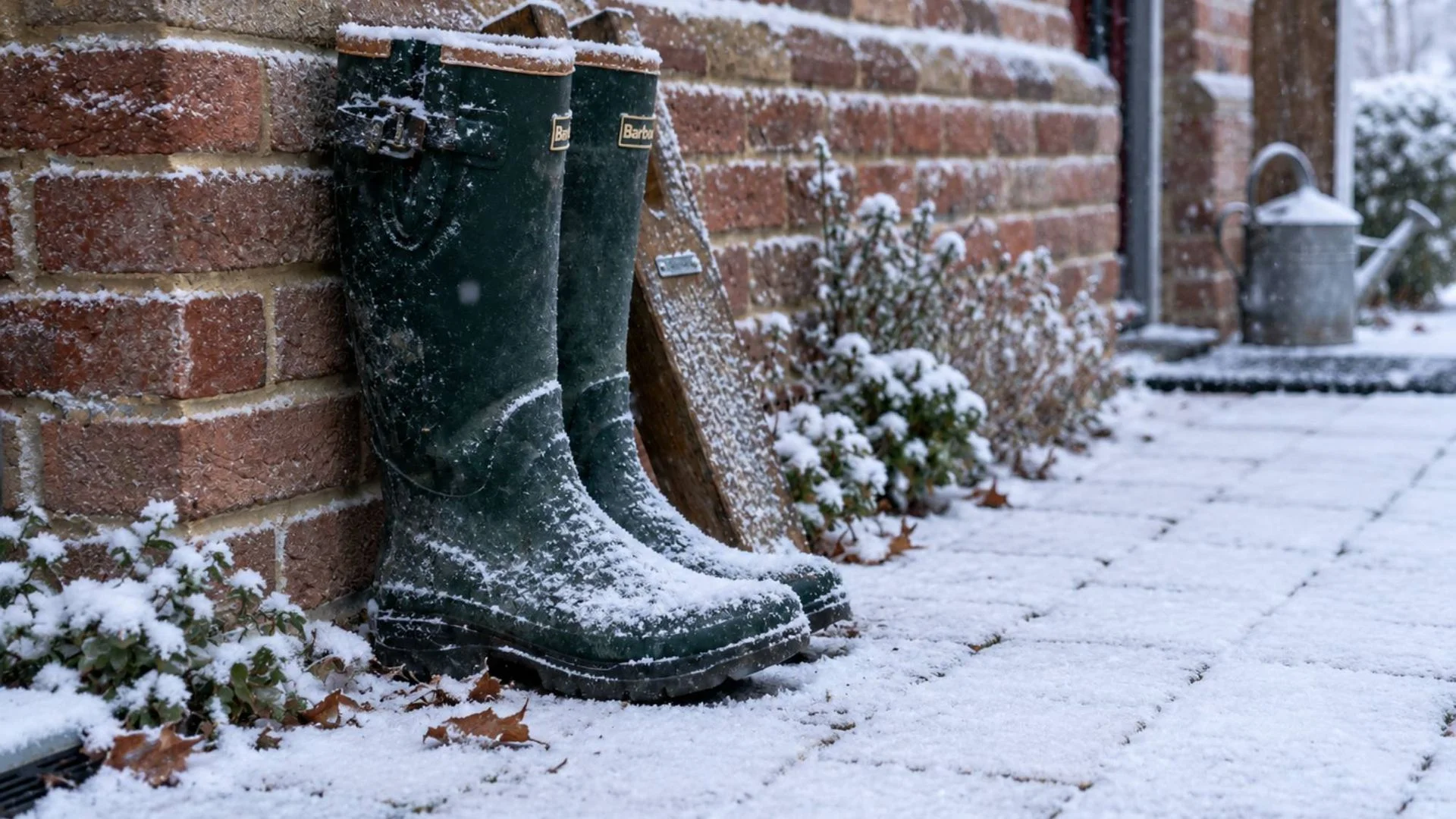
A slippery path can turn an ordinary autumn walk into a serious injury. I learned that the hard way after tearing my ACL in a fall on a frosty November day. Rain, fallen leaves, algae, standing water and freezing temperatures can all make paths and driveways treacherous. The useful point is that the risk isn’t entirely down to the weather: your choice of surface, drainage and upkeep all matter.
If you’re planning a new driveway or path, the surface you choose now can be more effective than trying to fix a recurring slip problem later. Existing paving can often be made safer, too, with suitable treatment and regular cleaning.
Choose a surface for grip
Looks alone won’t tell you how paving performs in the rain. Nicole Bennett, product portfolio lead at Marshalls Landscaping, says textured concrete and block paving can work well for paths and driveways. Natural stone can also provide good slip resistance if it has a suitable textured finish. She advises checking manufacturers’ slip-resistance information because performance varies between products and finishes, including within the same material type.
Daniel Ferguson, North East construction director at David Wilson Homes, says smoother surfaces generally offer less friction, particularly when wet. He describes smooth concrete and block paving as more slippery, while rougher tarmac and resin-bound asphalt are less prone to becoming slippery in wet weather. David Wilson Homes lays its driveways with asphalt to relevant British standards, which Ferguson says are designed to produce a durable, slip-proof finish.
For garden paths, Colin Lincoln-Evans, head of buying at Tile Mountain, recommends textured outdoor porcelain. It’s durable, easy to maintain and available in designs such as stone and slate effects. He advises choosing tiles made for outdoor use with an R11 slip rating or higher. The scale runs from R9 to R13, with higher figures indicating greater slip resistance in testing. A matt finish alone doesn’t establish that a tile is slip-resistant; check its specification.
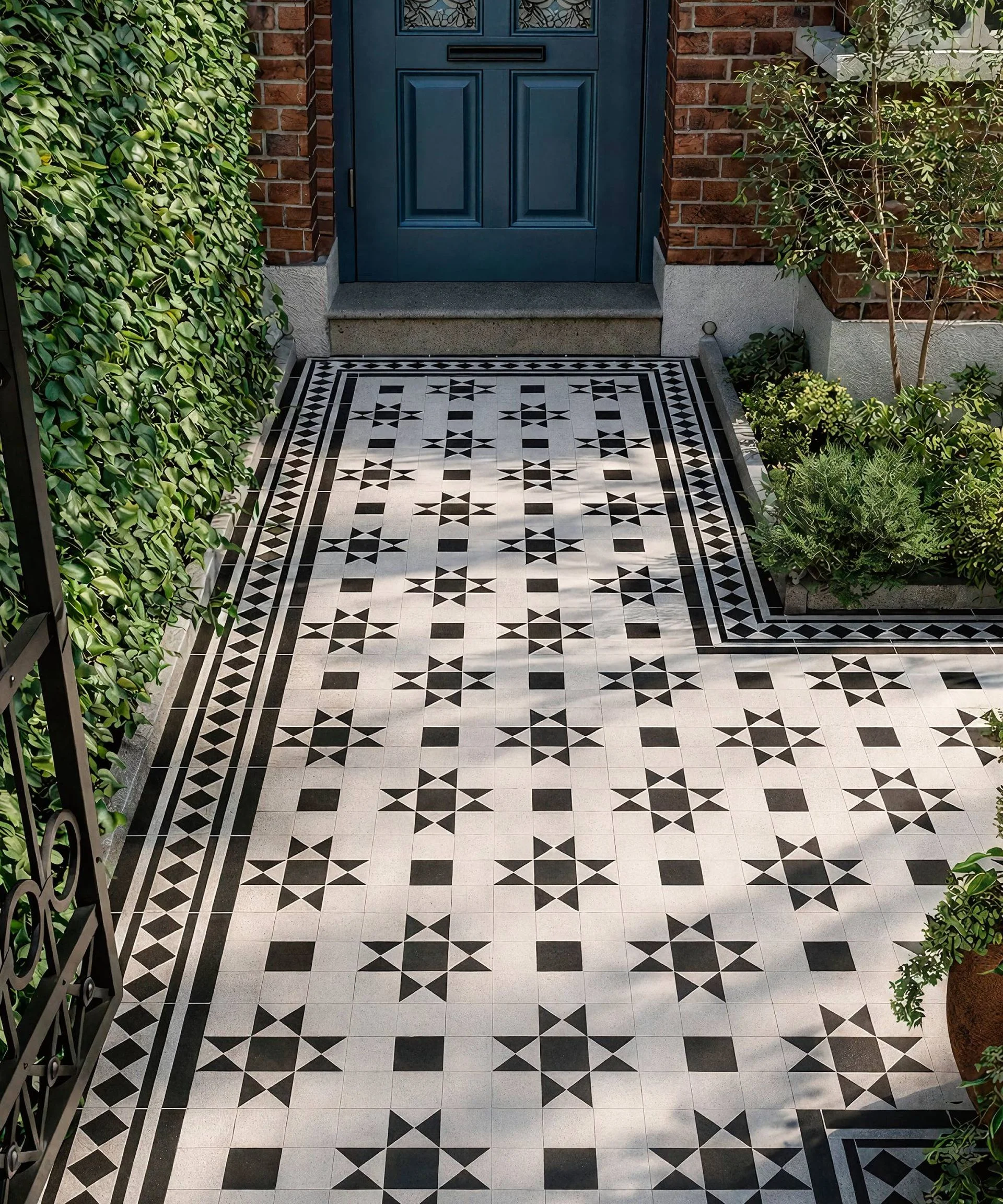
Slip-resistant pathway tiles
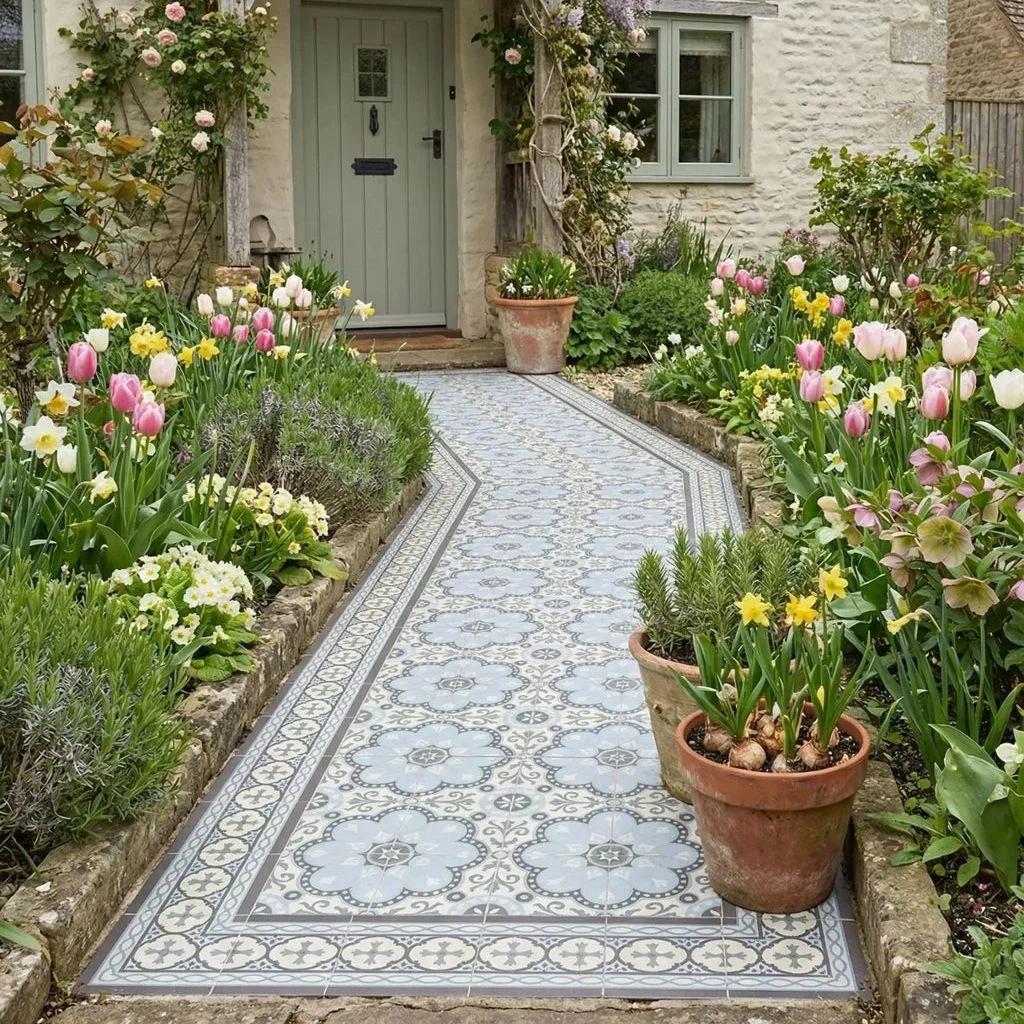 Pastel path
Gothic-inspired motifs and soft cream, blue and grey tones suit both modern and traditional settings.
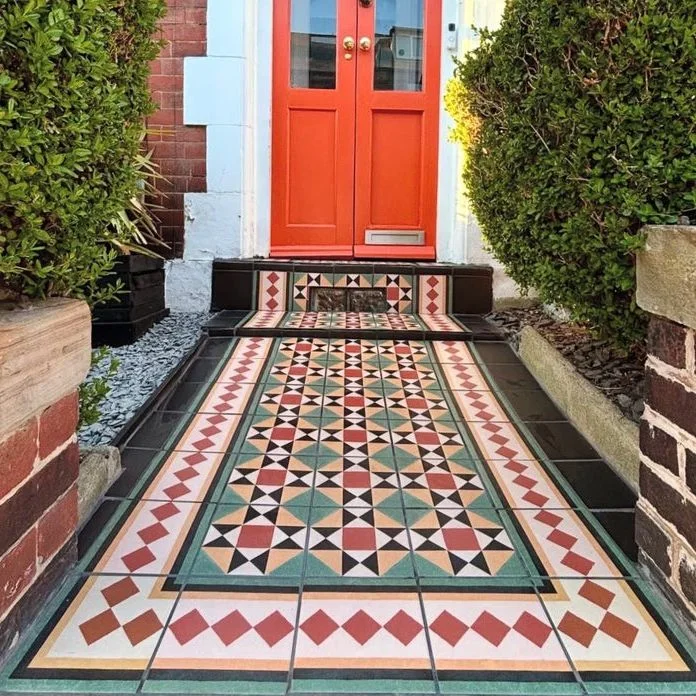 Victorian vibrancy
A Victorian-inspired pattern gets a playful contemporary colour treatment. These tiles have an R11 rating.
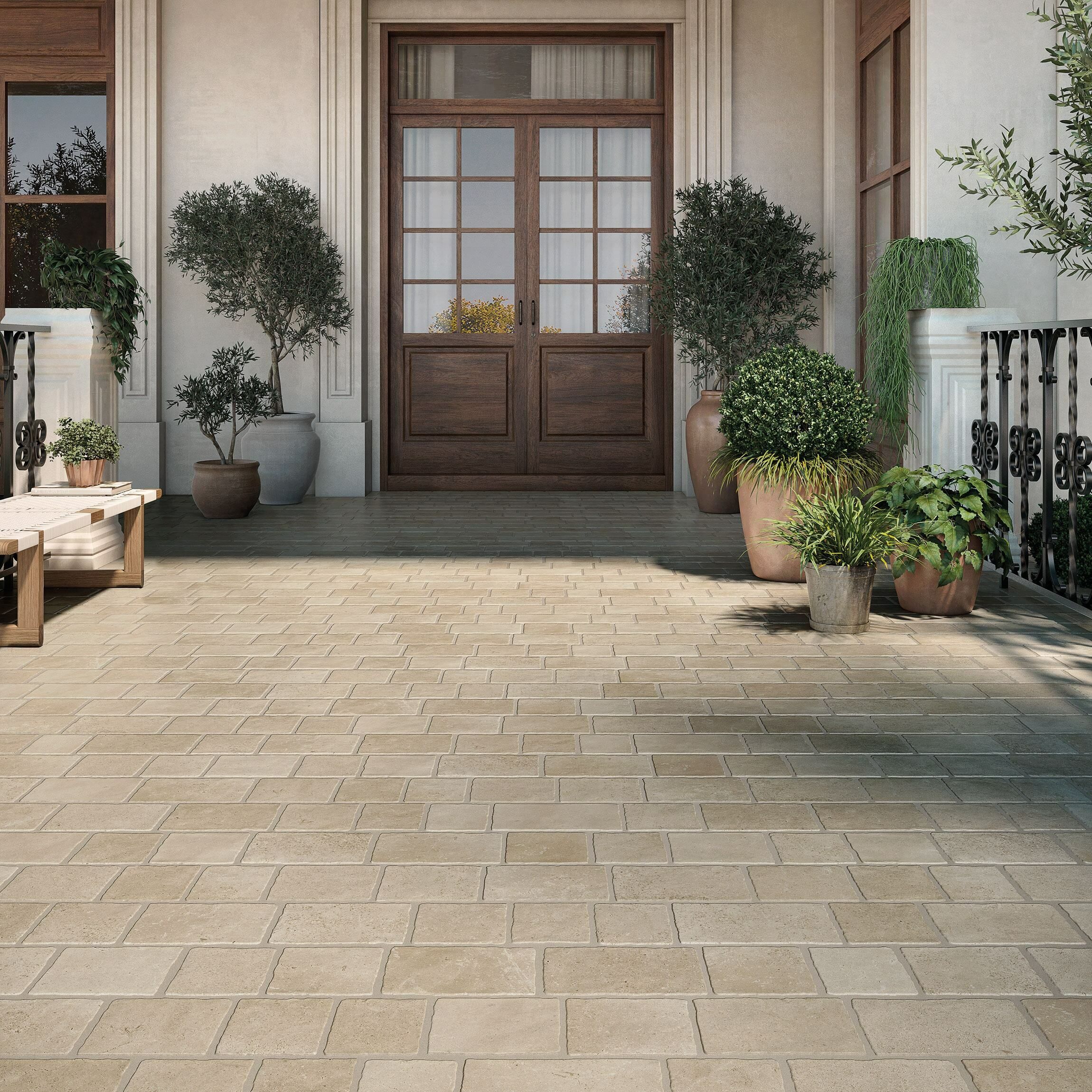 Classic cobbles
This cobblestone-effect porcelain offers a rustic look for a garden path and has an R11 slip-resistance rating.
Get the drainage and installation right
Even paving with good grip can become hazardous if water sits on it. Bennett says paths and driveways should direct surface water away from places where it could pool, without creating drainage problems elsewhere on the property. Standing water can make paving slippery, freeze into ice and leave conditions that encourage moss and algae.
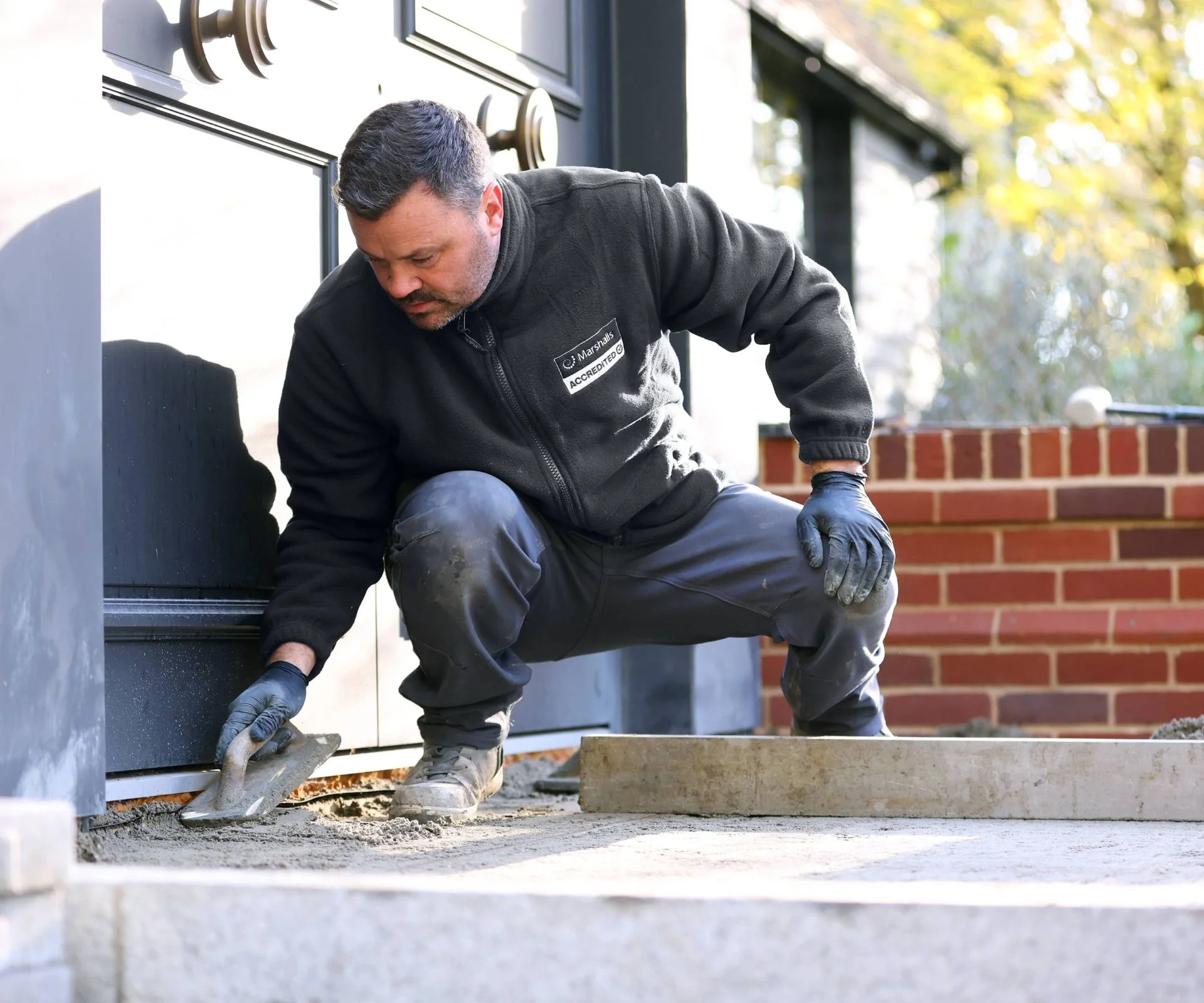
Lincoln-Evans says paving needs a slight fall so rain drains away instead of collecting in puddles. That slope and a properly prepared base need to be planned before installation. Porcelain slabs laid on mortar should sit on a full mortar bed with a suitable bonding primer. Loose slabs, uneven edges and sunken areas need attention: they can trip people and trap water.
If an existing path regularly holds water, find out why. A blocked drainage channel may be easy to clear; sunken paving or an incorrect fall could mean lifting and relaying part of the path.
Use anti-slip treatments with care
If your path or driveway is already laid, anti-slip treatments may improve grip, especially in wet weather. They come in several forms, and the right one depends on the paving material.
Chemical treatments work at a microscopic level to improve traction, usually without adding a visible coating. They’re generally intended for porcelain, ceramic and natural stone tiles. Sealers coat the surface and may add texture or grip while helping protect concrete paving, masonry and some natural stone from water and stains. Clear anti-slip coatings form a transparent layer intended to increase grip without substantially changing the surface’s appearance.
Here’s the catch: a treatment that suits one surface can damage another or make it more slippery. Some chemical products microscopically etch paving and may change its finish; the wrong sealer can reduce grip. Sandstone, limestone, granite, porcelain and concrete all behave differently. Check that a product is suitable for your paving, test it on a small area first, and remove moss or algae before applying it.
Anti-slip treatments
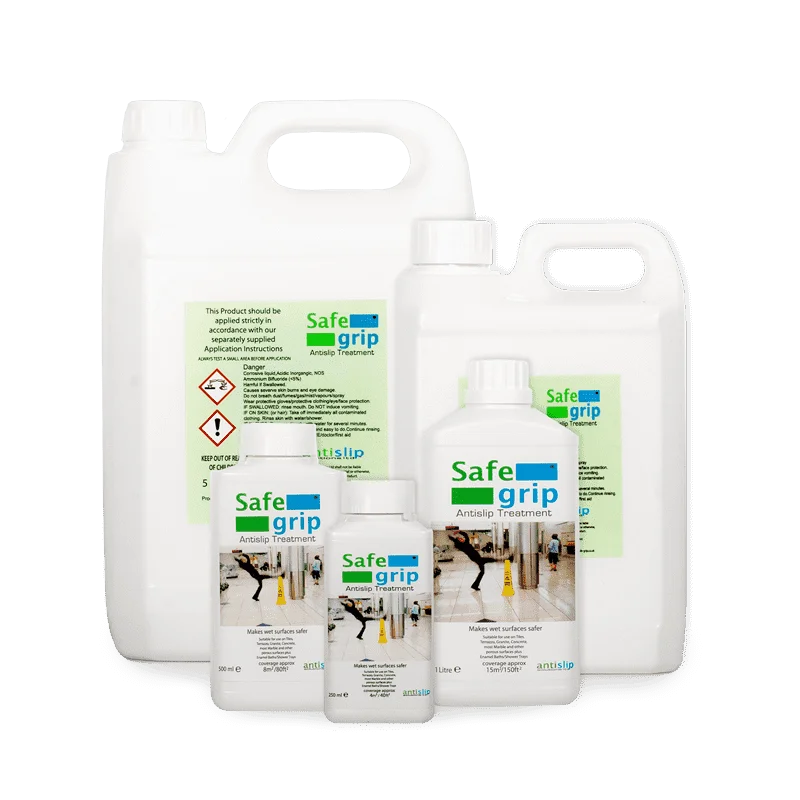 Chemical treatment
SafeGrip reacts with the surface at a microscopic level, creating millions of tiny pores to help improve traction when wet.
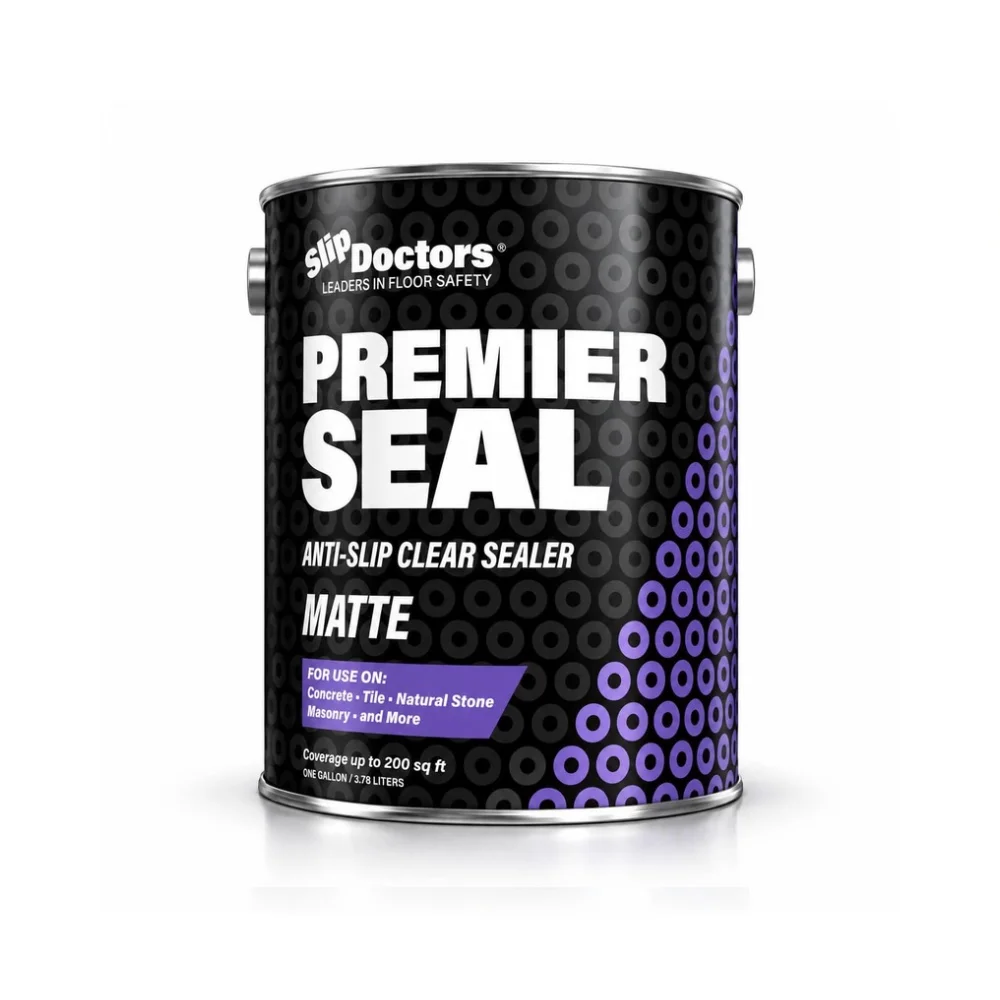 Anti-slip paving sealer
This acrylic sealer covers up to 200 sq ft and is designed to improve grip while protecting concrete, paving slabs, masonry, sealed tile and composite decking.
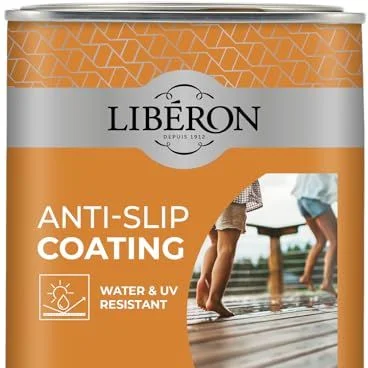 Clear anti-slip coating
This clear coating is designed to preserve a surface’s colour and texture. One litre covers around 12 sq m.
Keep leaves, algae and moss under control
Regularly sweep away leaves, mud and debris, especially in autumn and winter. Shaded paths need extra attention because they stay damp longer, giving moss and algae a chance to grow. If paving develops green growth or a slippery film, Lincoln-Evans recommends using a cleaner suited to that material.
Bennett cautions that cleaning products must be compatible with the paving. Pressure washing also needs care: it can damage the surface or dislodge the jointing material. See this guide to cleaning block paving.
For porcelain, Lincoln-Evans suggests LTP Blackspot & Algae Remover, £44.95, Tile Mountain, which can treat algae, moss and organic staining. Follow the directions, leave the product to work for the recommended time and rinse as instructed. Clean on a frost-free day, then let the path dry before walking on it.
He also recommends LTP Porcelain Tile Protector, £21.95, Tile Mountain. A sealant is usually unnecessary for outdoor porcelain, but a protector can make the tiles easier to clean and help prevent grout or jointing residue from sticking in the textured surface during installation. It can also help guard against stains.
Apply the protector before grouting, then apply it again once the joints have dried and residue has been removed, following the product instructions. Keeping textured tiles free of deposits helps preserve their grip. But there’s a trade-off: a protector may lower a tile’s slip rating, and it won’t stop ice forming.
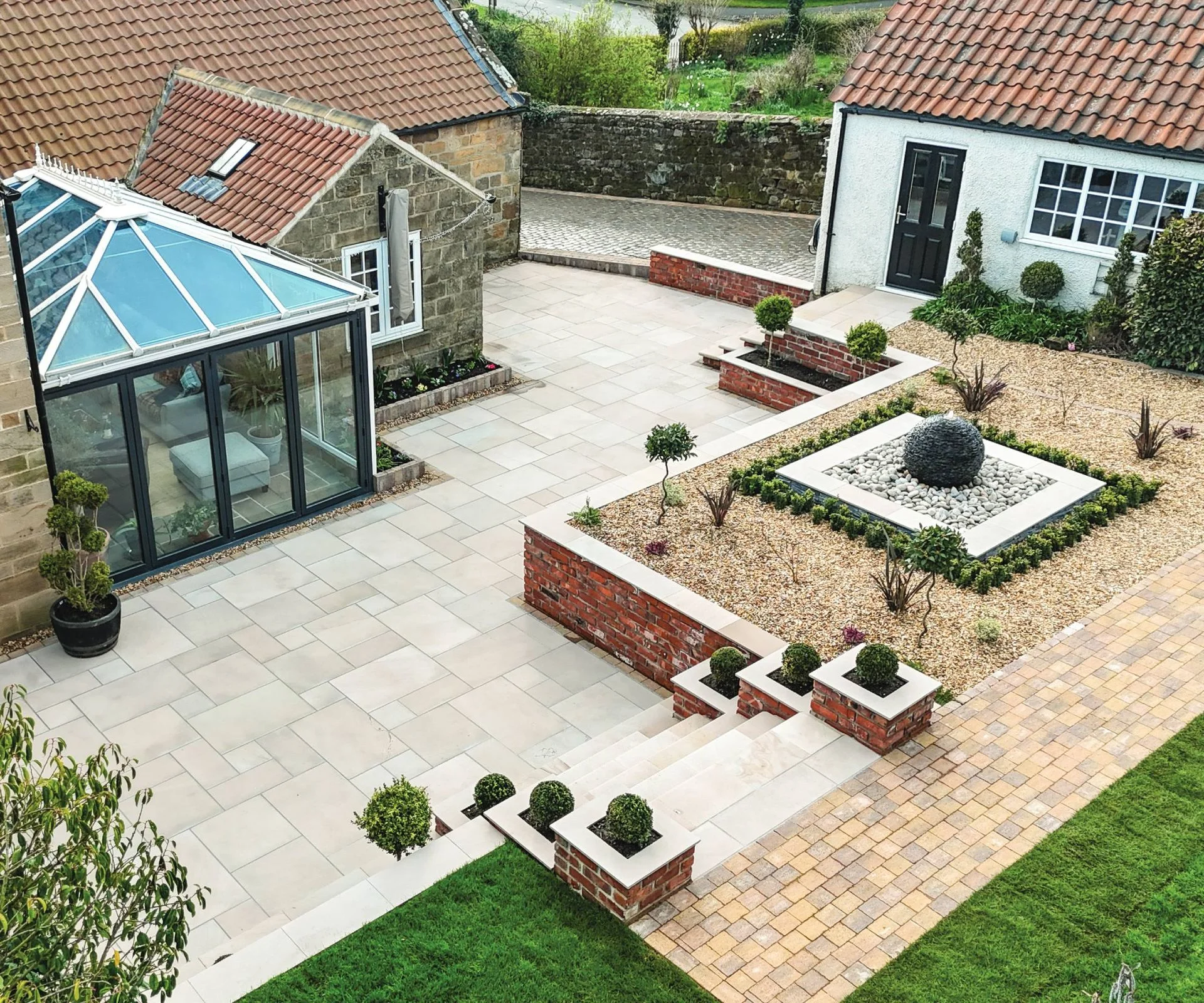
Grit paths and driveways in cold weather
Ice changes the safety equation
A slip-resistant finish can help in ordinary wet conditions, but it can’t stop ice forming. Even frost-resistant tiles may freeze over, so severe winter weather calls for extra care whether or not the paving has been treated, says Colin Lincoln-Evans. Clear snow promptly and use de-icer only after checking the paving manufacturer’s advice. Some chemicals can harm paving or its joints, especially with repeated use, warns Nicole Bennett. Grit salt is another option for improving grip. Daniel Ferguson suggests about 20 to 40 grams per square metre; use more cautiously near plants, which salt can damage.Shop snow and ice removal
 Sturdy shovel
This wide shovel handles snow as well as building debris and comes with a 25-year guarantee.
 Salt solution
This coarse-grained natural salt is less corrosive than some de-icers and can be used on roads, driveways, paths and pavements.
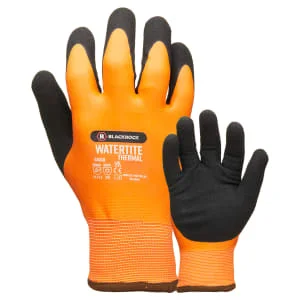 Cosy cover ups
These thermal work gloves are waterproof to the wrist, making them suited to wet conditions.
Fix the cause, not just the slippery surface
Treatments can’t compensate for bad drainage, unsuitable paving or other [driveway mistakes](https://www.homebuilding.co.uk/advice/driveway-mistakes). If a section is failing, relaying or replacing it may be the sounder long-term answer, Lincoln-Evans says. The repair might be as simple as removing crumbling mortar, cleaning the joints and repointing them. But sunken or uneven paving needs to be lifted and reinstated. Persistent puddles point to a drainage problem: a channel drain or [French drain](https://www.homebuilding.co.uk/advice/what-is-a-french-drain) may help, as can changing the paving’s gradient to direct water away.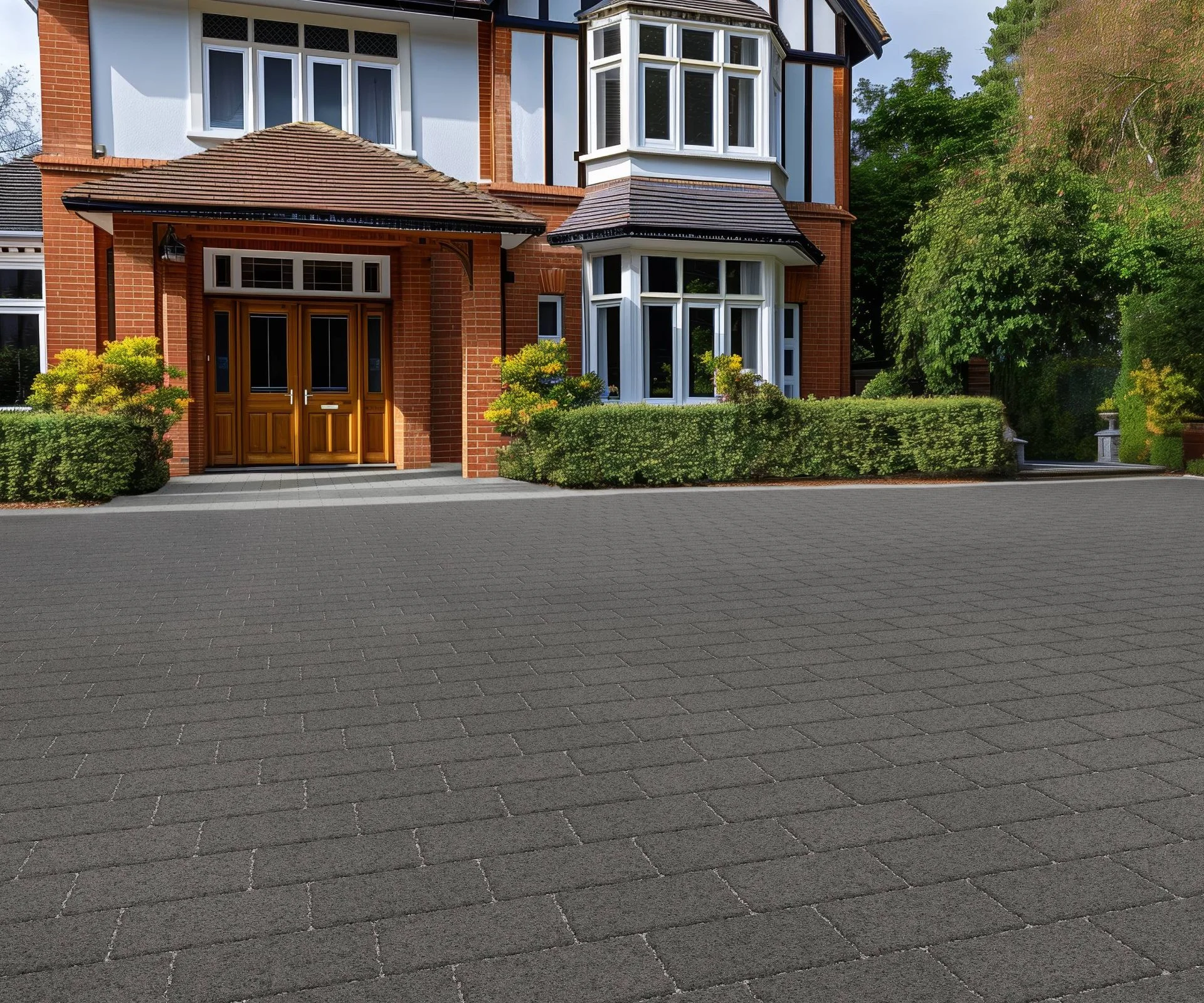


Discussion
Sign in to join the discussion.