The WV2 Plus N clears condensation quickly on small panes, with two suction-head sizes and a 35-minute runtime. Its cleaning head comes in one size only.
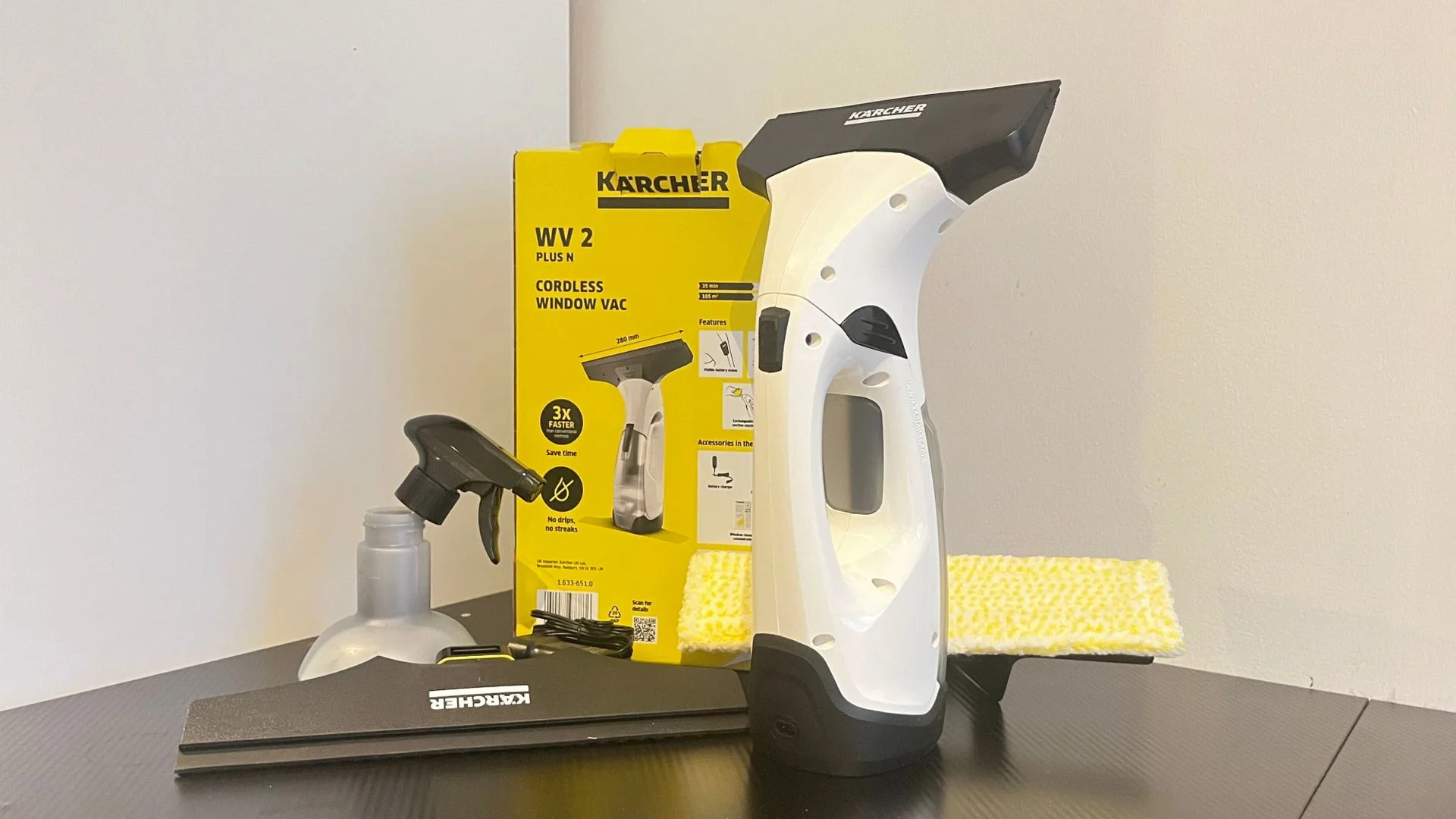
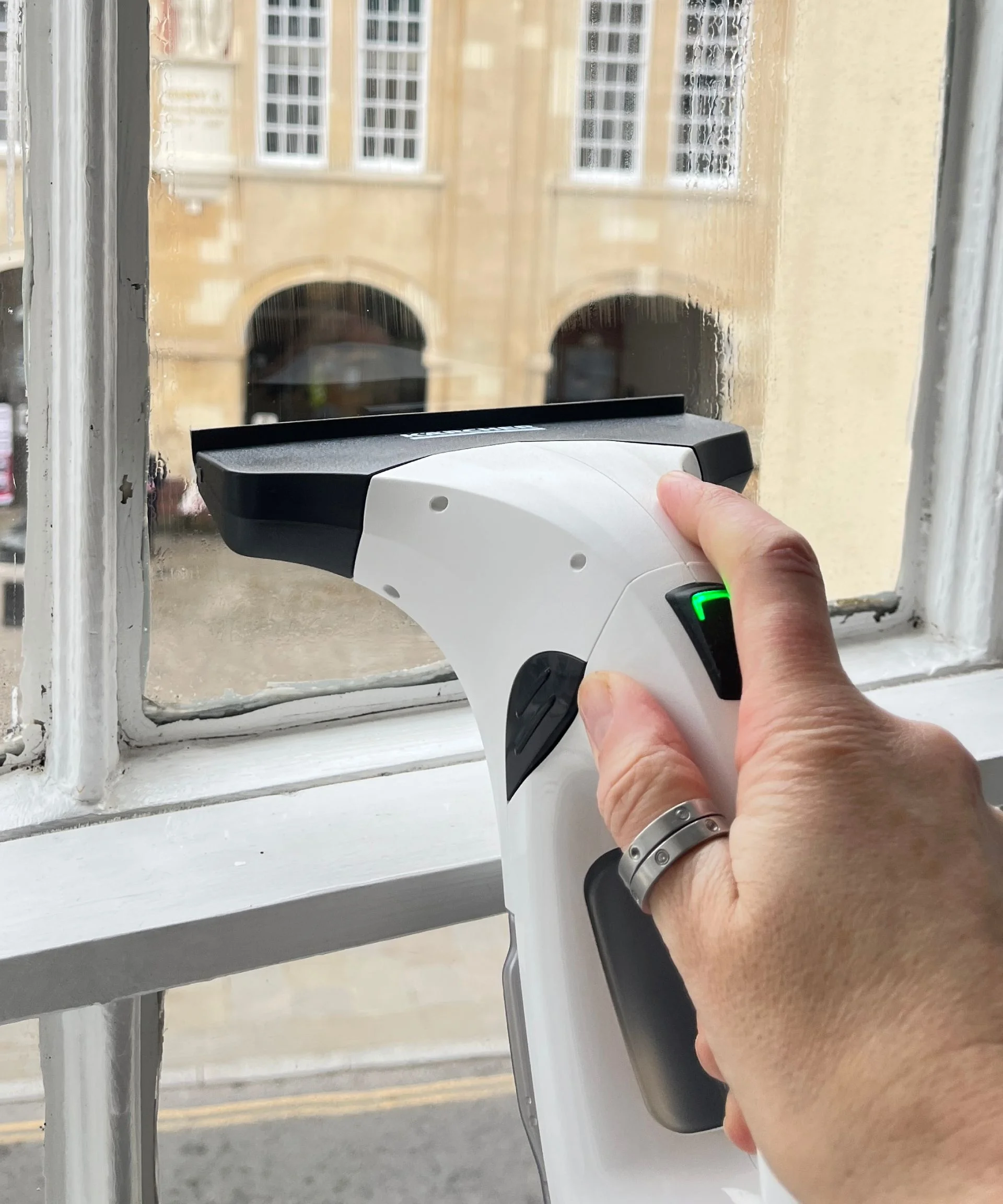
For multi-panel windows, the Kärcher WV2 Plus N’s most useful feature is its smaller suction head. It reaches across narrow panes without the awkward manoeuvring that can make condensation cleanup slow, and it leaves little water behind. The cordless vac has limits, though: its cleaning attachment comes in just one size, which makes it less versatile on small panes.
That trade-off matters in homes where winter condensation is a regular chore. In a listed building with single-glazed sash and casement windows, replacing the glazing isn’t a straightforward fix. A dehumidifier can help manage indoor moisture; a window vac offers a quick way to clear what collects on the glass. The WV2 Plus N is a compact option for that daily task.
Two suction heads make the difference
The WV2 Plus N comes with two suction heads, a cloth-covered cleaning head, a spray bottle and a sachet of cleaning solution. The heads slot onto the vacuum’s main body and release by pressing the grey section at the base. Switching between them is simple, and the narrower head is the one that makes this model particularly suitable for small panes.
The larger head can be used on individual panes in sash windows, but it doesn’t clear the full width in a single pass. The smaller one is easier to guide across both sash and casement windows, and it avoids awkward turns to reach the edges. That also reduces the chance of water spilling from the tank when the vac is tilted during use. During testing, the water stayed inside even when the appliance was turned.
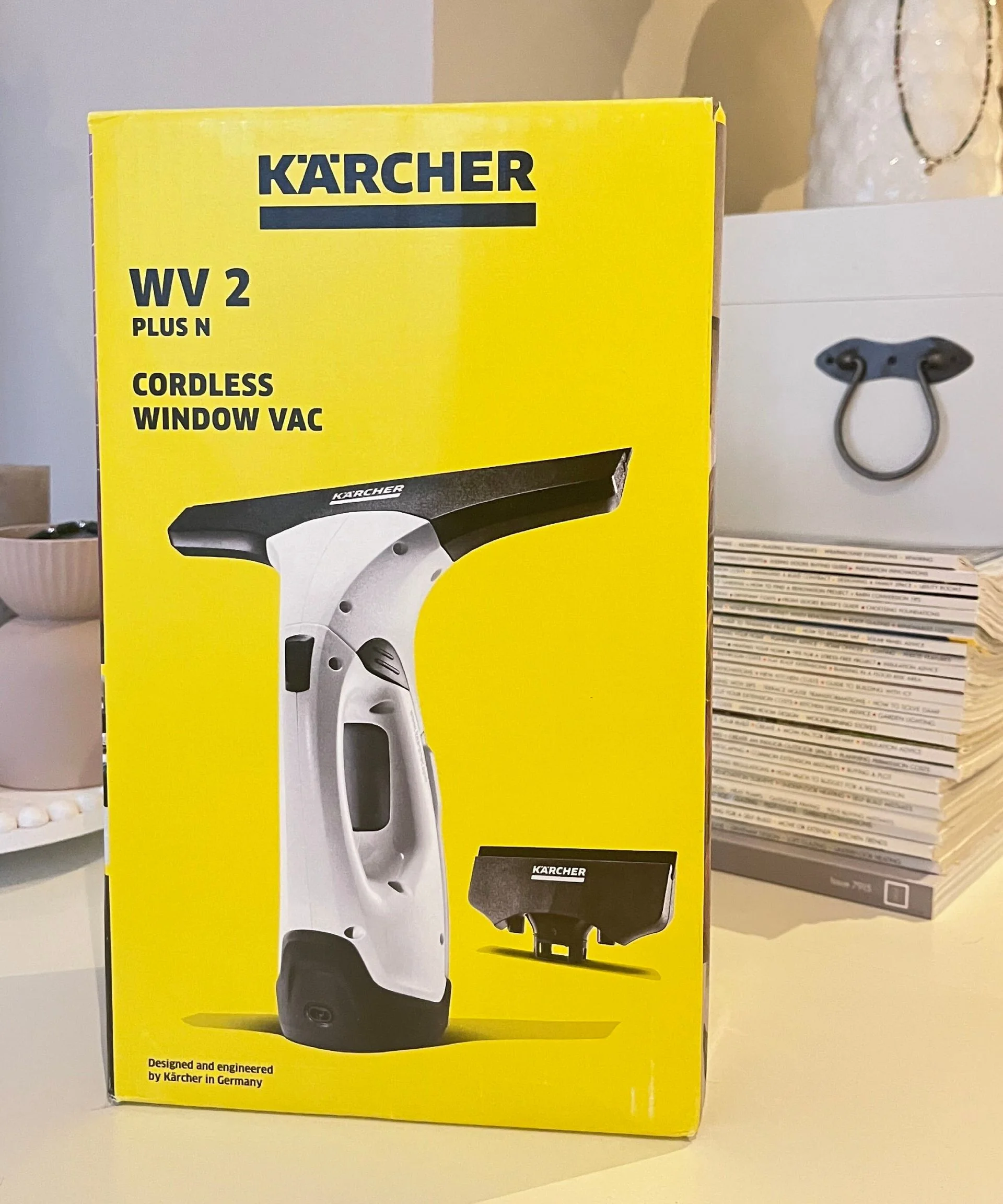
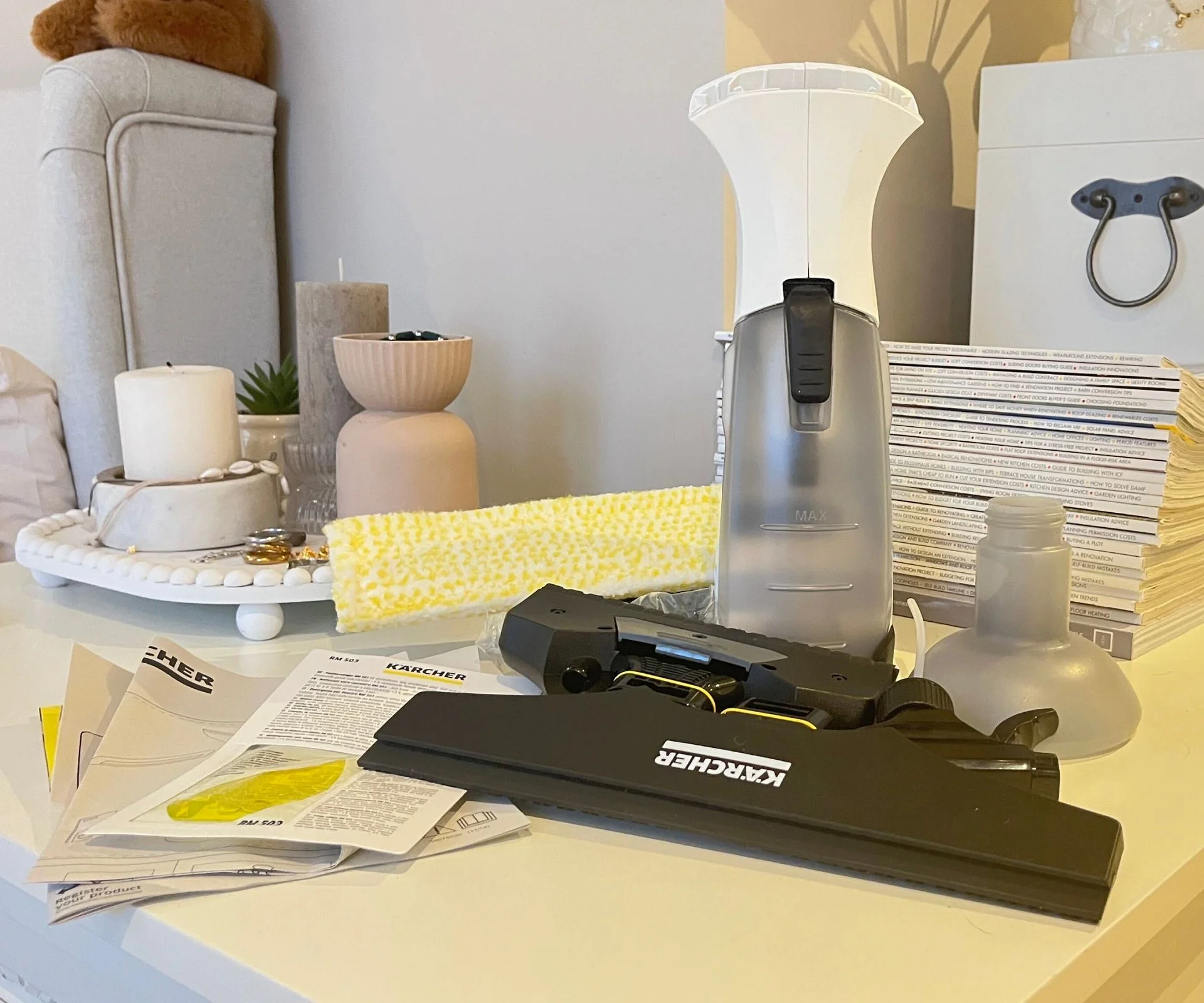
Its core specifications are straightforward: a 100ml water tank, up to 35 minutes of runtime and a stated full charge time of 230 minutes. The vacuum measures H32 x W28 x D12cm and weighs 0.6kg. That small tank may need emptying during a larger cleaning session, but the stopper at the top comes out easily and the collected water pours into a sink without fuss.
Fast condensation cleanup, with some noise
On condensation, the WV2 Plus N works quickly. Moisture disappeared from the test windows within seconds, and the rubber blade moved smoothly down the glass. Window vacs can leave water pooled along the bottom edge; here, most of it was collected during the pass. A quick wipe of the blade against the wooden frame cleared the few remaining drops.
The speed is useful when clearing several small panes in the morning, but the motor is noticeably loud for a compact appliance. The noise is brief if the job is limited to condensation, which makes it easier to accept than it might be during a longer cleaning session.
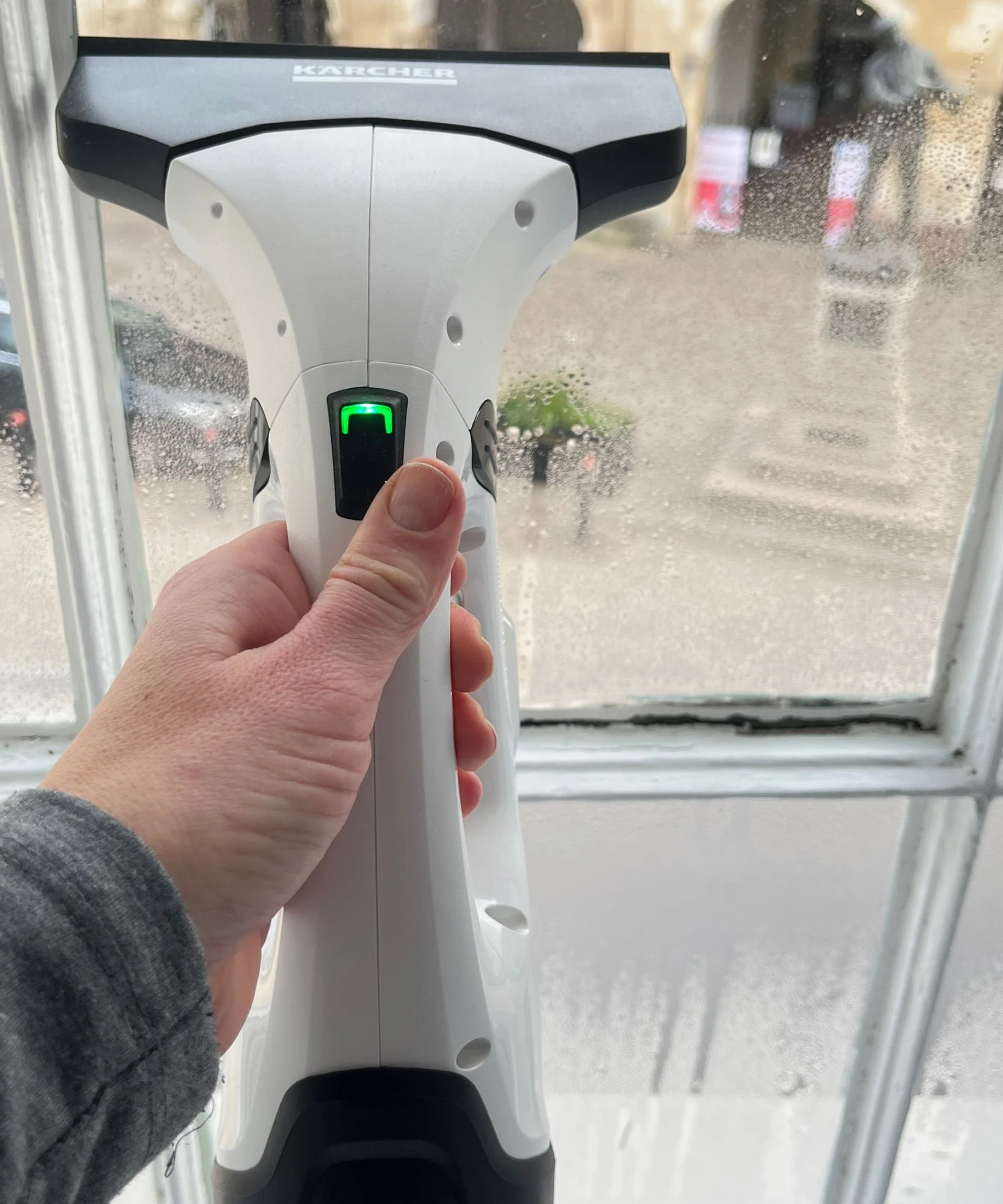
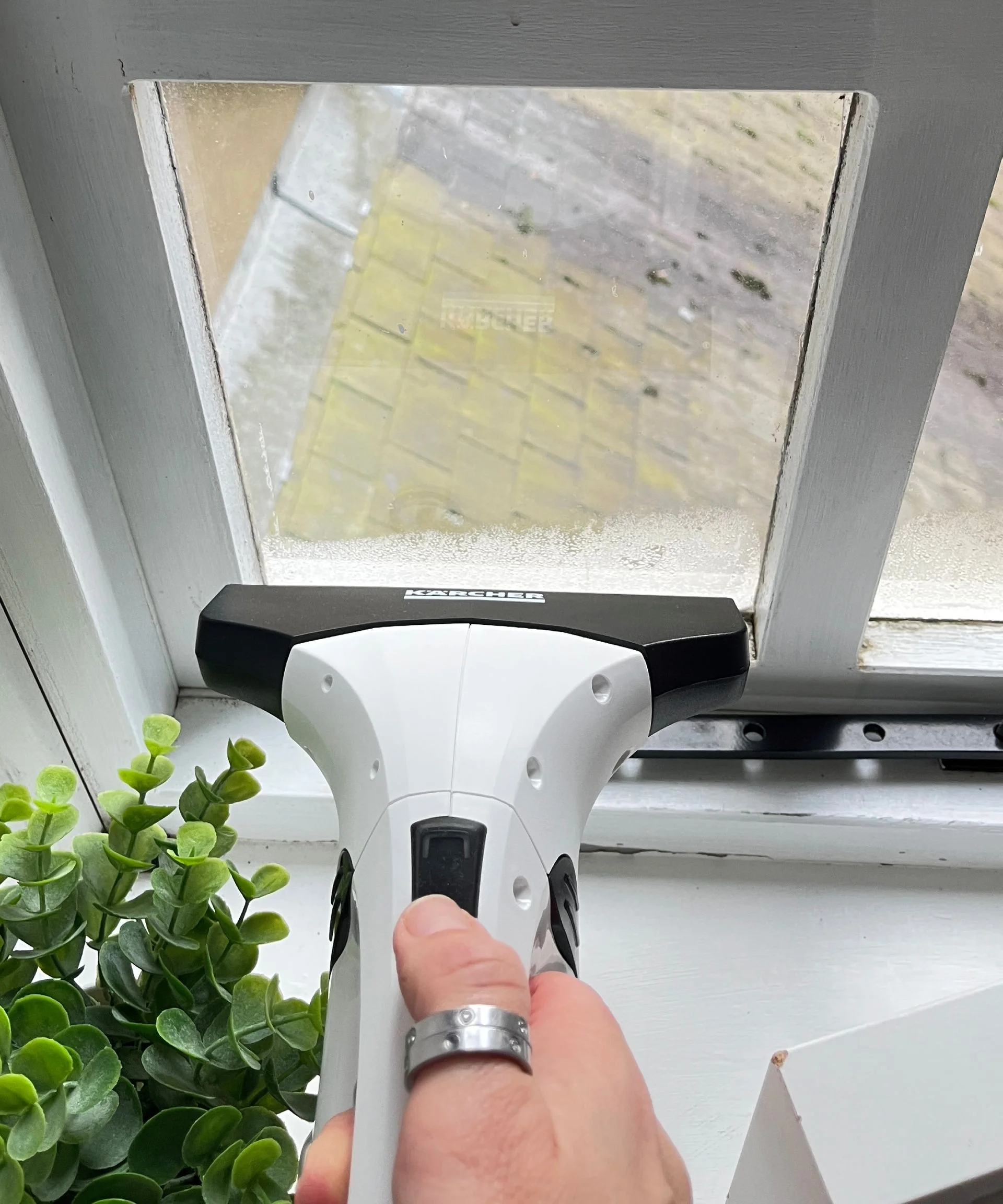
The 0.6kg body is light enough to use comfortably, and the handle feels secure. A ridged section on the inside and textured finish on the outside help maintain a steady grip. Charging is also uncomplicated: connect the cable to the body, plug it in and wait for the indicator light to go out. The stated charge time is nearly four hours, so it’s best to charge ahead of a planned cleaning session rather than expect a quick top-up.
Cleaning works, but the attachment is less flexible
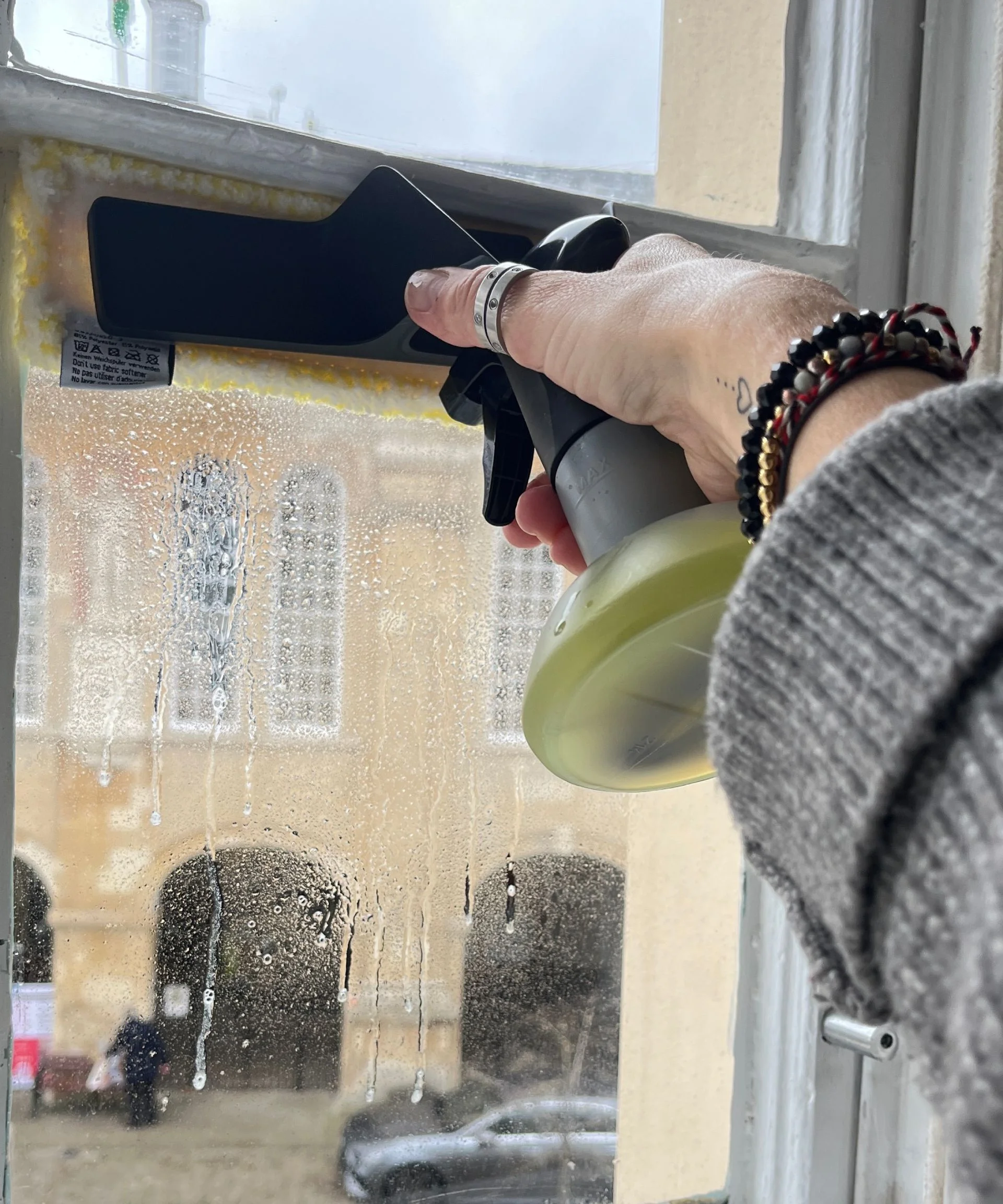
The WV2 Plus N can also clean glass. For this, the spray head fits into the cloth-covered cleaning attachment. Add the supplied cleaning solution to the bottle, fill it with water to the marked level, spray the window and wipe downwards. The vacuum then removes the remaining liquid.
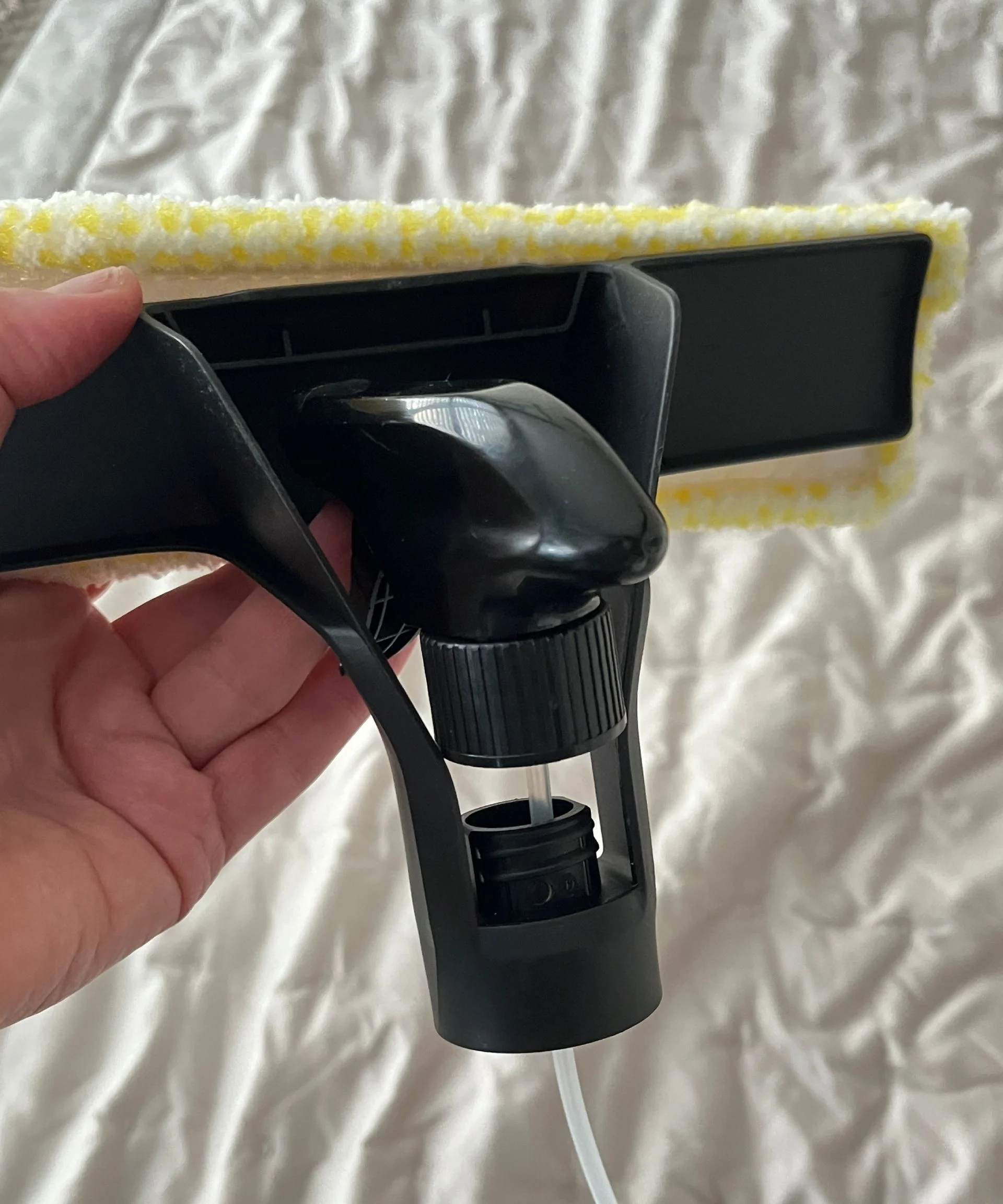
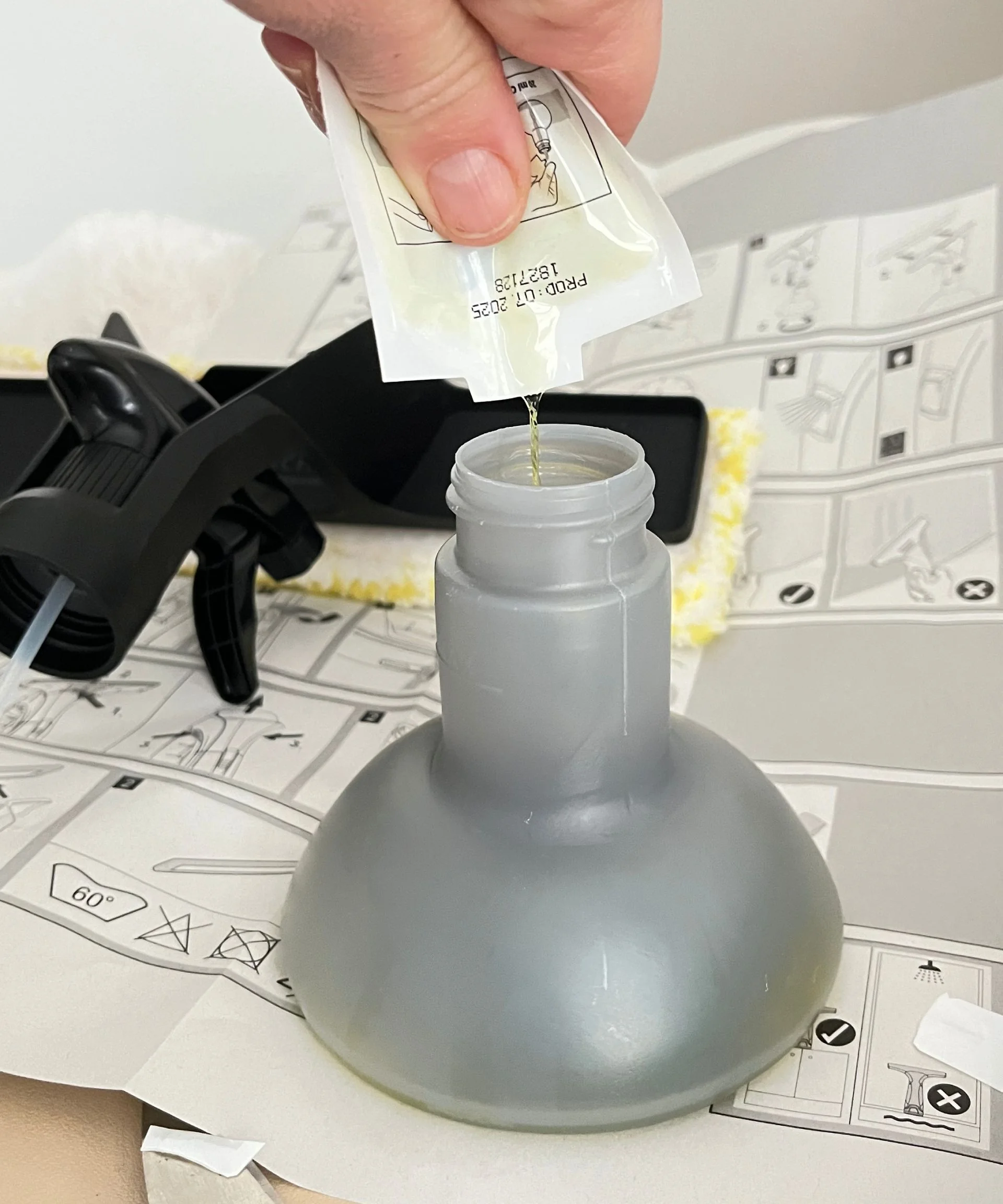
On sash windows, the process was quick and left a clear finish with little streaking. The larger cleaning head felt cumbersome on smaller sections of glass, however, and there’s no smaller version included to match the narrow suction head. That restricts where the cleaning kit is practical: it can be used on the sash windows tested, as well as glass such as shower screens, mirrors and wardrobe doors, but isn’t as well suited to every small pane in the home.
A focused choice for smaller windows
The WV2 Plus N makes the most sense for homeowners who want a fast, repeatable way to clear condensation from multi-panel glass. Its smaller suction head tackles the task without forcing extra passes or awkward wrist movements, while the larger head gives it some flexibility on wider panes. The 35-minute runtime should cover routine condensation cleanup in most homes, and the tank is easy to empty if a larger job calls for it.
For more extensive window cleaning, the single-size cloth attachment is a real limitation. A narrower cleaning head would make the kit more useful across the same small panes that benefit from the compact suction head. Still, the vacuum’s strongest job is moisture removal, where it’s quick, easy to handle and leaves little water behind. For households dealing with condensation on narrow sash or casement panes, that daily convenience is the clearest reason to choose it.
Discussion
Sign in to join the discussion.