Six inexpensive tools can help DIYers get cleaner paint lines, even tile joints and more accurate cuts, with less trial and error.
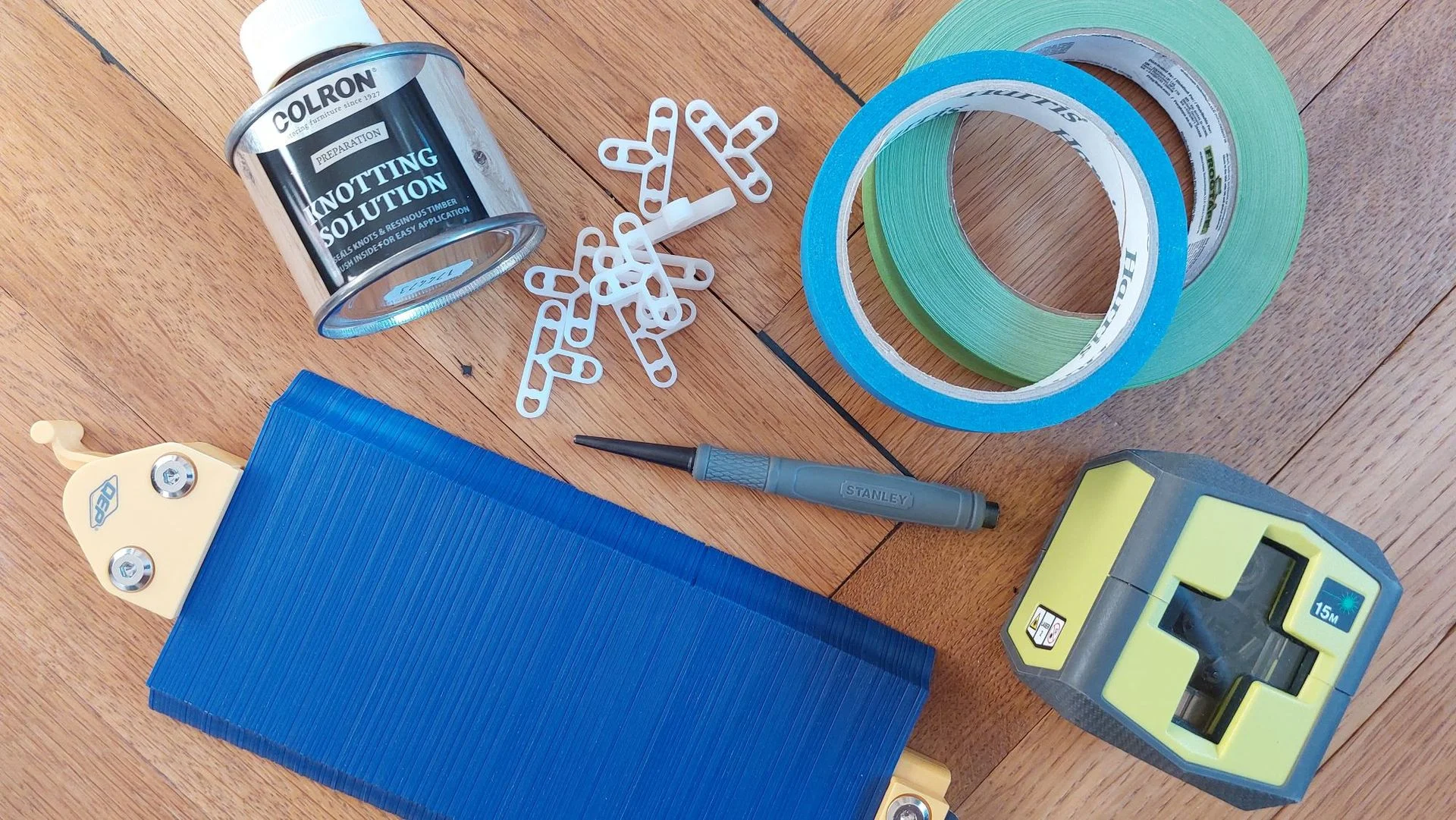
DIY results often improve when a project gets a small, purpose built tool. A nail punch can protect a floor sander; a profile gauge can turn an awkward edge into a usable template. These are modest purchases, but each addresses a specific source of wasted time or messy finishing.
That’s the lesson from renovating a house with little more than a hammer and chisel: choosing the right tool can make a noticeable difference to both the work and the finish. Six items stand out for the range of jobs they can help with, from preparing timber for paint to aligning shelves and tiles.
Seal knots before painting unfinished wood
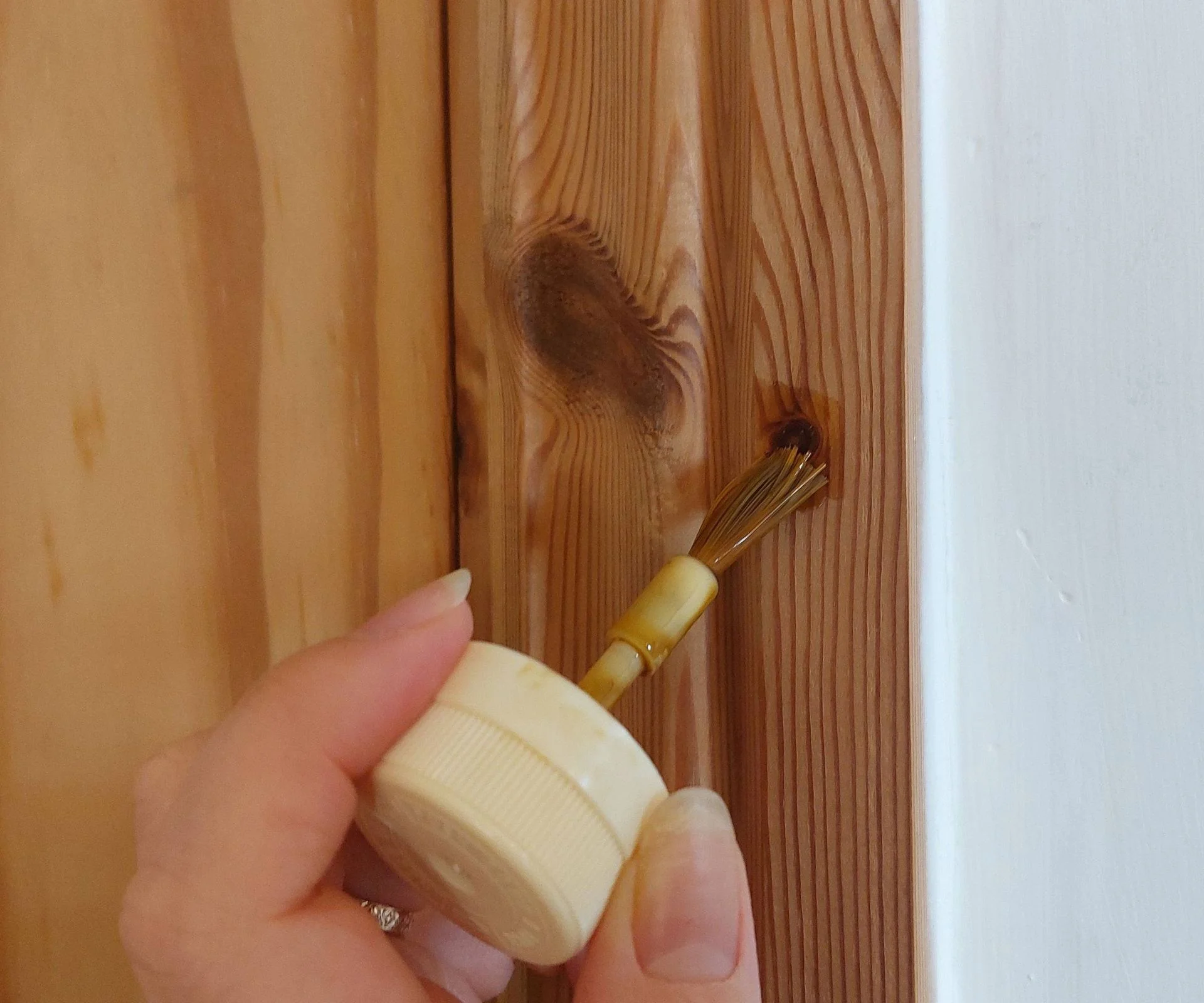
Knots in redwood, whitewood and pine can release resin that later shows through paint as yellow or brown staining. Applying a shellac based knotting solution over each knot creates a barrier before priming and painting. It’s a quick preparation step that can save a finished surface from discolouration.
The Colron knotting solution takes about 15 minutes to dry. It’s been used on painted shelving, panelling, skirting boards and architraves. For anyone preparing to paint woodwork, treating the knots first is a simple way to give the finish a better chance of staying clean.
Drive nail heads below the surface
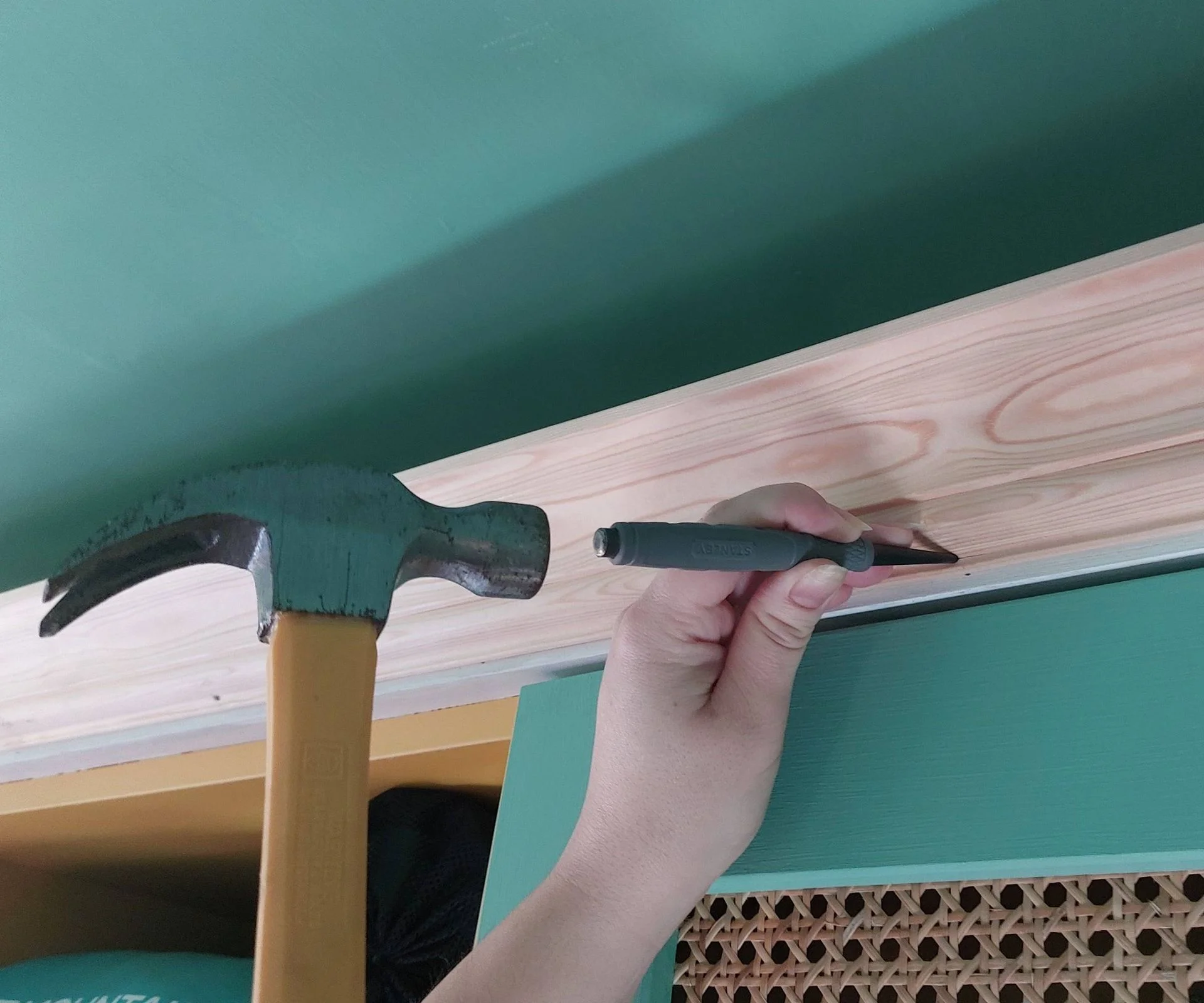
When a nail head sits proud of the wood, filler and paint won’t disguise it well. A nail punch, also called a nail set, lets you tap the head below the surface without striking the surrounding material with the hammer. The small steel tool has a narrow tip and a broader end for tapping.
It’s particularly useful on decorative trim: sink the nail, fill the small depression, then paint, stain or varnish over a smoother surface. Nail punches come in sizes suited to different nails. They’re also valuable before sanding and restoring original floorboards, where protruding nails can tear sandpaper or damage the sanding machine.
The Stanley Dynagrip model has a steel body and moulded handle, and is listed at 1.6mm.
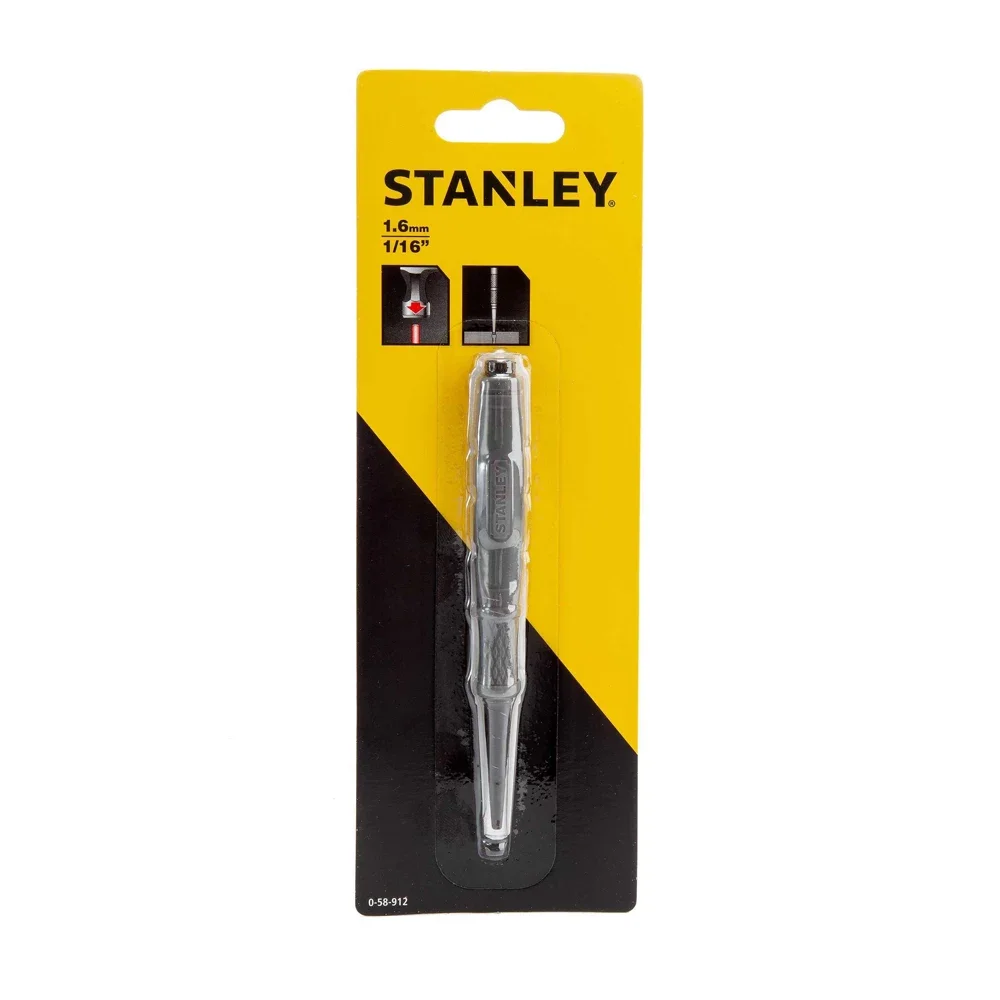
This Stanley nail punch is made from steel and has a moulded handle.
Copy awkward shapes with a profile gauge
Irregular edges are where quick measurements and improvised paper or cardboard templates can go wrong. A profile gauge replaces that guesswork with a row of metal or plastic teeth. Press it against a shape and the teeth shift to match its outline; lock them in place, then trace the profile onto the material you need to cut.
This is useful for fitting flooring, laminate or tile around obstacles, including a pedestal sink. It can also help when wallpapering around a fireplace. A profile gauge would have made it easier to cut parquet blocks to fit the tight space between a hearth and an alcove cupboard. For floor tiling, wallpapering or laying parquet flooring, transferring the shape directly is a practical alternative to repeated measuring.
The Vitrex M20 is 267mm long, with plastic teeth. Two gauges can be joined together for larger profiles.
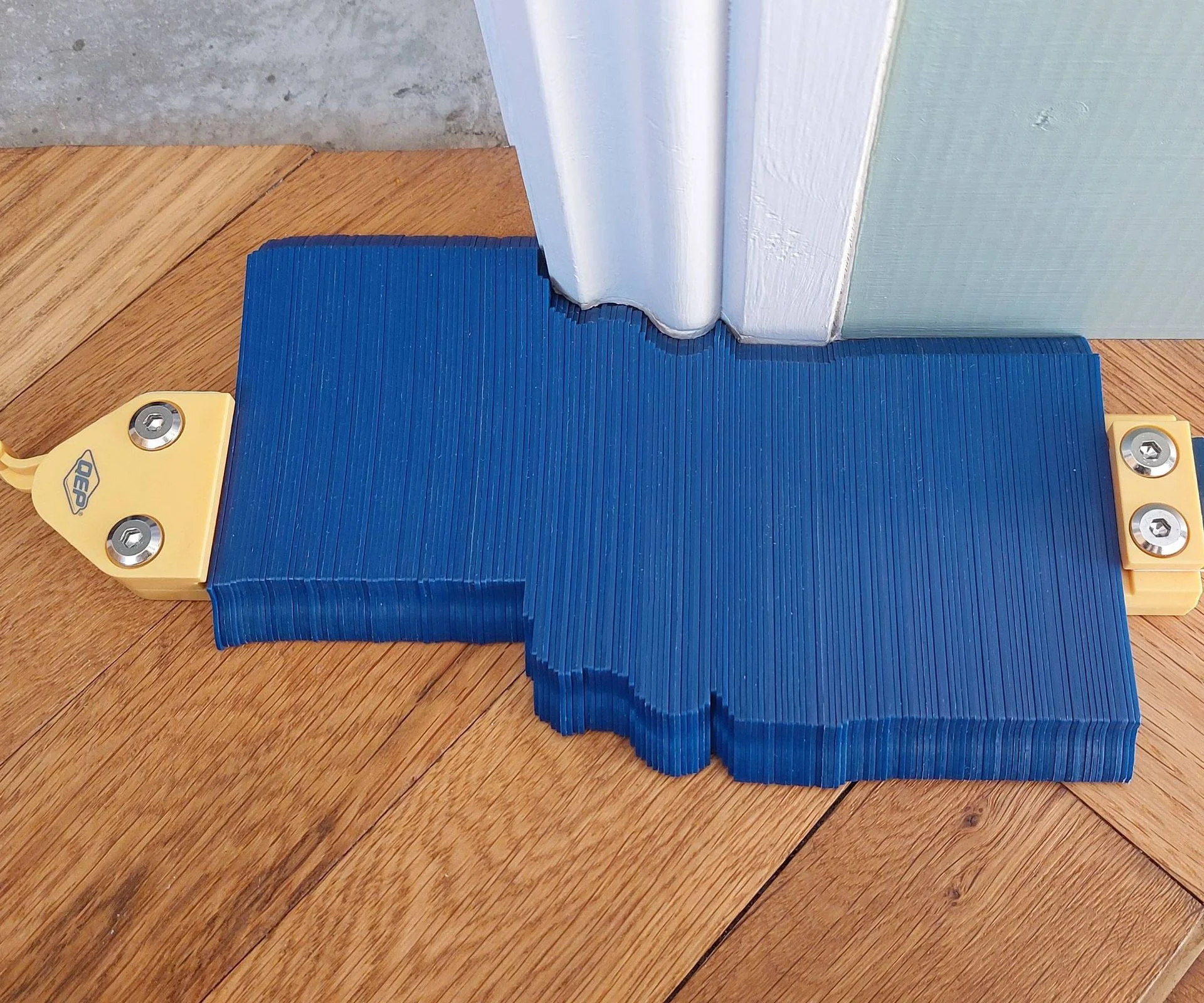
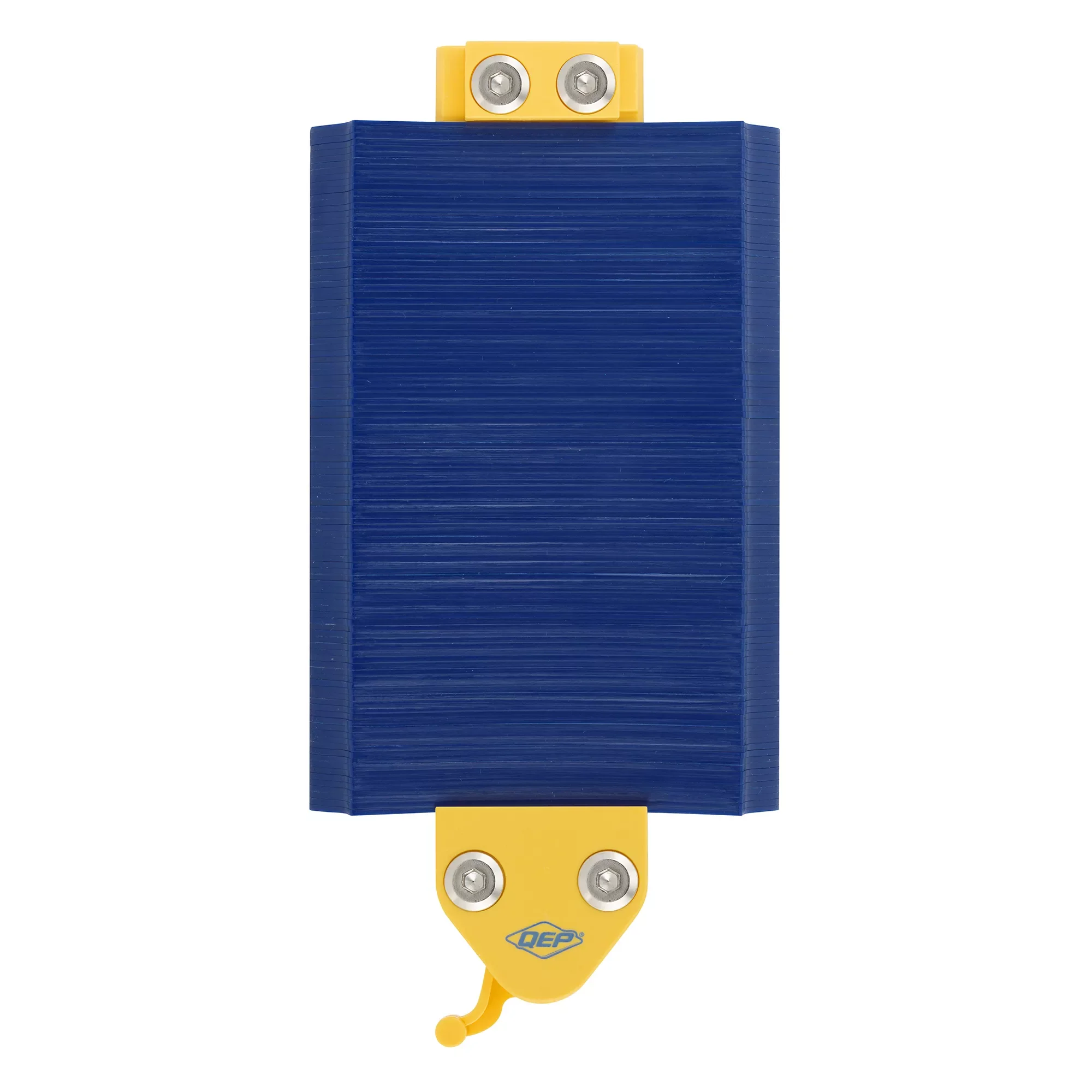
This profile gauge has durable plastic teeth, and two can be joined for larger cuts.
Use painter’s tape to sharpen paint lines
Freehand cutting in demands a steady hand. Painter’s tape gives you a guide and covers the surface that should stay unpainted, whether you’re changing colour at picture rail height or painting woodwork in a different shade from the wall.
The tape matters. Painter’s tape is designed to repel water and use weaker adhesion than general masking tape, helping limit paint bleed while reducing the chance of damage when it’s removed. The distinction is useful when choosing tape for decorating; the two aren’t interchangeable. A green Frog Tape multi surface roll is one option for protecting edges and defining lines.
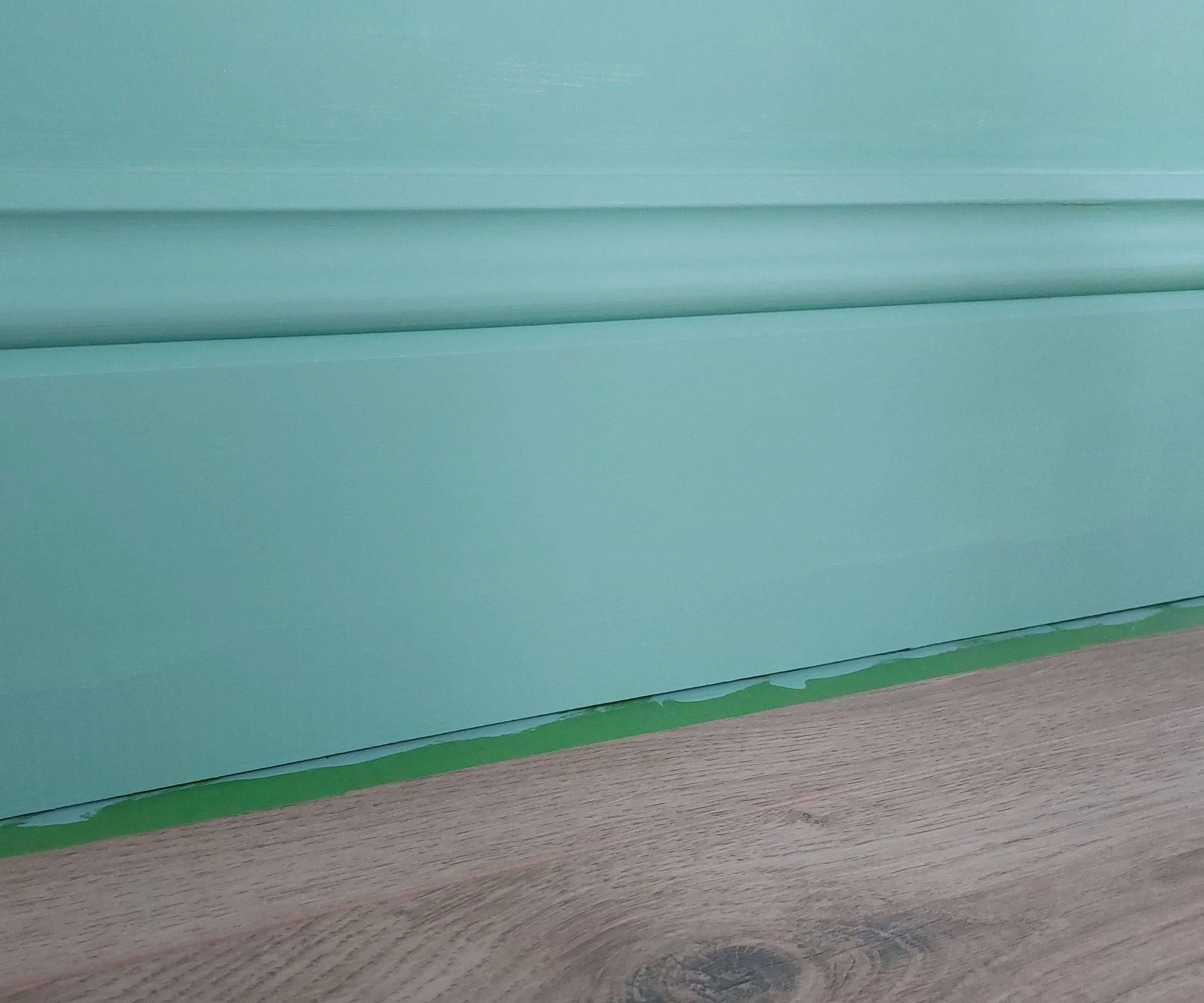
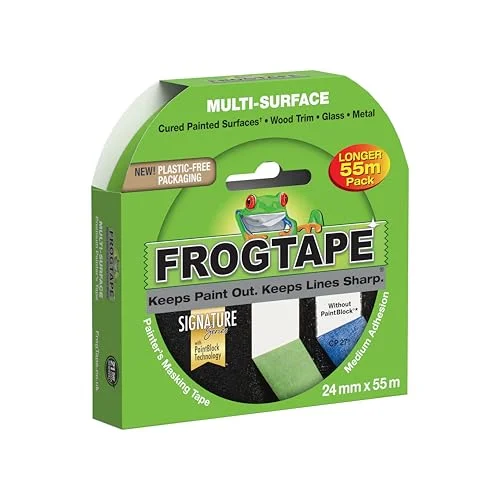
This tape is designed for indoor painting and decorating.
Keep grout joints consistent with tile spacers
Even grout lines are difficult to judge by eye across an entire floor or wall. Tile spacers hold a consistent gap between adjacent tiles, helping keep rows aligned and leaving room for grout. Their small size belies their effect: uneven spacing is immediately visible in a finished surface.
Cross spacers, T spacers and wedges are common options. The right style and size depend on the tile and the pattern. Grout joints also allow some movement in a tiled wall or floor, so spacing is part of the installation, not just a finishing detail. RUBI and Vitrex are among the brands available.
A pantry floor tiled without spacers can end up visibly misaligned. For the next wall tiling or floor project, choose spacers to match the layout and tile rather than trying to estimate each joint.
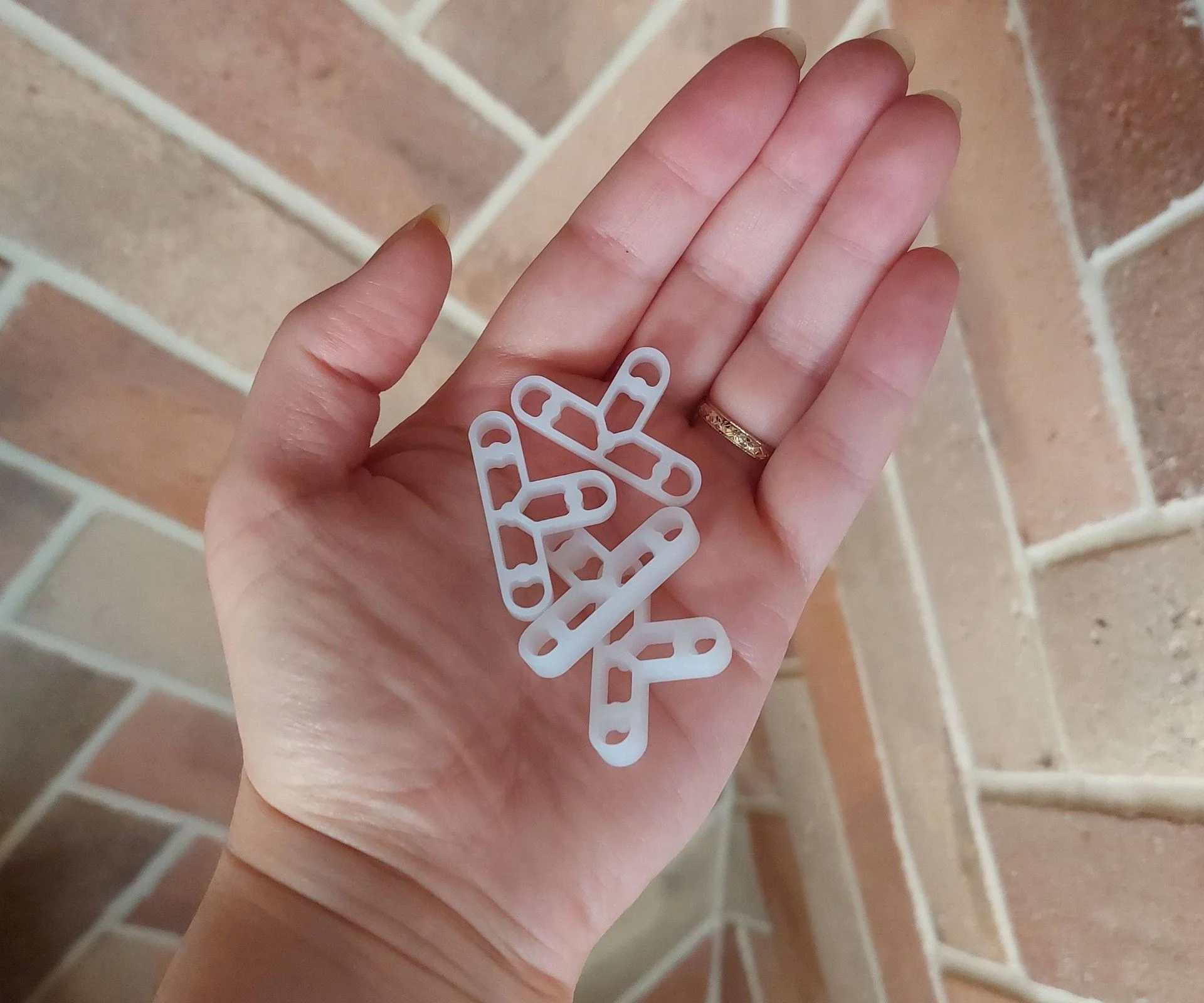
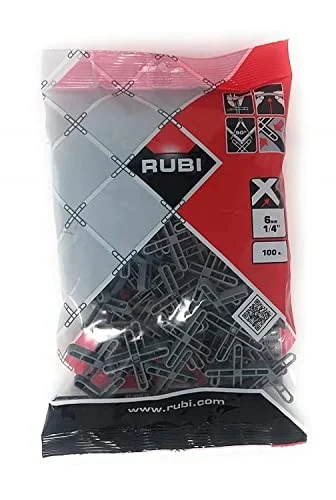
Choose a spacer size that suits the tiling project.
Set level lines with a laser
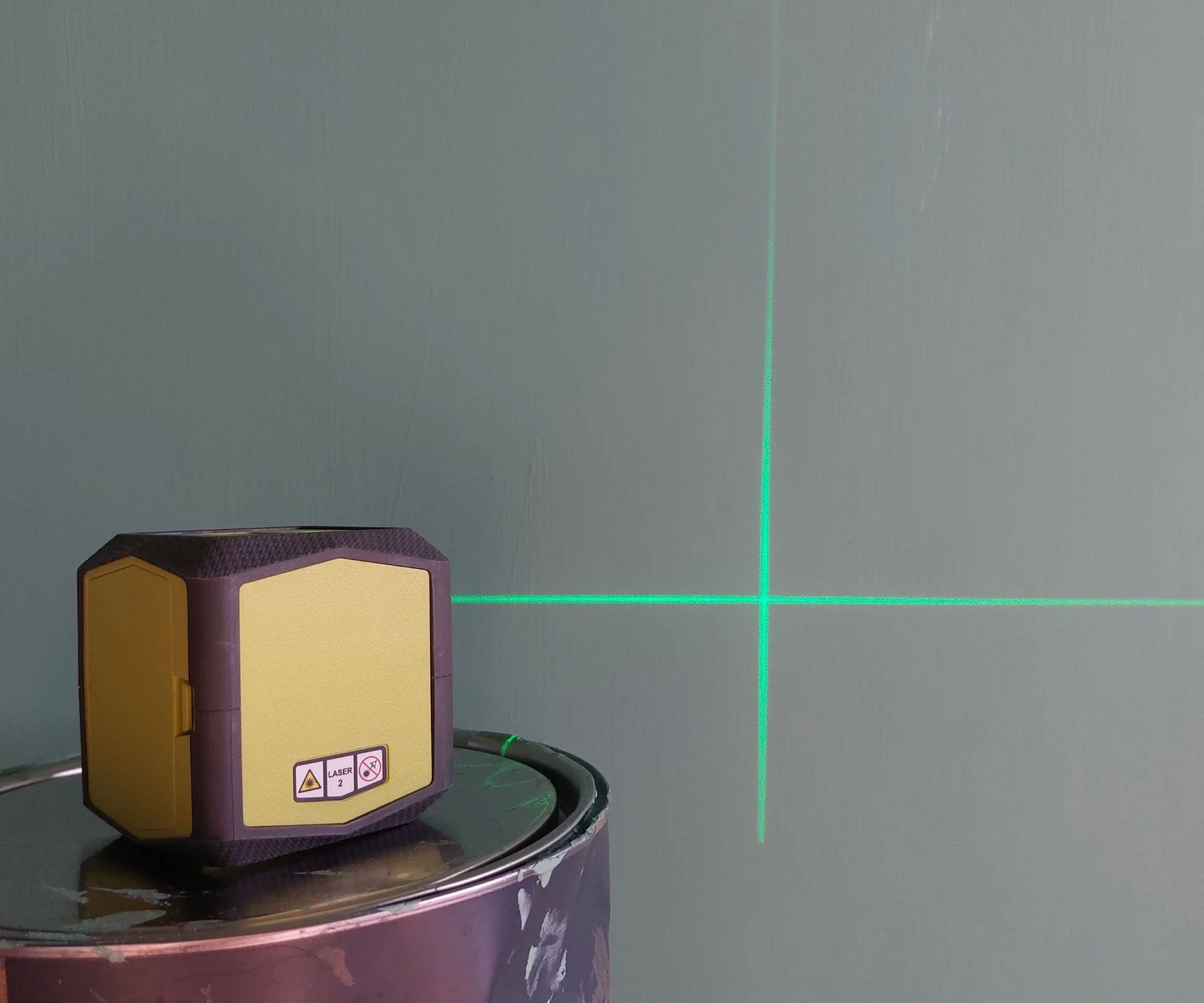
A spirit level can be awkward to hold in place while marking a shelf or a long line on a wall. A laser level projects horizontal and vertical beams, leaving both hands free and making the reference line easy to see. It removes the need to interpret a bubble, which can help reduce errors when positioning fixtures.
Laser levels are useful for hanging shelves, fitting picture rails, planning contrasting paint lines and laying out wallpaper. A Ryobi laser level has been used to install shaker panelling in a living room and set kitchen shelves. For larger jobs, the projected lines make it easier to keep the work aligned across a wider area.
Each tool solves a different problem, but the common thread is precision: keeping resin from staining paint, sinking nails cleanly, copying awkward shapes, protecting edges, spacing tiles and marking level lines. Add the ones that match the work ahead, and the next project has fewer opportunities for avoidable rework.


Discussion
Sign in to join the discussion.