The Gresland Benc Artisan Cast Cookware marries superior thermal performance with thoughtful design, enhancing the cooking experience sustainably and comfortably.
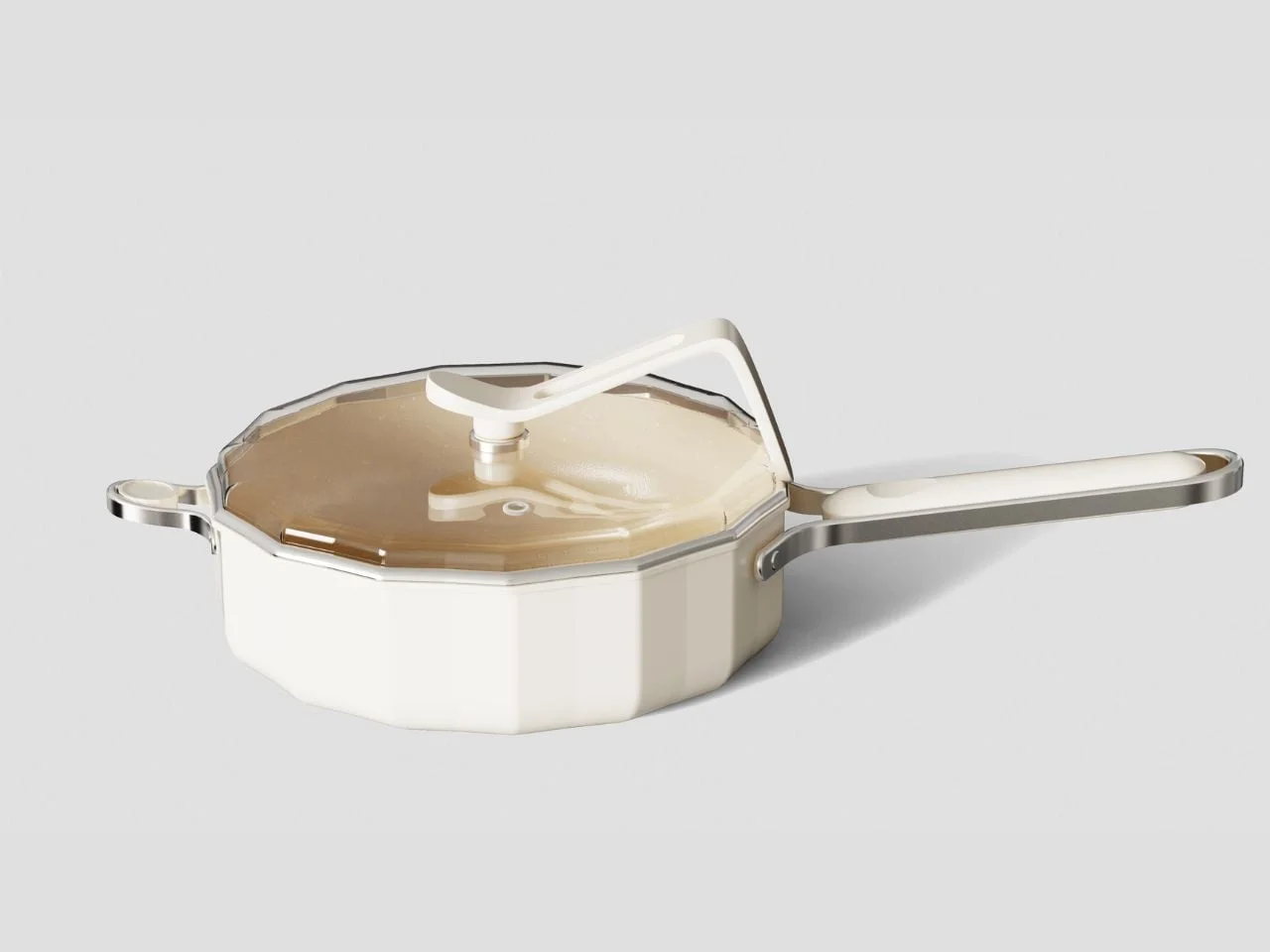
Redefining Cookware: Gresland Benc Artisan Cast Cookware
Cookware often elicits a sense of routine familiarity, but Gresland Benc Artisan Cast Cookware challenges that perception. Designed by Christophe Paul Gresland, this cookware received recognition for its innovative approach, winning a 2025 European Product Design Award in the Home and Kitchen Accessories category. While awards can often be a mixed bag, they do suggest a level of recognition by peers in the industry. Beneath its sleek exterior lies a multi-layered core crafted with advanced metallurgy, which improves thermal responsiveness by 40% and heat distribution by 30% compared to standard cast cookware. These enhancements lead to a more streamlined cooking experience, minimizing wait times and random hotspots that disrupt the flow of cooking.
Considerations for User Experience
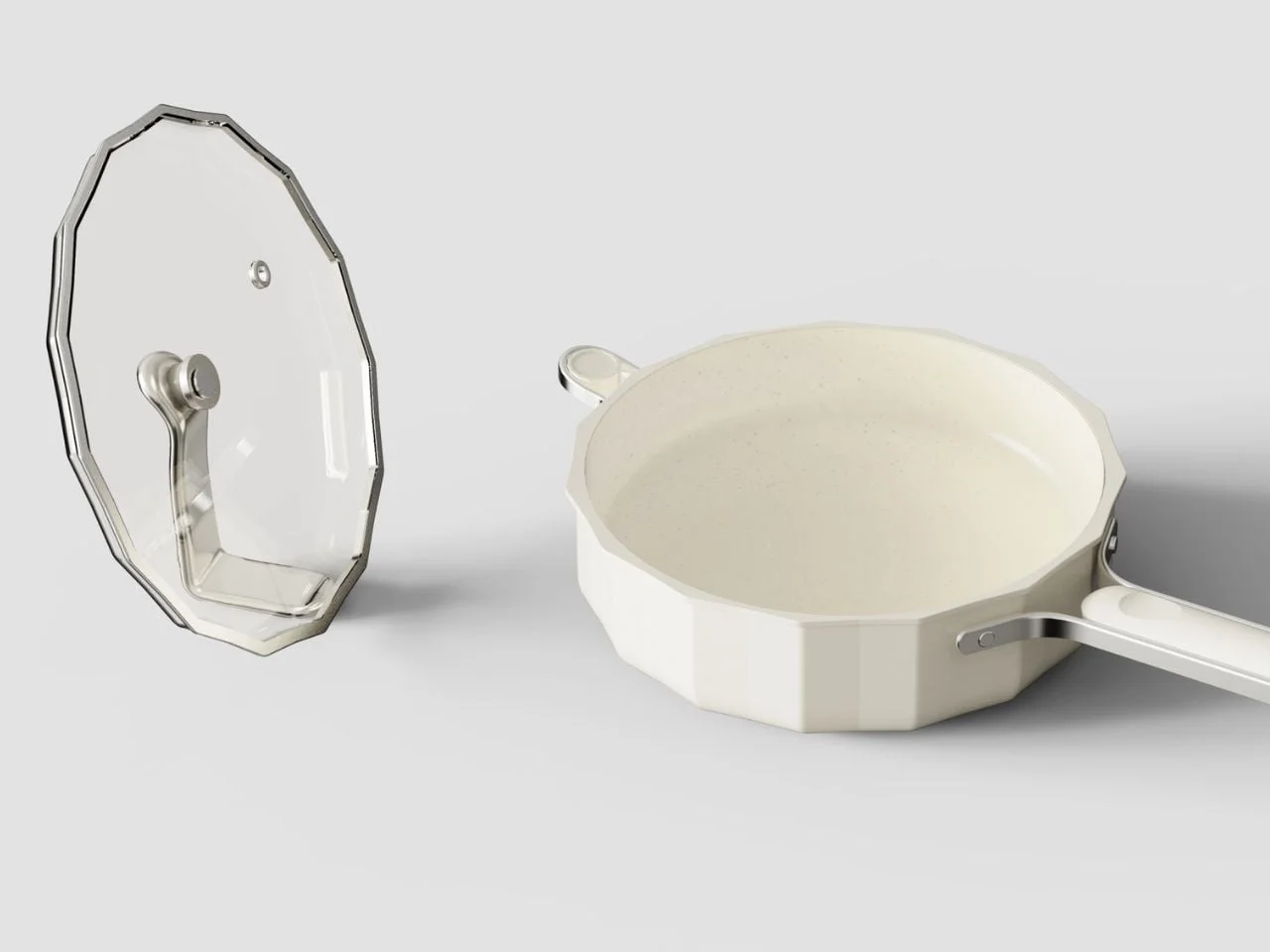
The entire design process takes into account common cooking hazards, particularly the risk associated with steam when removing lids. The uniquely shaped handle not only enhances comfort but also aims to reduce potential burns from scalding steam. This is more significant than it looks; small design innovations like this can prevent serious injuries. While these details might appear trivial at first glance, they reveal a deeper understanding of user interactions with everyday kitchenware. Good design often lies in recognizing and addressing overlooked issues rather than simply adding flashy features.
Think about it: how many times have you burned your hand while hastily grabbing a lid? This cookware acknowledges that, serving both form and function effectively. An ergonomic grip can become an overlooked component, but when cooking, you'll appreciate every thoughtful design choice made here.
Versatility Across Cooking Methods
But that’s not all—this cookware’s design accommodates various cooking methods. Its flat base ensures compatibility with both conventional stoves and induction cooktops. While this might seem like a baseline expectation for cookware, it’s vital for extending the product's lifespan and usefulness in diverse kitchen settings. If you’re working in this space, you’ll know that the ability to adapt is essential for a cookware line aiming to cater to a broader consumer base. Compatibility with induction cooktops is especially important, given their growing popularity and efficiency in modern kitchens.
Aesthetic Appeal and Functional Design
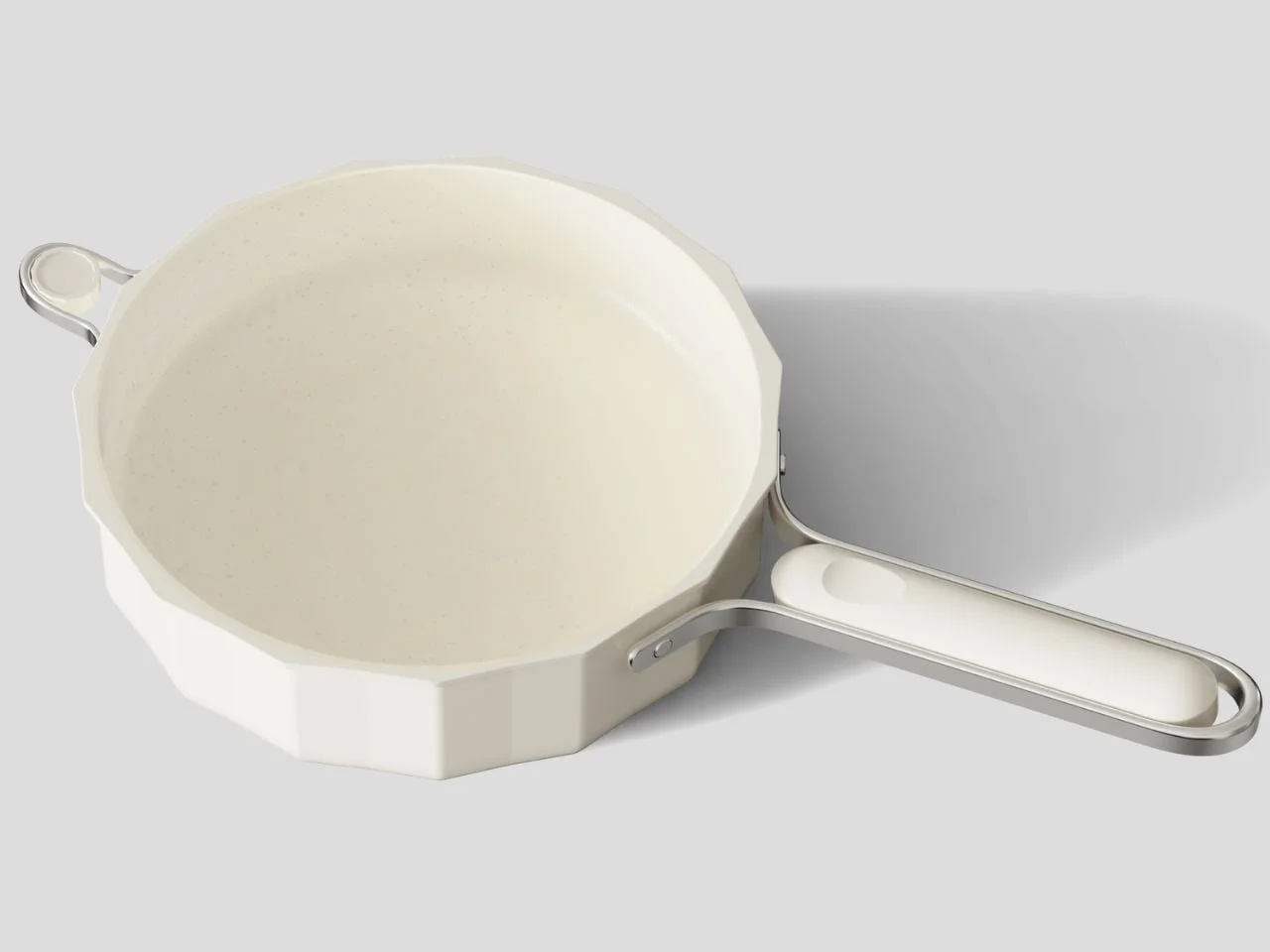
The chamfered edges of the pots further illustrate a blend of functional and aesthetic enhancements. These softer edges not only improve grip and maneuverability when the cookware is cold but also make the overall design appear lighter and more refined. The visual appeal cannot be understated; consumers are increasingly drawn to products that enhance kitchen aesthetics as well as functionality. Such meticulous attention to detail elevates usability while ensuring that the cookware remains visually appealing, which is a surprising feat for cast iron.
Commitment to Sustainability
Material choices underscore the commitment to sustainability, with roughly 85% of the cookware made from recycled stainless steel and components sourced locally. The zero-waste casting process adheres to B Corp environmental standards, reinforcing the notion that sustainability should be an integral part of a product’s lifecycle—not just an afterthought. More brands are beginning to understand that consumers care about the environmental impact of their purchases; cookware expected to endure should also reflect principles of sustainability. In this case, these eco-friendly practices resonate even more strongly.
It’s an approach that speaks to a growing trend in consumer demand: the need for products that aren’t just functional but also environmentally responsible. A product made with 85% recycled material isn’t just a selling point; it’s part of a wider narrative about responsible consumerism.
Potential Drawbacks
The design doesn't ignore the potential pitfalls of using a metal handle, which can heat up during cooking. Users still need to exercise caution, particularly if engaged in lengthy stovetop cooking sessions. This detail highlights an essential aspect of cookware use: knowledge. While this might seem limiting, it underscores the necessity for practical awareness in everyday kitchen interactions. Too often, cookers overlook the potential hazards that come with heat and materials.
Implications and Future Outlook
Ultimately, Gresland Benc Artisan Cast Cookware stands out for its holistic design philosophy. Enhanced thermal performance, thoughtful ergonomic features, versatile cooking compatibility, sustainable materials, and stylistic restraint all contribute to an elevated cooking experience. This cookware is crafted with an understanding that the essence of good design lies in subtle refinements that improve usability—often unnoticed until experienced firsthand. But will this design lead the way for other cookware manufacturers? Will they follow suit and integrate more thoughtful elements into their products?
As consumer expectations shift toward quality and sustainability, this product may set a precedent. The response from the market could guide future designs across the cookware industry. Brands will be challenged to not just meet consumer needs but anticipate them, addressing both functionality and aesthetics as well as environmental ethics. Manufacturers confident in their approach—like Gresland—might find themselves ahead of the curve, paving avenues where others are forced to catch up.


Discussion
Sign in to join the discussion.