Transform your heat-damaged garden this fall with the vibrant and easy-to-grow Mexican sunflower, a favorite among pollinators and gardeners alike.
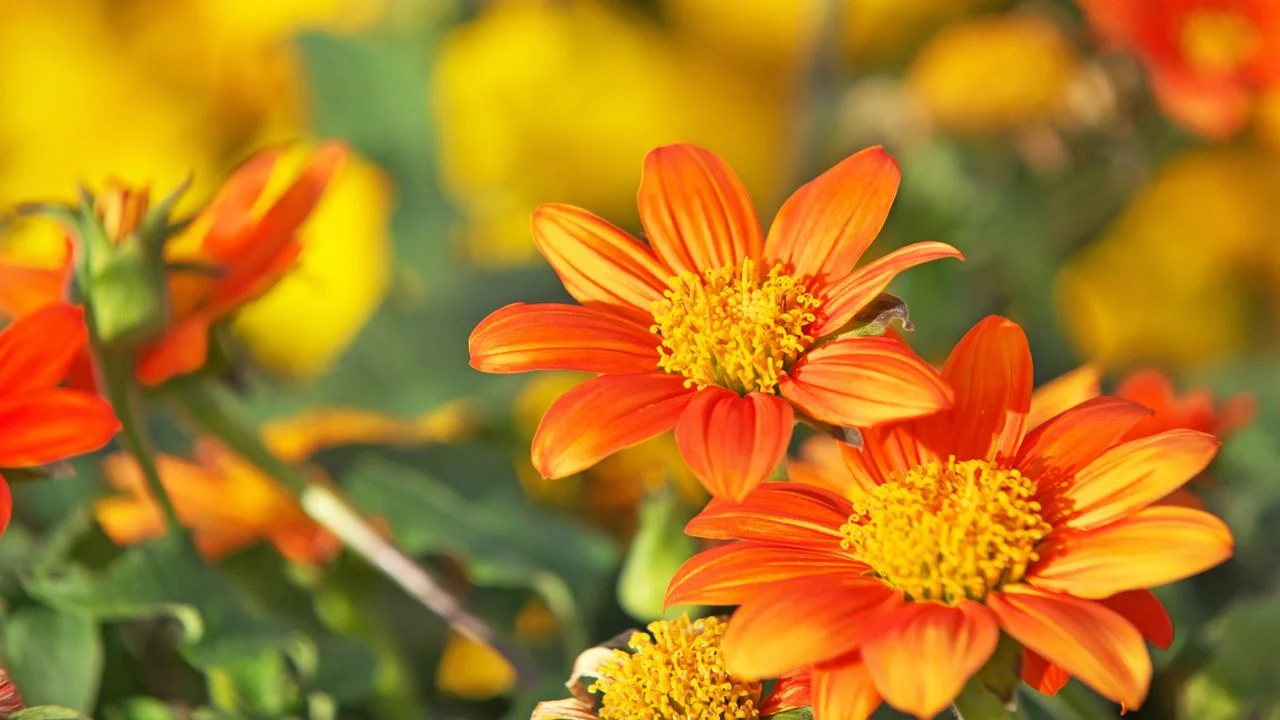
Summer's relentless heat can leave gardens looking dehydrated and uninspired. Enter the Mexican sunflower, a plant that brings both beauty and resilience to any landscape. As gardens struggle with the relentless sun, this hardy plant stands tall, offering both a visual feast and a sanctuary for beneficial wildlife.
Known scientifically as tithonia rotundifolia, this tall annual is celebrated for its striking orange and red daisy-like flowers, which bloom in abundance right up until the first frosts. Its colorful display injects life into faded borders and containers while providing vital nectar for a host of pollinators. That's more than just aesthetics; it's a boon for the ecosystem. With the increasing concern over declining bee populations, Mexican sunflowers can play an important role in nurturing these essential creatures.
Why Choose Mexican Sunflowers for Your Garden?
The Mexican sunflower isn’t just visually appealing; it’s also a delight for both gardeners and local wildlife. Native to Mexico and Central America, it flourishes in heat, direct sunlight, and even poor soil conditions. This adaptability makes it a favorite among gardeners in various climates. As a low-maintenance plant, it thrives in USDA Hardiness zones 2-11 but is generally treated as an annual in zones 7 and below. If you're working in this space, the Mexican sunflower's resilience to drought conditions is especially significant in a time when water conservation is paramount.
This plant produces a series of blooms measuring 2 to 3 inches (5–7.5 cm) across, making it an essential nectar source for bees and butterflies as summer wanes. These flowers attract not only pollinators but also visual interest, creating a vibrant backdrop for less showy plants. With heights ranging from 28 to 42 inches (71 to 106 cm), its stature makes it a commanding presence in garden settings. As Laura Coggan, a noted plant expert, observes, ‘Tithonia is perfect for the back of mixed borders or along a fence line.' For containers, compact varieties like ‘Fiesta del Sol’ work best, ensuring that even small spaces can contribute to the garden’s visual appeal and ecological health.
Growing Mexican Sunflowers with Ease
Establishing Mexican sunflowers is straightforward. These plants are best sown indoors 6 to 8 weeks before the last frost or directly outdoors after frost danger has passed. According to Laura, “Starting fresh seed each spring is typically the most reliable method for blooms.” While the plant can self-seed under the right conditions, you might find that it doesn't return reliably in cooler climates. This unpredictability means regular sowing may be necessary if you're looking for consistent blooms year after year.
Sunny locations with well-draining soil are optimal for their growth. Once established, they require minimal watering, making them suitable for xeriscaping. Remarkably, tithonia prefers poor to average soil, as overly fertile conditions can lead to lush foliage with fewer flowers. That’s a crucial insight for gardeners who might be tempted to over-fertilize; restraint can lead to a more rewarding floral display.
However, support measures may be necessary given their brittle stems. The last thing any gardener wants is for their labor of love to flop over at the first gust of wind. Options include grow-through grids from Lowe's or metal supports that provide the necessary stability. This extra precaution can save time and frustration, allowing you to enjoy the beauty of your garden without worrying about weather-related mishaps.
Encouraging Prolonged Blooms
Keeping your Mexican sunflowers blooming requires little effort. Regular deadheading is crucial; it redirects the plant's energy from seed production to forming new flowers. Laura suggests using slender pruning snips for easy maintenance, though hedge shears can be efficient for larger patches. The act of deadheading not only improves aesthetics but also extends the blooming season, which can make a significant difference in how long you get to enjoy the flowers.
Some seedheads should be left to ripen naturally. This practice provides food for birds and small mammals while allowing gardeners to collect seeds for future growth. I can’t stress this enough: seeds from hybrids may not yield plants identical to their parents, so fresh seeds are preferable for consistency. This can be a tipping point for gardeners who wish to maintain the integrity of their flower variety.
Shopping for the Essentials
Consider enhancing your garden collection with essential gardening tools and supplies, such as Mexican sunflower seeds and plant support stakes. A well-informed purchase can make all the difference in the growth and success of your plants.
The Future Outlook for Mexican Sunflowers
Embrace these vibrant flowers to extend your garden's beauty into the cooler months. What this means for you, the gardener, is an opportunity to create a visually stimulating atmosphere while also supporting local ecosystems. The Mexican sunflower stands out not just for its beauty but also for its ecological contributions.
For additional tips and ideas, explore options like fall-blooming native plants for a lively autumn garden. It's not just about meeting aesthetic aspirations; it’s about planting a future that encourages biodiversity and ecological balance.



Discussion
Sign in to join the discussion.